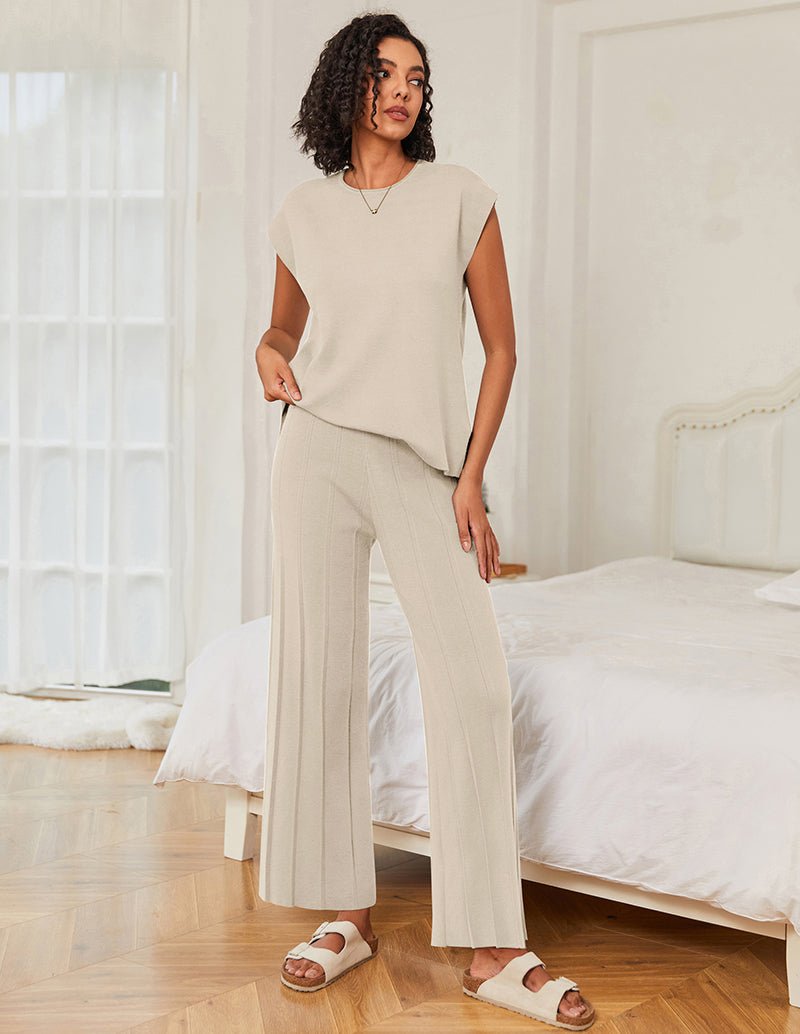
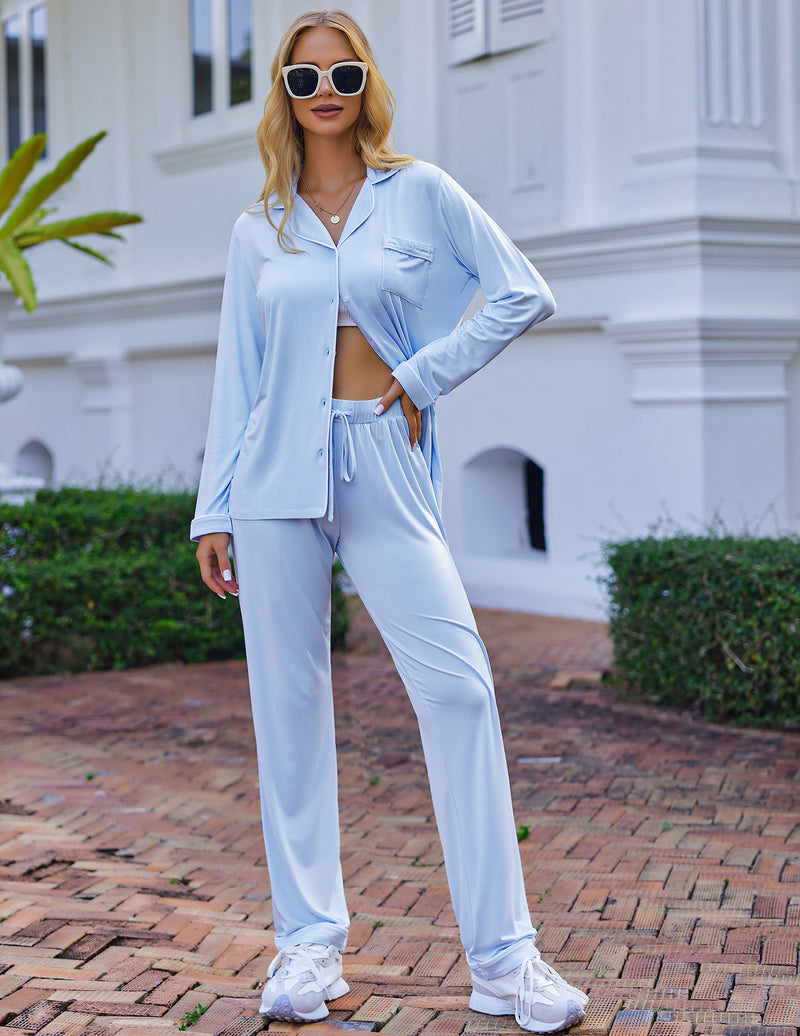
Are Flannel Pajamas Too Hot?

Flannel pajamas can be too hot for some sleepers, but not for all. Flannel is brushed cotton that traps a layer of warm air, which is wonderful in a cold room and miserable if you already run warm or sleep in a heated bedroom. The honest answer is: flannel is cozy in cool conditions and risky if you overheat at night. Below we go through why flannel holds heat, who it suits, when to skip it, and the breathable alternatives that keep you warm without waking up in a sweat.
Key Takeaways
-
Flannel traps warm air, so it shines in cold rooms and fails in warm ones.
-
If you run hot or sleep in a heated bedroom, flannel is likely too much.
-
Breathable cotton, bamboo, or modal keep you cozy without overheating.
-
Weight matters: lightweight flannel breathes more than heavyweight.
-
Layer a breathable base with a removable knit instead of one heavy set.
The Short Answer
Flannel pajamas are too hot when your body or bedroom already produces enough heat. They are just right when the room is genuinely cold and you sleep cool. Think of flannel as insulation: helpful when you need it, harmful when you don't. The trick is matching the fabric to your actual sleep temperature, not to the season on the calendar. A cold sleeper in a chilly room will thank you for flannel; a hot sleeper in a heated bedroom will regret it by 2 a.m. If you're choosing flannel as a gift, lean breathable instead, it's the safer default, and the recipient can always add a knit layer if they happen to be cold.
Why Flannel Traps Heat

Flannel is cotton (or sometimes wool) that has been brushed to raise a soft nap. That nap is what makes it feel cozy, it also traps a layer of air next to the skin and slows heat from escaping. In a cold room that's exactly what you want. In a warm room, or on a body that sleeps hot, it holds heat you're trying to release, and you wake up flushed. The heavier the flannel, the more it insulates, so a thick pair in a heated bedroom is the classic overheating setup. It isn't the flannel being "bad", it's the flannel doing its one job too well for the situation.
Who Flannel Is Right For
-
Cold sleepers in an unheated or cool bedroom.
-
Winter homes where the thermostat drops at night.
-
People who wake up shivering in lighter fabrics.
-
Lightweight flannel fans who want softness without full insulation.
If that describes you, flannel can be the most comfortable thing you own. The problem is only when the fabric out-insulates the need. Many people keep one lightweight flannel set strictly for the coldest weeks and switch back to cotton the rest of the year, which is the right instinct.
A useful mental model is to think about your bedroom, not the weather forecast. A flannel set that's perfect in a 60°F (15°C) bedroom can be stifling in a 72°F (22°C) one, even on the same winter night. The fabric doesn't know the date, it only knows how much heat it's being asked to hold. So the real question is never "is it winter?" but "how cold is my room, and how warm do I sleep?" Answer those two and the flannel decision answers itself.
When Flannel Is Too Much
Skip flannel, or choose the lightest weight, if you:
-
Sleep hot or wake up sweaty in ordinary cotton.
-
Keep the bedroom heated above about 68°F (20°C).
-
Layer under a heavy duvet already.
-
Experience night sweats from hormones, pregnancy, or medication.
In those cases flannel stacks heat on top of heat. A breathable base layer does the job better because it lets your body regulate. Remember that a duvet already insulates you; adding heavy flannel underneath is doubling up on the very thing that's making you hot.
Breathable Alternatives That Still Feel Cozy
You don't have to choose between warm and breathable:
-
Brushed cotton (non-flannel) — soft and gentle, less insulating than flannel.
-
Bamboo or modal — silky, airy, and great for temperature swings.
-
Light knit jersey — cozy without trapping heat.
-
A breathable base plus a knit layer — add or shed as needed.
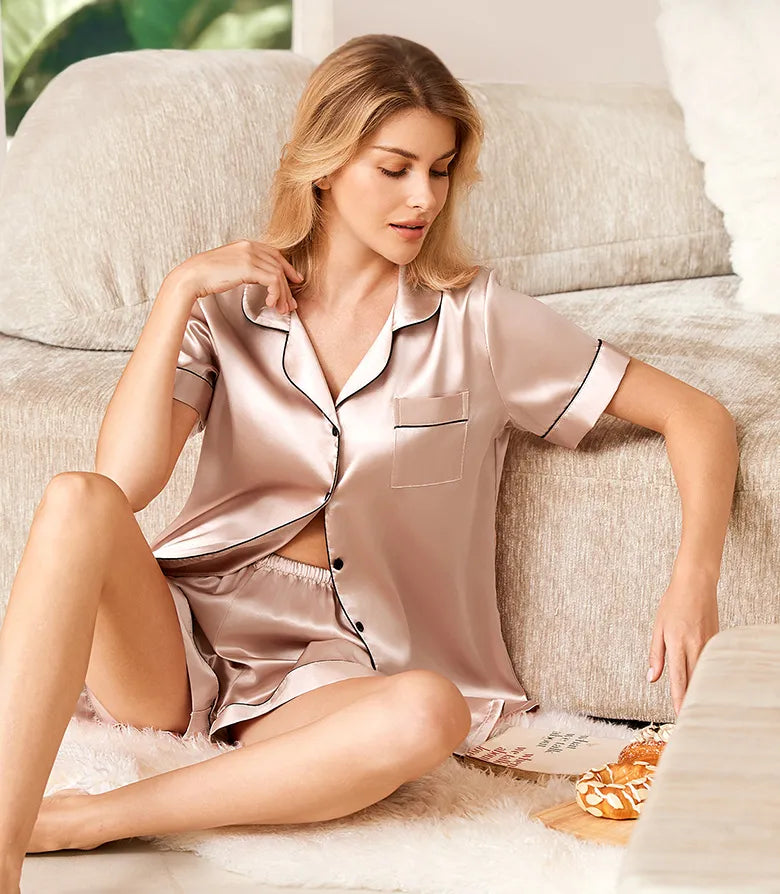
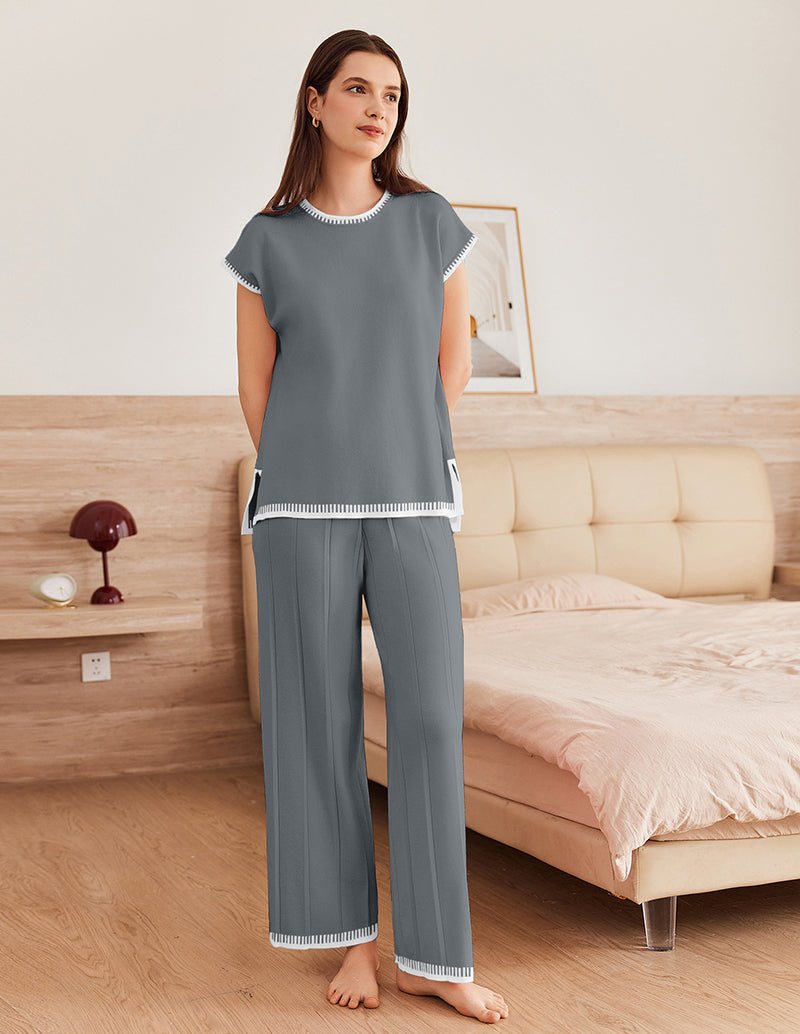
The Ekouaer guides cover fabric choices in detail, and our My Comfort Era pieces are built for comfort you control — cozy when you want it, cool when you don't.
Flannel vs Cotton vs Bamboo: A Quick Comparison

|
Fabric |
Warmth |
Breathability & best for |
|---|---|---|
|
Flannel |
High (traps warm air) |
Low breathability, best for cold rooms and cold sleepers only |
|
Brushed cotton |
Medium |
Good breathability, cozy yet adjustable for most sleepers |
|
Bamboo / Modal |
Low to medium |
High breathability, best for hot sleepers and night sweats |
Use the table as a starting point, not a rule. Your bedroom temperature and your own metabolism matter more than the label on the fabric. When in doubt, pick the more breathable option and add a layer if you get cold. A good way to test at home is to sleep one night in cotton and one in flannel during the same week, then keep whichever left you neither sweating nor shivering. Fabric labels guess; your own body keeps score, and it's the only opinion that counts at 2 a.m.
What to Avoid
-
Heavyweight flannel in a heated room — the classic overheating combo.
-
Flannel under a thick duvet — double insulation you cannot adjust.
-
Synthetic fleece if you sleep hot — it holds heat like flannel and breathes less.
If you already love flannel, the fix is rarely to throw it out, it's to wear it only in the coldest room you have, on the coldest nights, and keep a breathable set within arm's reach for the rest of the year. Comfort is a season-by-season decision, not a single purchase you're stuck with. Most people who say they hate flannel simply wore it in the wrong room; move it to the coldest bedroom and it often becomes the piece they reach for first.
How to Tell If Flannel Is Right for Your Night
If you're still unsure, run a quick check before buying a heavy set. First, note your bedroom temperature at night, below about 64°F (18°C) favors flannel, above 68°F (20°C) argues against it. Second, remember the last time you wore ordinary cotton to bed: did you wake up sweaty or shivering? Sweaty points to breathable fabrics, shivering points to flannel. Third, consider your duvet, a thick comforter already insulates you, so flannel underneath often tips you into overheating. A simple rule of thumb: if you currently sleep comfortably in cotton, flannel is probably too much; if you reach for socks and an extra blanket every night, flannel will likely feel like relief. When the answer is borderline, choose lightweight flannel or brushed cotton and keep a breathable set as backup.
FAQ
Q: Are flannel pajamas too hot for most people?
For most people in a heated bedroom, yes, flannel traps heat they don't need. Cold sleepers in cool rooms love it. Match the fabric to your actual sleep temperature.
Q: Is lightweight flannel cooler than heavyweight?
Yes. Weight drives insulation: lightweight flannel breathes more and overheats less than heavyweight. If you like the feel, choose the lightest weight you can find. This is why many brands sell both weights, the lightweight version is a compromise for people who love the hand-feel but sleep a little warm, and it's usually the safer first purchase.
Q: What is the best alternative to flannel?
Breathable cotton, bamboo, or modal. They feel soft and cozy but let heat escape, so you stay comfortable instead of waking up flushed. If you want the brushed softness without the heat, brushed cotton gives you most of the hand-feel at a fraction of the insulation, which makes it the closest non-flannel stand-in.
Q: Can I wear flannel in winter if I sleep hot?
Usually not as a full set. If you want the look, pick lightweight flannel bottoms in a cool room, or a breathable base with a removable knit layer you can shed.
Q: Do flannel pajamas cause night sweats?
They can worsen them by trapping heat. For night sweats, choose breathable fabrics and layer so you can adjust through the night.
The Practical Recommendation
If you're deciding whether flannel is too hot for you, start from your bedroom and your body: in a cool room and a cold-sleeping body, flannel is a win; in a heated room or a hot-sleeping body, choose breathable cotton, bamboo, or modal instead. The safest move is a breathable base layer plus one knit you can remove, that gives you flannel-level coziness on the cold nights and relief on the warm ones, without ever trapping heat you didn't ask for. Comfort isn't about the heaviest fabric; it's about the right fabric for the night you're actually having.
Related Reading
Related Reading
About Ekouaer
Ekouaer designs season-smart loungewear that works with your temperature, not against it — breathable knits, soft layers, and easy-care fabrics from XS to 3XL, shipped to 180+ countries. Recognized by Forbes Vetted, CNN Underscored, and Oprah Daily, and certified by Airmid for comfort, the brand believes the right fabric beats the heaviest one. With Vanessa Hudgens in "My Comfort Era," Ekouaer makes comfort a choice you control — cozy when you want it, cool when you don't.