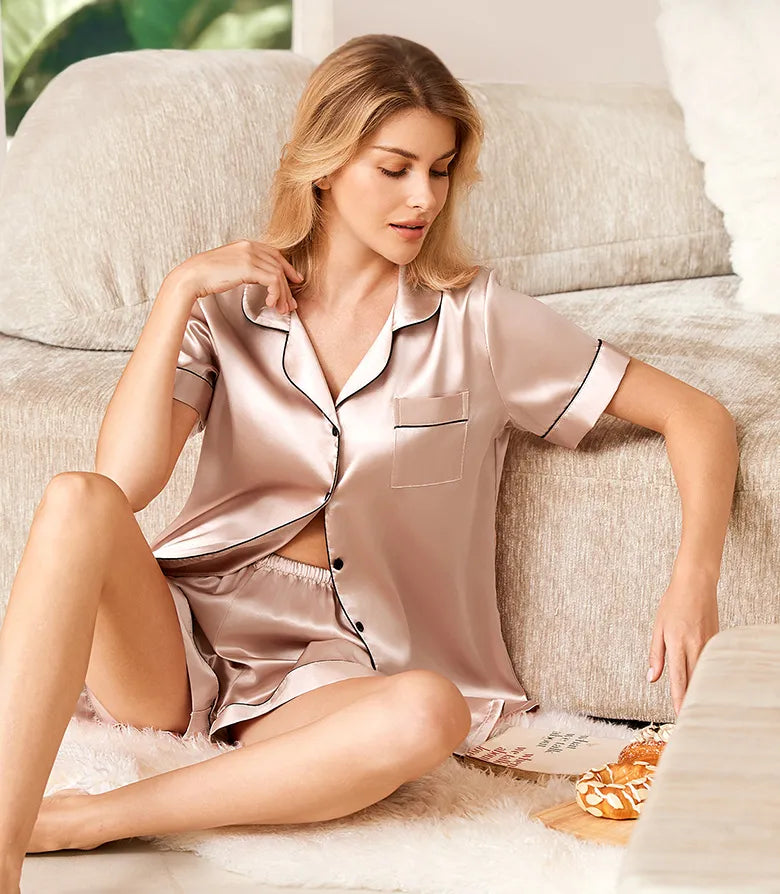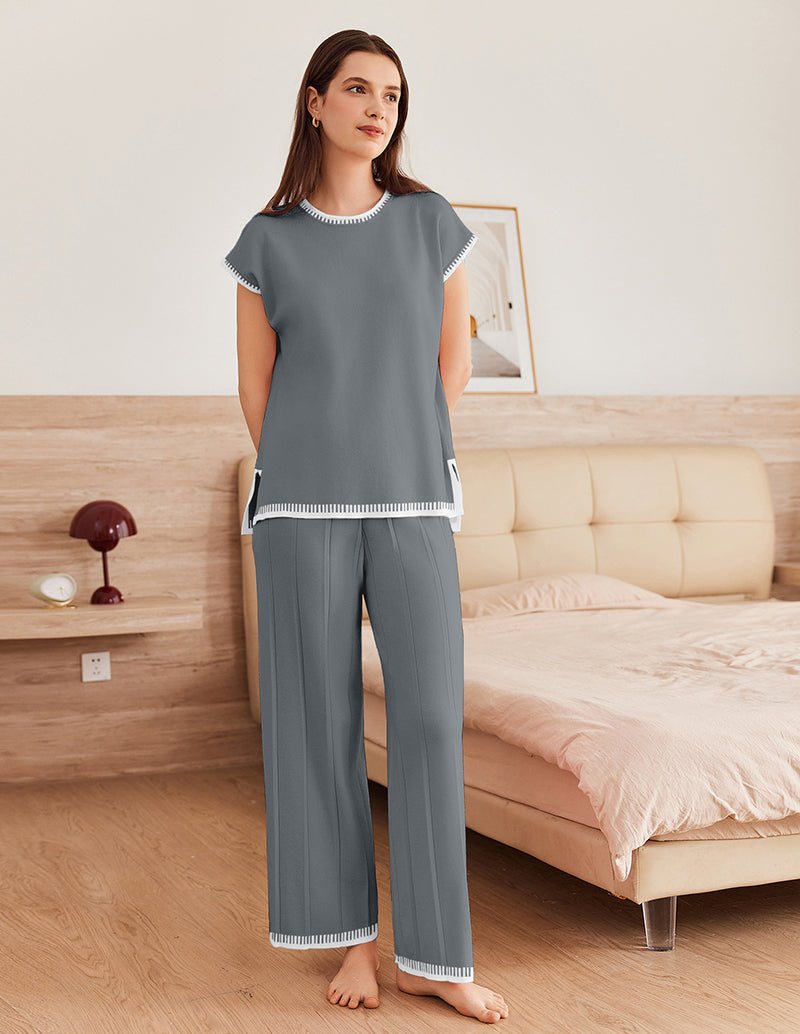
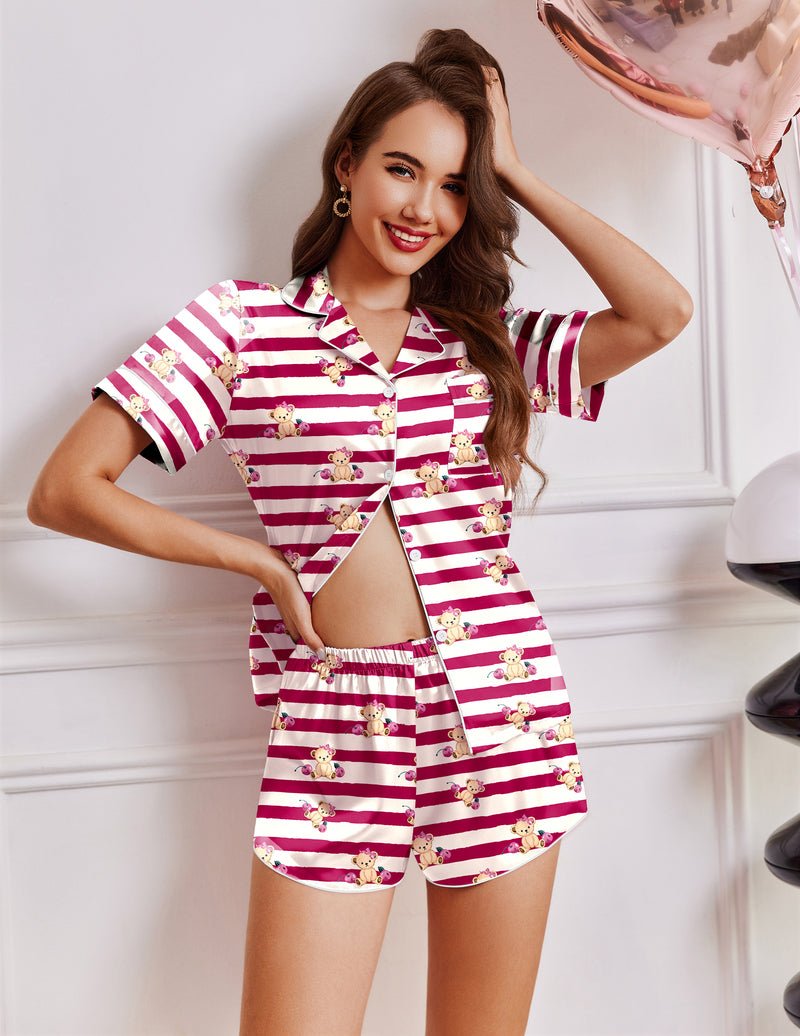
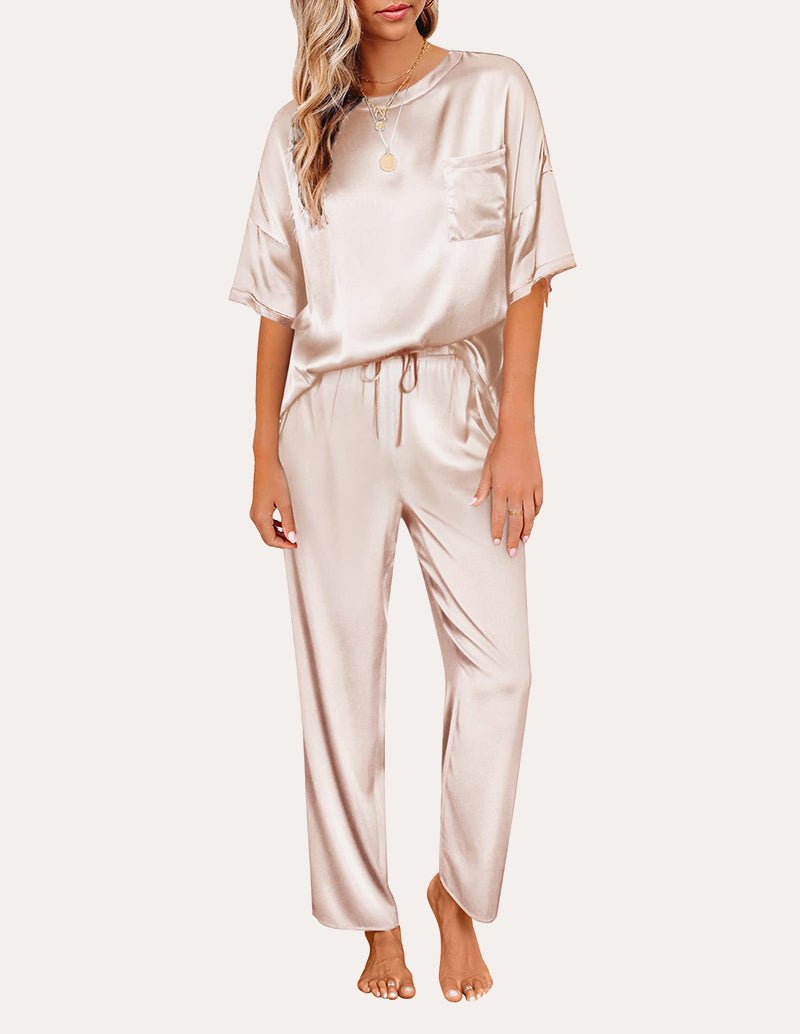

Are Silk Pajamas Worth the Money?
The short answer is that silk pajamas are worth it for the right person and not worth it for everyone else. Silk sleeps cooler, breathes better, and feels softer than cotton or polyester satin, and a well cared for set lasts for years. The trade is price and care: silk costs several times more than cotton and asks for gentle washing. You should buy silk if you value the feel, you have the budget, and you will actually care for it. You should skip silk if you want zero fuss, a hot dryer, or the lowest possible price. Below we break down what you pay for, what you get back, and who should say yes.

Key Takeaways
-
Silk breathes and adapts temperature better than cotton or satin.
-
Silk costs more up front but lasts for years with gentle care.
-
Silk needs cold washing and line drying, not a hot dryer.
-
Silk is worth it for sensitive skin, hot sleepers, and anyone who loves the feel.
-
Silk is not worth it if you want cheap, indestructible, or zero care sleepwear.
The Practical Recommendation
If you take one thing from this, make it the feel first, price second rule: decide whether the silk sleep experience matters enough to you to pay for it and care for it. Silk is the pick if you have sensitive skin, you run warm at night, or you simply love the way real silk slides against the skin, and you are willing to wash it gently. Cotton or satin is the pick if you want the lowest price, the easiest care, or a set you can abuse. You are not buying a status symbol. You are buying a better night, and that is only worth it if better nights matter to you.
The reason this matters is that the price tag hides the real question, which is how you sleep. A $20 cotton set is a fine tool. A silk set is a small daily luxury that some people feel the moment they put it on and others never notice. Nobody else can answer that for you, which is why the honest answer is a qualified yes rather than a flat one.
Budgets are real, and silk is an investment, so the smart move is to try one set before you build a drawer. Silk rewards the people who slow down for it, and it punishes the people who treat it like a gym tee. Know which one you are before you pay.
What You Actually Pay For
The price of silk is not a single thing. It is a stack of costs and benefits, and seeing them apart helps you decide.
|
What you pay |
What you get |
What you give up |
|---|---|---|
|
Higher price |
Softer, breathable sleep |
Cheap backup sets |
|
Gentle care |
Years of wear |
Hot dryer convenience |
|
Patience |
A set you love |
Instant, no thought laundry |
|
Attention |
Skin comfort |
Set and forget routine |

Silk gets its character from a protein strand that is naturally smooth, strong, and temperature adjusting. The satin weave can mimic the shine with polyester, but it cannot mimic the breathability, which is the part you actually feel on a warm night. That difference is the core of whether silk is worth it to you.
Feel and Sleep Quality
Silk feels cooler and more alive than any other sleep fabric because it breathes and moves with your temperature. For hot sleepers this is the single biggest reason to pay, because cotton can trap and polyester satin can cling. The CDC sleep guidance points to a cool, comfortable sleep space as a support for better rest, and silk quietly helps there.
The MedlinePlus overview of sleep needs is a useful reminder that comfort at night is not a luxury footnote, it is part of health. Silk will not fix a bad schedule, but it removes one small friction from the wind down, and for some people that is exactly the nudge they needed.
Care and the Real Time Cost
The part people forget in the price math is the care. Silk is not hard to wash, but it is not free either. A few steps keep it beautiful.
-
Wash cold inside a mesh bag on delicate.
-
Use a mild detergent; skip bleach and fabric softener.
-
Hang or lay flat to dry; avoid the hot dryer completely.
-
Iron on low with a cloth only if needed.
-
Store smooth, not crammed, so the silk keeps its drape.

If that routine sounds like a chore, silk is probably not worth it for you yet. If it sounds like a small ritual you would enjoy, silk is a strong yes. The Sleep Foundation also notes that a consistent, comfortable wind down supports sleep, and caring for nice sleepwear can be part of that cue.
Longevity: The Quiet Payoff
Silk lasts far longer than cheap cotton or polyester when cared for, sometimes for many years, because the natural filament is strong and the fabric does not pill the way synthetics can. That longevity is where the high price starts to even out. A $90 silk set worn weekly for four years costs less per wear than a $20 set replaced every few months, and it feels better the whole time.
This is the argument silk believers make, and it holds up for people who actually care for the set. The catch is that the longevity only pays off if you do the gentle care. Buy silk and ignore the care label, and you will watch the money disappear as fast as a cheap set would.

The honest frame is cost per wear, not sticker price. A silk set worn often and cared for gently drops in effective price every time you sleep in it, while a forgotten cheap set spends its life at the back of the drawer. Longevity is the quiet reason silk fans rarely go back.
Who Silk Is Worth It For
Silk earns its price for a clear set of people. The list below covers most of them.
-
Hot sleepers who need breathable fabric that releases heat.
-
People with sensitive or eczema prone skin who find synthetics itchy.
-
Anyone who loves the slide and softness and will care for the set.
-
Gifters buying a memorable, tactile present.
-
Travelers who want one polished, packable set.
If you see yourself in two or more of those, silk is very likely worth it. The layering basics from outdoor wear apply loosely here too: one good, cared for piece beats a drawer of disposable ones.
When Silk Is Not Worth It
Silk is the wrong call for a different, equally valid set of people. Be honest about which group you are in.
-
You want the lowest possible price and several sets.
-
You wash everything on hot and use the dryer without thinking.
-
You do not notice fabric feel and just want to be covered.
-
You are buying for a rough and tumble kid or messy pet bed sharing.
-
You want zero routine and zero special care.

For those shoppers, a good cotton or modal set is the smarter buy, and nobody should feel pressure to upgrade. Silk is worth it only when the experience matters more than the convenience, and that is a personal line, not a ranking.
Common Questions About the Value
A few questions come up again and again when people weigh the price. Clearing them saves a return.
-
Is silk just a fancy version of satin? No. Satin is a weave; silk is a fiber. The two are not the same.
-
Will one silk set be enough? For most people, one or two is plenty to feel the benefit.
-
Does silk stain easily? It can, so treat it gently and wash soon after spills.
-
Is silk only for women? No, silk sleepwear exists across the full size range for all bodies.
-
Do I need to hand wash? No, a cold mesh bag wash works well.
Where Ekouaer Fits
Ekouaer offers silk sleepwear with a comfort first rule and an inclusive cut from XS to 3XL, so the natural filament upgrade is reachable without boutique pricing. The best silk pajamas guide explains the fiber in depth, and the black silk pajama guide covers the dressier end. The nightgown versus pajama set guide helps with the next decision, and the My Comfort Era line with Vanessa Hudgens shows how a well chosen set fits a real, comfortable life.
Frequently Asked Questions
Are silk pajamas worth the money?
For the right person, yes. Silk breathes, feels softer, and lasts for years with gentle care, which makes the higher price fair for people who value the sleep experience. For shoppers who want the cheapest set or the easiest care, cotton or satin is the better value, and that is a reasonable choice rather than a compromise.
How long do silk pajamas last?
A well cared for silk set can last for many years, because the natural filament is strong and resists pilling better than polyester. The lifespan depends entirely on care: gentle washing and line drying extend it, while heat and friction shorten it fast.
Why is silk more expensive than cotton?
Silk is a natural filament harvested in small amounts from silkworm cocoons, which makes it labor intensive and limited. Cotton is a mass produced plant fiber, so the same comfort comes at a fraction of the cost. The price gap reflects the fiber and the care, not just the label.
Is silk better than satin for sleeping?
For breathability and feel, yes for most people. Silk adapts to temperature and stays cool, while polyester satin can trap heat. Satin wins on price and easy care, so the better choice follows your skin, your budget, and your laundry habits rather than a simple ranking.
Related Reading
About Ekouaer
Ekouaer explains sleepwear plainly, offering both silk and satin pajama sets in a relaxed cut from XS to 3XL so shoppers can pick the right fiber instead of guessing. Recognized by Forbes Vetted, CNN Underscored, and Oprah Daily, the brand uses Airmid Certified Comfort fabrics that feel good against sensitive skin. The My Comfort Era line with Vanessa Hudgens shows how a well chosen set fits a real, comfortable life.