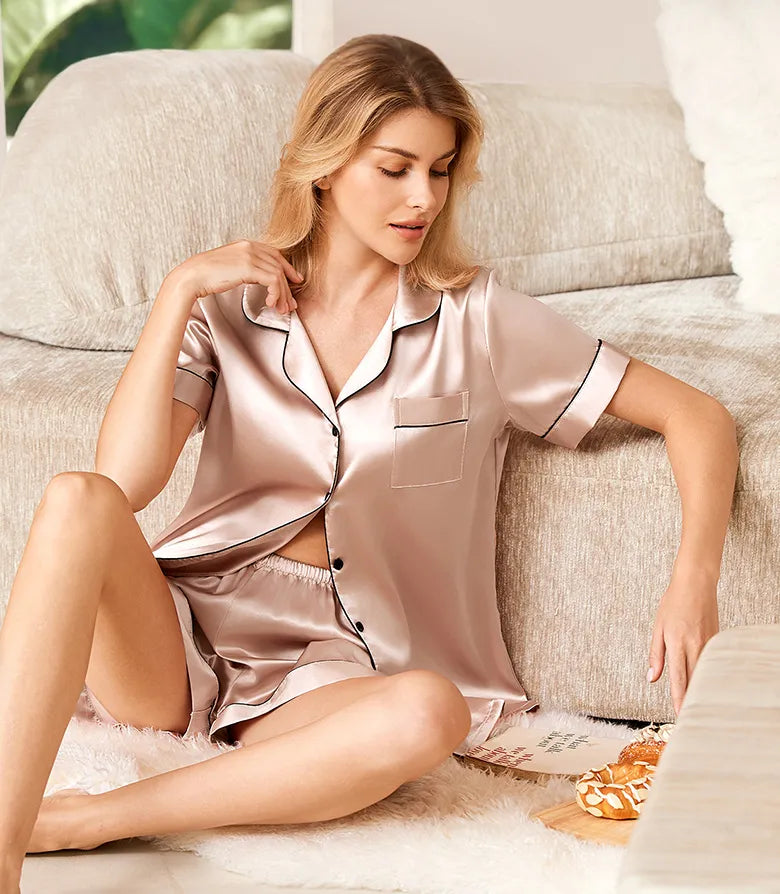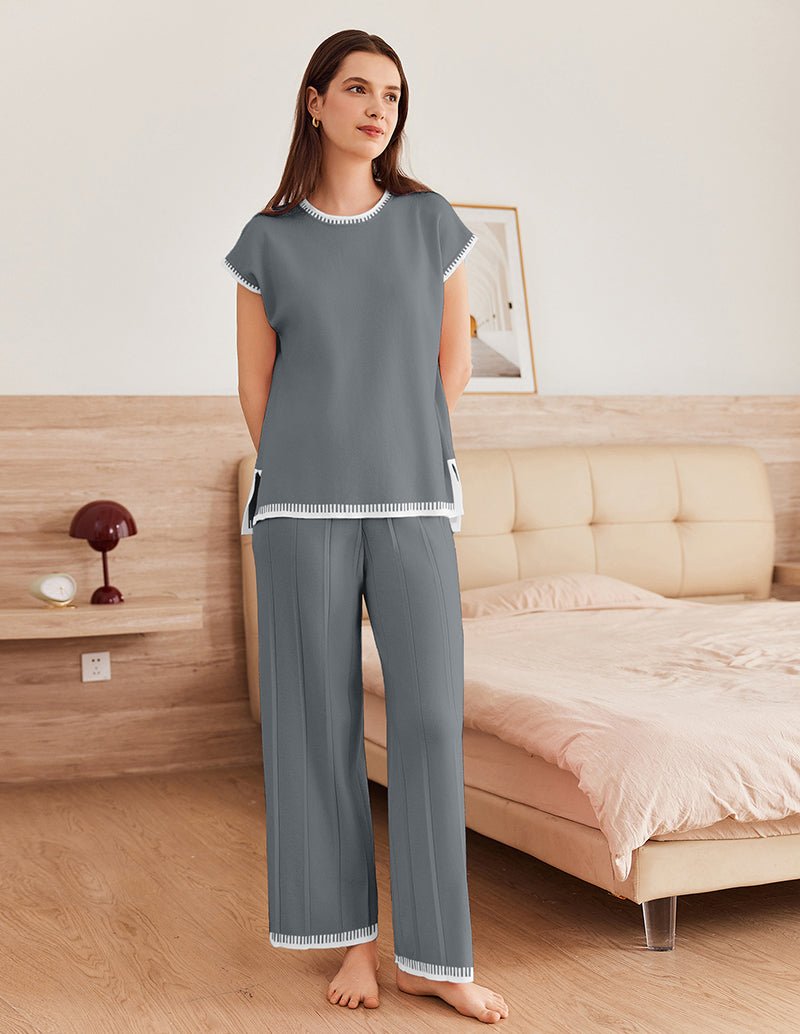
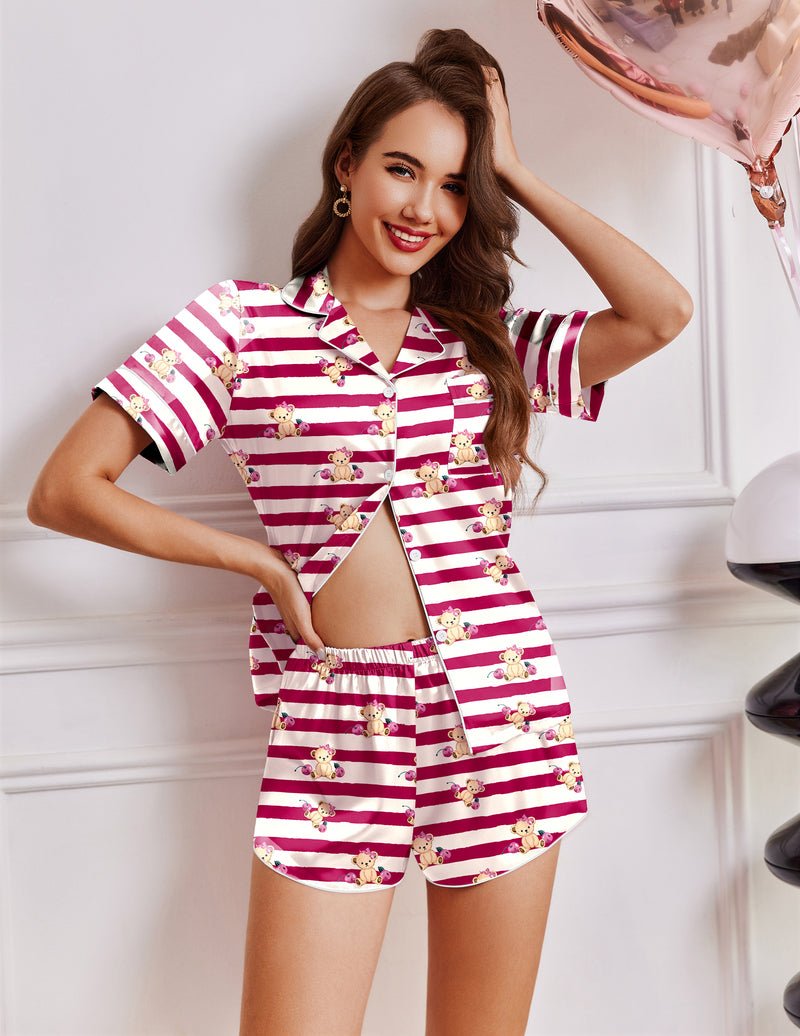
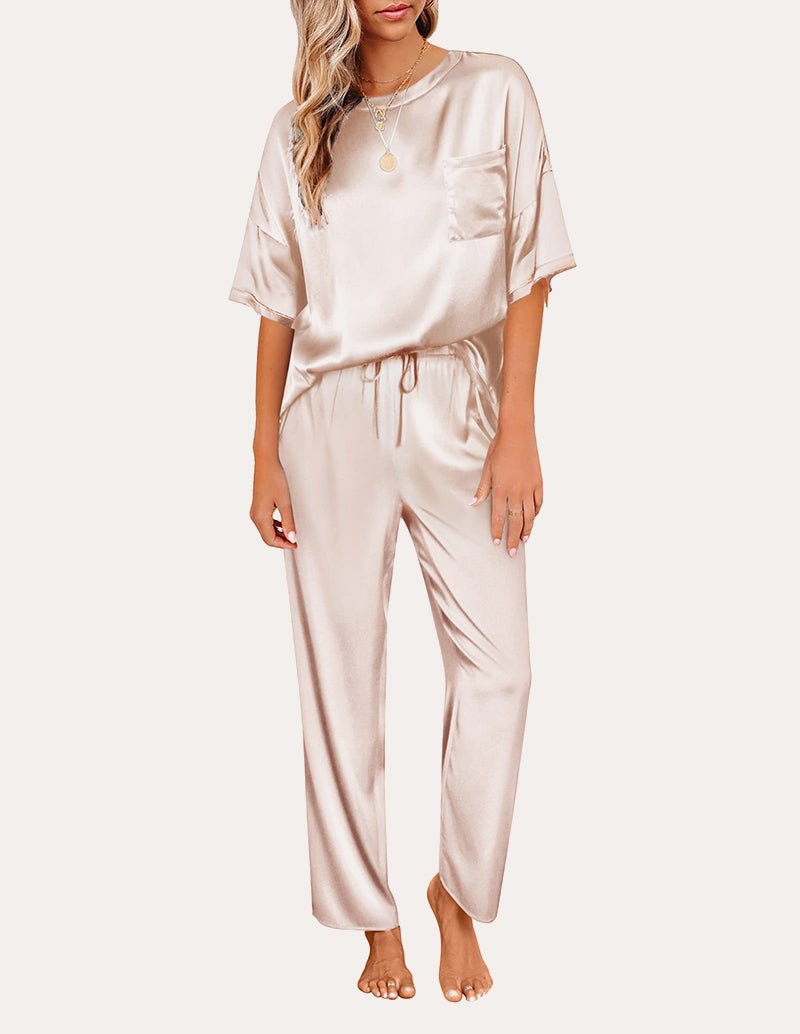
Sleepwear She'll Actually Use: How to Choose Sets Worth Wearing Every Day

Almost everyone has received sleepwear that never left the drawer, and almost everyone has owned a set that quietly became the first thing reached for after a long day. The difference between those two outcomes is rarely the price tag or the gift box. It comes down to a short list of practical qualities: how the fabric behaves against skin for hours, whether the fit survives real movement, whether the piece matches the wearer's actual evening routine, and how well it holds up in the wash. This guide works through those qualities one at a time, so the next sleepwear purchase — for yourself or for someone else — lands firmly in the "worn every week" category rather than the "worn once" one.

The Difference Between Sleepwear That Gets Worn and Sleepwear That Sits in a Drawer
Wardrobe audits tend to reveal a pattern. The sleepwear that gets worn constantly usually shares a few traits: it is soft on the inside seams as well as the outside, it is easy to pull on without thinking, it works for more than one activity (sleeping, lounging, answering a late email), and it looks acceptable if someone rings the doorbell. The pieces that sit unused tend to fail on at least one of those counts — a scratchy lace trim, a cut that rides up in bed, a fabric that only suits one narrow occasion.
That list of traits is also a useful filter when shopping. Before buying any sleepwear for women in your household, it is worth asking four blunt questions. First, will this be comfortable after six hours, not just six minutes in a fitting-room mirror? Second, can the wearer move normally in it — sit cross-legged, reach a high shelf, curl up on a sofa? Third, does it match how evenings actually go in that home, whether that means a hot shower, an hour of reading, or falling asleep mid-episode? Fourth, will it still look and feel the same after its tenth wash? Sleepwear that passes all four questions has earned its place; sleepwear that fails even one usually ends up as a drawer decoration.
Fabric First: What Breathability, Stretch, and Weight Feel Like Day to Day
Fabric choice is the single biggest predictor of daily wear. Three properties matter most in practice, and each one feels different on the body.
Breathability decides whether a set works across seasons. Knit fabrics with an open, textured structure — waffle knits and ribbed knits are the classic examples — trap small pockets of air that insulate without sealing heat in, which is why they feel warm on a cold floor at 6 a.m. yet rarely stifling under a duvet. Smoother knits and modal blends drape closer to the skin and feel cooler, which suits warm sleepers and heated winter rooms alike.
Stretch determines whether a set survives real movement. A small amount of elastane in the blend, or a knit construction that flexes naturally, means the shoulders of a top stay put when arms reach overhead and the waistband of pants does not dig in when sitting. Non-stretch wovens can be beautiful, but for everyday sleepwear the forgiving hand-feel of a knit is usually what converts a purchase into a habit.
Weight is the quiet variable. Lightweight sets suit layering — a short-sleeve top in summer, the same set under a robe in winter — while mid-weight knits work as standalone pieces for most of the year. Heavier fleece has its place in deep winter, but as an all-season default, mid-weight is the safer bet for someone whose bedroom temperature changes with the heating schedule.
Texture deserves its own mention because it is felt constantly. Waffle knit, named for its dimpled grid, adds gentle tactile interest and a hint of structure; ribbed knit stretches and recovers, hugging without squeezing. Neither needs embellishment to look considered, which is part of why both have become the default look of modern loungewear. If a fabric feels pleasant in the first ten seconds of wear and stays pleasant in hour three, it is a keeper.

Fit and Sizing: The Details That Decide Comfort
The most common reason well-made sleepwear goes unworn is fit that is almost right. A few specific details separate an "almost" from a "yes."
Shoulders and sleeves: on a long-sleeve top, the shoulder seam should sit at the edge of the shoulder, not drooping down the arm. Dropped shoulders are a deliberate style and fine, but accidental droop means the sleeve cuffs drift down over the hands during sleep, which many people find annoying enough to abandon the top.
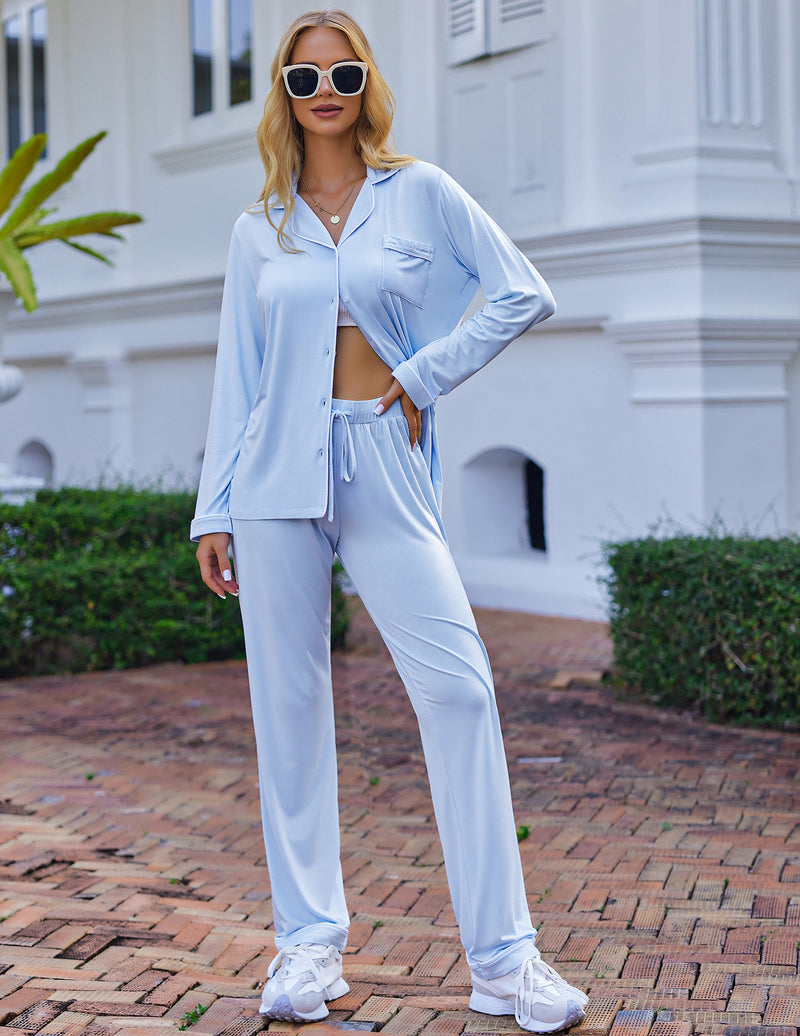
Waistbands: a covered elastic waistband with a drawstring is the most forgiving combination, because it can be loosened after dinner and snugged for a morning walk. Drawstrings that are long enough to tie without fishing for the ends are a small detail that gets noticed every single day.
Lengths: pajama pants that end at the ankle rather than pooling on the floor stay out of the way of slippers and stairs. Shorts should hit mid-thigh for the best balance of coverage and air flow. A top that covers the waistband in front and back when standing stays tucked-in-feeling through the night.
Pockets: often dismissed as unnecessary in sleepwear, pockets are one of the most cited reasons people reach for a lounge set over a traditional pajama set — they carry a phone from sofa to kitchen to bedroom. A set with real, usable side pockets simply gets worn more.
Sizing guidance: when a brand's chart puts measurements between sizes, the more relaxed size usually suits sleepwear better, because ease of movement is the point. Shrinkage-prone cottons argue for the same choice. Checking whether a product page lists the model's height and the size worn gives a practical reference point that flat measurements cannot.
Matching Sleepwear to the Actual Evening Routine
The most useful question in sleepwear shopping is deceptively simple: what does the hour before bed actually look like? A set that fits the routine gets worn; one that fights it does not.
For a routine built around a hot shower and an early night, a lightweight knit set with a short sleeve or a camisole option prevents overheating under the duvet. For evenings that end on the sofa with a book or a show, a long-sleeve top and long pants in mid-weight knit cover the gap between "still active" and "asleep," and a matching robe adds a layer for answering the door. For households where the same clothing handles a slow breakfast and a mid-morning walk, a structured lounge set — the kind with a zip jacket or a crew-neck sweatshirt shape — can step outside without a costume change.
Warm sleepers and cold sleepers genuinely need different things, and neither is wrong. A warm sleeper does better with breathable knits and shorts options even in winter, relying on bedding for warmth. A cold sleeper wants the ankle-length pant and long sleeve as a base layer under a duvet, and a robe for the cold-floor minutes of the morning. Buying against this reality — rather than against the calendar season — is what makes a set a year-round regular instead of a two-month novelty.
Guests, travel, and hospital stays are also worth planning for. A presentable matching set doubles as comfortable travel wear and as something dignified to wear in a hospital chair at 3 a.m. This is unglamorous, but it is exactly the kind of real-life scenario that determines which pieces earn their keep.
Three Sets Built for Real Life
The following three sets from Ekouaer's current range cover three common routines and three price points. Availability and stock counts were checked on the product pages on November 16, 2026.


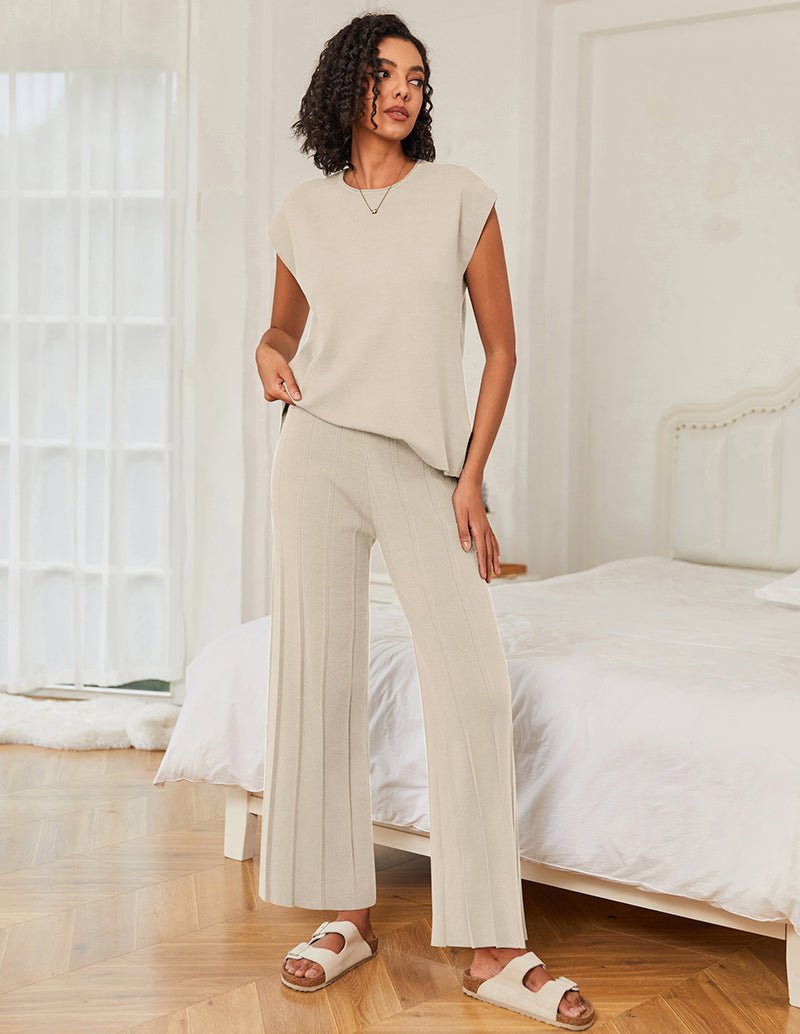
The everyday knit set — Ekouaer Knit Pajamas 2 Piece Lounge Sets, $36.99. This is the routine-matcher for people whose evenings run from dinner to sofa to bed. The short-sleeve knit top and matching pants use a soft knit that breathes, with a relaxed cut through the shoulders and an elastic, drawstring-aided waist. It comes in eight colors and a full size run from S to XXL, holds a 4.79-star average across 62 reviews, and had 31 variants in stock at the time of checking. It is the kind of set that can be bought in two colors because the first one will be in constant rotation. (See the knit two-piece here.)
The pocket-equipped waffle set — Waffle Knit Lounge Set Crew Neck Long Sleeve Top & Shorts with Pockets, $34.99. For warm sleepers, summer evenings, and anyone whose phone lives in a pocket, this crew-neck top and shorts combination in textured waffle knit is the utility pick. The shorts have real side pockets deep enough for a phone, the waffle structure keeps air moving, and with fifteen colorways and fifty-three variants — 54 in stock at checking — there is a pattern for nearly every taste, from neutrals to seasonal prints. (Browse the waffle set's colors here.)
The step-up cotton set — Simple 3-Piece Cotton Lounge Set, $79.99. When the routine includes leaving the house — school runs, coffee walks, casual errands — a three-piece cotton set earns its higher price by covering three garments in one purchase: a zip-up jacket, a tee, and pants that coordinate. The cotton body breathes like sleepwear but reads like streetwear, which is precisely the overlap that makes it useful. It is a smaller production run — only two colorways, four variants, 5 in stock at checking — and its 4.91-star average across 43 reviews suggests the people who found it are keeping it. (Check the three-piece set here.)
Each of the three suits a different rhythm, which is the point: the best sleepwear for women is not one universal garment but the set whose structure matches the hours it will actually live through.

Care and Longevity: Keeping the "New" Feeling
Nothing sends a beloved set to the drawer faster than pilling and a stretched-out collar, and both are usually laundry decisions rather than fabric failures. Four habits preserve knit sleepwear: washing in cold water on a gentle cycle, turning the garments inside out to protect the outer face of the knit, skipping the fabric softener (it coats fibers and reduces breathability), and drying flat or on low heat instead of high tumble. High heat is the single fastest way to shrink cotton and fatigue elastane.
Between washes, airing a set overnight rather than rewearing it straight from the chair keeps it fresher and reduces wash frequency, which itself extends garment life. Following the care label's own instructions matters more than any general rule — brands write them for the exact blend in the garment. And when a favorite set finally thins at the elbows, that is not a failure of the purchase; two or three years of near-daily wear is a better outcome than most "special occasion" pieces ever deliver.
Sleep Environment Matters Too
Comfortable sleepwear is one part of a system. Sleep researchers consistently point out that the bedroom environment itself shapes how restful the night feels, and Harvard Health's guidance on sleep hygiene recommends keeping the room slightly cool — around 65 to 68°F (18 to 20°C) — along with minimizing light and noise and reserving the bed for sleep. Breathable sleepwear supports that setup: a knit that lets air move helps the body settle at the cooler temperature the room is already aimed at. Pairing a sensible room temperature with mid-weight, breathable sleepwear is far more effective than piling on heavy fleece to compensate for an overheated bedroom.
A Quick Checklist Before You Buy
Read the fabric composition, not just the product name — knit blends with a little stretch forgive more than rigid wovens. Match the set's structure to the real routine: shorts for warm sleepers, long sets for sofa seasons, a three-piece for anyone who leaves the house in the morning. Look for covered elastic waistbands, usable pockets, and ankle-grazing lengths. Check the size chart against actual body measurements and size up when between sizes or when the fabric is pure cotton. Read a handful of three-star reviews, which tend to describe fit honestly in a way five-star reviews sometimes skip. Finally, confirm stock on the product page itself rather than assuming — small colorways sell out first, and the count you see is the count that exists.
Choose against those criteria and the result is predictable: sleepwear that stops being a category of clothing and starts being the uniform of every good evening at home.
Related Reading
About Ekouaer
Ekouaer is a sleepwear and loungewear brand built on a simple premise: comfortable clothing for the hours when people are most themselves. The collection spans pajama sets, nightgowns, robes, matching family sets, and lounge pieces in breathable knits, smooth satin, and easy-care cotton, sized from XS through 3XL and priced so that a second set is never a stretch. Every design is tested against the same standard this article has described — not how it looks in a gift box, but how it feels on the third consecutive evening of wear.
Ekouaer in the Press
-
Oprah Daily — The Best Pajamas for Women (accessed November 16, 2026): Oprah Daily's editors rounded up the pajama brands their own staff wear and recommend, a list where soft, well-cut sets for real nightly wear are the through line.
-
Marie Claire — Polished Pajama Sets Worth Elevating Your Sleepwear Drawer (accessed November 16, 2026): Marie Claire's shopping editor collects the two-piece sets polished enough to step outside in, echoing this guide's point that the best sleepwear crosses comfortably into daytime life.
-
People — Cooling Pajamas Made for Slow Summer Mornings and Weekend Lounging (accessed November 16, 2026): People's shopping writer, a self-described hot sleeper, tested lightweight sets built for sleeping and slow mornings alike — including Ekouaer's bamboo cooling pieces — with everyday wearability as the test that matters.
-
Southern Living — The Best Gifts for Homebodies (accessed November 16, 2026): Southern Living's gift editors selected pajama sets specifically for usefulness and versatility, judging sleepwear by whether it will genuinely be worn — the same standard applied throughout this guide.