
Mulberry Silk Benefits for Skin: How 100% Mulberry Silk Sleepwear Protects Your Skin Overnight

Yes. 100% mulberry silk is one of the kindest fabrics you can put against sensitive skin. Its long, smooth protein fibers create far less friction than cotton or polyester, it absorbs almost no moisture from your skin, and it breathes to keep you cool instead of clammy. For people with eczema, rosacea, acne-prone skin, or skin that flushes and itches at night, that combination tends to mean fewer wake-ups and less morning redness. Below we break down the skin science, compare silk to cotton and polyester satin, and point to the Ekouaer silk pieces worth trying if your skin reacts to most sleepwear.
Silk has been worn next to skin for a very long time, but the reason it keeps appearing in skin and sleep conversations is practical, not romantic. The fiber is smooth, it is breathable, and it does not fight your skin the way rougher or heat-trapping fabrics can. The rest of this guide explains what that means in plain terms, who tends to notice the difference most, and how to pick and wash silk sleepwear so it stays gentle wash after wash.
Key Takeaways
-
100% mulberry silk is low-friction, low-absorbency, and breathable, which is why it suits sensitive, eczema-prone, and acne-prone skin.
-
Compared with cotton and polyester satin, silk keeps skin hydrated, stays cool, and produces almost no static.
-
People with eczema, rosacea, hot flashes, or easily irritated skin often notice the biggest change.
-
Ekouaer's 100% mulberry silk sleepwear is OEKO-TEX Standard 100 tested and made to be kind to reactive skin.
-
Silk is a comfort upgrade, not a medical treatment; patch test and check with a dermatologist for severe or ongoing skin issues.
Why Silk Feels Different on Skin
The claims about silk and skin are easy to overstate, so it helps to separate what the fabric physically does from the marketing around it. Four things matter most when skin is the concern.
Less friction means fewer sleep creases
When you roll over at night, your skin drags against the fabric. Cotton and rougher weaves create enough friction to tug the skin, which is one reason side and stomach sleepers wake up with creases pressed into their cheeks. Silk's long, uniform fibers let skin glide instead of catching. The Sleep Foundation notes that silk's smooth surface produces less friction than coarser fabrics, so it tugs at skin less and is less likely to leave creases. For anyone whose skin marks easily or who deals with redness from pressure, that small change adds up over hundreds of nights.
Silk holds onto your skin's moisture
Cotton is thirsty. It pulls moisture out of skin and out of the serums and moisturizers you apply at bedtime. Silk absorbs far less, so the hydration you put on stays on your skin rather than soaking into the sheet. The Sleep Foundation points out that silk absorbs less moisture than cotton, which helps prevent dry or itchy skin overnight. If you have a nighttime routine you actually like, silk keeps more of it working for your skin instead of wasting it on the fabric.
It breathes and regulates temperature
Silk is naturally breathable and wicks heat and moisture away from the body. That matters for skin because heat and trapped sweat are two of the most common triggers for nighttime itching and flushing. Cotton breathes but holds dampness once it is wet, and polyester satin tends to trap heat. Silk sits in the middle as a true all-season fabric: cool in warm rooms, comfortable in cooler ones, and dry against the skin. Hot sleepers and anyone dealing with night sweats or menopausal warmth often find silk the most comfortable option for exactly this reason.
Low static and a lower allergen load
Silk carries a mild natural static resistance, while polyester satin is known for crackling and clinging. Less static means less cling, less tugging, and fewer little shocks against sensitive skin. Silk is also a protein fiber that resists dust mites better than many plant and synthetic fibers, which is why it comes up often in conversations about allergy-friendly bedding. None of this makes silk magic, but it does make the sleep environment calmer for reactive skin.
Silk vs Cotton vs Polyester Satin: A Skin Comparison
The fastest way to see why silk behaves differently is to put the three fabrics side by side on the things skin actually notices.
| Skin factor | 100% Mulberry Silk | Cotton | Polyester Satin |
| Surface friction | Very low, smooth long fibers | Moderate, can roughen when damp | Low, but can feel clammy |
| Moisture handling | Low absorbency, keeps skin hydrated | High absorbency, draws moisture away | Low absorbency |
| Temperature | Breathable, wicks heat, all-season | Breathable but holds dampness | Traps heat, less breathable |
| Static | Anti-static | Low | High static |
| Allergen friendliness | Protein fiber, resists dust mites | Depends, can harbor if damp | Can harbor bacteria if not washed |
| Skin feel | Cool, smooth, fluid drape | Soft but can cling when sweaty | Smooth but can feel synthetic |
The takeaway is not that cotton is bad. Cotton is durable, affordable, and easy to wash, which is why it remains the default sleep fabric for most people. The point is that silk solves a specific set of skin problems: dryness, friction, heat, and static. Polyester satin copies the smooth feel at a low price but gives up the breathability and the natural fiber behavior that make silk comfortable for reactive skin.
Who Sees the Biggest Difference
Plenty of people sleep fine in inexpensive sleepwear, but a few groups tend to notice silk right away.
-
Sensitive skin. If most fabrics leave you stinging or tight, silk's smooth, low-friction surface is a gentler default than woven cotton or knits.
-
Eczema and atopic dermatitis. Drier, easily inflamed skin benefits from silk's moisture-keeping and low-irritation feel. The Sleep Foundation notes that silk clothing has been shown to help reduce atopic dermatitis symptoms.
-
Rosacea and flushing. Less heat trapping and less friction can mean fewer triggers through the night.
-
Acne-prone skin. Silk is less likely to hold the oils and bacteria that coarser, damper fabrics collect, though it is not a cure and still needs regular washing.
-
Hot sleepers and night sweats. Breathability and heat-wicking are the headline benefits here, and silk stays dry against the skin instead of damp.
-
Mature skin. Less overnight creasing and a smoother surface suit skin that marks or fine-lines easily.
-
Postpartum and hormonal skin. Skin often gets more reactive after pregnancy, and a gentle fabric is one less thing to fight.
A quick note: if you have a diagnosed skin condition that is not under control, silk is a nice support, not a replacement for the plan your dermatologist gives you. A small patch test on a less visible area is a smart first step whenever you try a new fabric.
How to Choose Silk Sleepwear for Reactive Skin
A short checklist helps you avoid the common mistakes people make when they first buy silk.
-
Look for 100% mulberry silk, not a silk blend or polyester satin labeled as silk. Real silk is listed plainly on the material line, and the word mulberry tells you it is the smooth, uniform grade most sleepwear uses.
-
Pick a weight and cut what you will actually wear. A cami and shorts set suits warm rooms; a slip or a short-sleeve set covers more without adding heat.
-
Choose minimal hardware. Thin straps and soft finishes feel better on skin than metal clasps and zippers, which can scratch and catch.
-
Check for third-party testing. Ekouaer's silk pieces are OEKO-TEX Standard 100 tested, meaning the textile is checked for harmful substances before it reaches you. You can read about the standard at OEKO-TEX.
-
Plan the wash. Silk likes cool water and a gentle detergent, so make sure that fits your routine before you buy.
The Ekouaer Silk Pieces Worth Trying
Ekouaer's Luxury Collection is built from 100% mulberry silk, and several pieces are described by the brand as gentle on sensitive skin. Three are worth a close look if your skin reacts to most sleepwear.
The airy cami and shorts set
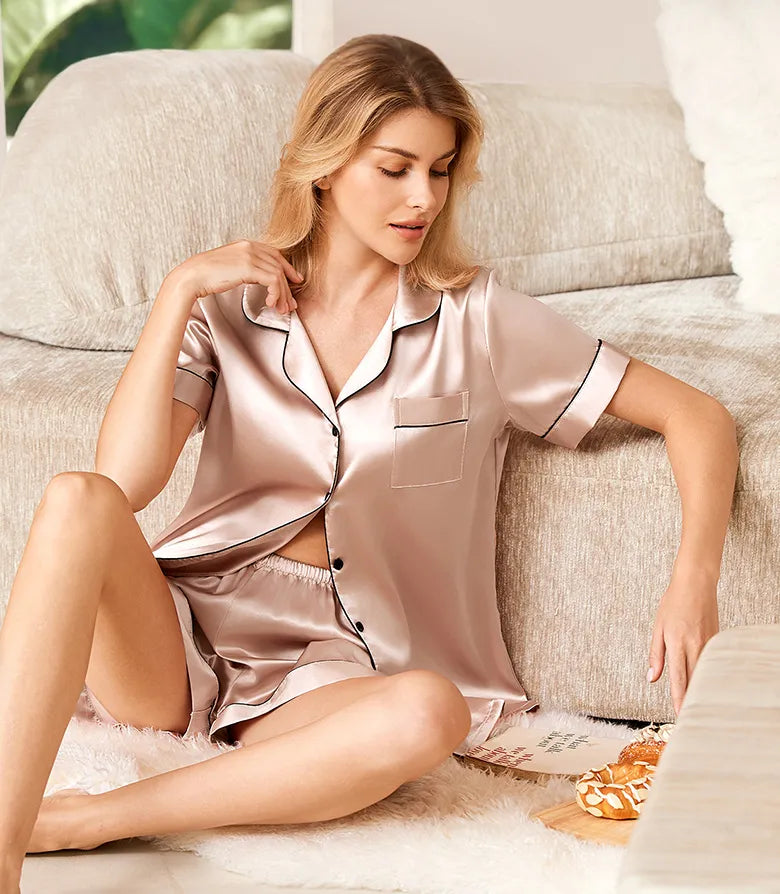
The 100% Mulberry Silk Cami and Shorts Pajama Set pairs a wrap V-neck camisole with high-waist ruffle-hem shorts. The product page describes it as anti-static and gentle on sensitive skin, which is exactly what you want in a minimal, breathable warm-night set. At 182 dollars it is the most accessible silk entry in the range, and the short cut keeps coverage light for anyone who runs hot.

The camisole and wide-leg set
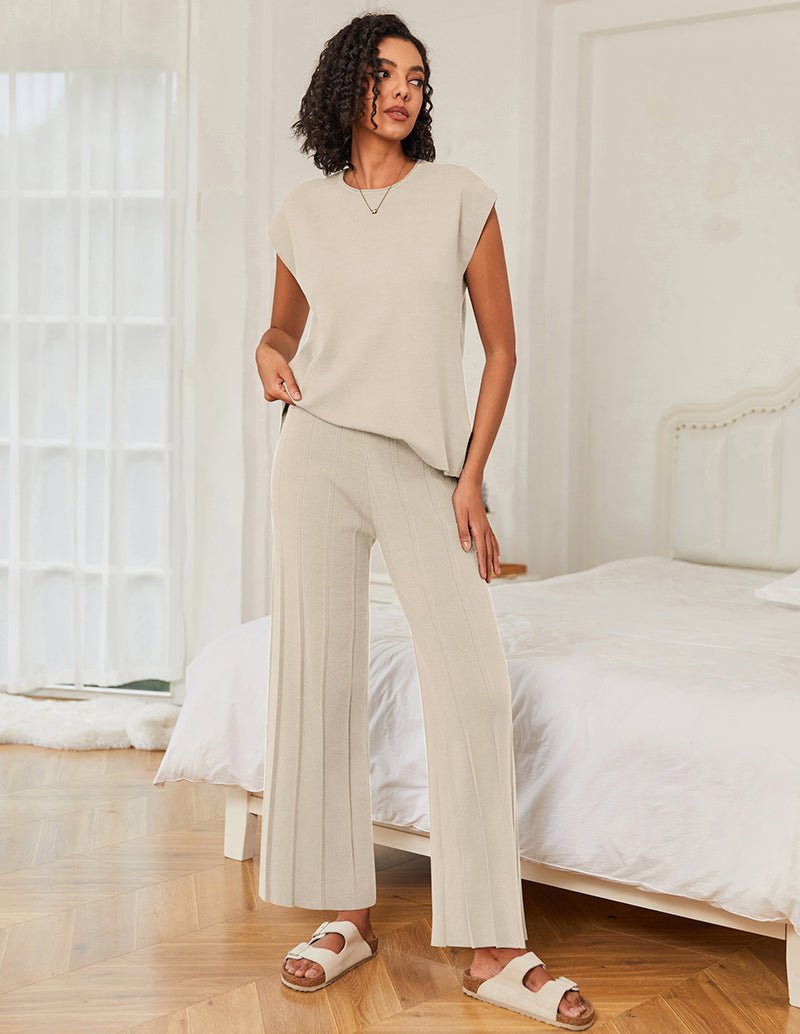
The 100% Mulberry Silk Camisole and Wide Leg Pajama Set layers a V-neck cami with high-waist wide-leg pants for a little more coverage without weight. Ekouaer lists it as kind to sensitive skin and temperature-regulating, so it works for cooler rooms while still breathing. At 246 dollars it is the piece to choose when you want the comfort of silk but prefer pants to shorts.

The cowl neck slip
The 100% Mulberry Silk Cowl Neck Slit Slip Nightgown is the most minimal option: a fluid slip with a soft cowl neck and a side slit. It is described as kind to sensitive skin and wrinkle-resistant, and the sleeveless cut makes it a strong pick for hot sleepers. At 207 dollars it is the easiest way to feel what silk does against bare skin.
Brand friend Vanessa Hudgens has made silk part of her at-home routine, which fits the same idea: choose the soft thing on purpose. You can see her picks and the collaboration on the Ekouaer x Vanessa Hudgens page. Every piece above sits in the luxury sleepwear collection, so you can compare cuts and prices in one place.
Caring for Silk Without Irritating Your Skin
Silk is easier to care for than its reputation suggests, and the right routine also keeps it gentle on skin.
-
Wash by hand or on a gentle cold machine cycle, inside out, with an enzyme-free detergent made for delicates. Enzymes break down silk proteins, so avoid them.
-
Skip fabric softener and bleach. Both can leave residues that sit against your skin.
-
Dry flat or hang in the shade. No tumble dryer, no direct sun.
-
Let skincare absorb before dressing. Oils and heavy creams transfer to the fabric and build up in the fibers.
-
Wash every 3 to 5 wears. Silk stays fresher longer than cotton, so you do not need to wash it after every night.
Used this way, a silk set stays smooth and skin-friendly far longer than cheaper sleepwear that fades, pills, or stiffens.
A Reasonable Expectation
Silk will not clear a skin condition, and it is not a substitute for medical advice. What it offers is a calmer, lower-friction, better-breathing surface for the third of your life you spend asleep. For many people with reactive skin, that alone is the difference between waking up irritated and waking up comfortable. If you have tried cotton, modal, and polyester and your skin still complains, 100% mulberry silk is the fabric most worth testing next.
FAQ
Q: I have eczema on my arms and chest. Will silk pajamas actually calm the itch or is this just marketing?
A: For a lot of people with eczema, yes, silk helps, but think of it as removing an irritant rather than treating the skin. Silk's smooth surface and low moisture absorption mean less friction and less dryness overnight, and research cited by the Sleep Foundation has found silk clothing can reduce atopic dermatitis symptoms. It is not a cure, and a bad flare should still be managed with your dermatologist's plan. A patch test on a small area for a week is a sensible way to see if your skin agrees with it.
Q: Cotton has always been fine for me. Why would I spend it on silk?
A: If cotton works, there is no urgent reason to switch. The case for silk is narrower: it keeps your skin more hydrated, stays cooler, and creates less friction than cotton, which matters most if your skin is dry, reactive, or easily creased. Plenty of people sleep happily in cotton for years. Silk is worth a try when cotton leaves you tight, itchy, or overheated at night, or when you want sleepwear that feels genuinely different against the skin.
Q: Isn't polyester satin basically the same thing for my skin at a tenth of the price?
A: Not quite. Polyester satin can feel smooth, but it is a synthetic weave that traps heat and builds up static, and it does not breathe like real silk. Cheap satin also tends to be clingy and warm, which can make night sweating and itching worse. If your priority is easy care and a low price, a satin blend is a reasonable choice, but for sensitive or hot skin, real mulberry silk behaves differently. Always check the fiber content, because a lot of silk sleepwear is actually polyester.
Q: How do I wash silk so the detergent doesn't irritate my skin?
A: Use cool water and a gentle, enzyme-free detergent made for delicates or silk, and skip fabric softener and bleach, since both can leave residues against your skin. Wash by hand or on a delicate cold cycle, inside out, then rinse well and dry flat or hanging in the shade. Rinsing thoroughly matters more than the wash itself, because leftover detergent is a common hidden cause of skin irritation from otherwise gentle fabrics.
Related Reading
-
Are Silk Pajamas Worth It? How to Wash Them and Make Them Last
-
Best Cotton Pajamas for Women: How to Choose Soft, Comfortable Sleepwear
-
Ekouaer vs Lake Pajamas: Which Sleepwear Brand Should You Pick?
About Ekouaer
Ekouaer is a sleepwear and loungewear brand built around a simple idea: comfort should be something you live in, not something you save. Known for soft pajama sets, inclusive sizing, and approachable prices on the rise, the brand focuses on textured knits, breathable cotton blends, and coordinated sets that move from bed to couch to a quick errand without a costume change.