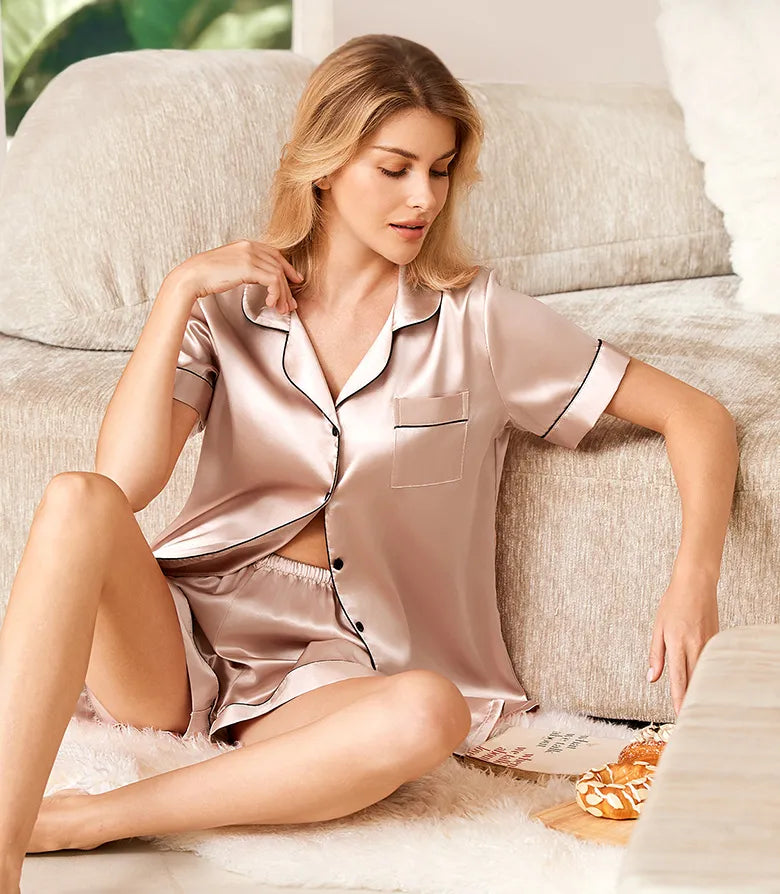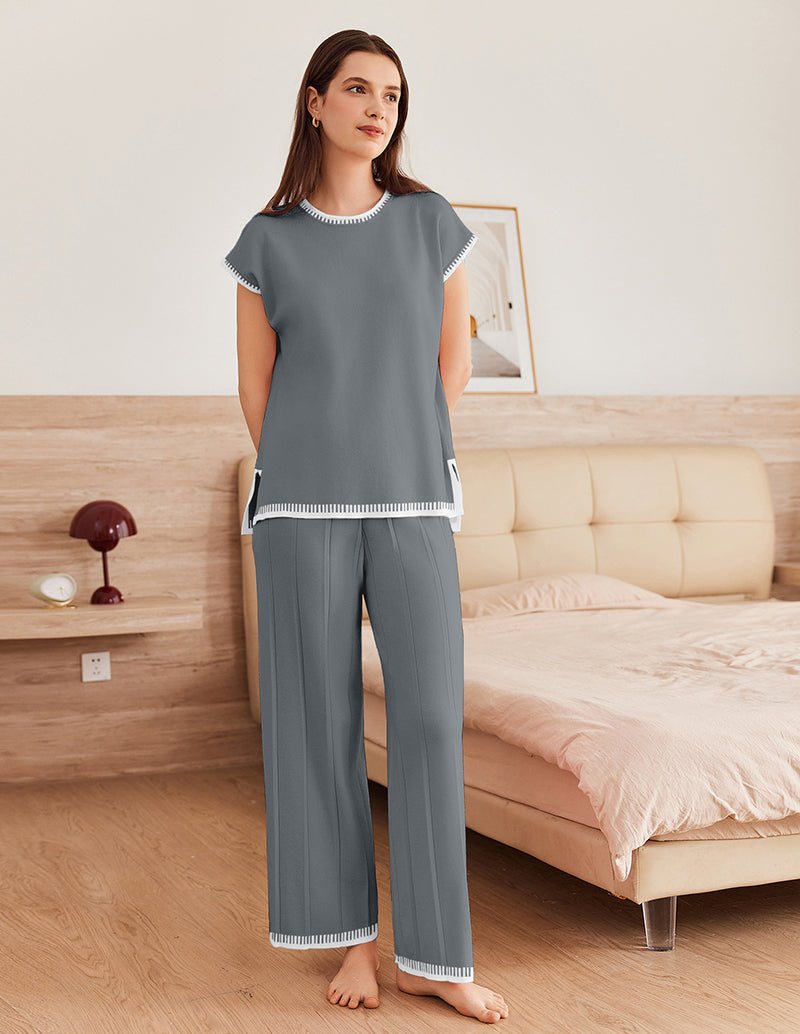
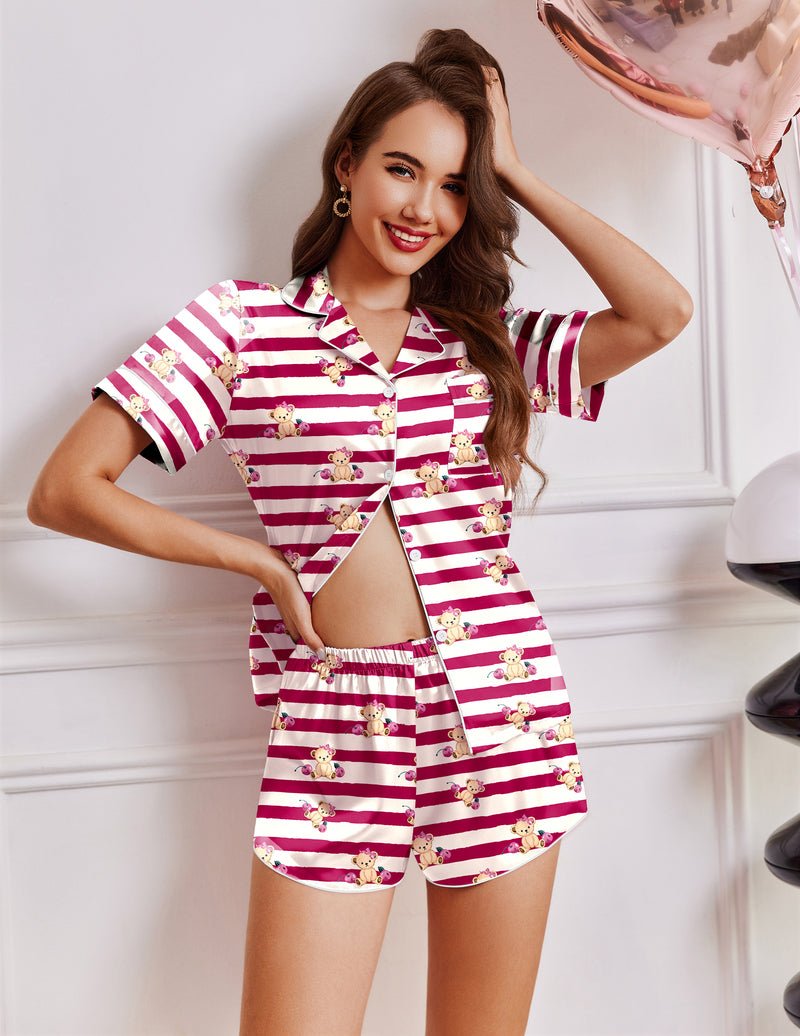
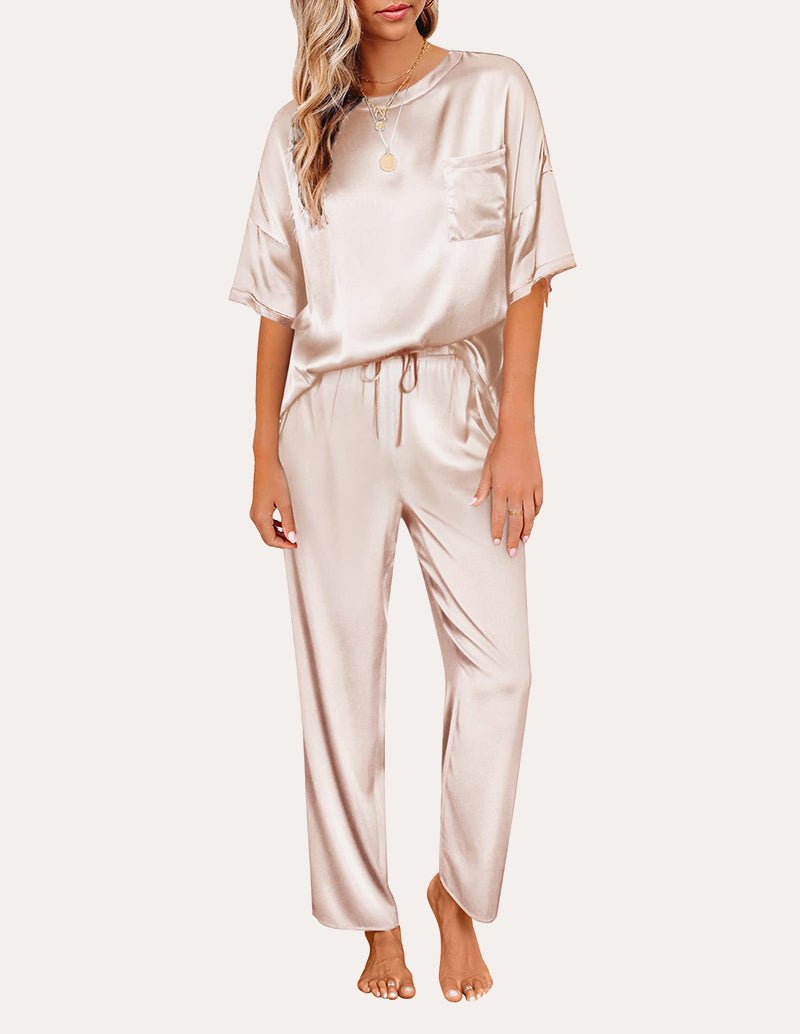
What Should Pregnant Women Wear to Bed in Winter?

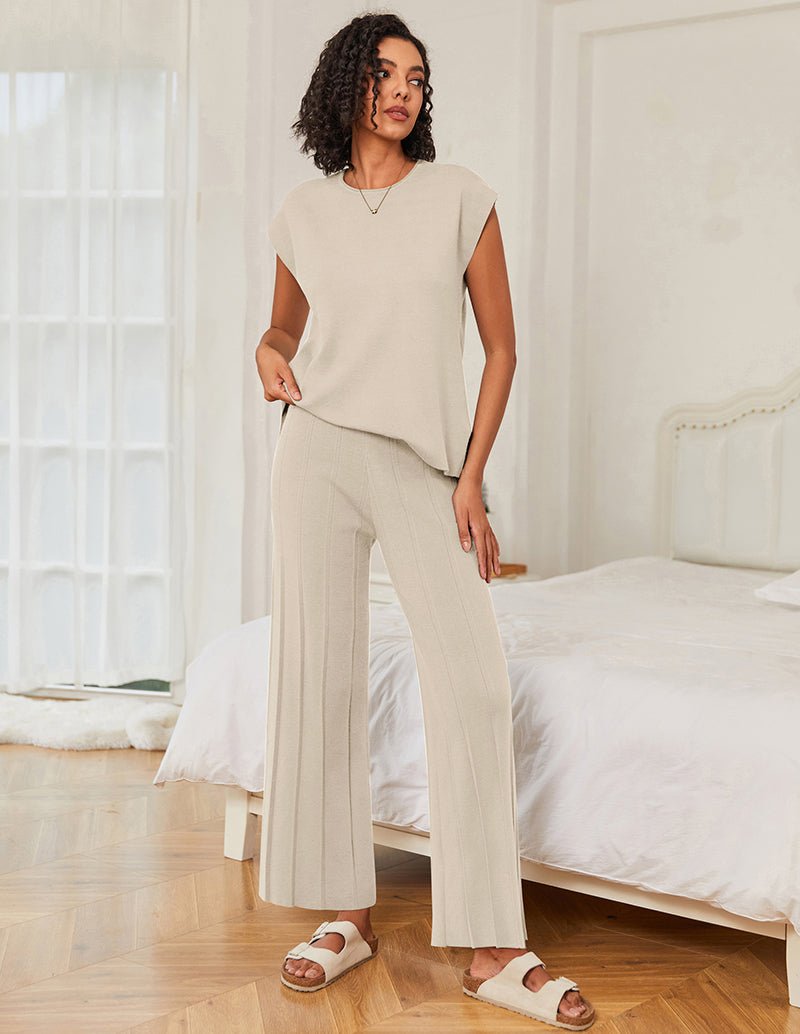
Pregnant women in winter should sleep in breathable, non-restrictive layers, a soft cotton or bamboo bralette and loose waistband bottoms, plus a knit cardigan or sleep shirt for warmth, so body temperature stays steady without compressing the belly. The goal is steady, adjustable warmth, not heavy bundling, because pregnancy already shifts how the body regulates heat. Below we go through why sleepwear needs change, which fabrics are safest, how to support the belly without tight bands, and a simple layering plan you can adjust through the night. The short version: go breathable, go loose, and build in layers you can shed, comfort follows from flexibility, not from the warmest single set.
Key Takeaways
-
Choose breathable natural fibers (cotton, bamboo, modal) over synthetics that trap heat.
-
Keep waistbands below the belly, or use fold-over bands that never compress.
-
Layer instead of one heavy set, so you can add or shed through the night.
-
Avoid trip-length hems and rough seams on skin that is already more sensitive.
-
Ekouaer's soft, tagless knit sets suit changing bodies and pair with our silk and nightgown guides.
Why Pregnancy Changes Sleepwear Needs in Winter
During pregnancy the body runs warmer at the core but often colder at the hands and feet, and hormones make temperature swing from one hour to the next. A belly that grows week by week changes which waistbands feel comfortable, and skin can get more reactive to rough seams or stiff fabric. Winter adds a third variable: the room is cold, but bundling into heavy pajamas can trigger night sweats that then leave you chilled. The right sleepwear solves all three at once, breathable where the body is hot, layerable where it's cold, and loose where the belly needs room. That is why a pregnant winter wardrobe looks less like pajamas and more like a small, adjustable system you tune through the night rather than one fixed outfit. A good rule of thumb: if you're awake adjusting clothes more than once, the layer plan needs a tweak, not a heavier set. Comfort is a dial you turn, not a single outfit you buy.
The Safest Fabric Choices

Not all fabrics treat a pregnant body the same way. The safest options breathe and let heat escape instead of trapping it:
-
Cotton — the classic safe choice: breathable, familiar, and easy to wash on repeat.
-
Bamboo — a step up in breathability and naturally gentle on sensitive or reactive skin.
-
Modal — silky-soft drape that feels luxurious against skin that tingles or itches more easily now.
-
Avoid — thick polyester fleece and non-stretch synthetics that hold heat and can make night sweats worse.
For most of winter, a cotton or bamboo base with a knit layer over it beats one heavy fleece set, because you can peel the layer off the moment you warm up. Our silk pajamas guide covers warmer evening options if your bedroom runs cold, though silk is a warmer-layer choice best saved for the chilliest nights.
Belly Support Without Tight Bands
The waistband question is the one pregnant sleepers ask most. The answer is simple: nothing should press on the belly. Three approaches work:
-
Fold-over waist — a soft band you can roll below the bump or fold down entirely; it stays put without squeezing.
-
Under-belly fit — bottoms that sit on the hips, leaving the abdomen completely free.
-
Adjustable knit — a stretch waist that grows with you week to week, no new size needed mid-season.
Skip anything with a rigid elastic line across the middle. If a waist leaves a red mark when you wake up, it was too tight for sleep. A loose, tagless band is kinder to skin and to sleep quality, and it also means one pair can carry you through several weeks of growth instead of needing a new size every month.
Layering for Temperature Swings

Layering is the real trick to winter pregnancy sleep, because it lets you match the clothes to the moment instead of the whole night. Build it from the skin out:
-
Base layer — a soft bralette or sleep bra plus breathable underwear; skip underwires entirely.
-
Middle layer — loose waistband bottoms (fold-over or under-belly) in cotton or bamboo.
-
Outer layer — a knit cardigan, sleep shirt, or lightweight robe you can throw on for a bathroom trip and shed in bed.
-
Feet — warm but non-tight socks; if feet run cold, this one addition often solves it without overheating the core.
Keep each layer thin. Three thin layers beat one thick one, because you can drop the outer two the second a night sweat hits and add them back when you cool down. For a calmer evening wind-down, the women's nightgown style guide has lighter options for milder nights when a full layer system feels like too much.
What to Avoid
A few choices make winter pregnancy sleep harder than it needs to be:
-
Tight waistbands — anything that presses the belly or leaves a mark by morning.
-
Heat-trapping synthetics — thick polyester that holds warmth and worsens night sweats.
-
Trip-length hems — floor-grazing bottoms are a fall risk on midnight bathroom runs; choose ankle or mid-calf.
-
Rough seams and tags — skin is more reactive now, so choose covered or tagless construction.
None of these are dangerous in small doses, but together they are the difference between restless and restful. Think of the list as a quick check before you buy: if a pair fails two or more points, it belongs in the daytime drawer, not the bed. The nightgown vs pajama set comparison helps if you are deciding between a loose gown and a two-piece for the same job.
Night Sweats vs Cold Feet
This is the most common puzzle: you wake drenched but your feet are ice. It happens because the core overheats while circulation cools the extremities. The fix is layering, not a heavier set, keep the core in breathable cotton or bamboo, add a light knit only when you cool, and use warm (non-tight) socks for the feet. A breathable base means the sweat evaporates instead of soaking a thick suit, so you chill less when the sweat passes. If the sweats are frequent, keep water nearby and a spare base set by the bed, a quick change beats a soaked night and a cold morning. This small habit does more for sleep quality than any single fancy fabric, and it spares you the cold shock of a damp suit at 3 a.m. Keep the spare set in the same drawer as your supplements so it's right there when you need it, and you avoid the midnight scramble that wakes you fully.
FAQ
Q: Is it safe to sleep in fluffy pajamas while pregnant?
Yes, if they breathe. Fluffy fleece that traps heat can worsen night sweats, so prefer a soft knit over thick polyester. Warmth should come from a layer you can remove, not one heavy suit.
Q: What fabric is best for pregnancy night sweats?
Bamboo or modal, with cotton a close third. All three breathe and wick gently, while synthetics tend to hold heat. Keep the layer thin and removable.
Q: Should the waistband go over or under the belly?
Under or folded below is most comfortable for sleep. Nothing should compress the belly; a fold-over or under-belly band keeps the abdomen free all night.
Q: Can I keep wearing my regular pajamas during pregnancy?
You can, as long as they still fit loosely and breathe. The moment a waistband presses the belly or a fabric traps heat, switch to a fold-over, breathable set. Comfort, not the calendar, should decide when to change, some people swap at eight weeks, others much later.
Q: How many sets do I need for winter?
Two to three breathable base sets plus one or two knit layers is plenty. Rotate them, wash on cold, and add warm socks, you rarely need a drawer of heavy pajamas, and fewer pieces means less to manage on low-energy days.
The Practical Recommendation
If you take one thing away, make it this: dress in breathable layers, not one heavy set, a cotton or bamboo base with a fold-over or under-belly waist, plus a thin knit layer and warm socks you can add or shed through the night. That single approach keeps the core from overheating, frees the belly, and settles the cold-feet puzzle without a single tight band. Start with two breathable base sets and one knit layer in soft neutrals, and winter pregnancy sleep gets noticeably easier. If one area still bothers you, usually the waist or the feet, adjust just that layer rather than the whole outfit; small, targeted changes fix most restless nights without a full redesign.
Related Reading
Related Reading
About Ekouaer
Ekouaer designs comfort-first loungewear with changing bodies in mind — soft, tagless knits in inclusive sizes from XS to 3XL, made to gentle standards and shipped to 180+ countries. The brand is recognized by Forbes Vetted, CNN Underscored, and Oprah Daily, and its Airmid Certified Comfort line and Mom's Choice recognition reflect a focus on real, everyday ease. Through the Ekouaer x Vanessa Hudgens "My Comfort Era" collaboration, Ekouaer champions comfort you can feel over anything you have to prove — clothing that adapts as life does.