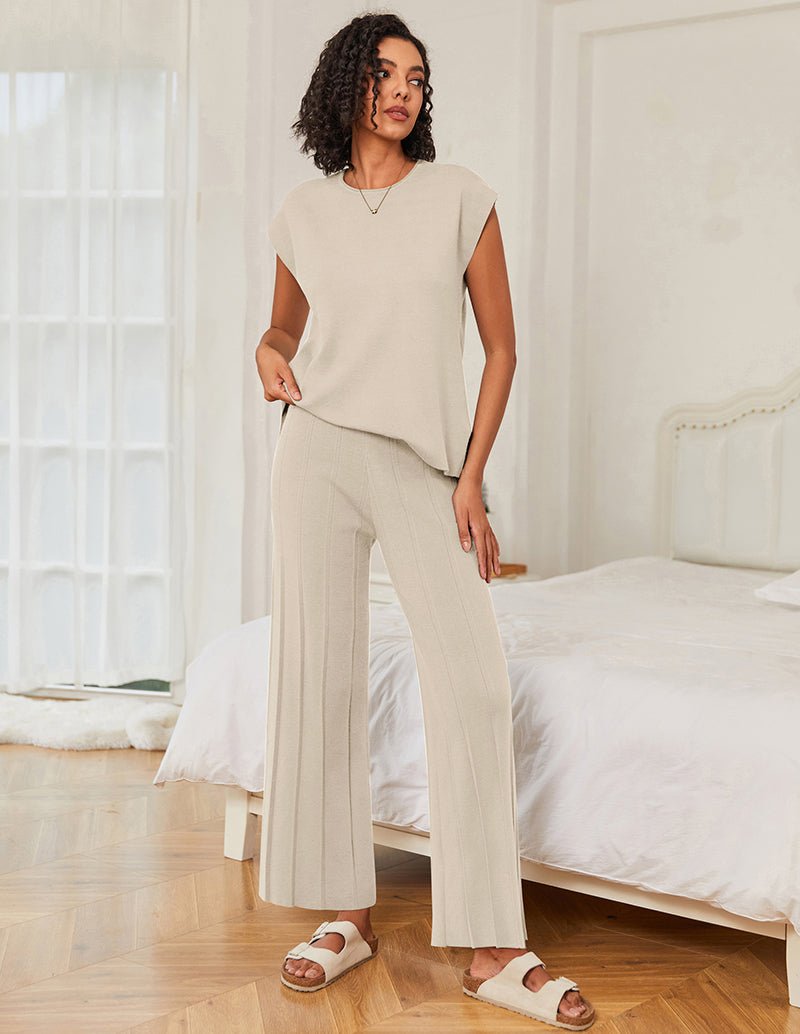
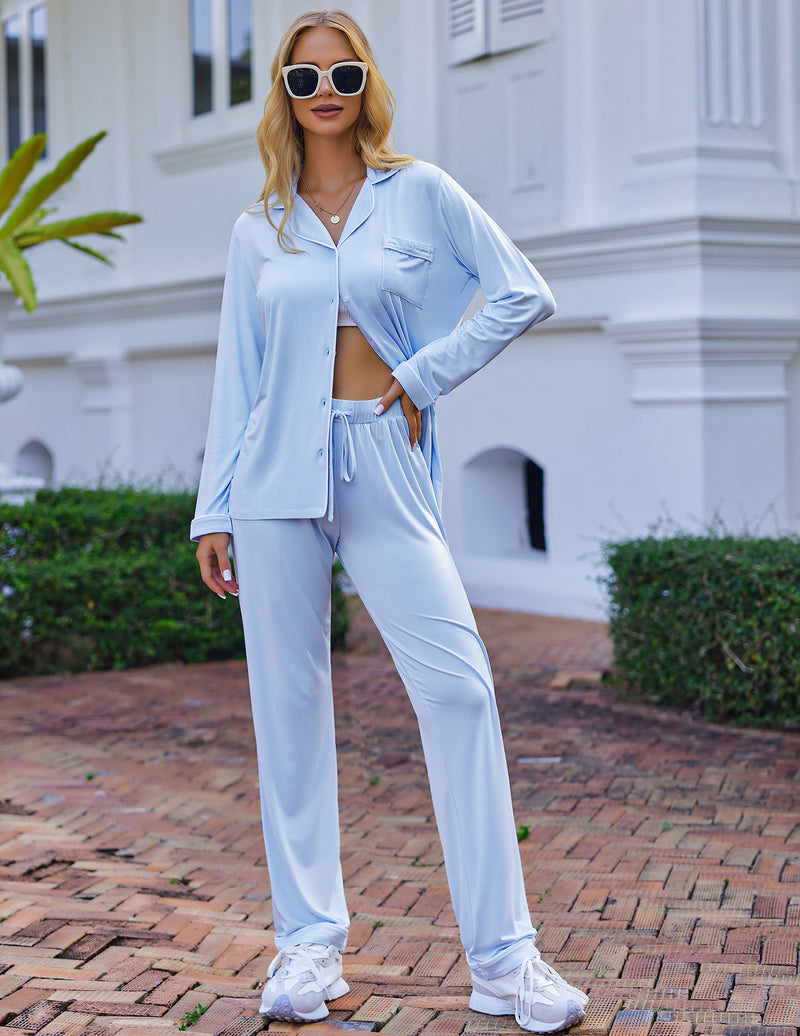
Robe With Short Sleeves: When It Works Better Than a Long-Sleeve Robe

A robe with short sleeves is not a less complete robe. It is a robe built for a different kind of morning.
Long sleeves make sense when the house is cold, the coffee is still brewing, and you want full-arm warmth. Short sleeves make more sense when your bathroom is steamy, your apartment runs warm, or you keep pushing long cuffs away from your sink, skincare, baby bottles, or hair tools.
If your robe usually comes off before breakfast because it feels hot or fussy, sleeve length may be the problem. Start with Ekouaer's robes collection, then filter by the routine you repeat most: shower, skincare, nursing, travel, or summer lounging.
The quick answer
A short sleeve robe works better than a long-sleeve robe when you need airflow, arm movement, and less fabric near your hands. It is usually the smarter choice for warm homes, summer mornings, post-shower routines, postpartum dressing, and travel.
A long-sleeve robe works better when you need warmth. That is the trade-off. One robe rarely handles both a cold January morning and a humid July bathroom equally well.
|
Choose a short sleeve robe if you want |
Choose a long-sleeve robe if you want |
|---|---|
|
Cooler wear after a shower |
Full-arm warmth |
|
Less fabric near the sink |
A cozy winter layer |
|
Easier skincare and makeup routines |
More coverage for cold rooms |
|
Better travel packing |
A heavier lounging robe |
|
Nursing or recovery-friendly movement |
Blanket-like comfort |
Why short sleeves feel easier in real life
Short sleeves solve a very ordinary problem: long robe sleeves get in the way.
They dip into sink water. They brush against moisturizer. They catch on hair tools. They bunch under your arms when you sit down. None of that sounds dramatic, but it is exactly why a robe stops feeling relaxing after five minutes.
A robe with short sleeves keeps the core covered while leaving your arms freer. That is why it works especially well when you are:
-
Washing your face
-
Applying body lotion
-
Drying your hair
-
Making coffee
-
Packing a suitcase
-
Nursing or pumping
-
Getting ready before work
-
Moving around a shared home
Reddit loungewear discussions, like this Female Fashion Advice thread on favorite loungewear brands, often come back to practical details: fabric weight, washability, and whether something still feels good during actual wear. Short sleeves belong in that same conversation because robe comfort is usually decided by routine, not by product photos.
The best moments for a short sleeve robe
Warm mornings
If your home often sits above 70 degrees Fahrenheit, a long-sleeve robe can feel like too much fabric. A short sleeve robe gives you coverage without trapping as much heat around the arms.
This matters most in summer, humid climates, dorm rooms, apartments with strong heat, or homes where the bathroom stays warm after a shower.
The Sleep Foundation notes that bedroom temperature can affect sleep quality, and many people sleep better in cooler conditions. If your room already runs warm, a lighter robe is usually easier to live with. You can read their guidance on sleep temperature in this Sleep Foundation bedroom temperature guide.
Post-shower routines
A short sleeve robe is useful after a shower because it keeps fabric away from damp forearms and sink edges. If you towel off first, then wear the robe for skincare or hair drying, short sleeves can feel much less clammy than long sleeves.
For this use case, fabric matters. A light waffle texture or breathable knit works better than thin satin if you need a little moisture handling. Ekouaer's Lightweight Waffle Zip Up Robes Dress is not a true short sleeve robe, but its 3/4 sleeve and zipper design show why sleeve clearance and secure closure matter for bathroom routines.

Nursing, pumping, and recovery
Short sleeves can be easier during postpartum recovery because they reduce arm restriction. A front-opening robe also avoids overhead dressing, which can be helpful when your body is sore, changing, or healing.
For nursing or pumping, closure matters more than decoration. Look for soft fabric, a secure wrap or zipper, and enough front overlap to sit comfortably. If postpartum wear is the main goal, compare robe options with pieces like the Premium Soft Nursing Gown and Robe Set, which is designed around easier access and softer recovery wear.
If you are thinking about skin-to-skin time, front-opening layers are also more practical than pullovers. The World Health Organization has long discussed skin-to-skin contact as part of newborn care, especially for warmth, bonding, and feeding support, which is one reason easy-opening clothing can matter in the early weeks.

Travel and hotel stays
Short sleeve robes pack smaller than plush long-sleeve robes. They also work better in hotel rooms, where the temperature can swing between too warm and too cold.
For travel, choose:
-
A knee-length or above-knee robe
-
A fabric that does not wrinkle badly
-
Pockets deep enough for a phone
-
A closure that will not come undone while walking
-
A color that can layer over more than one pajama set
Pairing a short sleeve robe with one or two lightweight pajama sets gives you more outfit combinations than packing one heavy robe.
Fabric changes everything
A robe with short sleeves can feel cool, polished, absorbent, or clingy depending on the fabric. Sleeve length helps, but fabric decides the final feel.
|
Fabric |
Best for |
Feel |
Watch out for |
|---|---|---|---|
|
Lightweight knit |
Daily lounging, warm rooms |
Soft with gentle stretch |
May cling if too thin |
|
Waffle knit |
Post-shower wear, spa feel |
Textured and breathable |
Can shrink if dried hot |
|
Satin-feel fabric |
Getting ready, travel |
Smooth and cool |
Low absorbency |
|
Cotton blend |
Everyday wear |
Familiar and breathable |
Check shrinkage guidance |
|
Modal blend |
Sleepwear layering |
Drapey and soft |
Can feel too light for shared spaces |
|
Fleece |
Cold mornings |
Warm and plush |
Usually too hot for summer |
This is where labeling matters. The FTC explains that textile labels should identify fiber content and other key information, so it is worth checking the actual label when your robe arrives. Their textile labeling guide is a helpful reference for understanding fabric claims.
How a short sleeve robe should fit
A summer robe should skim the body without pulling at the bust, hip, or shoulder. If the front barely overlaps while you stand, it will gap when you sit.
Check these details before keeping it:
-
Shoulder fit The shoulder should sit naturally without pulling forward.
-
Front overlap You want enough wrap or zipper coverage to sit, bend, and reach without adjusting constantly.
-
Sleeve opening The sleeve should allow movement without flaring so wide that it feels exposed.
-
Length Knee-length works for most daily routines. Mid-calf gives more privacy. Shorter lengths pack better.
-
Pockets Pockets should hold a phone without dragging the robe open.
-
Closure An inner tie plus outer belt is best for wrap robes. A zipper is better if you dislike belt fuss.
For a true short sleeve housecoat style, the Zipper Front Bathrobe Short Sleeve House Long Nightgown is the closest match in the Ekouaer robe assortment. It makes the most sense for shoppers who want secure coverage, pockets, and easier movement around the house.

When long sleeves are still better
Short sleeves are not automatically better. They are better for a specific job.
Choose long sleeves if you:
-
Live in a cold home
-
Want a winter robe
-
Prefer full-arm coverage
-
Wear robes mainly at night
-
Want a plush, blanket-like feel
A long-sleeve robe such as the Ekouaer Classic Robes with Belt is a better fit when warmth matters more than sleeve clearance. This is why many women do best with two robes: one light short sleeve robe for daily warm-weather routines and one heavier robe for cold mornings.

Care tips for short sleeve robes
A robe you wear four mornings a week needs easy care. If it is annoying to wash, it will not stay in rotation.
Follow the care label first. The FTC's care labeling guide explains why wash and dry instructions matter for garment care.
For most short sleeve robes:
-
Wash with similar soft items
-
Avoid overloading the washer with towels or jeans
-
Use cool water for cotton-rich or soft knit robes
-
Use a laundry bag for satin-feel fabrics when possible
-
Avoid high heat unless the label allows it
-
Hang the robe open after shower use
-
Keep belts loosely tied during washing so they do not disappear
If skin sensitivity is a concern, you can also look for textile safety references such as OEKO-TEX Standard 100, which relates to testing textiles for certain harmful substances.
The bottom line
A robe with short sleeves is best when your robe needs to move with you. It is cooler, easier at the sink, better for warm mornings, simpler for travel, and often more practical for postpartum or nursing routines.
Choose short sleeves for airflow and movement. Choose long sleeves for warmth. If you already own a robe that looks cozy but feels annoying after ten minutes, a shorter sleeve may be the small change that makes the robe useful again.
Start with Ekouer's robes collection, then compare sleeve length, fabric, closure, and robe length before choosing color.
FAQ
Q: Is a robe with short sleeves only for summer?
A: No. It is best in summer, but it can work year-round in warm homes, heated bathrooms, dorms, hotels, and postpartum rooms.
Q: Can I wear a short sleeve robe after a shower?
A: Yes, especially if you towel off first. Choose waffle, cotton blend, or breathable knit if you want light post-shower comfort. Satin-feel robes are better for getting ready than absorbing moisture.
Q: Does a short sleeve robe look less polished?
A: Not if the fabric and fit are right. A knee-length robe with clean closure and good drape can look neater than an oversized plush robe with damp cuffs.
Q: What is the best length for a short sleeve robe?
A: Knee-length is the easiest for daily use. Mid-calf gives more privacy for shared homes or guest stays. Shorter robes pack better for travel.
Q: Is a short sleeve robe good for nursing?
A: It can be. Look for a front-opening design, soft fabric, easy closure, and enough overlap to stay covered while seated.
Q: Should I size up in a short sleeve robe?
A: Size up if you are between sizes, want more front overlap, or plan to wear thicker pajamas underneath. Stay true to size if the size chart already gives enough bust and hip room.
Related Reading
About Ekouaer
Founded in 2014, Ekouaer makes sleepwear and loungewear with an emphasis on functional design and fabric safety. All fabrics carry OEKO-TEX Standard 100 certification — independently tested to be free of harmful substances, meeting requirements for skin-contact textiles. Products have been featured in CNN Underscored, Forbes, and TODAY.com.