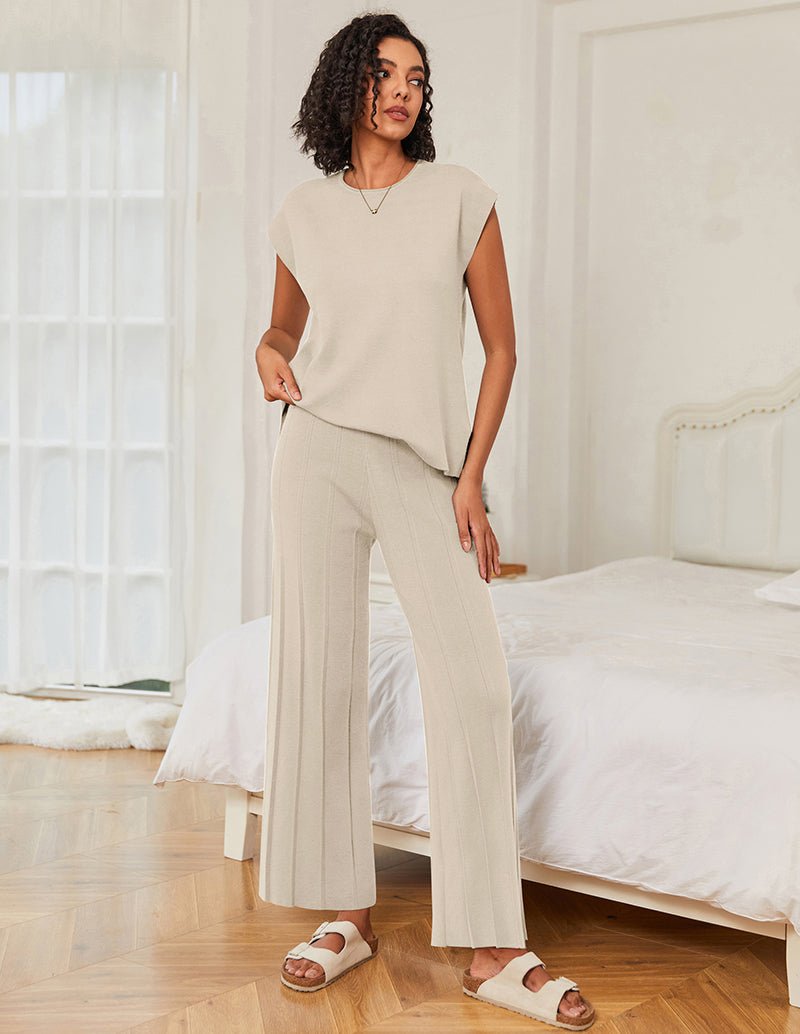
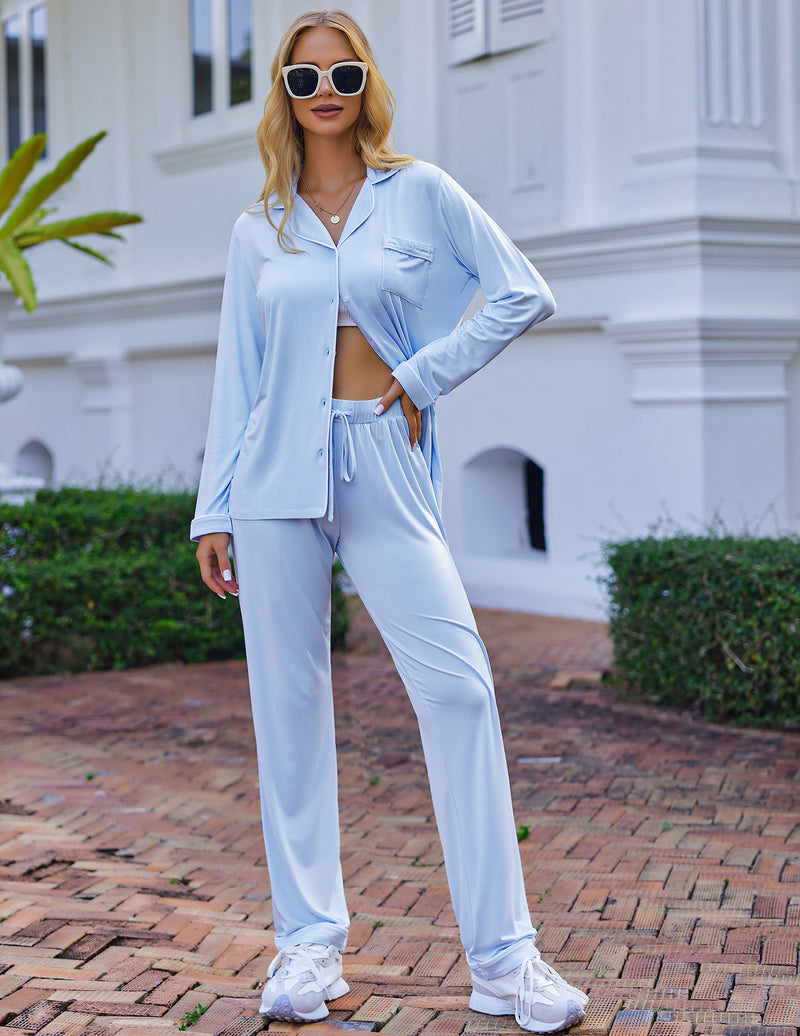
Warmest Pajamas for Cold Sleepers This Winter
The warmest pajamas for winter pair a heat-holding fabric with a close, non-bulky cut, so a cold sleeper stays warm without drowning in fleece. The short list is fleece and flannel for maximum heat, thermal knit for warmth without weight, and silk or merino for people who run warm but still want cozy. This guide ranks the fabrics, explains how GSM weight and brushed interiors trap heat, and shows which details actually move the needle when the thermostat drops.

Key Takeaways
-
Warmth comes from three things: the fiber, the fabric weight (GSM), and a brushed or fuzzy interior that traps air.
-
Fleece and flannel hold the most heat and suit true cold sleepers, while thermal knit warms without the bulk.
-
Silk and merino wool warm gently and breathe, which is better for people who overheat at night.
-
A close but not tight cut traps a warm layer of air better than a loose, drafty one.
-
Care matters: gentle cold washes and air drying keep the insulating pile intact season after season.
What Makes a Pajama Warm
Heat escapes from skin two ways: straight into cold air, and into any fabric that pulls it away. The warmest pajamas slow both. A fuzzy or brushed interior traps a layer of still air next to the skin, and still air is one of the best insulators there is. The fabric weight, measured in GSM or grams per square meter, decides how much material sits between you and the room. A higher GSM means a denser cloth that blocks drafts, while a brushed surface adds the air-trapping fuzz on top. Construction plays a part too: a ribbed cuff, a button placket, and a snug ankle all keep warm air in and cold air out.
Warmest Pajama Fabrics Ranked
The fastest way to compare is a table. Each fabric below is a real winter option, and the right one depends on your room temperature and how you actually feel at 3 a.m.
|
Fabric |
Warmth |
Feel |
Best for |
|---|---|---|---|
|
Fleece, polyester |
Highest |
Plush, light, very warm |
True cold sleepers, easy care |
|
Flannel, brushed cotton |
High |
Soft, breathable, classic |
People who want natural fiber warmth |
|
Thermal knit |
Medium high |
Light, waffle texture, warm without bulk |
Sleepers who hate heavy layers |
|
Merino wool |
Medium high |
Breathable, regulates temperature |
Hot and cold sleepers, sensitive skin |
|
Silk |
Medium |
Smooth, light, traps a little heat |
Warm-ish rooms, a luxe feel |
|
Cotton jersey |
Low to medium |
Breathable, thin |
Mild chill, layering under warmer sets |
The ranking is a starting point, not a rule. A heavy silk velvet can out-warm a thin fleece, and a dense cotton flannel can beat a light polyester knit. Match the fabric to your room temperature and how cold you actually feel at 3 a.m., because that is the moment the right fabric matters most.

Fleece vs Flannel vs Thermal Knit
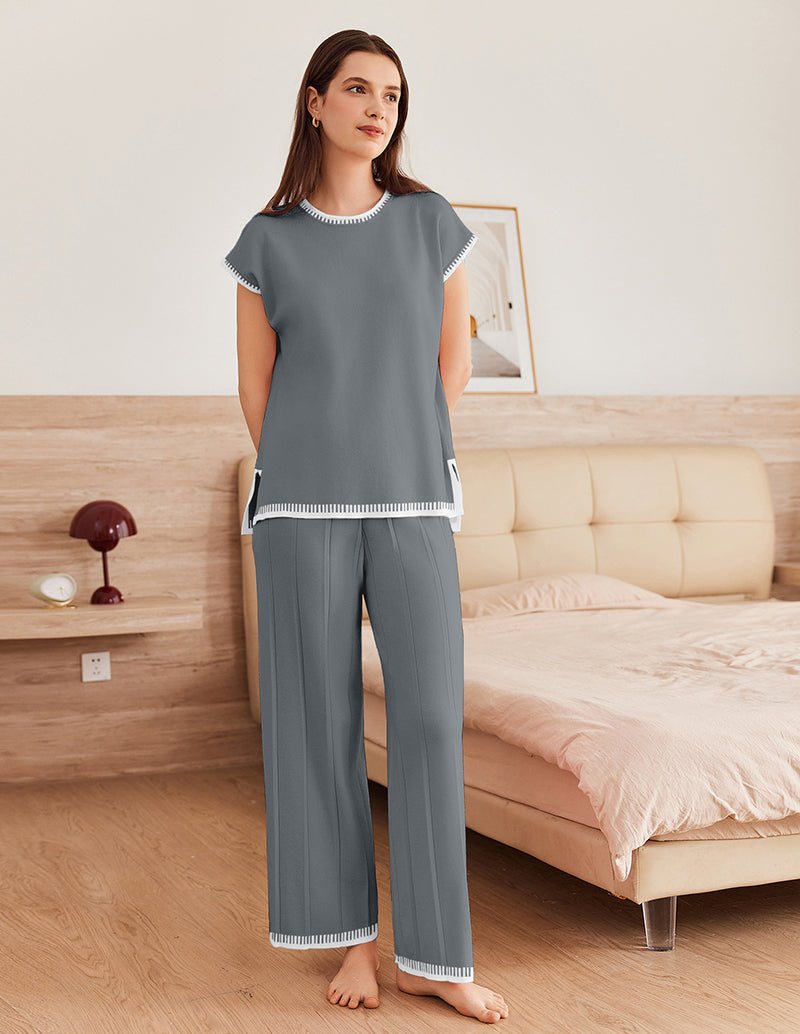
These three are the workhorses of winter sleepwear, and they solve the cold problem in different ways. Fleece is a synthetic knit with a raised pile that holds a lot of air, so it warms fast and stays warm even in a cold bedroom. Flannel is cotton that has been brushed on both sides, which gives a softer, more breathable warmth that many people find less clammy than fleece. Thermal knit uses a waffle or ribbed weave that traps air in the pockets while staying thin, so it warms without the marshmallow look.
-
Choose fleece when the room drops below 60F and you wake up cold despite the blankets.
-
Choose flannel when you want natural fiber and a softer, less static feel.
-
Choose thermal knit when you want warmth but hate heavy or bulky sleepwear.

Who Needs the Warmest Pajamas
Warmth is personal. A set that feels perfect to one sleeper can feel stifling to another, which is why the fabric choice matters more than the label. The list below covers the people who get the most from a true winter set.
-
Cold sleepers who wake with cold feet or a chilled back.
-
People in older or drafty homes where the bedroom runs cool.
-
Anyone recovering from illness who needs to stay warm and rest.
-
Guests in a cold spare room, plus campers and cabin sleepers.
-
Seniors, who often feel the cold more as circulation changes with age.
If you share a bed with a warm sleeper, lean toward thermal knit or merino so you can warm up without overheating your partner. Two sleepers at different temperatures are common, and the lighter warm fabrics keep the peace better than a single heavy set.
How to Shop for Warm Pajamas
A few steps keep the guesswork out of buying. Follow this order and the set you receive will actually match your room.
-
Check the GSM or weight first. For real winter warmth look for 220GSM and up in fleece or flannel.
-
Feel for a brushed or fuzzy interior. The raised surface is what traps heat.
-
Look for a close cut with cuffs at the wrist and ankle to hold warm air in.
-
Pick a natural fiber, flannel, merino, or silk, if you tend to overheat at night.
-
Confirm easy care. Polyester fleece machine washes, while wool and silk need gentler cycles.

Warmth Without Bulk: The Details That Matter
Details are where cheap and good warm pajamas split. Two sets in the same fabric can feel worlds apart based on the cuff alone. The list below covers the construction choices that add heat without adding visible thickness.
-
A ribbed cuff at the wrist and ankle seals in heat better than an open hem.
-
A button or zip placket keeps the neck warm without a full collar.
-
A brushed interior adds insulation without adding visible thickness.
-
A relaxed but not baggy cut traps a warm air layer close to the body.
-
A hooded top adds warmth for the head and neck on the coldest nights.
If you only check one thing, check the cuff, because that is where warm air escapes first. A snug ribbed cuff is the difference between a set that holds heat and one that leaks it by midnight.
Caring for Warm Pajamas
Warm fabrics reward gentle care and punish heat. A few habits keep the pile standing and the insulation working for seasons.
-
Wash cold on delicate to protect the insulating pile and the elastic.
-
Air dry when you can. Heat from a dryer flattens fleece and shrinks natural fiber.
-
Wash inside a mesh bag so the fuzzy surface does not snag or mat.
-
Store folded, not hung, so the weight does not stretch the shoulders.
-
Keep a second set in rotation so one is always clean and warm-ready.

Common Warmth Mistakes
Most winter pajama regrets come from underestimating the room. A set that feels fine in a heated store can fall short in a 58F bedroom. Avoid these and the set will treat you well.
-
Buying the thinnest option to save money, then freezing all winter.
-
Assuming cotton is warm. Plain jersey cotton is breathable but not insulating.
-
Ignoring the cuff, so warm air leaks at the wrist and ankle.
-
Overheating with fleece in a warm room, which wakes you sweaty.
-
Tossing fleece in a hot dryer, which flattens the pile and kills the warmth.
Where Ekouaer Fits
Ekouaer builds cold-weather sleepwear around the same comfort-first rule, with fleece and flannel sets cut to trap heat without feeling like a costume. The best flannel pajamas guide breaks down brushed cotton options, and the modal pajama guide covers a softer, breathable alternative for people who run warm. The silk pajama guide explains the luxe end, and our pajamas versus loungewear guide helps you decide what to wear to bed versus around the house. The My Comfort Era line with Vanessa Hudgens carries that cozy polish into the bedroom.
Frequently Asked Questions
What fabric is warmest for pajamas?
Fleece and flannel hold the most heat for the weight, with fleece warming fastest in a cold room and flannel feeling softer and more breathable. Thermal knit warms without bulk, and merino or silk warm gently while breathing. Pick by how cold your room gets and whether you overheat at night. If temperature keeps waking you, MedlinePlus overview of sleep disorders is a useful place to learn where normal chill ends and a doctor visit begins.
Are fleece pajamas too hot?
For true cold sleepers, fleece is usually just right. In a warm room, though, fleece can overheat you and cause night sweats. If your bedroom stays above 68F, choose thermal knit or flannel instead, or open a window to drop the temperature a few degrees. The NIH explains that sleep quality, not just hours slept, drives how rested you feel, so a room that runs too warm can hurt a cold sleeper as much as one that runs too cold.
How do I make pajamas warmer?
Add a brushed interior and ribbed cuffs, size up one for a looser warm-air layer, wear thermal knit underneath a flannel set, and keep the bedroom around 60 to 65F. A heated mattress pad or a hot water bottle at the foot of the bed helps on the coldest nights without adding bulk.
Is silk warm enough for winter?
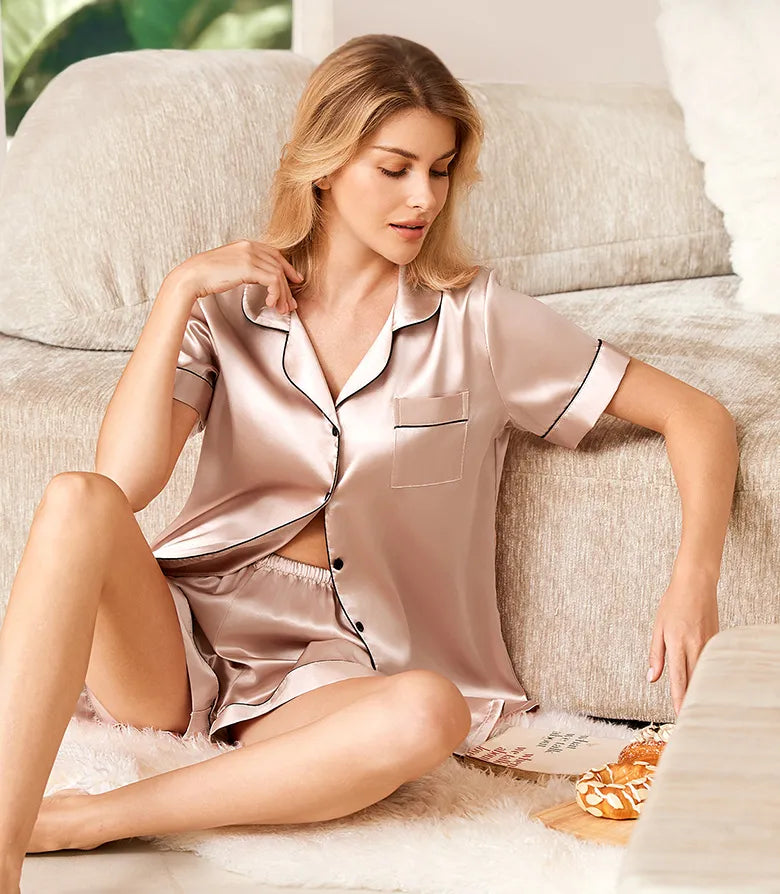
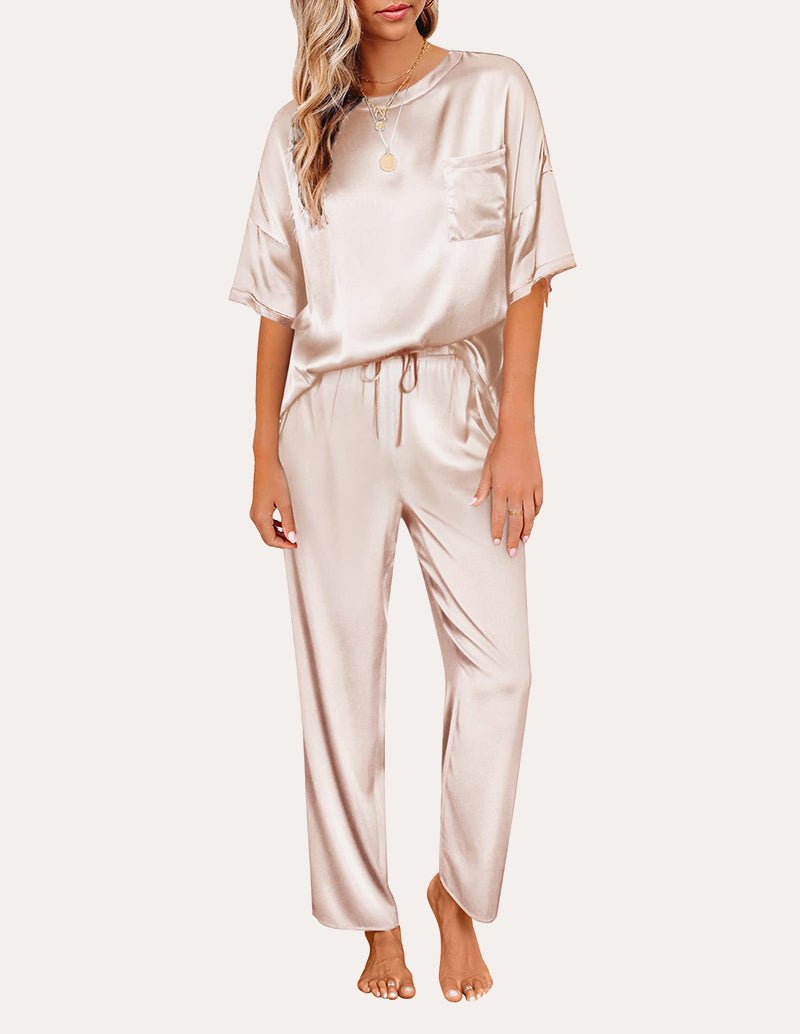
Silk warms gently and feels luxe, but on its own it is lighter than fleece or flannel. For a cold room, choose silk velvet or layer silk under a knit robe. Silk is best for mild winter chill or for sleepers who run warm but still want a cozy feel.
Related Reading
About Ekouaer
Ekouaer designs plush, skin-friendly sleepwear that keeps its hand wash after wash, which is why the fleece and flannel sets use dense, breathable piles with a relaxed cut from XS to 3XL. Recognized by Forbes Vetted, CNN Underscored, and Oprah Daily, the brand favors Airmid Certified Comfort materials that feel good against sensitive skin. The My Comfort Era line with Vanessa Hudgens brings that same quiet warmth to the bedroom.