Bridal Robe vs Pajama Set: Which Is Better for Your Wedding Morning?

This is one of the most common getting-ready questions brides ask — and the honest answer is that both are right, but for different reasons and different moments. A robe and a pajama set don't compete with each other; they serve different functions within the same morning. Understanding what each one does well is a cleaner way to decide, rather than asking which is "better."
The short version: a pajama set is more comfortable for the working hours of the morning — sitting in a makeup chair, having your hair done, moving around the room. A robe is more versatile for photography — it creates visual depth, layers beautifully in group shots, and gives your photographer more to work with. The combination of both, worn together, is the most photogenic getting-ready setup.
If you're choosing one, the decision comes down to how long your morning is, what kind of photos you want, and whether you're buying for yourself or coordinating a whole party.
Head-to-Head: What Each One Does
|
Bridal Robe |
Pajama Set |
|
|---|---|---|
|
Best for photography |
Full-length portraits, group shots, dramatic silhouettes |
Close-up detail shots, candid moments, intimate photos |
|
Ease of removal before dress |
★★★★★ — drops from shoulders, no overhead |
★★★★ — depends on style; button-down best |
|
Comfort during a long morning |
★★★ — open front can shift; needs adjustment |
★★★★★ — stays in place, covers more |
|
Visual versatility in photos |
★★★★★ — open, closed, draped over the shoulder |
★★★ — one look |
|
Works as a layer over other pieces |
✅ Yes — goes over cami, nightgown, anything |
❌ No |
|
Coverage for warmer weather |
Adjustable — remove when warm, add when cool |
Fixed — what you see is what you get |
|
Best for coordinating a party |
★★★★★ — one size fits more body types |
★★★★ — more size-specific |
|
Post-wedding reuse |
★★★★★ — works as a daily bathrobe or travel robe |
★★★★ — wearable, but more clearly sleepwear |
The Case for a Robe
A robe earns its place in getting-ready photos through what it does on camera that a closed pajama set simply can't. An open robe creates layers — the fabric moving, catching light at the edges, draping over a shoulder in a candid shot. It gives a photographer multiple visual states to work with: closed for a formal portrait, open for a candid, half-on for the moment before the dress goes on.
Richard J Nieves Photography, writing in August 2025, identifies robes as the getting-ready garment that most consistently produces editorial-quality images, specifically because the open-front silhouette creates the fabric movement and visual depth that a closed pajama set doesn't.
The other practical argument for a robe: removal. Getting out of anything that pulls overhead after finished hair and makeup has been applied is a real logistical problem. A robe drops from the shoulders in one motion. No contact with hair, lashes, or foundation.
A robe is the right choice if:
-
You want maximum photographic flexibility
-
Your morning is shorter, and photography is the priority
-
You're coordinating a large party where one-size-fits-all matters
-
You want something with clear post-wedding utility as a daily robe

The Ekouaer Half Sleeve Robe is the most versatile option — long enough for full-length portraits, light enough for summer mornings, and the half-sleeve construction keeps it practical without looking casual. Worn over a cami or slip nightgown, it creates the layered look that photographs as deliberately styled.
The Silk 2-Piece Bathrobe Set with Pockets adds pockets — genuinely useful when you're carrying a phone, lip balm, or room key through a busy morning — and the silky construction drapes beautifully in motion shots.
The Case for a Pajama Set
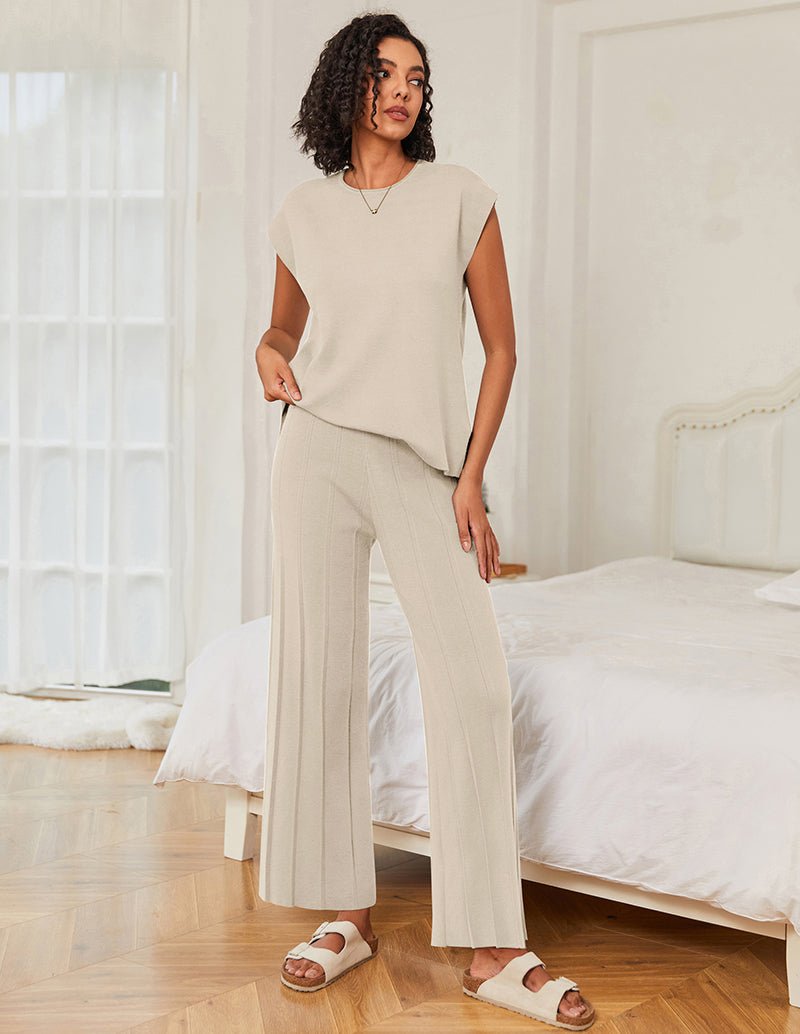
A pajama set wins on comfort and coverage across a long morning. If hair and makeup take three hours, you'll be sitting, reaching, adjusting, and moving around a room full of people in this garment for most of that time. A closed, fitted set stays in place in a way that an open robe sometimes doesn't.
Pajama sets also photograph with a different quality than robes — more intimate, more candid, better for the close-up detail shots that often become some of the most treasured images from the morning. The texture of lace trim at a neckline, the sheen of satin against skin in a close-up, the quiet moment of a bride looking down at her hands — these work better in a set than in a robe.
Green Wedding Shoes' 2026 bridesmaid pajamas guide notes that satin sets are particularly effective for the close-up and candid shots that now make up a significant portion of getting-ready photography, because the fabric's surface quality reads in detail shots in a way that a plain robe often doesn't.
A pajama set is the right choice if:
-
Your morning is long, and you prioritize all-day comfort
-
You're having more candid, intimate photography than posed portraits
-
You want something clearly wearable beyond the wedding day
-
You're putting on your pajamas before hair and makeup, and keeping them on throughout

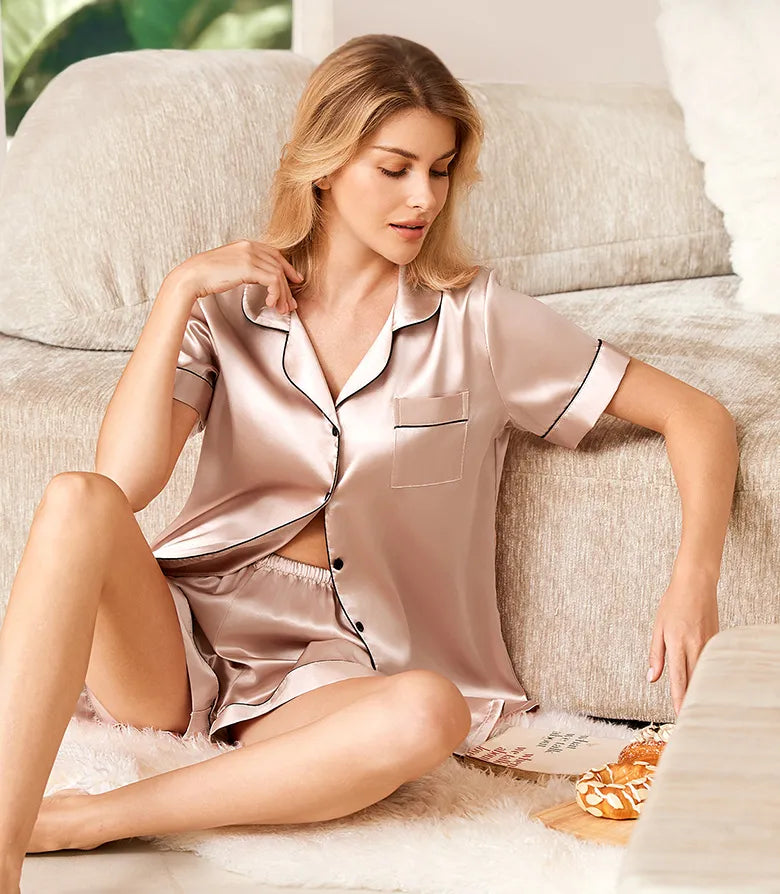
The Ekouaer Silky Bridal Pajama Set covers the classic bridal brief — smooth satin, clean lines, a silhouette that reads as intentionally bridal in photos without being elaborate.
The Ekouaer Silk Satin Cami Shorts Pajamas Set is the warm-weather format — minimal coverage, light fabric, the silhouette that works best in summer venue conditions.
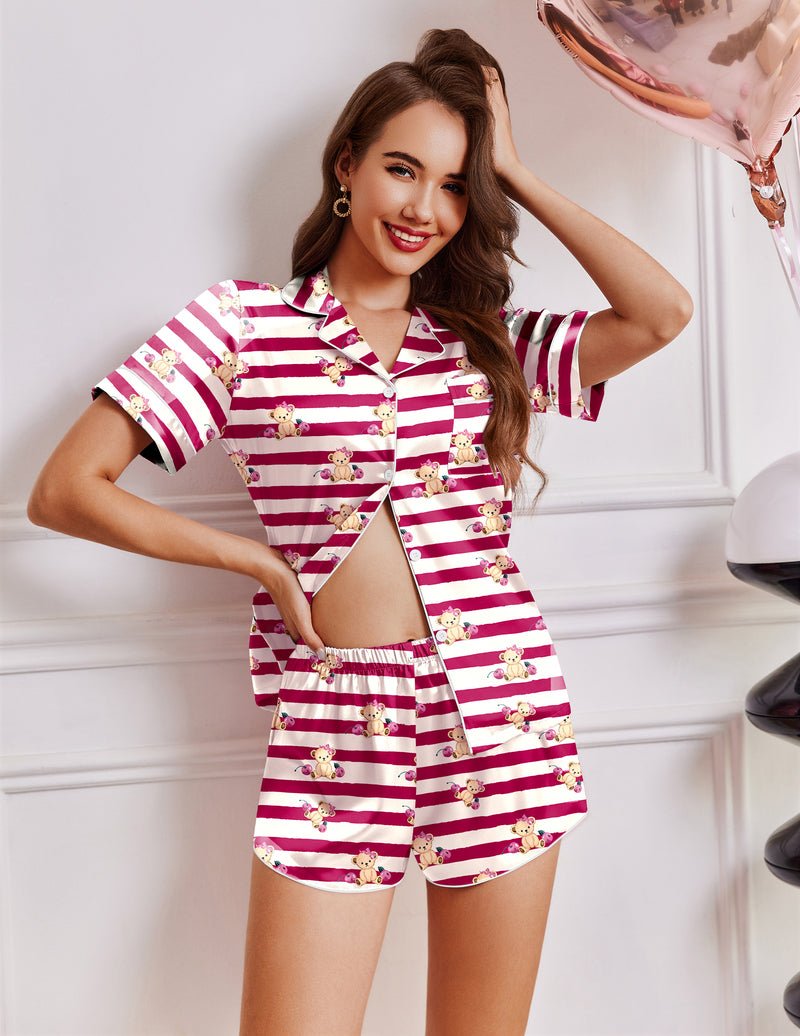
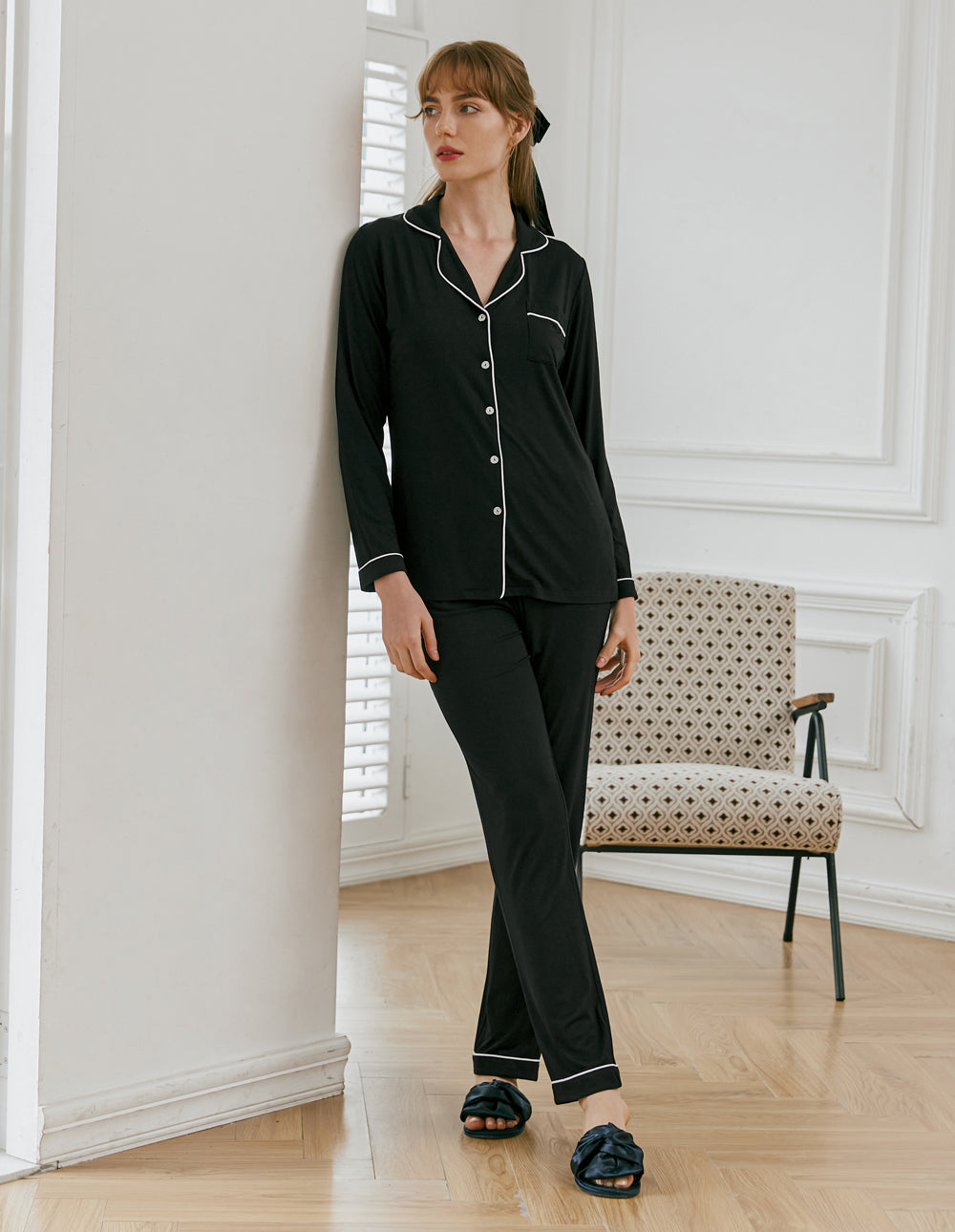
For brides who want the front-opening practicality of a button-down within a pajama set, the button-down format is the one getting-ready detail that genuinely matters — no overhead removal, no disturbing finished hair or makeup.
The Case for Both
For most brides with a photographer and a genuine getting-ready session, the combination of a pajama set and a robe gives the most range. The pajama set handles the morning working hours; the robe goes over it for the portrait and group-shot window; the robe comes off when it's time to transition to the dress.
This is the setup that produces the widest variety of images from a single morning — close-up candids in the set, dramatic full-length shots with the robe open, the layered group shot where the bride is visually distinct, and the quiet moment of the robe coming off before the ceremony.
The Ekouaer Satin Pajamas Cami Nightdress with Robe was designed for exactly this: both pieces in coordinated satin, matched colorway guaranteed across the whole morning, and a format that covers every photographic context a getting-ready session produces.

How to Decide: A Simple Framework
|
Your situation |
Better choice |
|---|---|
|
Short morning (under 2 hours) |
Robe — maximize photo versatility |
|
Long morning (3+ hours) |
Pajama set — prioritize comfort |
|
Photographer present for full morning |
Both — robe over set |
|
Photography is the priority |
Robe |
|
Comfort is the priority |
Pajama set |
|
Coordinating a large bridal party |
Robe — more forgiving across sizes |
|
Summer or warm venue |
Cami set + lightweight robe |
|
Want a clear post-wedding use |
Robe — daily bathrobe utility |
|
Budget for one piece only |
Robe if the photographer is coming; set if not |
For the Bridal Party
The robe vs pajama set question matters for the whole party, not just the bride. For coordination purposes, robes are typically more flexible — a single size accommodates a wider range of body types than a structured pajama set, and the open-front silhouette is flattering across different builds in a way that a fitted cami set isn't always.
Green Wedding Shoes' 2026 guide notes that robes are particularly popular for larger bridal parties, specifically because the one-size-fits-more quality reduces coordination complexity when sizes vary across the party.
The most photogenic bridal party setup: bride in a cami nightdress with a robe (both pieces), bridesmaids in a coordinated robe in a complementary shade. The bride has visual hierarchy through both the color distinction and the additional layer of the nightdress underneath; the bridesmaids are coordinated without being identical.
The Ekouaer Wedding Season collection covers coordinated satin styles in the colorways that work for bridal party coordination, with bundle pricing — 2 pieces 8% off, 3 pieces 10% off, 4 pieces 15% off — that makes equipping the full party more practical than buying individually.
FAQ
Q: Should a bride wear a robe or pajamas for getting-ready photos?
A: Both, if possible. A pajama set handles the comfort of a long morning; a robe worn over it gives the photographer more visual variety and creates the layered, editorial quality that getting-ready images are known for. If you're choosing one: a robe if photography is the priority, a pajama set if all-day comfort is.
Q: What's the difference between a bridal robe and a bridal pajama set for photos?
A: A robe creates visual depth through layers and movement — open front, fabric draping, multiple visual states that give a photographer range. A pajama set photographs as a single consistent look, which works better for close-up and candid shots than for full-length portraits. Neither is categorically better; they produce different types of images.
Q: Is it better to get ready in a robe or pajamas to protect hair and makeup?
A: A robe is easier to remove cleanly — it drops from the shoulders without touching hair or face. A pajama set is more comfortable to wear for a long time, but requires more care when removing a pullover top. Button-down pajama sets solve this: they open from the front and remove without overhead contact.
Q: Can you wear a robe over a pajama set for wedding morning photos?
A: Yes — this is the most common and most photogenic setup. The pajama set handles the working hours of the morning; the robe goes over it for portraits and group shots. The Ekouaer Satin Pajamas Cami Nightdress with Robe is designed as exactly this matched combination.
Q: Which is better for coordinating a bridal party — robes or pajama sets?
A: Robes are generally more flexible for coordinating a diverse party — the open-front silhouette is more forgiving across different body types and sizes than a structured pajama set. For large parties where sizes vary significantly, a coordinated robe in a single color tends to produce more consistent results in group photos than matched pajama sets.
Related Guides
-
Bridal Pajamas for Getting Ready: What Works in Photos — photographer's perspective on what fabrics and styles perform on camera
-
Getting-Ready Robes for Weddings 2026 — robe styles, lengths, and what makes them work in getting-ready photography
-
Bridesmaid Pajamas: How to Coordinate Your Whole Bridal Party — color coordination and sizing for the full party
-
Summer Bridal Pajamas: Lightweight Getting-Ready Styles — warm-weather formats for both robes and sets
About Ekouaer
Founded in 2014, Ekouaer makes sleepwear and loungewear with an emphasis on functional design and fabric safety. All fabrics carry OEKO-TEX Standard 100 certification — independently tested to be free of harmful substances, meeting requirements for skin-contact textiles. Products have been featured in CNN Underscored, Forbes, and TODAY.com.
Ekouaer in the Press
-
Parade (June 2, 2026): Amazon's Ekouaer 2-Piece Ribbed Lounge Set Is a Must-Have — praised for going "from couch time to errands in total comfort," on sale from $14
-
OpenPR (May 2026): Ekouaer Memorial Day Sale 2026 — Official Debut on The Knot Registry — Ekouaer joins The Knot Registry platform ahead of wedding season
-
OpenPR (April 2026): Ekouaer at HEJ MATES Fashion Trend Press Day in Hamburg & Munich — latest collection received unanimous praise from European fashion editors and bloggers
-
OpenPR (March 2026): Ekouaer Wins Oprah Daily Editor's Choice and TODAY 2026 Sleep Award — two products recognized by Oprah Daily and TODAY in the same season