Getting-Ready Robes for Weddings 2026: Why a Robe Outperforms a Pajamas Set in Photos (and How to Choose One)

Most brides who do the research end up with the same setup: a robe over a cami set for the getting-ready morning. The cami set handles close-up and candid shots. The robe handles everything else — full-length portraits, group scenes, the layered look when worn open over a shoulder, the dramatic moment before stepping into the dress. Between the two pieces, the robe does more photographic work per garment than anything else you'll wear that day.
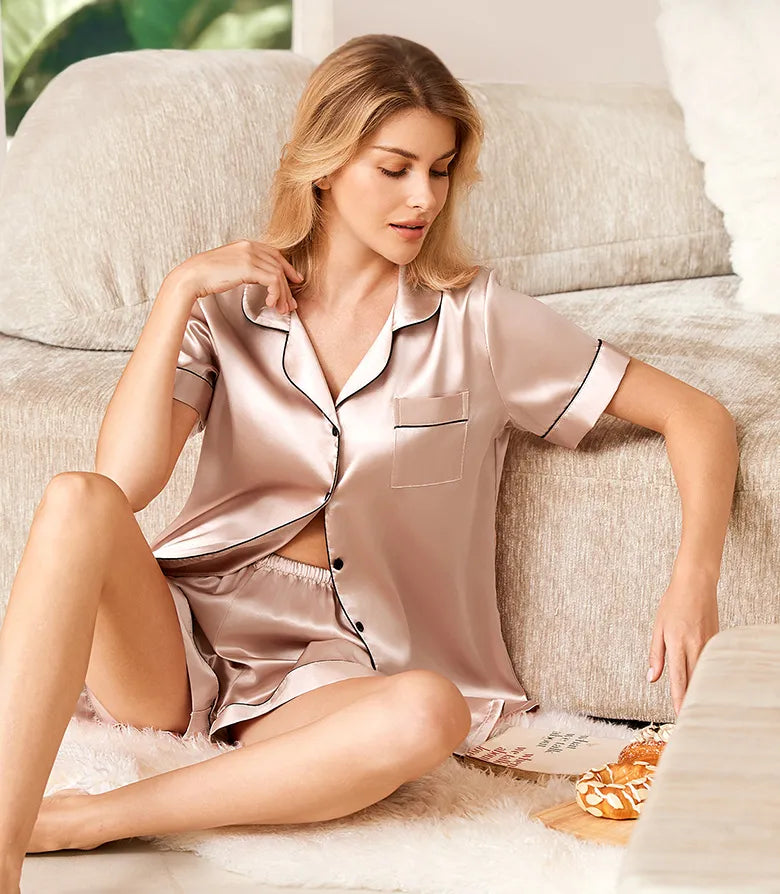
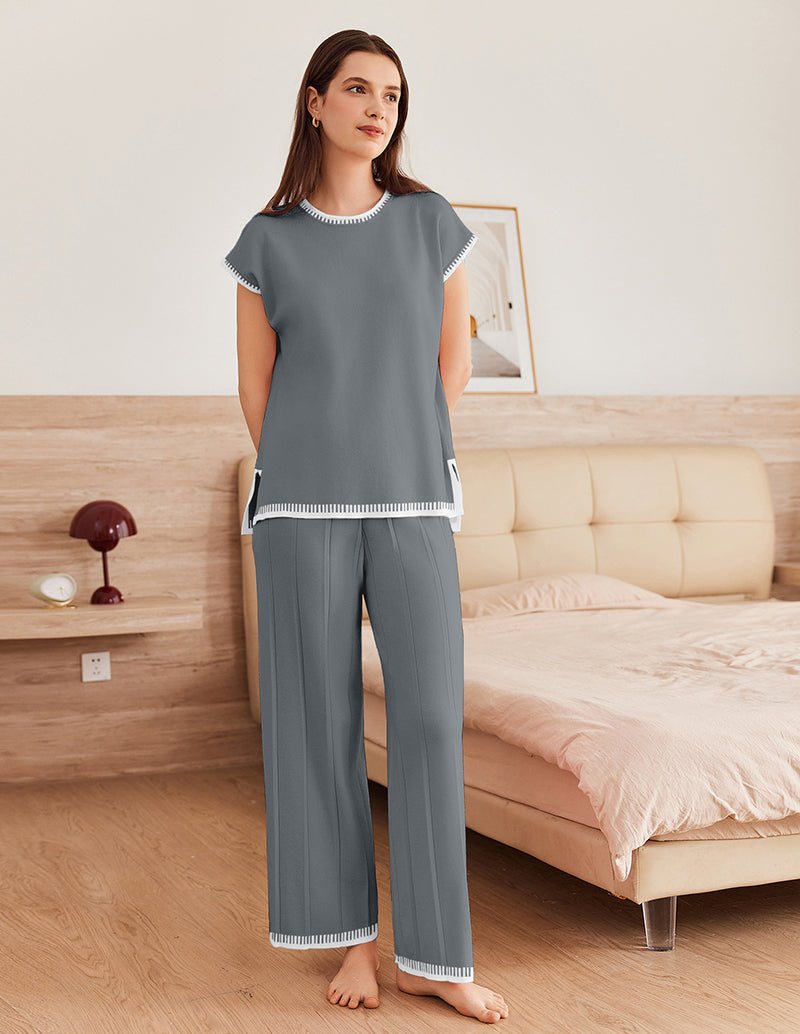
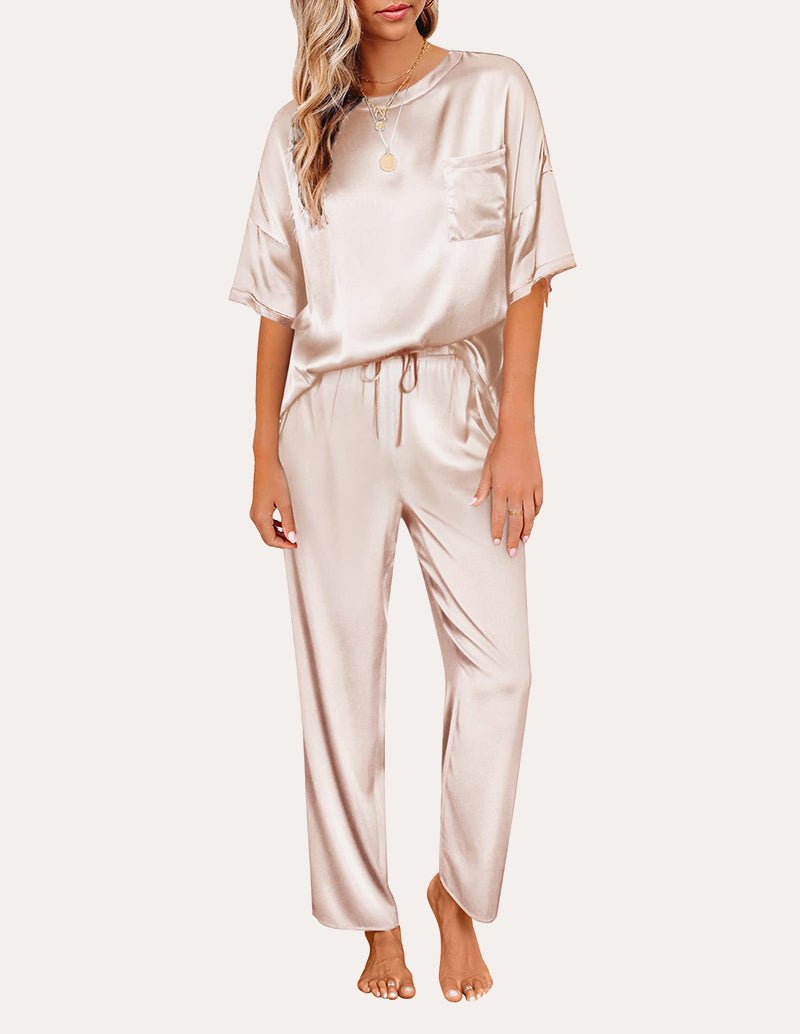
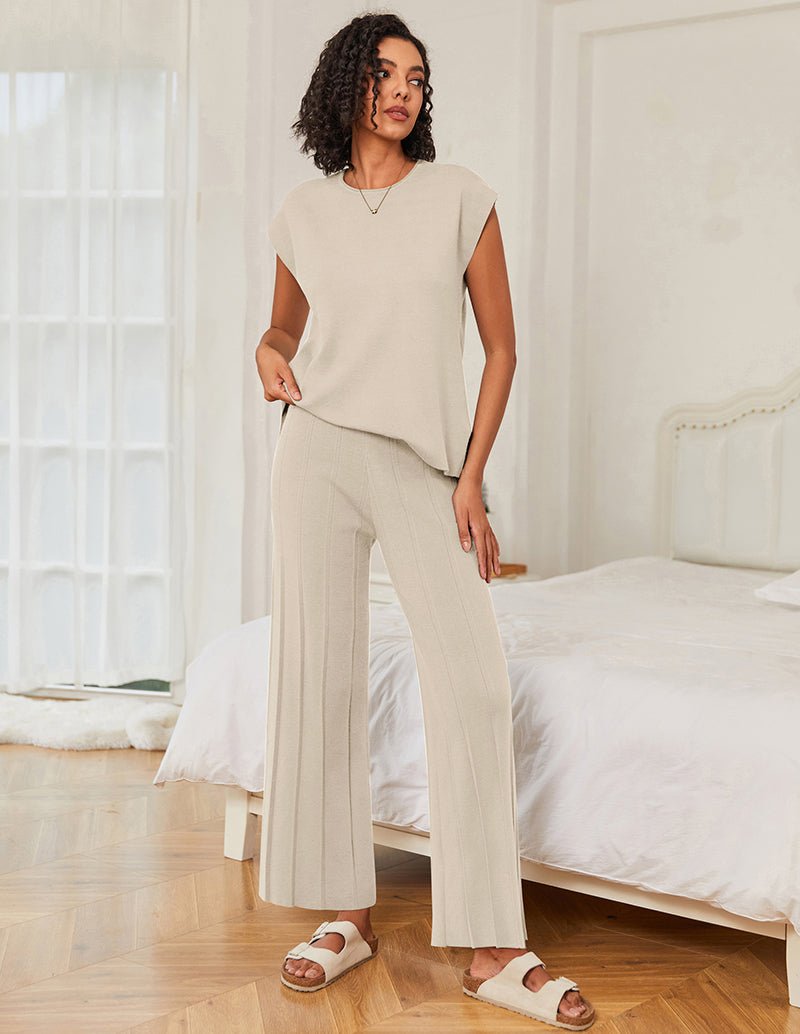
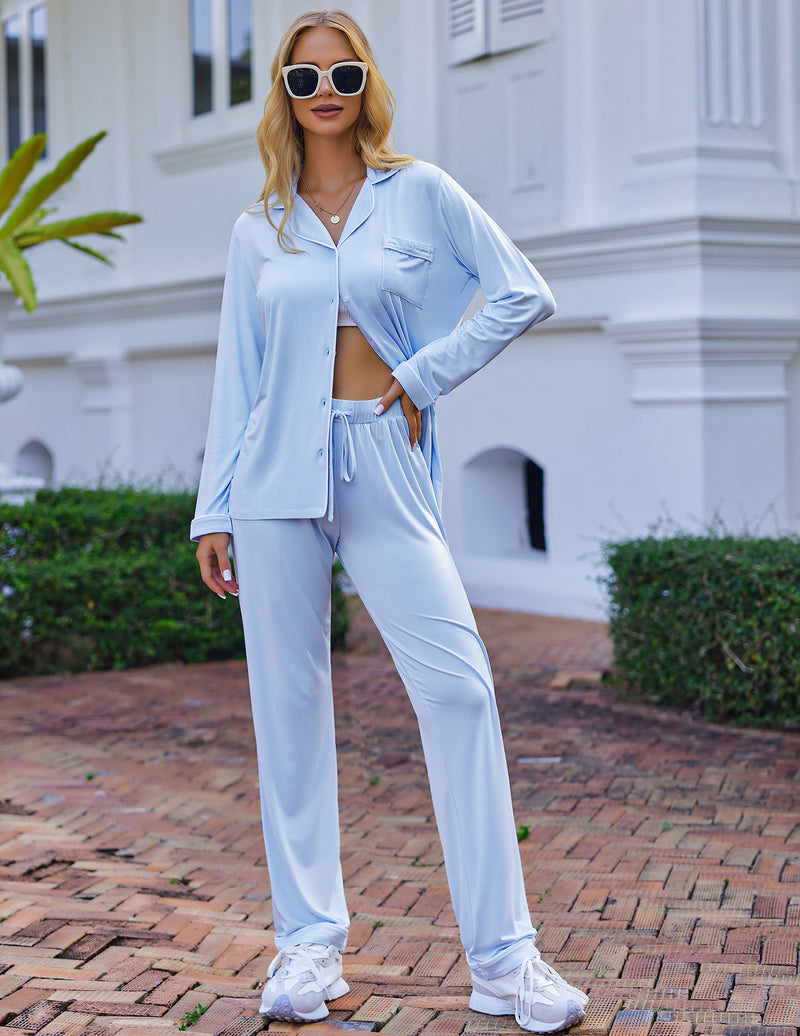
The short version of why: a closed pajama set presents as one finished outfit. An open robe creates layering, depth, and visual variety that a set simply can't produce, regardless of fabric quality. That's not an aesthetic preference — it's a structural difference in how each garment type behaves on camera, and it's why wedding photographers consistently name the robe as the central getting-ready piece.
This guide covers the robe decision specifically: what it does in photos that a set doesn't, how to choose between styles, what specifications actually matter for your morning, and how Amazon Prime Day 2026 in June applies to buying the whole party's robes at a genuine discount. For the full getting-ready outfit framework — cami sets, button-downs, honeymoon — What to Wear on Your Wedding Morning covers everything. And if you're deciding which pajama style photographs best on camera, specifically, Bridal Pajamas for Getting Ready: What Works in Photos goes deep on fabric and fit. This guide focuses entirely on the robe.
What a Robe Does in Photos That a Pajama Set Can't
The professional case for a getting-ready robe comes down to one thing: visual states. A robe produces multiple distinct images from a single garment in a way that a closed matching set doesn't.
Wedding photographer Gretchen Wittry, whose detailed guide to getting-ready photo timing is one of the most-cited resources among brides and coordinators, writes that coordinated getting-ready outfits account for 5–15 dedicated minutes of shooting time — separate from all the candid moments captured throughout hair and makeup. Within that window, a robe allows the photographer to shoot it closed for a formal portrait, partially open over the cami set for a layered mid-session look, and removed entirely to reveal the set underneath.

Three distinct visual states from one piece, without changing clothes.
Richard J Nieves Photography, a New York and New Jersey wedding photographer writing in August 2025, identifies color storytelling as the factor that "makes photos visually stronger" in getting-ready sessions — and notes that an open robe creates natural movement and fabric layering that photographs with significantly more dimension than a flat, finished pajama set.
Nataly Hernandez Photography, a Southern California wedding photographer, describes the champagne toast moment with the bridal party as one of the most important shots of the morning and specifically notes: "This is also a great time to grab a quick photo of those gorgeous bridesmaid robes." The robe is the garment that frames that moment photographically — open, slightly informal, with fabric movement that a closed set doesn't create.
Idalia Photography similarly notes that matching robes are consistently one of the best setups for getting-ready photos, producing images that rank among the favorites of the entire wedding day. "I love when a bridal party wears matching robes as they get ready together," she writes.
The pattern across professional photographers is consistent: robes photograph with more versatility than sets across a full getting-ready session because they layer, move, and create visual hierarchy in ways a closed outfit doesn't.
Real brides on Reddit echo the photographers’ advice. In r/weddingplanning discussions, many who invested in matching robes say the layering and versatility paid off in photos: “We did robes over cami sets and got so many beautiful shots — closed for portraits, open for candid moments, and off for the dress reveal. Totally worth it for the visual variety.” Others note that robes create better group photos and movement compared to flat pajama sets.
Robe vs Pajamas Set: When Each Makes Sense
This is not an either/or choice for most brides — the strongest getting-ready look combines both. But when budget or coordination logistics require choosing, the decision has a clear framework.
Choose a robe as your primary getting-ready piece if:
-
Full-length portraits and group shots are a photography priority
-
You want a visual hierarchy between the bride and bridesmaids in group photos
-
Your morning is long enough (2+ hours) for multiple shot types
-
You want a garment with genuine post-wedding utility as a robe at home or for travel
Choose a pajama set as your primary piece if:
-
Your getting-ready session is short, and close-up candidates are the focus
-
You specifically want the matching-set aesthetic for group photos
-
Photography is secondary to comfort for an extended morning in a makeup chair

The combination wins on every photographic criterion. Emmaline Bride's guide to bridesmaid getting-ready attire, published November 2025, identifies "chic robes for bridesmaids" as the most consistently photo-ready option, specifically calling out the open-front silhouette as what makes them more photogenic than a closed pajama set. But the guide also notes that robes work best when there's a cami set or shorts set underneath — the layered combination is what produces the full range of morning images.
A WeddingWire forum thread where a bride asked whether skipping robes and pajamas entirely was a mistake drew a range of responses — several brides confirmed it's perfectly fine not to have coordinated outfits, and photos still came out beautifully. The robe earns its place when photography is genuinely a priority, not as a mandatory purchase for every wedding morning.
Brides on Reddit frequently discuss the robe vs. pajama set dilemma. Many former bridesmaids recommend robes for their post-wedding usability: “I still wear my getting-ready robe years later, whereas pajama sets from other weddings often sit unused. Go for good quality satin robes that actually feel luxurious.” Others who skipped coordinated robes reported no regrets if photography wasn’t the top priority, confirming it’s a personal choice.
The Five Decisions That Determine Your Getting-Ready Robe
-
Length: Short, Mid, or Floor-Length
Length is the single specification that most affects how a robe photographs across different shot types.

Floor-length robes produce the most dramatic full-length portraits — the kind of sweep and visual weight that anchors the getting-ready section of a wedding album. Stillwhite's curated guide to bridal robes, which covers 22 styles across price points, consistently notes that floor-length satin robes with lace detailing photograph most dramatically in formal portrait contexts. The trade-off: less freedom of movement for a physically busy morning, and more risk of fabric picking up floor debris in venues that aren't spotless.
Mid-length and half-sleeve robes balance elegance with practicality. Long enough to read as intentional in full-length shots, short enough to move freely during a 3-4 hour morning. This is the format most consistently recommended by wedding photographers for brides who want both strong photography and practical comfort throughout the morning.
Short kimono-style robes photograph well in candid and group shots and allow the most movement freedom. Best for relaxed, outdoor, and destination weddings where formality is lower and practical comfort is higher.
The Ekouaer Half Sleeve Robe from the Wedding Season collection sits precisely in the mid-length, half-sleeve sweet spot — elegant enough for formal portraits, practical enough for the actual conditions of a wedding morning.

-
Fabric: What Photographs vs What Endures
Satin is the most photographed fabric in wedding getting-ready images for the same structural reason it dominates bridal sleepwear generally: its smooth, slightly reflective surface distributes light evenly and creates luminosity in photos that matte fabrics don't.

Stillwhite's bridal robe guide specifically identifies champagne and ivory satin as the colorways that photograph best in morning light, noting that the fabric's sheen catches warm window light in a way that cotton and jersey don't. The Budget Savvy Bride's getting-ready outfit guide makes the same practical point from a different angle: satin button-front tops and robes are recommended specifically because they "make it easy to remove or change" without disturbing hair or makeup.
Polyester satin is the practical choice over real silk. It handles 3–4 hours of wear without requiring careful handling, can go in the hotel laundry without anxiety, and photographs identically to real silk under most wedding morning lighting conditions.
-
Front Opening: A Practical Non-Negotiable
Any getting-ready robe must open from the front. This is a functional requirement, not a style choice.
At the point of putting on the wedding dress — fresh curls, false lashes, a complete face of makeup — anything that requires pulling overhead becomes genuinely high-stakes. A WeddingWire forum discussion specifically on what to wear under a getting-ready robe produced exactly this consensus from real brides: "I wouldn't do anything you have to pull over your head at risk of messing up your hair and makeup."

Tie-belt, button-front, and open kimono styles all satisfy this requirement. The specific closure type matters less than whether the robe can be removed by dropping from the shoulders rather than lifting overhead. The Ekouaer Half Sleeve Robe uses a tie belt and drops cleanly from the shoulders — no overhead removal, no hair disruption, one motion.
-
Color: Visual Hierarchy Across the Bridal Party
Richard J Nieves Photography gives the most specific professional guidance on color: "the bride in white and her party in blush tones — or mix and match in shades of blue. Color storytelling makes photos visually stronger." The underlying principle is that the bride should be immediately identifiable in every group photo — color differentiation creates that hierarchy more naturally than any other single decision.
The practical framework: same warmth family across bride and party, different shades. Warm-toned bride (ivory, champagne) pairs with warm-toned party (blush, dusty rose, soft sage). Cool-toned bride (bright white) pairs with cool-toned party (lavender, pale blue, silver-grey). Mixing warmth families creates a subtle visual tension in photos that's hard to identify but makes the palette feel slightly off.
He also makes a point worth taking seriously on logistics: assign a bridesmaid or planner to ensure everything is steamed or pressed the night before, noting that a portable steamer handles travel and tight prep spaces better than hotel irons. Building 10 minutes into the evening-before timeline prevents visible wrinkles in morning photos.

-
Post-Wedding Utility: The Long-Term Case
A robe purchased for a wedding morning that sees zero post-wedding use is a $50–$70 single-use purchase. The same robe that becomes a daily bathrobe, travel layer, or morning loungewear is an investment in a genuinely useful garment.
Emmaline Bride specifically identifies post-wedding reusability as a key argument for robes as bridesmaid gifts — contrasting them with garments that "look great once and then live in a drawer." A robe that bridesmaids will actually use after the wedding is a more considered gift than a novelty pajama set that only gets worn once.
The Ekouaer robes collection covers both contexts: lightweight satin and half-sleeve styles for getting-ready and travel, plush and fleece formats for everyday home use. Buying a robe that transitions from the bridal suite to the hotel bathroom to the morning coffee routine is the stronger decision in almost every case.
Style Comparison Table
|
Style |
Photography |
Practical Movement |
Post-Wedding Use |
Best Wedding Type |
|---|---|---|---|---|
|
Floor-length satin robe |
★★★★★ portraits |
★★★ restricted |
★★★ special occasions |
Formal, black-tie, classic |
|
Half sleeve robe |
★★★★★ all shots |
★★★★★ easy, front-open |
★★★★★ daily + travel |
Most weddings — default choice |
|
Short kimono |
★★★★ candid + group |
★★★★★ most practical |
★★★★ everyday |
Relaxed, outdoor, destination |
|
Long plush robe |
★★★ less bridal in photos |
★★★★ comfortable |
★★★★★ home daily use |
Off-season or cooler venues only |
|
Cotton robe |
★★★ casual aesthetic |
★★★★ easy care |
★★★★ everyday |
Casual or rustic weddings |
Coordinating Robes for the Whole Bridal Party
The sizing logistics for a group order are where most coordination problems originate. The fix is straightforward: collect confirmed sizes from each bridesmaid directly before ordering, not estimates. When anyone is between sizes, order up — robes are more forgiving in an oversized fit than a fitted one, and the open-front silhouette accommodates size variation better than a closed set.
Order 4–6 weeks before the wedding to leave time for exchanges. For a party of 4+, at least one sizing issue is statistically likely — the question is whether you have 3 weeks to resolve it calmly or 3 days.
The Ekouaer Wedding Season bundle pricing applies at checkout: 8% off 2 pieces, 12% off 3, 18% off 4 or more. For a party of 4 at $55–$65 per robe, the 18% discount saves $40–$47 — roughly the morning champagne. The Bundle Deals collection includes pre-configured combinations for common bridal party sizes, which removes manual mixing-and-matching from a group order.

When to Skip the Robe
Not every wedding morning needs one, and being specific about when it doesn't serve a purpose saves money and decision fatigue.
Skip the robe if: your getting-ready session is under an hour with no dedicated photo time; your wedding aesthetic is casual enough that a satin robe would feel out of place; or your bridesmaids have clearly indicated they won't use it post-wedding. The WeddingWire forum thread on skipping coordinated getting-ready outfits confirms this is a legitimate and common choice — brides who skipped them reported their photos were perfectly fine.
The robe earns its place when photography is genuinely a priority, not as a mandatory line item on a wedding budget.
Prime Day 2026: The Buying Window
Amazon Prime Day 2026 is confirmed from June 23 to 26. For getting-ready robes specifically, the sale is relevant in two practical scenarios:
July–October wedding: Buying during the June sale gives you 4–8 weeks of lead time — enough to receive, distribute to bridesmaids, and resolve any sizing exchanges without time pressure. Buying 3 weeks before the wedding leaves no margin.
Full bridal party order (4+ pieces): The combination of Ekouaer's Wedding Season bundle discount (18% off 4+) and a Prime Day apparel discount on a $220–$260 group order is meaningful — potentially $40–$60 back on what you'd spend at full price anyway.
Before buying during the sale: verify the Prime Day price represents a genuine discount from the normal price. The most reliable free tool for this is CamelCamelCamel — paste the Amazon product URL and check whether the "sale" price is actually lower than the product's historical pricing, or whether the "original" price was briefly inflated before the sale to manufacture a larger-looking discount.
FAQ
Q: Should I get a robe or pajama set for wedding getting-ready photos?
A: Both if possible — the combination produces the most photographic variety. Wedding photographer Gretchen Wittry notes that getting-ready outfit photos account for 5–15 dedicated minutes of shooting time, and a robe over a cami set gives the photographer three distinct visual states to work with rather than one. If the budget requires choosing one, the robe produces more visual variety across a full session.
Q: What fabric robe photographs best at a wedding?
A: Satin. Its smooth, slightly reflective surface creates luminosity in photos — particularly in window light, which is the primary light source for most getting-ready settings. Stillwhite's bridal robe guide identifies champagne and ivory satin as the colorways that photograph most warmly and cleanly. Polyester satin is the practical choice over real silk — photographs identically, handles morning wear without anxiety, machine washable.
Q: Why does the robe need to open from the front?
A: Because at the moment you remove it to put on your wedding dress, you'll have finished hair, lashes, and a full face of makeup. As real brides on WeddingWire's getting-ready forum put it directly: "I wouldn't do anything you have to pull over your head at risk of messing up your hair and makeup." Front-opening robes drop from the shoulders in one motion.
Q: What length robe is best for wedding photos?
A: Half-sleeve and mid-length styles work for most weddings — elegant enough for full-length portraits, practical enough for the actual conditions of a 3–4 hour morning. Floor-length robes are more dramatic but more restrictive. Short kimono styles suit relaxed, outdoor, and destination weddings best.
Q: How do I coordinate robes for the bridal party?
A: Bride in ivory or white, party in a complementary shade. Same silhouette in different colors is more photogenic than identical robes for everyone — Richard J Nieves Photography specifically notes that "color storytelling makes photos visually stronger." Order 4–6 weeks out, collect confirmed sizes directly from each bridesmaid, size up when anyone is between sizes.
Q: When is the best time to buy getting-ready robes?
A: Amazon Prime Day 2026 is confirmed from June 23 to 26— if your wedding is July or later, buying during the sale gives you maximum lead time for exchanges while reducing total cost on a group order. Verify prices with CamelCamelCamel before buying to confirm the discount is real.
Related Guides
-
What to Wear on Your Wedding Morning: The Complete Getting-Ready Guide — full outfit framework from getting-ready through the wedding night
-
Bridal Pajamas for Getting Ready: What Works in Photos — fabric, fit, and style guide specifically for pajamas on camera
-
Best Robes for Women 2026: Plush, Lightweight & Bridal — complete robe format comparison beyond the bridal context
-
Bridesmaid Pajamas: How to Coordinate Your Whole Bridal Party — color coordination, sizing logistics, and bundle pricing for group orders
About Ekouaer
Founded in 2014, Ekouaer makes sleepwear and loungewear with an emphasis on functional design and fabric safety. All fabrics carry OEKO-TEX Standard 100 certification — independently tested to be free of harmful substances, meeting requirements for skin-contact textiles. Products have been featured in CNN Underscored, Forbes, and TODAY.com.
Ekouaer in the Press
-
OpenPR (May 2026): Ekouaer Memorial Day Sale 2026 — Official Debut on The Knot Registry — Ekouaer joins The Knot Registry platform ahead of wedding season
-
OpenPR (April 2026): Ekouaer at HEJ MATES Fashion Trend Press Day in Hamburg & Munich — latest collection received unanimous praise from European fashion editors and bloggers
-
OpenPR (March 2026): Ekouaer Wins Oprah Daily Editor's Choice and TODAY 2026 Sleep Award — two products recognized by Oprah Daily and TODAY in the same season
-
Parade (May 2026): Amazon's Ekouaer 2-Pack Pajama Set Is a Must-Have — described as winning "on all counts" for comfort and value