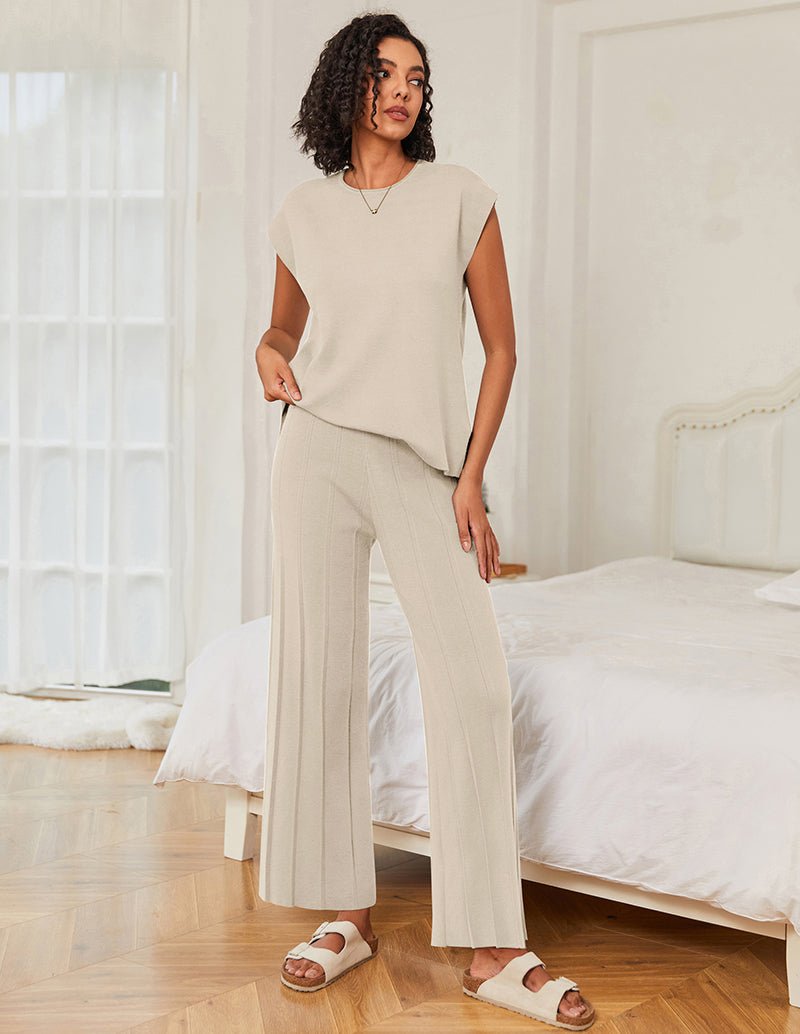
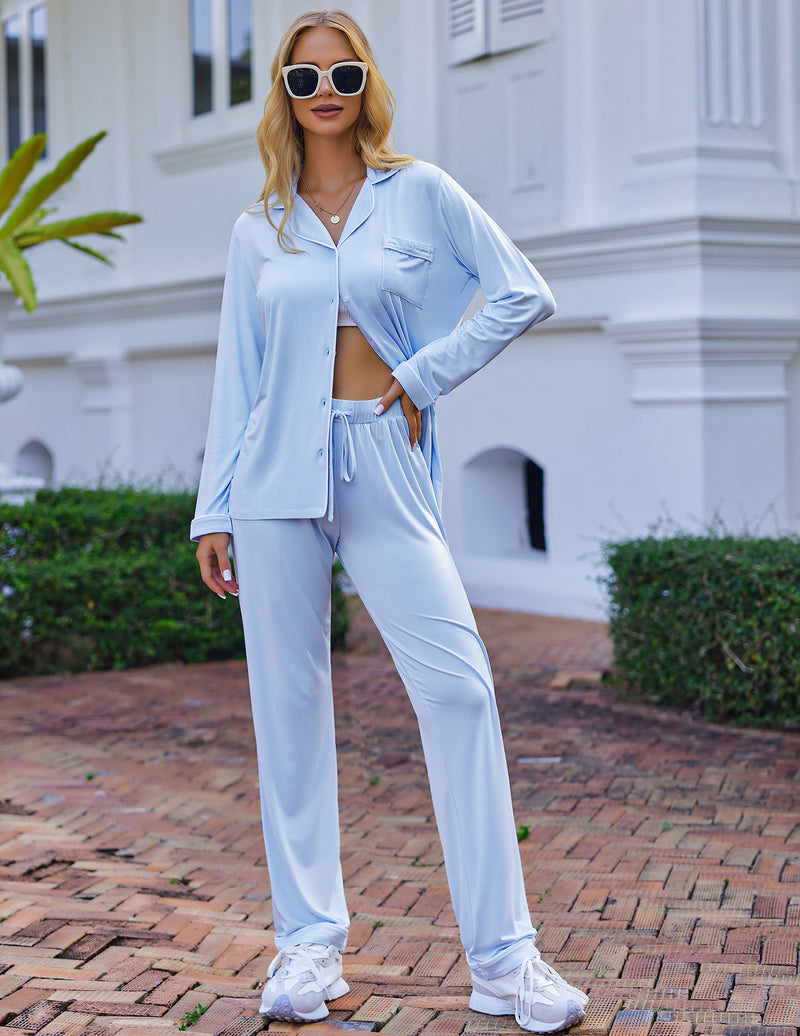
How to Choose Maternity Clothes: Fabric & Size Guide for Comfort and Fit (2026)

The secret to comfortable maternity clothes isn’t just “bigger sizes” — it’s choosing the right fabric and smart, forgiving designs. In 2026, the best pieces use breathable, stretchy materials that adapt to your changing body and make daily life easier from pregnancy through postpartum.
Why Fabric and Sizing Matter More Than Anything Else in Maternity Wear
Most women enter the maternity clothing aisle with one question: "Will it fit?" — but the better question is: "Will it still fit three months from now, and will the fabric still feel good after 50 washes?"
In the US, maternity clothing purchases follow a predictable pattern: women buy early, buy too small, or buy pieces that stop working before the pregnancy is over. The solution isn't buying more clothes. It's understanding the two variables that determine whether any maternity piece is worth owning: fabric performance and sizing strategy.
This guide covers both — from the material science behind what makes certain fabrics superior for pregnancy bodies, to a US-specific sizing approach that eliminates the guesswork. Everything else is secondary.
How Your Body Changes Through Each Trimester
Understanding your body is the prerequisite for choosing anything. US women's experience with maternity clothing changes across three distinct phases, and your buying strategy should shift with each.

First Trimester (Weeks 1–12)
Most US women in their first trimester are still wearing their regular wardrobe — but discomfort arrives before the bump does. Bloating, breast tenderness, waistband pressure, and temperature fluctuations are the earliest signals that something needs to change. ACOG notes that breast tissue growth frequently begins within the first trimester, which means underwire and fitted band styles often become uncomfortable before many women have announced their pregnancy.
What to buy: Belly bands and stretch camisoles to extend your existing wardrobe. Soft, breathable tops with some give. Nothing expensive yet.
Second Trimester (Weeks 13–26)
This is the phase where most US women begin seriously shopping for maternity clothes — and the phase where the smartest purchases happen. Cleveland Clinic reports that by mid-second trimester, the uterus has expanded enough to shift posture and center of gravity, which affects how clothes fit and where pressure points develop. Your bump becomes visible, fitted waistbands start riding up, and the difference between a maternity piece that works and one that doesn't becomes immediately apparent.
What to buy: Full maternity wardrobe additions. Focus on stretch panels that grow with you, adjustable features, and nursing-ready designs you'll use postpartum. This is the window for investing in quality.
Third Trimester (Weeks 27–40+)
Your body is at maximum expansion. ACOG documents that heat intolerance, swelling, and skin sensitivity all peak in the final trimester. In the US context, where many women work until weeks 37–39, clothing that functioned fine at month six may feel unbearable by month eight — particularly in offices without flexible dress codes.
What to buy: Comfort-first. Breathable, moisture-wicking fabrics. Elastic and drawstring waists. Skip anything with rough seams, heavy embellishments, or restrictive construction.
The Maternity Fabric Deep Dive — What Actually Works
Fabric is where most maternity buying decisions go wrong. Not because women pick the wrong style, but because they don't understand what the fabric label is actually telling them.

Here's the science behind the four fabrics most commonly found in US maternity wear — and what each one actually does for your body.
-
Brushed Milk Silk (Polyester + Bamboo Viscose + Spandex Blend)
The science: "Milk silk" refers to a fabric made from casein protein — a byproduct of milk processing — blended with synthetic fibers. The brushing process raises the fiber ends, creating an exceptionally soft hand feel. When combined with bamboo viscose and spandex, the result is a fabric that is simultaneously soft, breathable, temperature-regulating, and shape-retaining.
What it does for pregnant bodies:
-
Thermoregulation: Bamboo viscose is naturally breathable and moisture-wicking, meaning it pulls heat away from skin when you're warm and retains some warmth when you're cool. For US women dealing with pregnancy-related temperature swings — especially in homes without perfect climate control — this matters daily.
-
Skin sensitivity: The brushing process creates a surface that feels like cashmere against skin that is often itchy, sensitive, or experiencing stretch marks. It does not snag on dry patches the way rougher cotton weaves sometimes do.
-
Stretch recovery: The spandex content (typically 5%) means the fabric returns to its original shape after stretching — critical for a garment that needs to accommodate a body that changes size daily throughout pregnancy.
What to look for on the label: 48% Polyester + 47% Bamboo Viscose + 5% Spandex (or close ratios). Avoid blends that substitute rayon for bamboo viscose — pure rayon has poor recovery and loses shape faster.
Best for: Hospital gowns, postpartum nightgowns, sleepwear, and loungewear. An Ekouaer 3-in-1 maternity gown uses this blend specifically because it needs to function as next-to-skin clothing during the most physically demanding periods of pregnancy and recovery.

-
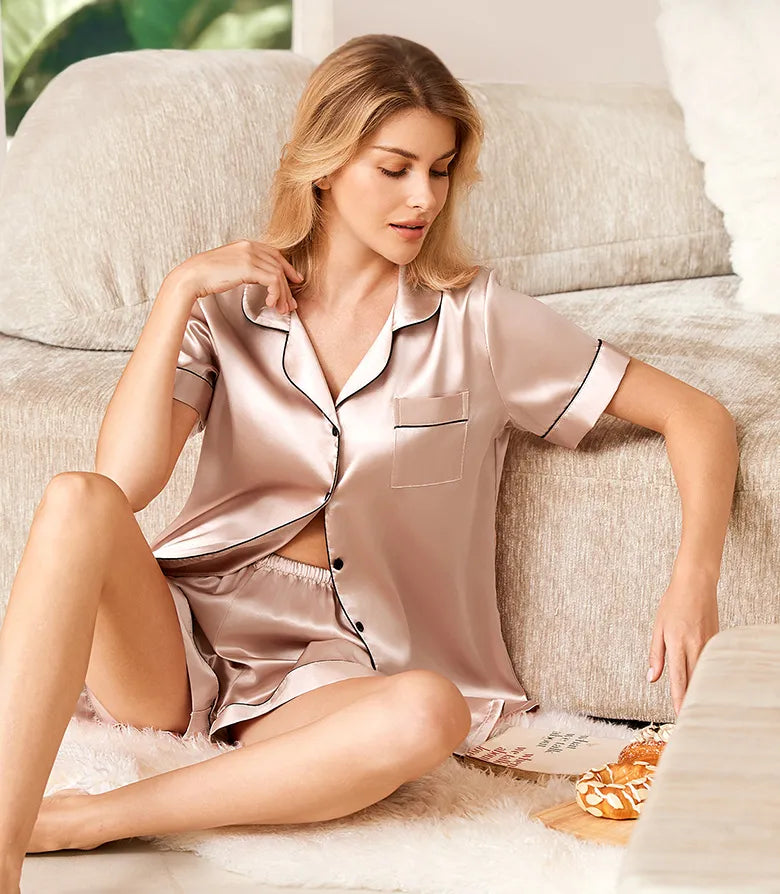
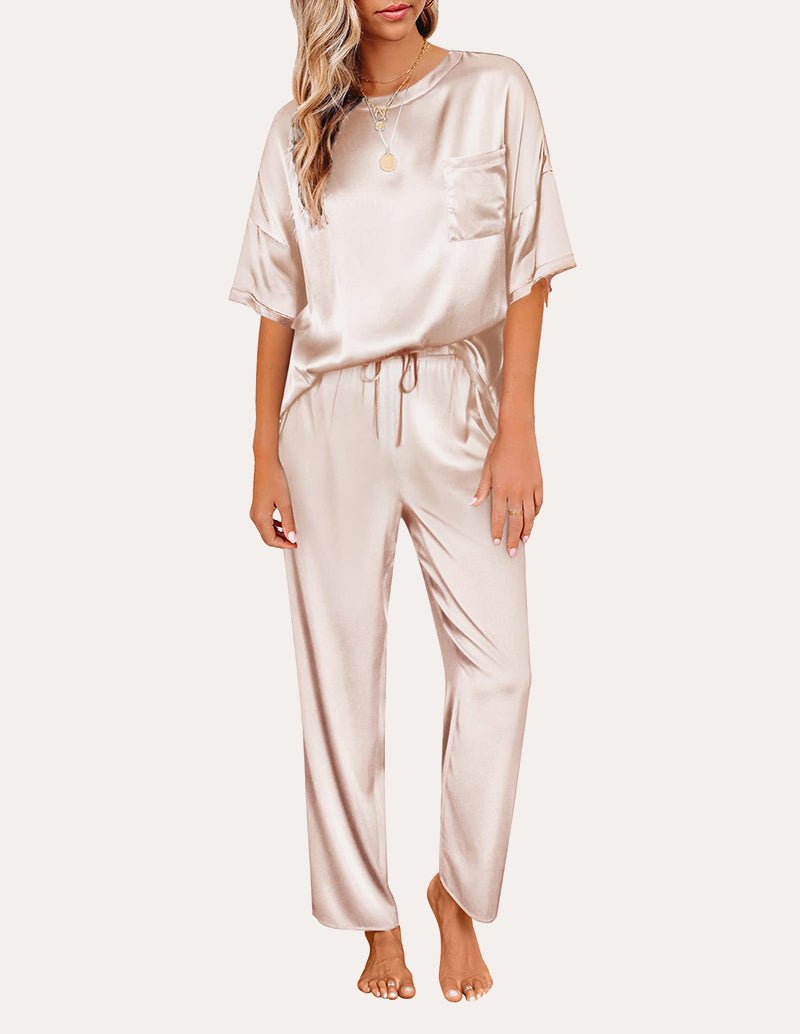
Satin Polyester Blend
The science: Satin is a weave construction, not a fiber — which means "satin" can be made from polyester, silk, or nylon. In US mass-market maternity wear, satin almost always refers to a polyester filament weave. The result is a fabric with a distinctive luster, a smooth surface that drapes without clinging, and good wrinkle-resistance.
What it does for pregnant bodies:
-
Flattering drape: Satin's drape is particularly forgiving for bodies that are changing shape — it skims rather than clings, which means it doesn't highlight areas that are temporarily different from your pre-pregnancy shape.
-
Temperature neutrality: Unlike silk (which is a natural temperature regulator but requires dry cleaning), polyester satin is machine washable and quick-drying. It doesn't absorb moisture the way cotton does, which means it dries faster and resists staining.
-
Visual polish: The slight sheen of satin gives a "dressed up" quality that plain cotton or jersey lacks. For US women who need to look presentable on video calls, at the pediatrician's office, or during a social visit without changing clothes, this matters.
What to look for on the label: 95% Polyester + 5% Spandex. The spandex is non-negotiable — without it, satin loses shape after a few wears. Avoid "fashion satin" (100% polyester without spandex) in maternity wear; it doesn't stretch, and recovery is poor.
Best for: Sleepwear that doubles as outside wear, loungewear that needs to look intentional, and postpartum pieces that have to photograph well. An Ekouaer satin V-neck 2-piece set is built on exactly this logic — the piece you wear when you don't want to change but also don't want to look like you didn't try.

-
Bamboo Viscose (Pure or High-Percentage Blend)
The science: Bamboo viscose is made by extracting cellulose from bamboo pulp and spinning it into fiber. The resulting fabric is significantly more breathable than standard polyester, naturally moisture-wicking, and has natural antibacterial properties (a bonus when you're dealing with postpartum discharge or breastfeeding-related moisture).
What it does for pregnant bodies:
-
Moisture management: Postpartum night sweats are a documented phenomenon — hormonal shifts cause excessive sweating, particularly at night. Bamboo viscose's moisture-wicking properties help manage this in a way that cotton cannot. It moves moisture away from skin faster, reducing the clammy feeling that disturbs sleep.
-
Temperature regulation: Bamboo fabric is genuinely thermoregulating — not just marketing language. Its micro-gaps in the fiber structure allow for natural ventilation, which means it feels cooler in summer and retains warmth in air-conditioned spaces.
-
Gentleness on skin: The American Pregnancy Association notes that skin sensitivity, itching, and stretch mark irritation are among the most common skin complaints during pregnancy. Bamboo's smooth, round fiber surface is less abrasive than standard cotton, which can have sharper fibers that irritate sensitive skin.
What to look for on the label: High bamboo content (47% or above). If bamboo is listed at less than 30%, the fabric behaves more like standard viscose — breathable but poor recovery. Avoid 100% bamboo without spandex; it wrinkles easily and loses shape.
Best for: Sleepwear, loungewear, and postpartum clothing — particularly for women who experience night sweats, live in warm climates (the Southern US, California, Arizona), or have skin sensitivity.

-
Cotton + Spandex Blends
The science: Cotton is a natural fiber with excellent breathability and skin compatibility. Spandex (also called elastane) is a synthetic stretch fiber with exceptional recovery properties. Combined — typically as 90–95% cotton + 5–10% spandex — the blend gives you cotton's comfort with the stretch and recovery that pure cotton lacks.
What it does for pregnant bodies:
-
Breathability where it counts: Cotton's breathability is real and well-documented. For the belly area, chest, and lower back — the zones that expand fastest during pregnancy — cotton keeps air circulating and reduces the trapped-heat feeling that synthetic fabrics can cause.
-
Shape retention through size changes: The spandex component means the fabric recovers after stretching rather than bagging out. This is why a 90/10 cotton-spandex blend maternity top fits at 16 weeks and 34 weeks — the fabric accommodates both without permanently deforming.
-
Durability: Cotton-spandex blends handle repeated washing better than most synthetic alternatives, particularly in hot water. For US women who are washing maternity clothes frequently (postpartum laundry is a reality), this matters.
What to look for on the label: At least 5% spandex/elastane. Below 5%, the stretch recovery is insufficient for maternity use. 100% cotton maternity pieces are not worth buying — they'll bag out within weeks.
Best for: Everyday tops, dresses, and casual wear. Less ideal for sleepwear specifically, where satin or bamboo blends typically outperform.

Fabric Comparison Summary
|
Fabric |
Breathability |
Stretch Recovery |
Durability |
Skin gentleness |
Best Use |
|---|---|---|---|---|---|
|
Brushed Milk Silk Blend |
⭐⭐⭐⭐⭐ |
⭐⭐⭐⭐⭐ |
⭐⭐⭐⭐ |
⭐⭐⭐⭐⭐ |
Sleep, hospital, postpartum |
|
Satin Polyester Blend |
⭐⭐⭐⭐ |
⭐⭐⭐⭐ |
⭐⭐⭐⭐ |
⭐⭐⭐⭐ |
Versatile day-to-night |
|
Bamboo Viscose Blend |
⭐⭐⭐⭐⭐ |
⭐⭐⭐⭐ |
⭐⭐⭐⭐ |
⭐⭐⭐⭐⭐ |
Hot sleepers, skin sensitivity |
|
Cotton + Spandex |
⭐⭐⭐⭐⭐ |
⭐⭐⭐ |
⭐⭐⭐⭐ |
⭐⭐⭐⭐ |
Everyday casual wear |
US Maternity Sizing Guide — How to Buy Without Guessing
Sizing is where US women lose the most money on maternity clothing. The fix is simple — but it requires understanding how US maternity brands actually size their garments.

The Core Rule
Buy your pre-pregnancy US size in maternity clothing — not a size up.
US maternity brands design their garments to fit your pre-pregnancy body and grow with your bump from there. A size "Medium" in US maternity clothing is cut to fit someone who wore a Medium before pregnancy. The built-in extra room is where your bump goes — not extra space for a larger body.
The only exceptions:
-
Expecting twins or multiples — size up, as the growth curve is significantly different
-
You typically wear between sizes — round up, not down
-
You've been advised to gain significantly more weight than average — your OB-Gyne will tell you
How to Measure (US Standard)
For US online maternity shopping, you need three measurements:
-
Bust: Measure the fullest part, tape parallel to the floor, snug but not tight. This is where most women first notice fit changes.
-
Natural Waist: Measure around your navel level — the point where most maternity waistbands sit. Even if you don't have a visible bump yet, this measurement determines where clothes will sit.
-
Fullest Part of Belly: Measure around the apex of your bump, typically at or just above navel level. This determines whether tunic-length tops will actually cover your belly at 34 weeks.
US Size Conversion Reference:
|
Pre-Pregnancy US Size |
Recommended Maternity Size |
Notes |
|---|---|---|
|
XS (0–2) |
XS or S |
Depends on brand; check size chart |
|
S (4–6) |
S or M |
Most consistent across brands |
|
M (8–10) |
M or L |
Most consistent across brands |
|
L (12–14) |
L or XL |
Some brands run small |
|
XL (16–18) |
XL or 1X |
Check hip measurement too |
|
1X (20–22) |
1X or 2X |
Many brands stop at XL |
Note: US maternity sizing varies significantly between brands. Always check the specific retailer's size chart before purchasing — particularly for specialty items like hospital gowns.
Trimester-by-Trimester Sizing Strategy
|
Trimester |
What to Buy |
Sizing Rule |
Key Features |
|---|---|---|---|
|
First (Weeks 1–12) |
Extend existing wardrobe |
No maternity sizing needed yet |
Belly bands, stretch camisoles, loose tops |
|
Second (Weeks 13–26) |
Begin maternity purchases |
Buy pre-pregnancy size |
Stretch panels, empire waists, adjustable features |
|
Third (Weeks 27–40+) |
Comfort-first decisions |
Buy pre-pregnancy size; adjust for growth if between sizes |
Elastic/drawstring waists, breathable fabric priority |
The Maternity Shopping Checklist — Before You Buy Anything
Run every potential purchase through this checklist:
Fabric check:
-
[ ] Does the label show at least 5% spandex/elastane? (Non-stretch maternity fabrics lose shape within weeks)
-
[ ] Is it OEKO-TEX certified or equivalent? (Reduces chemical exposure against sensitive pregnancy/postpartum skin)
-
[ ] Is it machine washable? (Hand-wash-only pieces are not realistic for postpartum laundry volume)
-
[ ] Does the fabric breathe? (If it doesn't feel breathable on a warm day in the store, it won't feel better at home)
Fit check:
-
[ ] Will it fit at 20 weeks AND 34 weeks? (Buy for the middle; let adjustability features handle the extremes)
-
[ ] Is the nursing access built-in? (Button fronts, V-necks, and flap designs work postpartum; clip-on panels and "nursing slits" often fail)
-
[ ] Does the waistband have adjustment options? (Drawstrings and elastic beats fixed waists every time)
-
[ ] Are there rough seams or embellishments that will irritate skin? (Pregnancy skin is more sensitive, not less)
Versatility check:
-
[ ] Can this piece work in at least 2 contexts — sleep, lounge, outside, postpartum? (Single-use maternity pieces have the worst cost-per-wear)
-
[ ] Will I actually wear this after pregnancy? (If the answer is no, it's not worth buying)
Learn More & Connect
At Ekouaer, our designs align with scientific standards and real-world comfort.
-
Health Standards: Our focus on comfort and temperature regulation follows maternal care principles recognized by clinical research on PMC.
-
Expert Feeding Tips: Our nursing-friendly features support breastfeeding best practices recommended by the CDC.
-
Community Choice: Explore real-world mom reviews and fabric tests on Reddit and YouTube.
-
Follow Us: Join our global community on Facebook, Instagram, Twitter & YouTube.
Frequently Asked Questions (FAQ)
Q: What fabric is best for maternity clothes in the US?
A: For US climates and lifestyle, a brushed milk silk blend (Polyester + Bamboo Viscose + Spandex) offers the best combination of breathability, stretch recovery, skin gentleness, and durability for sleepwear and postpartum wear. For everyday casual clothing, cotton-spandex blends with at least 5% stretch provide excellent breathability with good shape retention.
Q: Should I buy my pre-pregnancy size or size up for maternity clothes?
A: Buy your pre-pregnancy US size in maternity clothing. US maternity brands engineer their garments to fit your pre-pregnancy body with extra room built in for your growing bump. The only exceptions are expecting multiples or significant weight gain outside typical pregnancy patterns.
Q: How do I find my correct US maternity size without trying things on?
A: Take three measurements: bust, natural waist, and the fullest part of your belly. Compare against the specific retailer's size chart — US maternity sizing varies between brands. When between sizes, round up.
Q: When should I start buying maternity clothes in the US?
A: ACOG and US OB-Gyne guidelines suggest most women begin needing maternity clothes between 12–18 weeks, when regular clothing starts feeling restrictive around the midsection. Cleveland Clinic notes that the second trimester is when the uterus has expanded enough to shift posture and fit. First-trimester purchases should be limited to comfort extenders (belly bands, stretch camisoles).
Q: What is the most versatile maternity fabric for US moms?
A: Brushed milk silk blends score highest for versatility because they work across sleepwear, loungewear, and postpartum recovery — replacing multiple single-purpose items. Bamboo viscose blends are the top choice for women who experience temperature sensitivity or postpartum night sweats, common in US climates with variable indoor climate control.
Q: How many maternity pieces do I actually need in my US wardrobe?
A: Most US women function well with 4–6 core maternity pieces: 1–2 sleep/lounge pieces, 1–2 everyday wear items, and 1–2 versatile pieces that cross between categories. The key is versatility — pieces that replace multiple single-use items, particularly 3-in-1 designs that work from hospital to home.
About the Author
Written by the Ekouaer Editorial Team
About Ekouaer
Founded in 2014, Ekouaer is a leading maternity and nursing wear brand specializing in comfortable, functional clothing designed for pregnancy, labor, and postpartum recovery. Our Berlin Design Award-winning styles prioritize both safety and style, with all fabrics being OEKO-TEX certified to ensure the highest quality standards.
In partnership with airmid healthgroup, our designs are engineered for real-world comfort and have been recognized as an "Editor's Choice" by CNN Underscored, Forbes, and TODAY.com. Additionally, our specialized maternity essentials are proud recipients of the Mom’s Choice Awards. Explore the full range of nursing shirts and postpartum outfits in the Ekouaer catalog.
Related Guides
-
Bamboo vs Satin vs Cotton: What’s the Best Fabric for Maternity Sleepwear?
-
What Are Maternity Pajamas and How Do They Support Comfort During Pregnancy?
-
Why Are Bamboo Nursing Pajamas Recommended for Hot and Sensitive Skin?
-
How Many Maternity Pajamas Do You Actually Need? (Realistic Guide for Moms in 2026)