How to Style a Robe So It Looks Intentional, Not Like Sleepwear
A robe is the easiest piece in your closet to make look expensive, or to make look like you just rolled out of bed. The difference comes down to three moves: define the waist, choose the right fabric for the moment, and let accessories do the talking. Below are five ways to style a robe so it reads as a deliberate outfit, plus the mistakes that give the game away and a few ideas for wearing one from morning to evening.

Key Takeaways
-
Belt the waist every time. A cinched middle is what turns a cover-up into a shape.
-
Match the fabric to the occasion: silk or satin for polish, cotton for casual, velvet for drama.
-
Layer under it. A tee, turtleneck, or camisole adds modesty and makes the robe feel like clothing.
-
Footwear and a structured bag are the fastest upgrades from loungewear to look.
-
Keep the robe clean and steamed. Wrinkles are what make it read as sleepwear.
The One Rule That Changes Everything
If you remember one thing, make it the belt. A robe left open or loosely tied hangs like a bath towel, which is exactly the look you are trying to avoid. Cinch it at the natural waist and the whole silhouette changes: the fabric drapes instead of droops, your shape appears, and the eye reads an outfit rather than a cover-up. This single step does more than any accessory, and it works on every body type because it creates a waistline where the garment otherwise has none.
From there, the rest is detail. The belt can be the robe's own sash, a wider obi-style wrap, or even a thin leather belt for a sharper line. Once the middle is set, you are free to play with length, layers, and jewelry without looking undone. Think of the belt as the frame and everything else as the picture, because without the frame the picture has no shape.
Belt material sets the tone. The robe's own fabric sash gives a soft, continuous line. A leather or chain belt adds structure for a sharper, more modern feel. A wide obi wrap reads formal and evening-ready. Try two and keep the one that matches the shoes you plan to wear, because the belt and the shoe are what frame the whole look and tell people you dressed on purpose.
Five Ways to Style a Robe
These five formulas cover most of the moments a robe can handle, from a date night to a casual work call. Each one starts from the same belt and builds outward.
-
The date-night short robe. Pick a wine or black satin robe at a flirty short length, belt it high, add heels and a bold lip. Kimono sleeves or a high collar tip it from boudoir to evening, and a little ankle shows to keep it playful rather than severe.
-
The soft evening wrap. Take a long velvet or plush robe, drape it slightly off one shoulder, and add a broad obi belt with delicate gold jewelry. Lighter colors need a subtle sheen or light embroidery to avoid looking like a towel, so choose fabric with a hint of texture.
-
The sporty monochrome. A hooded robe over a plain white tee and fitted shorts, finished with a crossbody bag and trainers in the same color. A bold lip keeps it from reading as gym clothes, and the single color block is what makes the look feel styled.
-
The work ensemble. A light knit robe in a bright color as the final layer over dark trousers and a solid tee, with flats and a thin belt. It reads as a relaxed blazer alternative for a casual office, and the structured fabric keeps the line clean on camera.
-
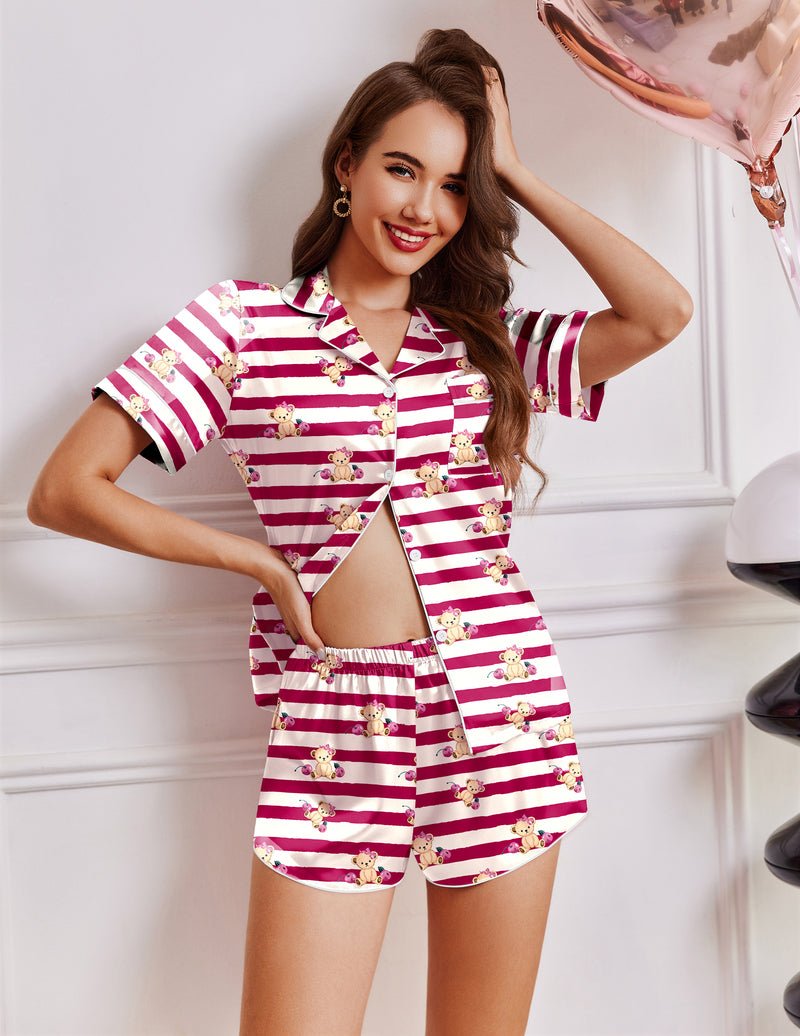
The print statement. A quirky printed robe thrown over a simple tee and jeans. The pattern does the work, so keep the rest of the look quiet and let the robe be the headline, then anchor it with neutral shoes.
The length matters more than people expect. Midi or knee-length robes flatter most bodies because they show a little leg without going full evening gown. A long robe needs a strong waist pull or it can swallow your shape, while a short robe pairs best with tights or tailored shorts for coverage. When in doubt, midi is the safest middle ground and the easiest to dress up or down with a change of shoes.
Robe Length and Body Type
Length does more than coverage. A short robe shows leg and reads playful, best with tights or shorts. A knee or midi length is the safe everyday choice that flatters most shapes and works for the widest range of occasions. A floor-length robe looks formal but needs a strong waist pull or it can swallow your frame. If you are between lengths, go midi: it is the most forgiving and the easiest to dress up or down with a change of shoes.
Body type plays a smaller role than people fear. Because the belt sets the waist, most robes can be made to flatter most figures. The real trick is proportion: pair an oversized robe with fitted bottoms, and a shorter robe with wider-leg pants, so the eye always has a clear line to follow. Boxier, relaxed fits add to the laid-back vibe without making you look underdressed, which is the whole point of robe styling.
Color and Print Choices
Solid robes in black, ivory, or blush are the versatile workhorses that pair with anything in your closet. A bold color like emerald or cobalt makes the robe the statement piece, so keep the rest of the outfit quiet and let it lead. Prints, from floral to geometric, hide wrinkles and read as intentional even when the fabric is casual, which makes them a smart pick for travel or busy mornings.

A Sample Day in One Robe
The robe earns its place because it carries you through hours that would otherwise mean three outfit changes. A simple version of the day looks like this:
-
Morning: throw the robe over pajamas for coffee and a slow start, belted loose.
-
Midday: swap the pajamas underneath for a tee and jeans, belt it tight, add trainers.
-
Evening: change to a camisole and trousers, switch to heels and gold earrings for dinner.
None of those changes takes more than a minute, and the robe stays the constant that pulls the day together. That is the real argument for owning one good one: it removes the daily question of what to change into, and it always looks like you meant to wear it.
Layering Through the Seasons
A robe is not just for warm weather. In cooler months, layer a thin turtleneck or fitted knit underneath and add a long necklace to draw the eye up and break the horizontal line. A structured blazer over the robe smartens it for a casual office or a daytime outing with friends. In summer, let a short silk robe flow over a slip dress with minimal accessories, and the fabric choice does the seasonal work: velvet and waffle knit for cold, silk and cotton for heat.
Pick the Right Robe for the Job
The fabric does a lot of the styling work for you, so choose with the moment in mind. The list below maps fabric to occasion so you are never caught in the wrong robe.
-
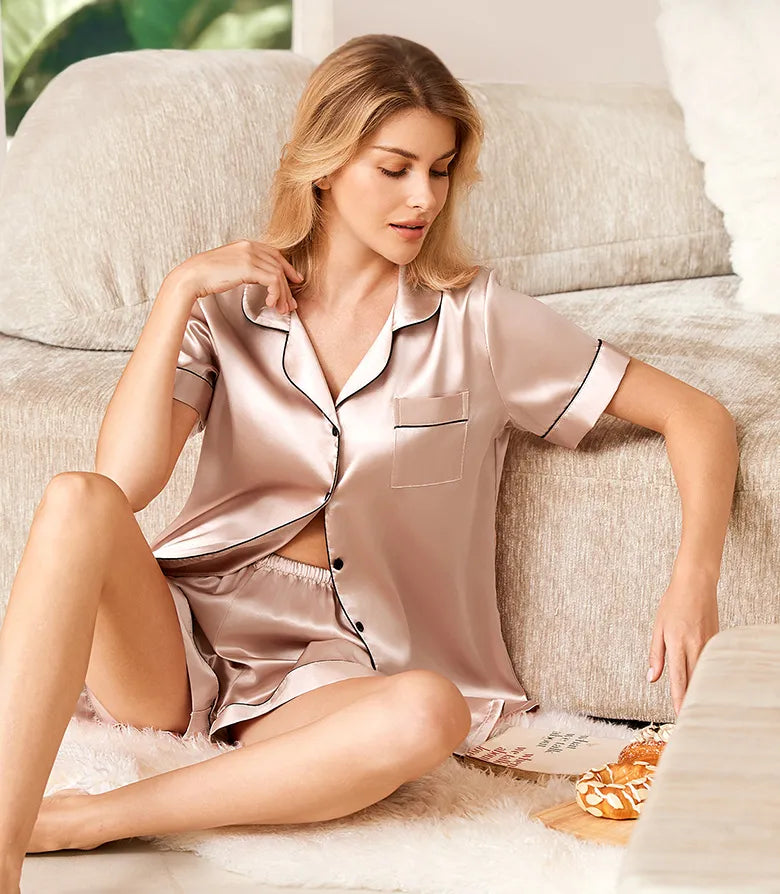
Silk or satin for elegance and evening, when you want that fluid sheen.
-
Cotton or waffle knit for casual mornings and errands, easy to wash.
-
Velvet for winter events and drama, best draped asymmetrically.
-
A structured, heavier robe reads more like a coat and works as outerwear.
What to Avoid
A few habits are what make a robe look like sleepwear rather than style. Skip these and the rest of the work gets much easier.
-
Terry cloth or plush fleece outside the bathroom. They signal sleepwear instantly.
-
Leaving it untied or hanging open past the waist, which kills the shape.
-
Overloading on accessories so the robe's natural flow disappears under clutter.
-
Wrinkled fabric. A quick steam is the difference between intentional and undone.

Where Ekouaer Fits
Ekouaer treats the robe as a real outfit piece, not just a cover-up, which is why the line includes satin and knit options cut to drape rather than droop, sized XS to 3XL. The My Comfort Era collection with Vanessa Hudgens shows how a single polished robe moves from a slow morning to a door-answering look without a full change. If you want the full at-home wardrobe, our pajamas versus loungewear guide explains where a robe fits in the day and how to build the rest of the pieces around it.
Frequently Asked Questions
Can you wear a robe as a dress?
Yes, with structure and a belt. Midi or knee length flatters most bodies, and a camisole underneath adds coverage. A wide belt pulls the waist in so the robe reads as an outfit instead of a cover-up, and the right shoes finish the look.
Is a robe appropriate outside the house?
It is, when the fabric and styling say outfit rather than bath. Silk, satin, or structured knits with a belt read as outerwear, while terry cloth belongs in the bathroom. The setting decides: a coffee run is fine, a formal meeting is not.
How often should you wash a robe?
Every 3 to 5 wears is a good rule, or air it out between uses if worn after a shower. Silk robes prefer a gentle hand wash, while cotton knits tolerate a delicate machine cycle. Always check the care label before the first wash.
What shoes go with a robe outfit?
Heels or strappy sandals for evening, clean trainers or loafers for daytime. The shoe is what frames the look, so match it to how dressed-up the rest of the outfit feels, and keep the bag structured to balance the softness of the robe.
Can men wear a robe as outerwear too?
Yes. A robe-style jacket over a crisp shirt and trousers reads as a relaxed blazer alternative, and boxier cuts lean more casual without looking underdressed. The same belt rule applies: cinch the waist and the look becomes intentional rather than lazy.
Related Reading
About Ekouaer
Ekouaer makes versatile at-home pieces that move from a slow morning to a door-answering look, which is why the robes and lounge sets are cut to drape rather than droop, sized XS to 3XL. Recognized by Forbes Vetted, CNN Underscored, and Oprah Daily, the brand uses Airmid Certified Comfort fabrics that stay smooth through the wash. The My Comfort Era line with Vanessa Hudgens shows how one polished piece covers more of the day.