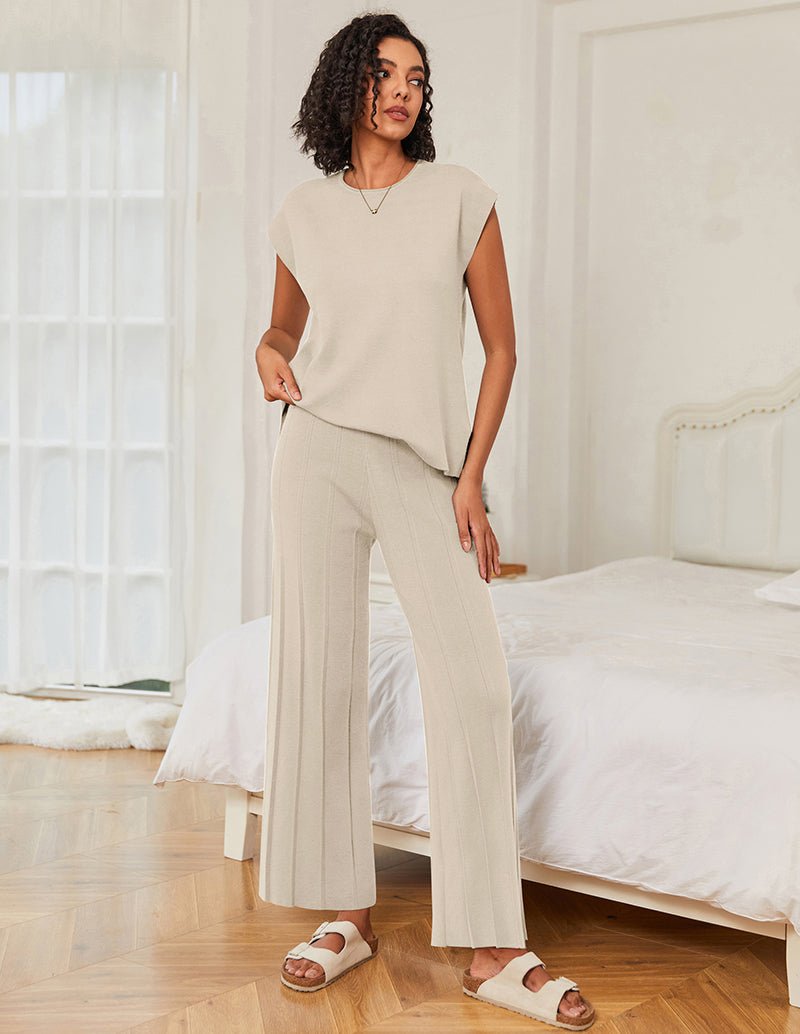
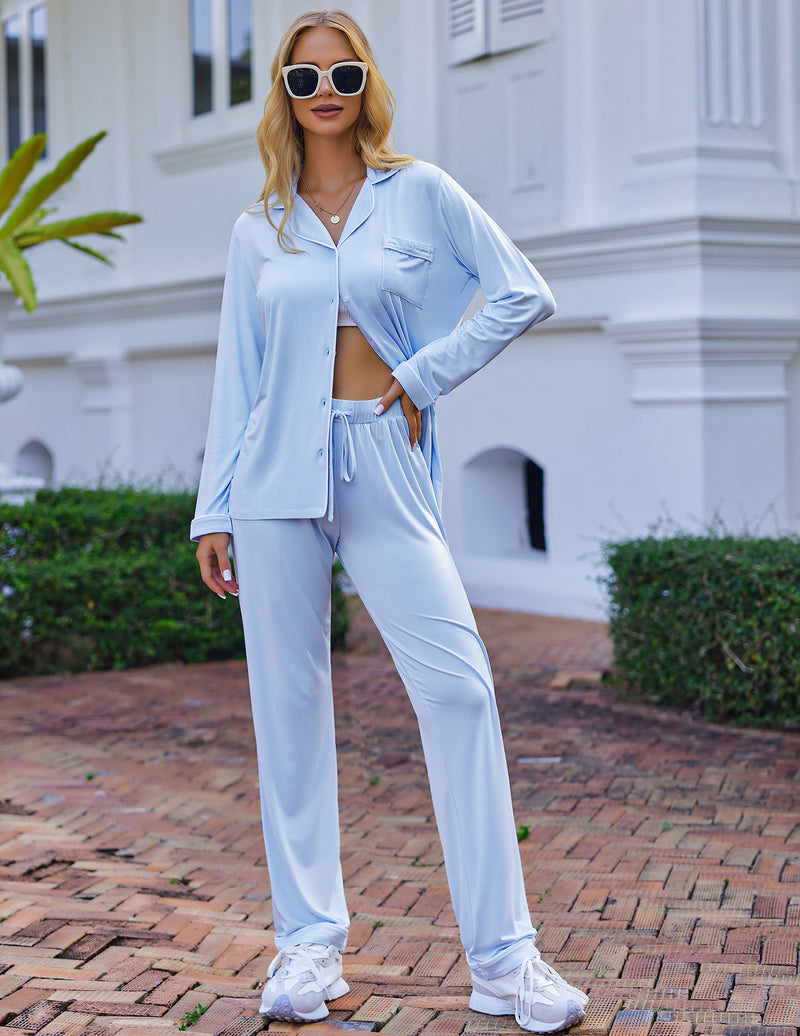
Moisture-Wicking Pajamas: The Fabric Feature That Keeps Hot Sleepers Cool

Moisture-wicking pajamas are sleepwear made from fabrics that move sweat away from your skin instead of holding it. The sweat spreads across the surface of the fabric, where it evaporates faster, so you stay drier and cooler through the night. For hot sleepers, people in humid climates, and anyone who wakes up damp, the difference is not a marketing line. It is the gap between a restless night and a dry one.
This guide covers what wicking actually does, which fabrics deliver it, who benefits most, and how to pick a set without guessing. We also point out where silk and cotton fall short, because the softest fabric is not always the coolest. If you only remember one thing, make it this: the right fabric does more for a hot night than any gadget or the coldest setting on the thermostat.
Key takeaways
-
Moisture-wicking means the fabric pulls sweat to the surface to evaporate, keeping skin drier than cotton or silk.
-
Synthetic blends, bamboo viscose, and modal wick well; cotton absorbs and stays wet; silk barely wicks at all.
-
Best for hot sleepers, night-sweaters, humid climates, post-workout sleep, and menopausal nights.
-
Look for lightweight knits, breathable weaves, and tag-free seams for comfort that lasts all night.
-
Care matters: skip fabric softener, which coats fibers and blocks the wicking action.
What moisture-wicking actually does
Your body cools itself by sweating. On skin, that sweat just sits there and feels clammy. A wicking fabric uses capillary action to pull that moisture into the material and spread it out, so it meets more air and evaporates quickly. The CDC notes that a cool, quiet bedroom supports better sleep, and managing body moisture is part of staying comfortable through the night.
The mechanism is simple but effective. Dry skin loses heat more efficiently than wet skin, so moving sweat off your body helps you regulate temperature instead of fighting it. People with sleep trouble often overlook fabric, but MedlinePlus explains that poor sleep quality comes from repeated small disruptions, and overheating is one of the most common ones. The NHLBI sleep guide similarly points to a cool room as a cornerstone of restful sleep.
Who actually needs wicking pajamas
Not everyone sweats at night, but a surprising number of people do, and most never connect it to their sleepwear. You are a good candidate if any of these sound familiar.
-
You wake up with a damp neck, back, or chest and have to flip the pillow.
-
You run warm even in a cool room, or your partner complains the bed is hot.
-
You live somewhere humid, where cotton never seems to dry out.
-
You exercise in the evening and go to bed still warm.
-
You experience night sweats tied to menopause or medication.
If none of that applies, a soft cotton or silk set may be all you need. But if you have ever kicked off the covers at 3 a.m. soaked, wicking fabric is the upgrade that actually addresses the cause.

Fabric comparison
This is where shopping gets confusing, because "soft" and "breathable" get used for everything. Here is how the common pajama fabrics actually handle moisture.
|
Fabric |
Wicking |
Feel |
Best for |
|
Polyester or nylon blend |
Excellent |
Light, smooth, technical |
Hot sleepers, athletes, humid homes |
|
Bamboo viscose |
Good |
Cool, silky, drapey |
Warm sleepers who want natural feel |
|
Modal |
Good |
Soft, breathable, less clingy |
Sensitive skin, everyday comfort |
|
Cotton |
Poor (absorbs) |
Familiar, breathable when dry |
Cool, dry sleepers only |
|
Silk or satin |
Very poor |
Luxurious, temperature-neutral |
Low-sweat, special occasions |
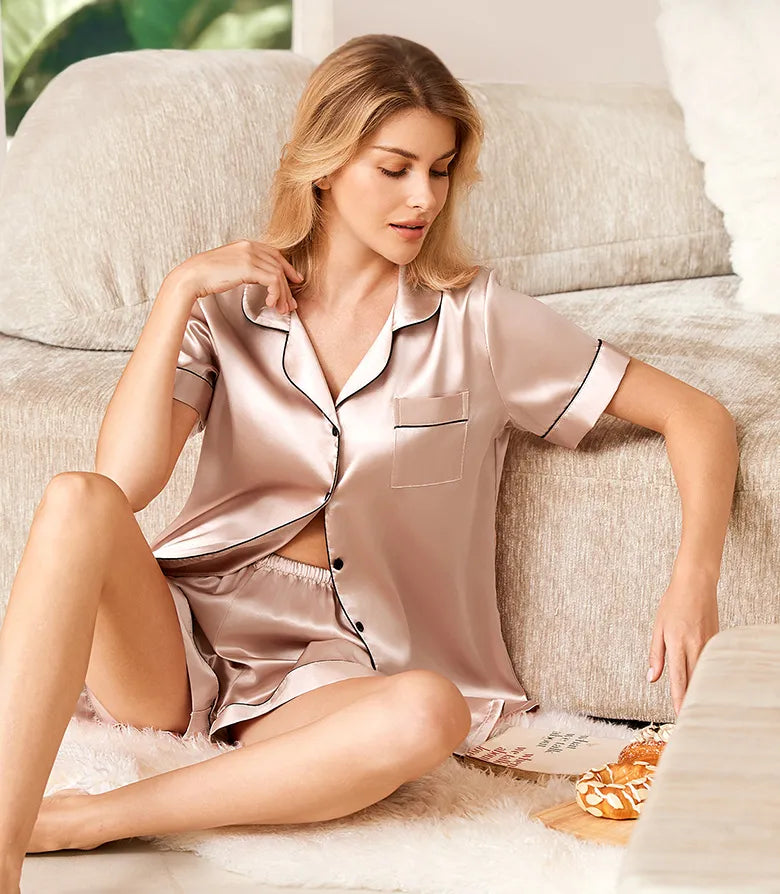
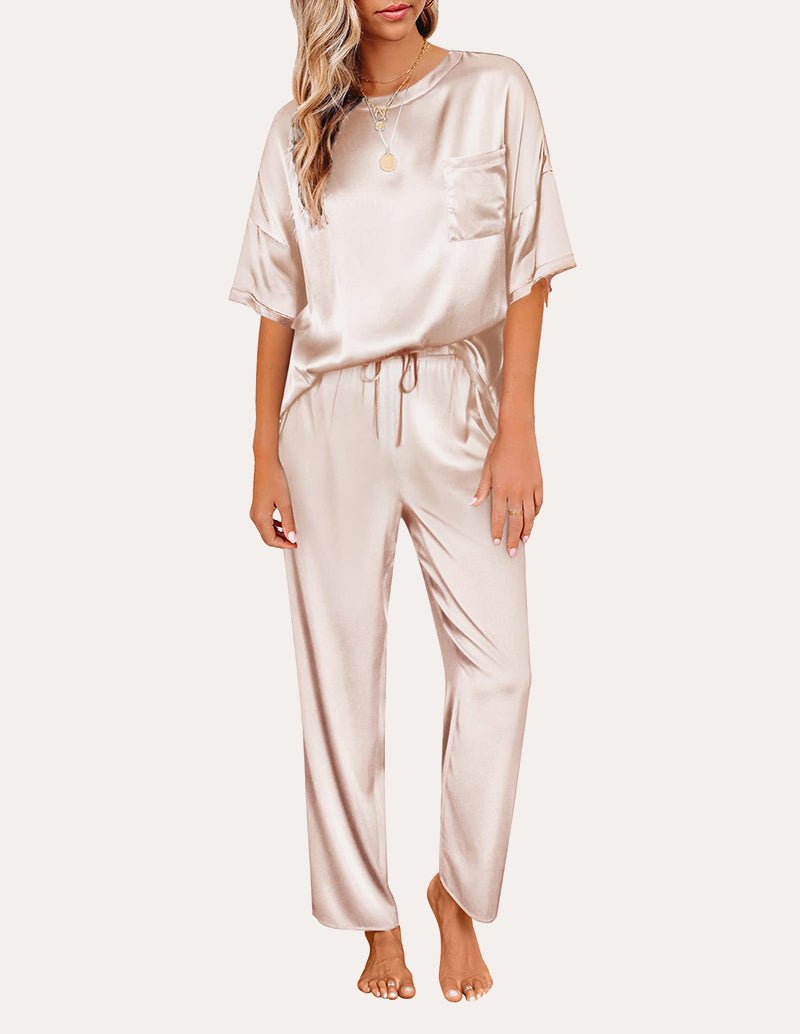
Notice silk sits at the bottom for wicking. It feels amazing, but it holds heat and moisture against the skin, which is why our best silk pajamas guide frames silk as a comfort and occasion fabric, not a cooling one. If you love the look of silk but sleep hot, a wicking bamboo or modal set will serve you better most nights.
Wicking versus cooling pajamas
The terms get used like they mean the same thing, but they are different jobs. Wicking moves sweat away from skin so you dry faster. Cooling usually means the fabric feels cool to the touch or uses airflow to shed heat. A good hot-sleeper set does both: it wicks the sweat and stays light enough to let air do the rest. Be wary of cooling claims on thick or fleece fabrics, because no finish fixes trapped heat. Check the weight and weave first, then trust the label.
How to shop for a set that works
Labels lie, so shop by behavior, not by the word "cooling" on the front. A few checks separate real wicking sleepwear from marketing.
-
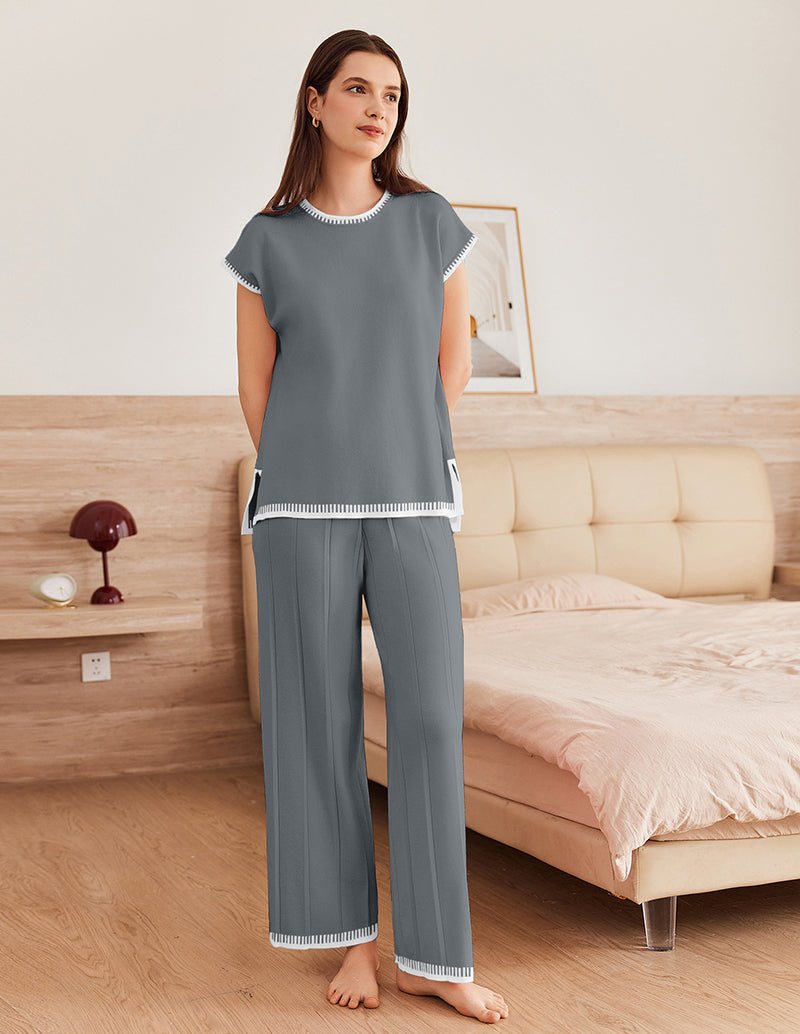
Pick lightweight knits over thick fleece. Fleece traps heat and works against you if you run warm.
-
Choose breathable weaves with some stretch so air moves and the fabric is not clinging.
-
Look for tag-free, flat seams. Wet skin makes every scratchy label worse at 2 a.m.
-
Avoid fabric softener in the wash. It coats fibers and quietly kills the wicking.
-
Prefer lighter colors for hot nights; they reflect rather than absorb warmth.
The women's nightgown style guide is useful here too, because many moisture-wicking options come as nightgowns or short sets that suit hot sleepers better than full-length pants.
Where Ekouaer fits
Ekouaer's lounge and sleep line spans both worlds: breathable cotton and bamboo-viscose sets for warm sleepers, plus silk-look options for lower-key nights. The practical move is to own one wicking set for hot nights and one soft set for cool ones, then rotate by season and by how your body feels that week. The guides hub walks through fabric choices by need, and if you are deciding between a gown and a two-piece, the nightgown vs pajama set comparison lays out when each wins.

If temperature control is your main sleep problem, start with a lightweight bamboo or modal set from the line and skip the fleece until winter. Small fabric choices beat expensive gadgets for most hot sleepers.
Caring for wicking sleepwear
These fabrics are low effort, but two habits keep them working. Wash in cool water, skip the dryer heat when you can, and never use fabric softener, since it blocks the very channels that move sweat. A basic look at how perspiration works makes the point: the fabric can only do its job if the fiber surface stays open, and softener clogs it.
Frequently asked questions
Are moisture-wicking pajamas better than cotton?
For hot or sweaty sleepers, yes. Cotton absorbs sweat and stays wet against your skin, which feels clammy. Wicking fabric moves that moisture away so you dry faster and sleep cooler.
Do moisture-wicking pajamas help with night sweats?
They do not stop sweating, but they reduce the damp, clammy feeling and help you cool down faster between episodes. Pair them with a cool room for the best effect.
Is bamboo or modal better for wicking?
Both wick well and feel cooler than cotton. Bamboo viscose drapes more like silk, while modal is softer and less clingy. Choose by feel; performance is close.
Can you wear moisture-wicking pajamas in winter?
You can, but most people switch to warmer layers when the heat drops. Keep one wicking set for hot flashes or heated bedrooms year-round, and reach for fleece or flannel on cold nights.
Why should I avoid fabric softener?
Softener leaves a coating on fibers that blocks moisture transfer. Your pajamas will feel softer out of the dryer but will wick worse, which defeats the purpose.
Do moisture-wicking pajamas hold odor?
They can, like any synthetic, but less than you might expect if you wash them promptly in cool water. Skip fabric softener, which traps smells as well as blocking wick, and they stay fresh far longer. Rotate two sets if you sweat heavily so each fully dries between wears.
Are moisture-wicking pajamas safe for sensitive skin?
Most wicking fabrics are fine for sensitive skin, but the safest bet is a blend with a little cotton or a certified bamboo viscose next to the skin, because pure polyester can feel clammy to some people. Wash new sets once before wearing, use a fragrance-free detergent, and avoid optical brighteners if your skin reacts easily. If irritation shows up, switch to a natural-fiber set and save the synthetics for the hottest, most humid nights when staying dry matters most.
Related Reading
About Ekouaer
Ekouaer is a sleepwear and loungewear brand built around one idea: comfort should be something you choose on purpose, not a fallback. The line covers pajama sets, nightgowns, robes, and loungewear in fabrics from breathable cotton to silk-look satin, with details like tag-free seams and adjustable waists that make relaxing easier. Recognized by Forbes Vetted, CNN Underscored, and Oprah Daily, and honored with the Mom's Choice Award for family-friendly design, the brand believes comfort is a form of care. Through "My Comfort Era" with Vanessa Hudgens, Ekouaer extends that care to every generation, because everyone deserves to feel soft at the end of the day.
Ekouaer in the Press
-
PEOPLE - Naomi Watts' v-neck sweater looks like this $30 Amazon style
-
InStyle - Selena Gomez and Oprah Winfrey's turtleneck sweaters
-
PEOPLE - The 50 best Amazon Prime Big Deal Days fall fashion deals
A simple way to choose
If you sleep hot, buy one lightweight wicking set in bamboo or modal, skip fabric softener, and keep the room cool. If you sleep cold, save the wicking set for summer and heated nights, and reach for cotton or fleece the rest of the year. Match the fabric to how your body actually runs, not to what feels softest in the store, and the nights get easier without any gadget.