
Is a Nightgown the Same as a Slip Dress?
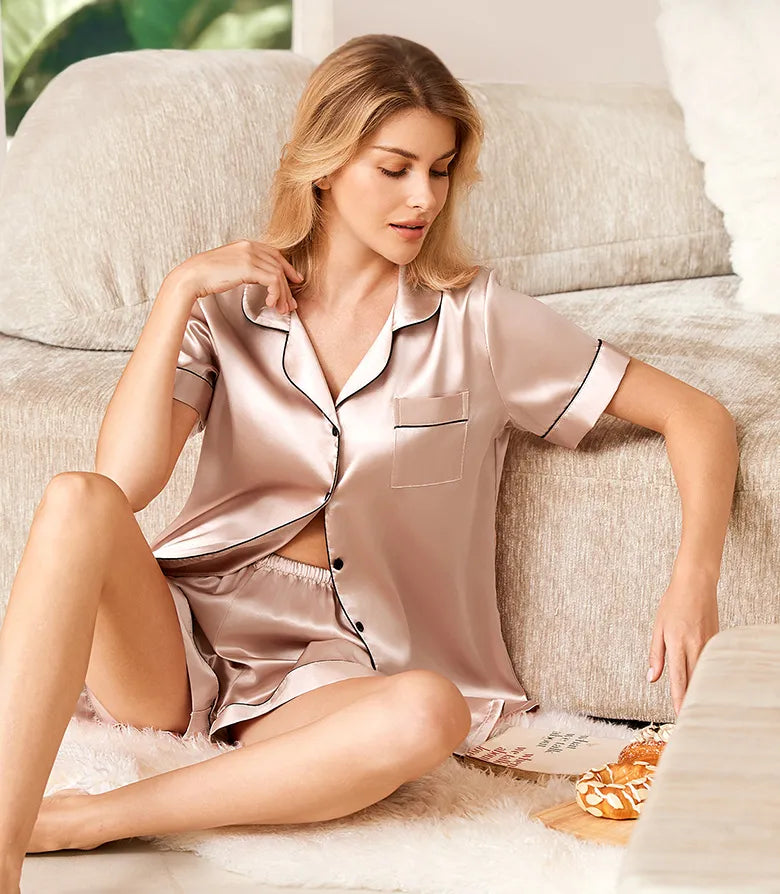
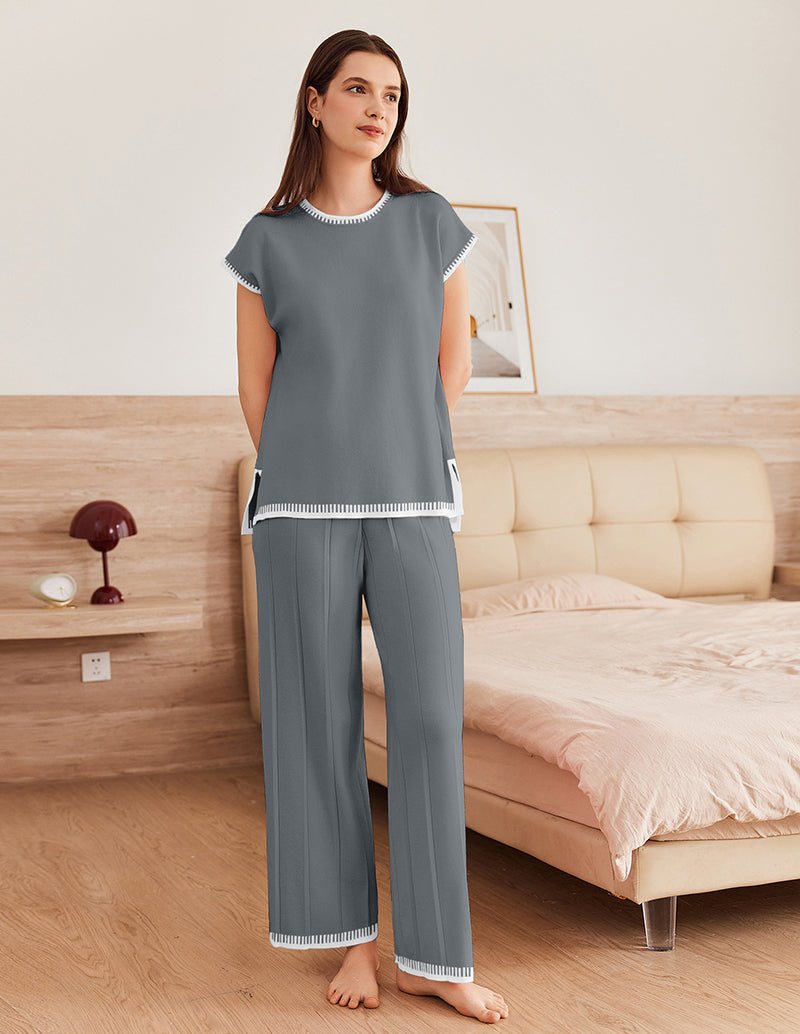
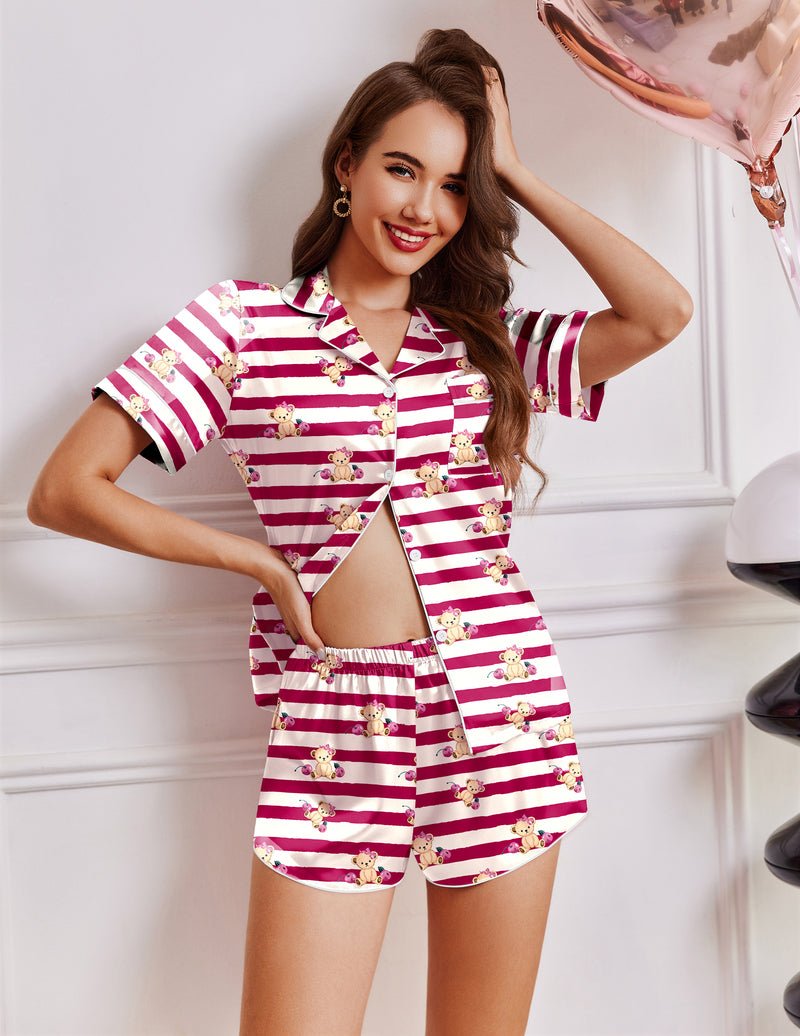
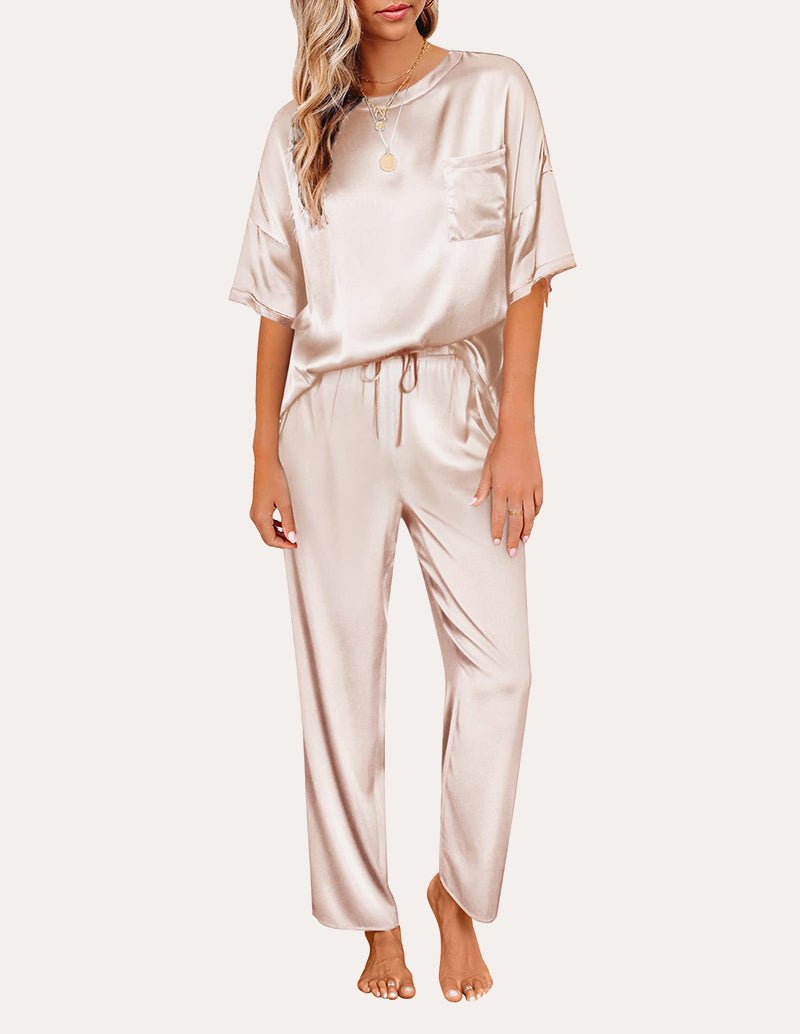
They look alike on a hanger and they share the spaghetti straps, but a nightgown and a slip dress are built for different lives. A nightgown is sleepwear first: loose, soft, made to keep you comfortable in bed. A slip dress is fashion first: a minimal, often bias-cut dress designed to be seen, either as a layering piece or on its own. The overlap is real, and some slip dresses do double as nightwear, but the intent is the difference you feel the moment you put one on. Once you know which question you are answering, sleep or style, the rest of the choice gets simple, and you stop buying pieces that only do half the job.
Key Takeaways
-
A nightgown is sleepwear; a slip dress is an outfit you can style.
-
Slip dresses run shorter and sleeker, nightgowns run longer and looser.
-
Fabric tells the story: nightgowns favor cotton and soft modal, slips favor silk and satin.
-
A slip can work as a nightgown, but a nightgown rarely reads as streetwear without help.

What Each One Actually Is
A nightgown is a dress-shaped garment meant for sleeping. It hangs from the shoulders, falls anywhere from thigh to floor, and is cut for ease rather than drama. You will find it in breathable cotton, soft modal jersey, or gentle silk, often with a little lace at the neck and a neckline built for lying down, not for a camera.
A slip dress takes that same shoulder line and strips it down to its fashion bones. It is bias-cut so it skims the body, usually hits at or above the knee, and is made from silk, satin, or a sleek poly blend that catches light. It was born as an under-layer to stop static and sheer skirts, then stepped out as a 90s icon you wear with a jacket or alone.
The line between them has also blurred on purpose. Brands now sell "sleep-to-street" pieces that borrow the slip's sleek cut and the nightgown's soft fabric, so a shopper can wear one garment to bed and out the door. That overlap is real, but it does not erase the design intent. When you pick one up, ask what job it was built to do, not just what it looks like on the hanger.

Nightgown vs. Slip Dress: The Side-by-Side
|
Attribute |
Nightgown |
Slip dress |
|---|---|---|
|
Main job |
Sleep and comfort at home |
An outfit, for layering or going out |
|
Typical length |
Midi to full length, sometimes short |
Mini to knee, body-skimming |
|
Common fabrics |
Cotton, modal, soft silk |
Silk, satin, sleek poly blends |
|
Where you wear it |
Bedroom and lazy mornings |
Outdoors, events, or as a base layer |
|
The vibe |
Cozy, timeless, undone |
Minimal, confident, a little dressed up |
How Fabric Changes the Whole Story
The same shoulder line feels completely different once you change the fiber. A cotton nightgown is matte, breathable, and easy to wash, which is why it has been bedroom standard for a century. A silk or satin slip is lustrous, cooler against the skin, and far more delicate, which is why it reads as occasion wear. The fabric is not just a detail, it is most of the message: cotton says comfort, satin says style.
Care follows the fabric. Cotton and modal nightgowns survive the normal machine and come out fine, so they fit a busy life. Silk and satin slips want hand washing or a gentle bag and flat drying, and they show water spots if you are careless. If you want one piece to do both jobs, a washable satin or a long silk slip is the pragmatic middle, soft enough for sleep and finished enough to style.

How to Tell Them Apart in 3 Seconds
-
Look at the straps and neckline. A slip is cut to sit like a finished garment, with clean lines; a nightgown often has softer, sleepier detailing.
-
Check the length. Anything skimming the thigh or knee with a body-aware cut is likely a slip; floor-grazing and loose reads nightgown.
-
Feel the fabric sheen. Satin or silk with a visible shine points to a slip dress; matte cotton or modal points to a nightgown.
When a Nightgown Makes More Sense
Reach for a nightgown when the goal is sleep. The loose cut lets air move, the soft fabric is kind to warm or sensitive skin, and you never worry about it riding up or reading as "dressed." It is the better call for:
It is also the piece you reach for on sick days, postpartum recovery, or any time the body wants less, not more. Nobody expects a nightgown to perform, which is exactly the relief it offers when you are not at your best.
-
Hot sleepers who want airflow without giving up coverage.
-
Lazy weekend mornings when you want to answer the door without changing.
-
Anyone building a nightgown drawer around comfort first.
When a Slip Dress Is the Better Call
Choose a slip dress when you want one piece that does more than sleep. Throw a blazer over it for dinner, a tee under it for daytime, or wear it alone when the afternoon is warm. It earns its spot when:
-
You want a travel outfit that packs to nothing and works for both day and night.
-
You are dressing for an event and want minimal, elegant lines.
-
You like the look of silk but need it to leave the house.

Can a Slip Dress Double as a Nightgown?
Often, yes. A silk or satin slip in a longer length is perfectly comfortable to sleep in, and many women keep one by the bed for exactly that. The catch is function: a slip is cut to skim, so if you move a lot at night it can twist, and delicate satin asks for gentler washing than cotton. Treat it as a pretty two-in-one rather than a true sleep specialist, and it will serve both jobs well.
If you buy one slip to sleep in, go longer and softer rather than short and strict. A midi silk slip gives you the dress shape by day and enough length to feel covered at night, while a tiny satin mini is a joy to wear out and a poor night's sleep. Match the fiber to the use: washable satin for weekly wear, delicate silk for the occasional night, and you get the double duty without the regret.
Which Should You Buy First?
If your drawer is empty and you only want one, start with the job you do most. Sleep is daily, so a breathable nightgown in cotton or modal earns its keep every night and asks for nothing special at laundry time. Add a slip dress once you have a reason to be seen in it, whether that is dinner, travel, or a wardrobe you actually enjoy. Most women end up with two or three nightgowns and one or two slips, and the slip gets pulled out far more often than its price suggests because it does double duty. If drawer space is tight, buy the slip first, since it covers both bed and door, then add a nightgown once sleep proves it earns the room.
Styling a Slip Dress So It Reads as an Outfit
The reason a slip can leave the house while a nightgown mostly cannot comes down to styling. A slip is cut like clothing, so it answers the same rules as any dress: structure on top, intent in the shoes, and a layer that says daytime. The nightgown is cut for bed, so even in pretty fabric the shape gives it away. A few moves close the gap:
-
Add a structured jacket, blazer, or denim layer to balance the softness.
-
Choose shoes with a heel, a boot, or a clean flat rather than bare feet or slippers.
-
Layer a thin tee or shirt under it for daytime, then shed it at night.
-
Keep jewelry minimal and a little sharp so the look reads styled, not sleepy.
The nightgown can borrow these tricks for a quick coffee run, but it will always read as comfort first. The slip was built to be read as fashion.
Frequently Asked Questions
Are slip dresses only for sleeping?
No. Slips started as under-layers but became outerwear decades ago. Today most are bought and worn as dresses, with sleep as an optional second life for the longer, softer ones. A true slip is a garment you style; rest is just the easy bonus.
Is a chemise the same as a slip?
Close, but not quite. A chemise is a short, sleeveless sleep piece, often with an A-line or bias cut. A slip is the same shape pulled into fashion territory, usually with a sleeker finish and streetwear intent. Think of the chemise as the sleepier cousin and the slip as the social one.
Which is better for hot sleepers?
A nightgown, specifically in breathable cotton, bamboo, or modal. A slip in silk can sleep cool too, but satin poly blends trap heat, so check the fiber before you commit to a sweaty night. When in doubt, a cotton or bamboo nightgown is the safe, cool pick.
Can you wear a slip dress outside the house?
Yes, and that is the whole point of the style. Pair it with structured pieces, shoes with a heel or a boot, and the right layers, and it reads as an outfit rather than sleepwear. The longer silk versions especially read as evening wear once you add the right shoes.
Related Reading
About Ekouaer
Ekouaer designs both sleep pieces and the easy dresses that blur the line, because comfort should not stop at the bedroom door. Recognized by Forbes Vetted, CNN Underscored, and Oprah Daily, the brand uses Airmid Certified Comfort materials in soft, wearable cuts from XS to 3XL, shipped to 180 plus countries. The My Comfort Era idea with Vanessa Hudgens is about pieces you can sleep in and still step out in, no outfit change required.