What's the Difference Between Pajamas and Loungewear?
The words get used as if they mean the same thing, especially on slow weekends when you never leave the couch. But pajamas and loungewear are built for different moments. One is made to help you sleep; the other is made to keep you comfortable while you are awake, at home or even out the door. Knowing which is which saves you from answering the door in sleepwear or trying to sleep in something that was never meant for bed.
The confusion is fair. Both are soft, both live at home, and both prize comfort over polish. Remote work and longer time indoors pushed loungewear into the spotlight, so the line between the two has never been fuzzier. Still, the jobs they do are not the same, and a quick look at fabric, fit, and where you would wear each one clears it up fast.

Key Takeaways
-
Pajamas are sleep-specific: loose, soft, breathable, and meant for the bedroom.
-
Loungewear is for relaxing while awake, and it is styled to step outside for errands or a coffee run.
-
The simplest test is the doorbell test. Would you answer the door in it without a second thought?
-
Most people need both: pajamas for night, loungewear for the in-between hours at home.
The Short Answer
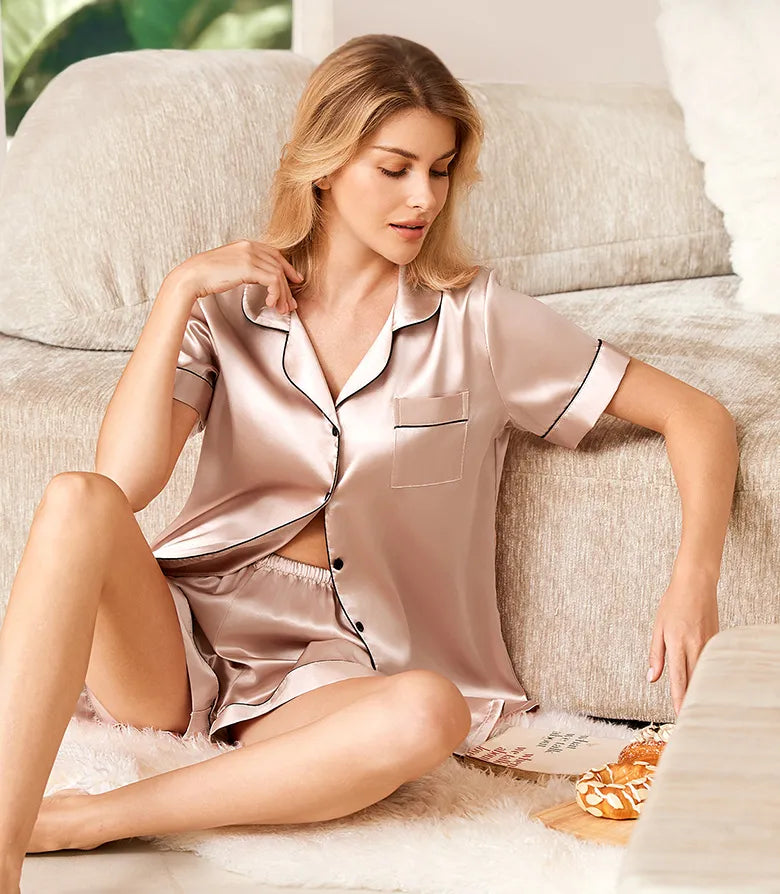
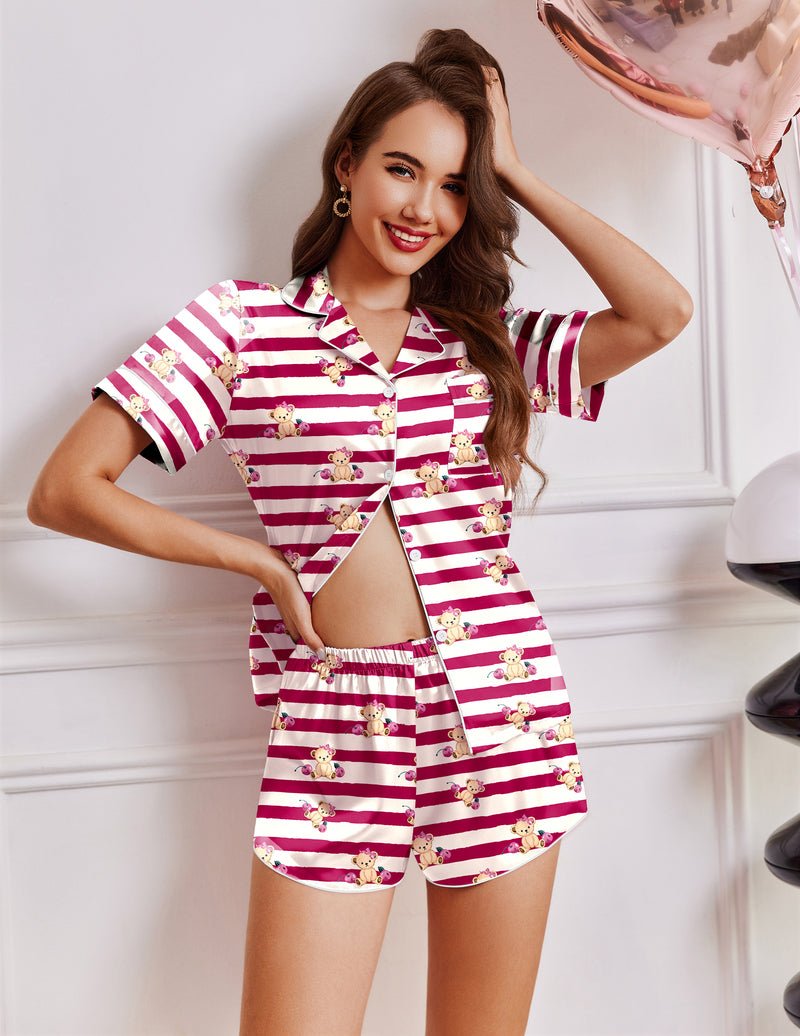
Pajamas are clothing designed to sleep in. They favor loose cuts and gentle fabrics like cotton, flannel, silk, satin, or modal so your skin stays comfortable through the night and nothing restricts you while you toss and turn. Loungewear is the comfortable clothes you wear while you are awake at home, and it is styled well enough to wear to the mailbox, a video call, or a casual brunch. Think of pajamas as nighttime comfort and loungewear as daytime comfort.
The split used to be sharper. Before remote work went mainstream, pajamas stayed in the bedroom and regular clothes handled the rest. Loungewear existed, but mostly as weekend or travel clothes. The past few years pulled it into daily life, which is why so many people now own matching sets they wear from morning coffee to an afternoon call. That shift is exactly what blurs the words, even though the garments still do different jobs.
Pajamas vs Loungewear: Side by Side
The gap is easier to see in a table than in a paragraph.
|
Feature |
Pajamas |
Loungewear |
|---|---|---|
|
Main job |
Sleeping and winding down |
Relaxing, working from home, light errands |
|
Where you wear it |
Bedroom and home only |
Home, plus casual outings and video calls |
|
Typical fabric |
Soft, breathable cotton, flannel, silk, modal |
Structured knits, French terry, fleece, modal blends |
|
Fit and style |
Loose, simple, low-key prints |
Relaxed but styled, often trend-led sets |
|
Common pieces |
Button sets, nightgowns, sleep shirts |
Joggers, hoodies, matching sets, tees |
What Loungewear Is For
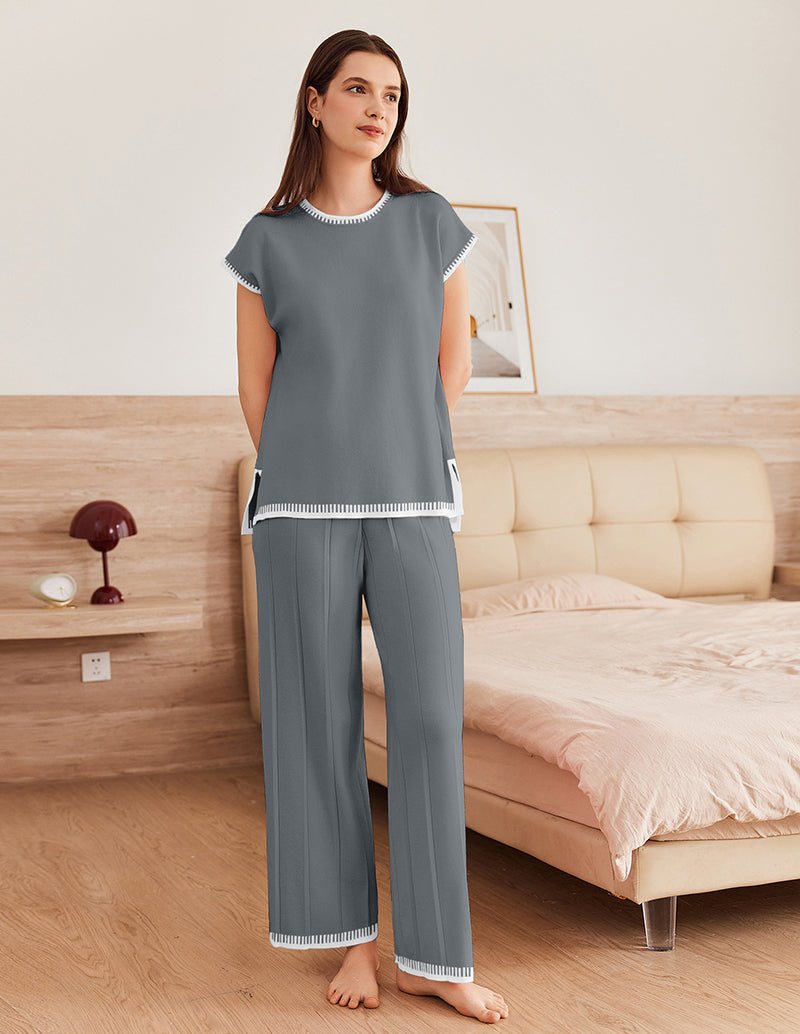
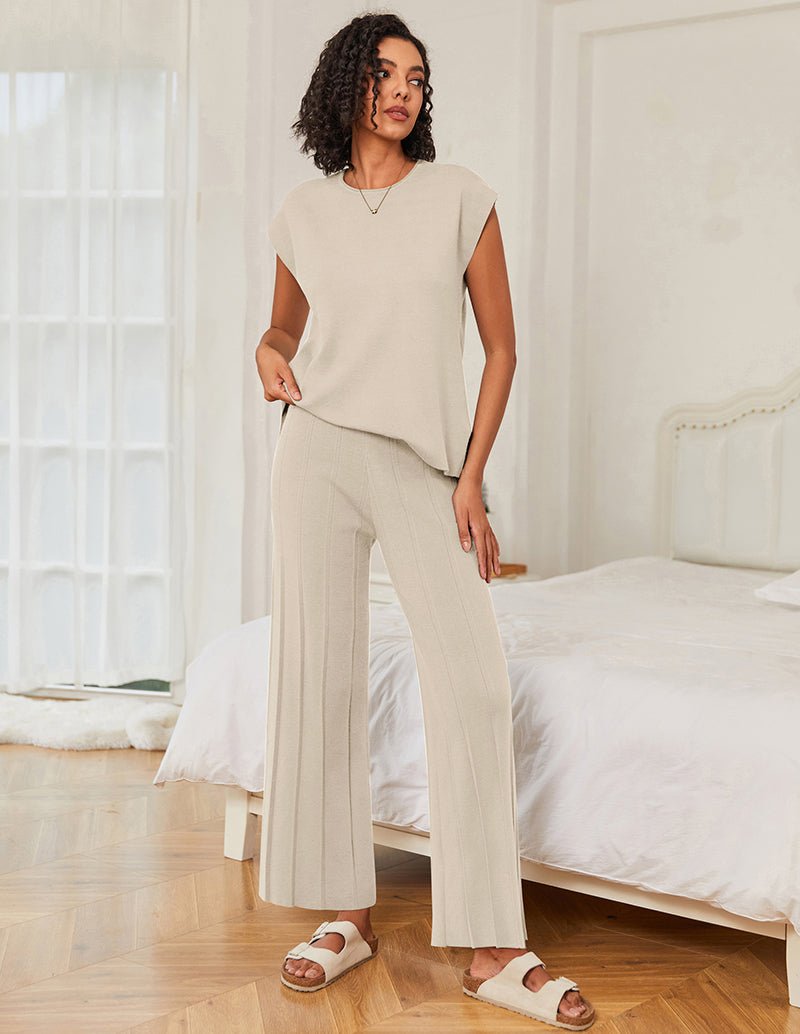
Loungewear sits between daywear and sleepwear. It is the outfit you put on after a shower but before real clothes, or the set you keep on for a full day of working from the couch. Because it is meant to be seen, it carries small styled details: a clean waistband, a matched top and bottom, cuffs that hold their shape. You reach for it when you want to feel put together without putting in the effort.
The fabric choice is the quiet tell. Loungewear uses knits with a bit of weight and structure, French terry being the classic example, so the set keeps its silhouette instead of going limp. That is what lets it read as an outfit rather than sleepwear when you step outside. Pajamas skip that structure on purpose, because structure is the thing that bothers you at 3 a.m.
It also travels. A matching lounge set works for a coffee run, a school drop-off, or a long flight, which is why it has become the default remote-work uniform. The fabrics lean a little heavier and more structured than sleepwear, often French terry, fleece, or a modal blend, so the set holds its shape instead of collapsing into a heap. Good times to wear it:
-
Working from home, when you want the mental line between work and rest.
-
Running a quick errand, grabbing mail, or answering a delivery at the door.
-
A slow morning on the couch with coffee before the day starts.
-
Travel days, when you want comfort that still looks intentional.
What Pajamas Are For
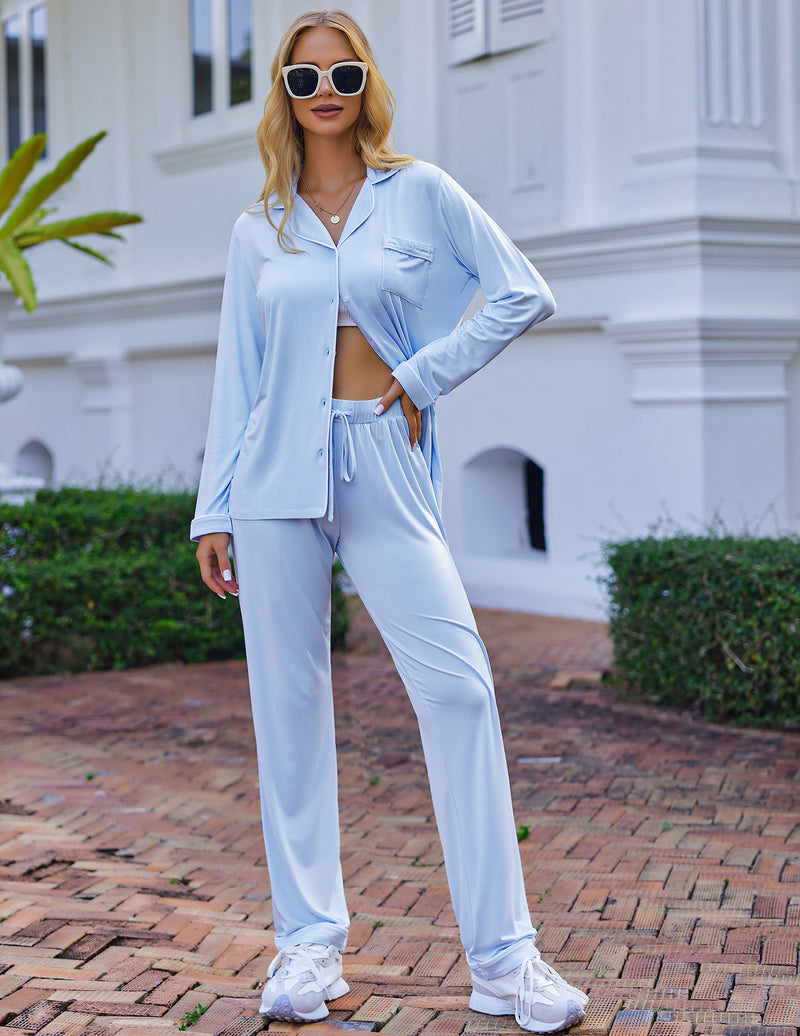
Pajamas have one job: help you sleep. The fit is loose on purpose so nothing rides up or presses while you move, and the fabrics are chosen to breathe and manage temperature, not to look good on a video call. A good pair disappears the moment you put it on, which is the highest compliment sleepwear can get. If you like a longer sleep piece, our nightgown style guide walks through the options.
The simplicity is the point. Pajamas skip the details that daytime clothes need: the structured shoulder, the shaped waist, the pocket you actually use. What is left is light construction that will not twist around you at 3 a.m. That is also why pajamas are a poor stand-in for leaving the house. They are built to be unseen, and most of them look it the moment you step into daylight.

The Doorbell Test: When to Wear Which
The fastest way to decide is the doorbell test. Picture someone knocking right now. If you would open the door without a second thought, you are in loungewear. If you would grab a robe first, you are in pajamas. A few everyday calls:
-
Sleeping tonight: pajamas. That is what they are built for.
-
Lazy Sunday morning, first hour: pajamas are fine. After that, switch to loungewear to feel awake.
-
Movie night that ends in bed: either works, pajamas if you head straight to sleep.
-
Answering the door or a video call: loungewear, every time.
Can Loungewear Double as Pajamas?
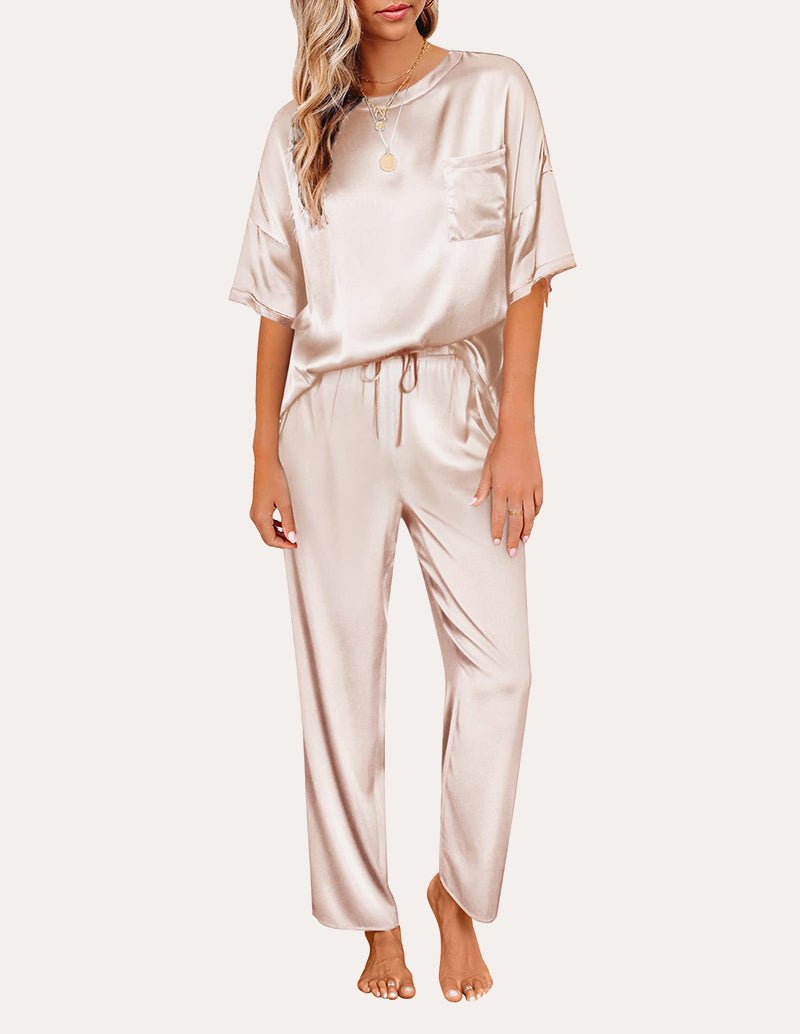
Sometimes, and the line has blurred on purpose. A soft matching set can absolutely be what you sleep in if it is breathable and not too tight, and plenty of people do exactly that on vacation or sick days. The catch is temperature and restriction: loungewear leans warmer and more structured than sleepwear, so it can trap heat or dig in if you move a lot at night. For the best rest, keep pajamas for bed and let loungewear handle the waking hours.

There is also a mental side to it. Changing out of pajamas into loungewear, even within the same four walls, signals to your brain that the day has started. People who work from bed in sleepwear tend to sleep worse, because the brain stops linking that space with rest. Loungewear is the small ritual that keeps those two parts of the day separate without much effort.
Where Ekouaer Sits
Ekouaer makes both sides of this split, which is the practical part. The pajama sets and nightgowns are cut for sleep: loose, soft, breathable, sized XS to 3XL. The lounge-friendly pieces carry the same comfort with a bit more shape so you can wear them past the bedroom. The My Comfort Era line with Vanessa Hudgens is the easy way to see the difference in person: one is for bed, one is for the rest of the day at home.
If you are building a small wardrobe for the whole day at home, the move is one or two pajama sets for sleep plus a couple of lounge sets for everything else. That keeps the sleep pieces clean and the daytime pieces presentable, and it removes the daily question of what to change into. The two categories are not rivals; they cover different hours of the same day, and most homes end up wanting a little of each.
Frequently Asked Questions
Are pajamas okay to wear on a video call?
Technically you can, but loungewear reads better on camera and helps your brain mark the shift from rest to work. If the call is casual and you are off-camera from the waist down, pajamas are harmless. For anything more formal, change first.
Is loungewear the same as athleisure?
They overlap but are not the same. Athleisure is built for light exercise and the look that goes with it; loungewear is built for resting at home and quick outings. A jogger can do both, but the intent is the difference you feel when you put one on. Athleisure leans sporty with performance fabric, while loungewear leans cozy with comfort-first knits.
Can I wear loungewear to sleep?
Yes, if it is soft and not restrictive. Just watch the warmth: structured lounge pieces trap more heat than sleep-focused pajamas, so they suit cooler rooms or shorter naps better than a full night. For regular sleep, pajamas still win because they are cut to disappear on the body.
Which should I buy first?
Start with pajamas if your sleep is the priority, and loungewear if your days at home feel shapeless. Most homes end up with a little of each, because the two cover different hours of the same day. If budget is tight, one good pajama set and one good lounge set beats three of either that you never reach for.
Related Reading
About Ekouaer
Ekouaer makes both sleepwear and daytime loungewear, which is why the line covers the full day at home from XS to 3XL. Recognized by Forbes Vetted, CNN Underscored, and Oprah Daily, the brand uses Airmid Certified Comfort fabrics that stay soft through the wash. The My Comfort Era collection with Vanessa Hudgens shows the split clearly: one piece for bed, one for everything else at home.