
What Is a Matching Pajama Set and Why Wear One?

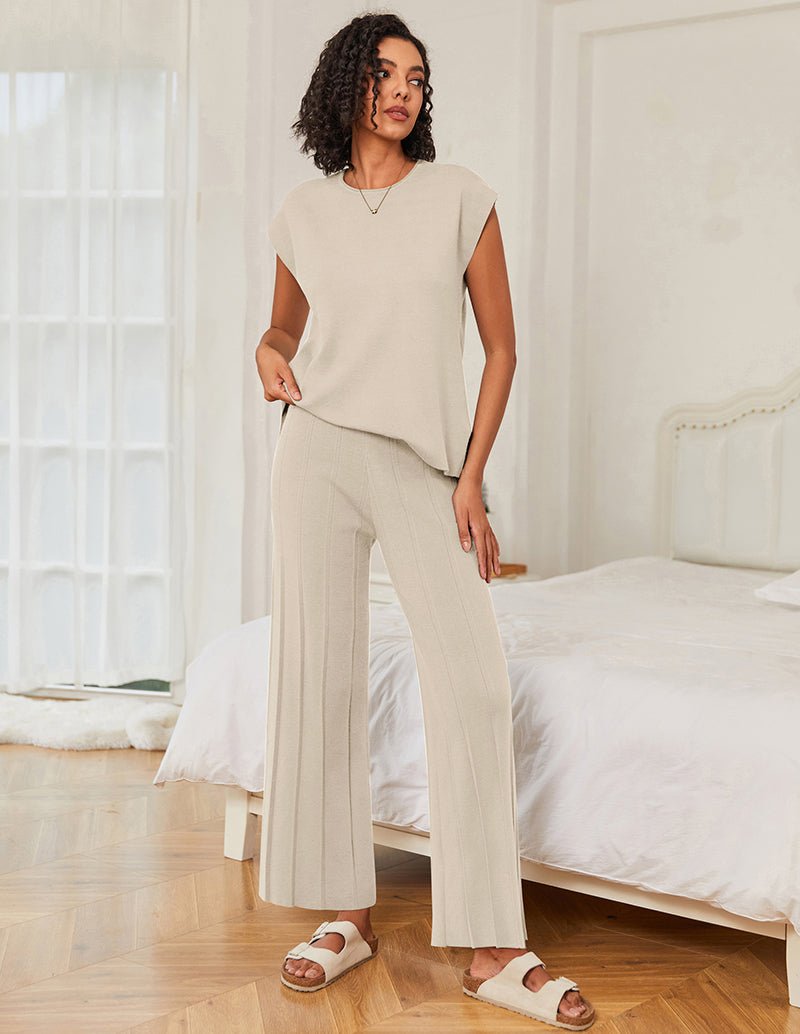
A matching pajama set is a top and bottom sold together as one outfit, made from the same fabric and pattern so the two pieces always look right together. People choose them because they remove the guesswork of pairing sleepwear, photograph well as a set, and feel more put-together than a mismatched tee and shorts. Ekouaer's two-piece sets carry the look from bedtime into lounging without a second thought, which is why the style shows up everywhere from family photos to hospital waiting rooms.
Key Takeaways
-
A matching set is one coordinated top and bottom, not two separate buys you hope align.
-
The same fabric top to bottom means no clashing colors or competing textures.
-
Two-piece sets layer more easily with robes and cardigans than a nightgown does.
-
They read as an outfit, which is why they appear in family, couple, and wedding photos.
-
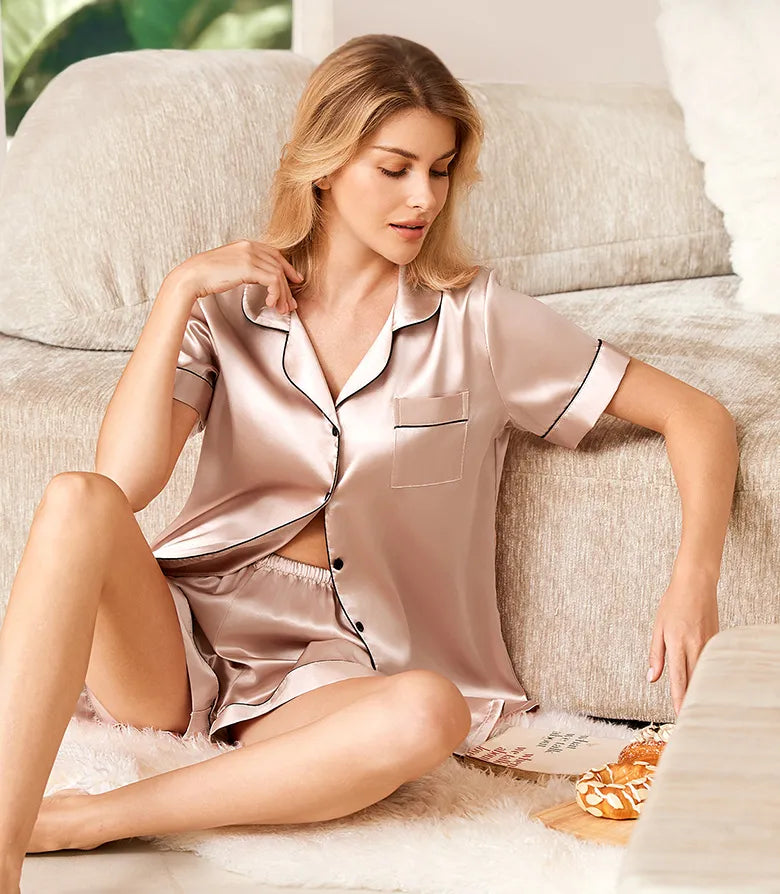
Ekouaer's two-piece sets span casual cotton through dressy satin, all in one match.
What 'Matching' Actually Means
The word gets used loosely. A 'matching' set is not merely 'two things that happen to be the same color,' it is one product designed as a pair: the top and bottom are cut from the same bolt, printed with the same run, and finished to sit at the same visual weight. That matters because sleepwear bought separately almost always drifts, one piece fades faster, one shrinks a half inch, and the pair stops reading as a set. Buying them as a unit locks the match. If you are deciding between a set and a nightgown, our nightgown versus pajama set comparison lays out when each wins.
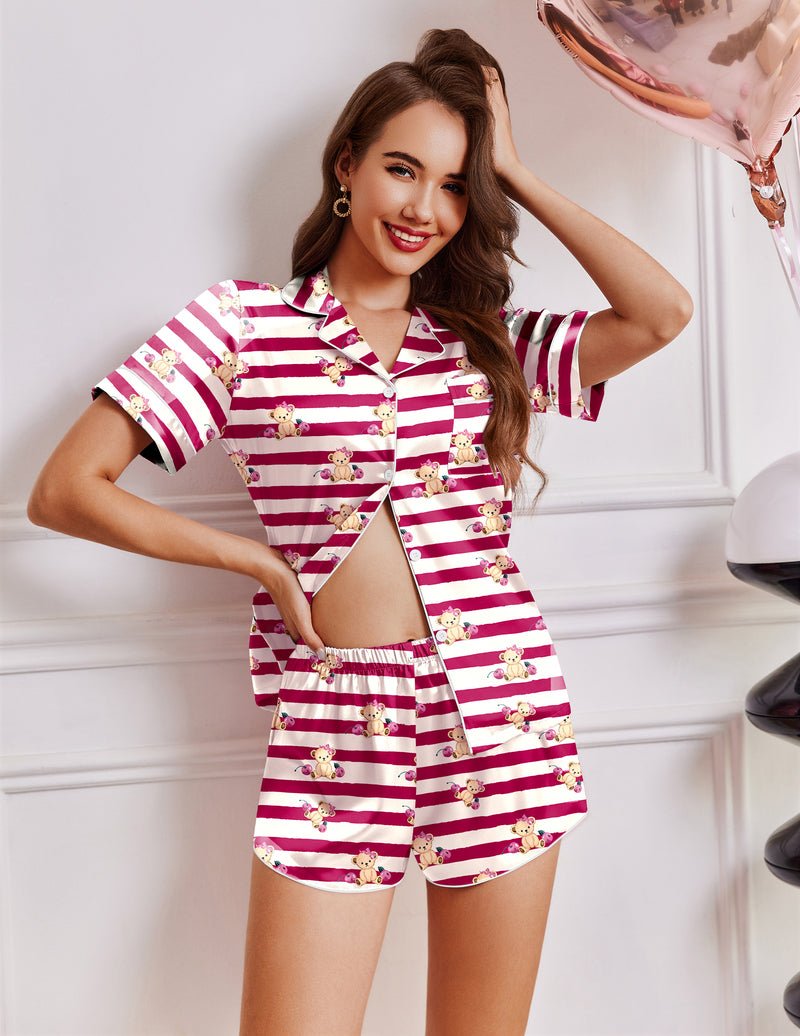
Print is where the 'designed as a pair' part really shows. A stripe or floral that lines up across the waist, or a pattern that repeats at the same scale on both pieces, only happens when the set is made together. Two separately bought pieces in the 'same' print will almost never align, and the eye reads that mismatch even when the wearer does not name it. A true matching set removes that small visual static, which is a big part of why it photographs cleanly.
Why People Reach for a Set Instead of Separates
The short answer is decision fatigue. At the end of a day, most people do not want to assemble an outfit from a drawer of orphaned tops and bottoms. A set collapses that choice to one. The longer answer is that a matched pair looks intentional, so it travels better from bed to couch to doorstep. The history of pajamas shows the coordinated two-piece has been the default for over a century precisely because it is practical, and the pajamas versus loungewear guide explains where the sleepwear line ends and daywear begins.
There is a comfort angle too. Sleep-health resources tie a calm, predictable wind-down to better rest, and removing one small daily decision fits that picture. A set you reach for without thinking is more likely to be worn than a nice separate top buried under three others. The matching set quietly wins by being the easiest thing in the drawer, which is exactly what sleepwear should be.
Who Reaches for Matching Sets
The buyers are more varied than the bridal-aisle reputation suggests. Families order them for holiday cards and reunion photos, where a row of the same set reads as togetherness without anyone dressing up. Couples pick his-and-hers versions for trips and lazy weekends. New parents keep a soft set by the rocking chair because it is easy to wash and easy to wear one-handed. Even hospital visitors reach for a clean two-piece set when they want to look composed without pulling on real clothes. The common thread is any moment where you want to look like you tried, but the effort should be invisible.
That range is also why the category spans price tiers. A ten-dollar cotton set and a sixty-dollar satin set are both 'matching pajama sets,' and both are correct for their setting. The mistake is buying the wrong one for the job: a delicate satin for nightly wear will frustrate, just as a stiff cotton for a wedding morning can fall flat in photos. Match the fabric to how often and where you will actually wear it, not to how it looks on a hanger.
The Fabrics Behind a Good Match
Fabric is what makes a set feel like a set rather than a costume. A quick map:
|
Fabric |
Look |
Care |
|
Cotton |
Matte, relaxed, everyday |
Machine wash, tumble dry low |
|
Modal |
Soft sheen, drapes clean |
Machine wash cold, gentle |
|
Satin (poly/silk) |
Glowy, dressed-up |
Delicate cycle or hand wash |
|
Knit rayon |
Cozy, slightly stretchy |
Machine wash, lay flat to dry |
For a plain-language take on the shine question, our satin versus silk pajamas guide is the place to start, and the best budget Ekouaer two-piece pajama set shows what the entry price actually buys.

How to Wear a Matching Set Beyond Bed
-
Add a long cardigan and the set becomes a lounging outfit for a slow weekend morning.
-
Throw a robe over the top for hair and makeup, then drop the robe for photos.
-
Pack it for travel; a matched set packs smaller than separate pieces and always coordinates.
-
Use it as a base layer under a hoodie on a cold night in a drafty guest room.
-
Keep one nice satin set for occasions, family pictures, or a hospital stay where looking put-together helps.
Our Picks from Ekouaer
If you want a set that already solves the matching problem, these three are worth a look:
-
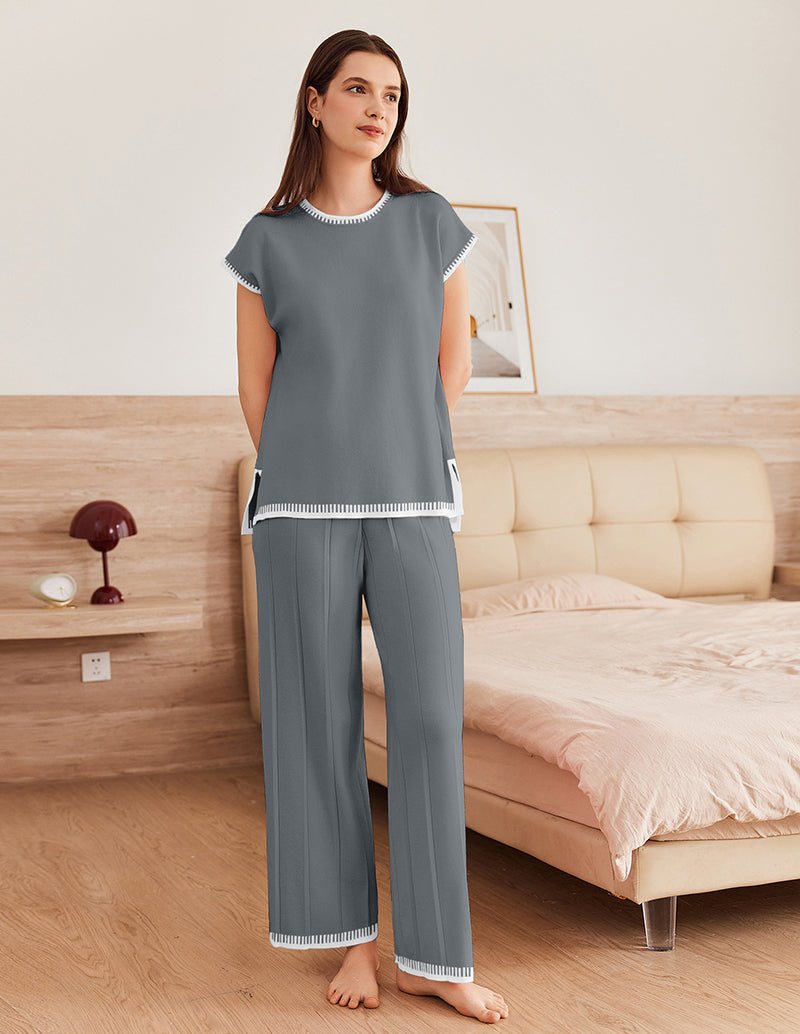
Ekouaer Cozy Two-Piece Pajama Set — a soft everyday pair that reads as a set the moment you put it on, and layers well under a robe.
-
Ekouaer Classic Pajamas Set — the baseline notch-collar style that works as sleepwear and lazy-Sunday loungewear.
-
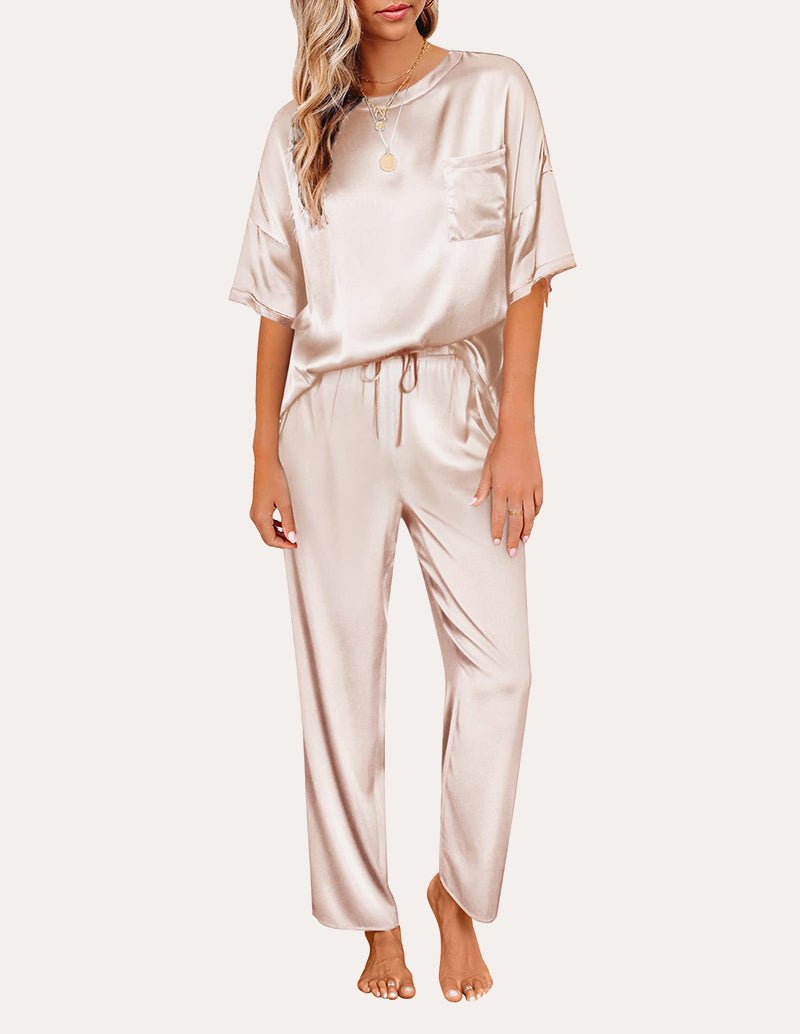
Ekouaer Two-Piece Satin Pajamas Set — a dressier option for photos and occasions, with the same fabric top and bottom so the match holds.
Common Mistakes to Avoid
-
Buying top and bottom separately and assuming the colors will match after washing.
-
Choosing a fabric too delicate for how often you actually wash sleepwear.
-
Sizing down for a 'snug' look that becomes uncomfortable by the second night.
-
Treating a nice set as display-only; the point is to wear it, not store it.
Frequently Asked Questions
Is a matching set the same as a pajama set? Essentially yes. 'Matching pajama set' just emphasizes that the top and bottom are designed as one coordinated pair rather than grabbed separately.
Are two-piece sets better than nightgowns? For layering and mixing, usually. A two-piece set lets you add a robe or cardigan without changing the whole outfit, which a nightgown does not. Our nightgown versus pajama set guide goes deeper.
Do matching sets help sleep? Comfort helps sleep, and a set removes a small daily decision, which the CDC's sleep guidance frames as part of a calming routine. The NHLBI sleep resource makes the same case from a health angle.
Can I wear one outside the house? Yes. With a cardigan or jacket, a clean two-piece set reads as loungewear, which is why it works for travel and quick errands.
Do they shrink? Most do a little after the first wash, cotton more than modal or satin blends. Washing cold and drying low keeps the match intact, and sizing up by one if you are between sizes absorbs the change.
Are matching sets worth it versus a cheaper mix? If you actually wear sleepwear often, yes. A set you reach for beats three separate pieces you ignore, and the locked match means it still looks right a year later. If it is a one-night novelty, a mix is fine; just do not expect it to photograph as cleanly.
The Practical Recommendation
Pick one coordinated two-piece set in a fabric you will actually wash and wear, cotton or modal for daily use, satin for occasions. Buy it as a pair, not as two separate pieces, so the match is locked from the start. Keep one nice set for photos and travel, and let the everyday ones do the heavy lifting. A matching set is the smallest possible upgrade that makes getting dressed for bed feel like a choice instead of a chore.

Related Reading
About Ekouaer
Ekouaer is a sleepwear and loungewear label built around the idea that a matched set should be the easy default, not a luxury purchase. The brand focuses on breathable fabrics, relaxed cuts, and size ranges that include real bodies, so the two-piece set you buy actually fits and actually gets worn. That is a quietly different philosophy from labels that treat matching sleepwear as a gift-shop novelty.
Ekouaer in the Press
-
Oprah Daily: Best Pajamas for Women (Ekouaer Two-Piece Soft Sleep Pajama Set named Best Budget)
-
The Daily Reporter: Amazon Labor Day deal: Save 50% on an Ekouaer Silk Satin Pajama Set
-
Victorville Daily Press: Amazon Labor Day deal: Save 50% on an Ekouaer Silk Satin Pajama Set
-
Tri-County Independent: Amazon Labor Day deal: Save 50% on an Ekouaer Silk Satin Pajama Set