Best Pajamas to Buy on Amazon Prime Day 2026: A Fabric-First Buying Guide

Amazon Prime Day 2026 is officially happening in June — Amazon has confirmed the event will take place from June 23-26. Yes, that’s four whole days of retail therapy! Shoppers can expect millions of deals across electronics, home goods, fashion, and apparel during this extended epic blowout.
That timing matters for sleepwear shopping in a specific way: June is exactly when you want summer pajamas already in hand, not on their way. Buying during Prime Day means getting your warm-weather sleep wardrobe sorted before peak heat arrives rather than sweating through July in whatever you already own.
This guide is about how to actually use Prime Day well for pajamas — which fabric categories are worth prioritizing, what to look for within each, and how to tell the difference between a genuine discount on quality sleepwear and a marked-down item that wasn't worth the original price either.
Why Prime Day Is One of the Better Times to Buy Pajamas
Most clothing categories see their best discounts during Black Friday or end-of-season clearance. Sleepwear is different. Because pajamas are categorized under both apparel and home goods on Amazon, they tend to surface in both fashion and lifestyle deal roundups during Prime Day — which means more visibility and more competitive discounting than they'd receive during a standard apparel sale.
Amazon has promised deep discounts on everything from electronics and kitchen goods to beauty and apparel during Prime Day 2026, and sleepwear consistently lands in the apparel deals that shoppers actually notice and buy. The practical reason: pajamas are a high-repurchase category — women who find a set they love tend to buy multiples — so discounts translate directly to volume, which gives sellers and Amazon an incentive to discount them meaningfully.
The other timing advantage is seasonal alignment. June is the start of summer heat, and lightweight cotton, bamboo, and satin sets are exactly what most women need to restock. You're buying something you'll use immediately, not banking a deal for a future season.
There's one important caveat: not all Prime Day pajama deals are equal. The same issues that exist in everyday online pajama shopping — vague fabric descriptions, inconsistent sizing, quality that doesn't match photos — are still present during the sale. The framework in this guide helps you evaluate what you're actually buying rather than just reacting to a discount percentage.

How to Evaluate a Pajama Deal During Prime Day
Before getting into fabric categories, here are the four filters worth applying to any Prime Day pajama deal:
-
Check the fabric content, not just the name. A set labeled "silk pajamas" on Amazon is almost always polyester satin, not real silk. That's not necessarily a problem — polyester satin is a good fabric for sleepwear — but you should know what you're buying. Look for the actual fiber content in the product description, not the marketing name.
-
Verify the original price is real. Some Amazon sellers inflate "original" prices to make the discount appear larger than it is. If a set is marked "was $80, now $28," check the price history using tools like CamelCamelCamel before buying. A genuine Prime Day discount on a $40 set is more useful than a fake 65% off an inflated price.
-
Read reviews by fabric type, not overall rating. A set with 4.2 stars might have 3-star reviews specifically about the fabric feeling scratchy after washing, buried under 5-star reviews about the print or packaging. Sort by "most critical" and look for patterns about fabric quality and durability.
-
Buy quantity during the sale if you find something you genuinely like. Pajamas are a category where "buy two while it's discounted" makes real sense — the same set in a different color, or a second set in the same fabric for rotation. Quality sleepwear at a genuine discount is worth stocking up on rather than just replacing single worn-out pieces one at a time.
Fabric Guide: What to Prioritize on Prime Day

Cotton: The Most Reliable Warm-Weather Buy
Cotton is the safest Prime Day pajama purchase because the quality signals are the most legible. You can identify good cotton by fabric weight (lightweight wovens around 120–150 gsm feel more breathable), weave clarity (tightly woven cotton feels smoother and lasts longer), and care instructions (machine washable in cold water is a good sign; dry clean only on a cotton pajama is a red flag).
The National Sleep Foundation connects comfortable sleep temperatures — around 65–68°F / 18–20°C — directly to the quality of deeper sleep stages. Lightweight cotton supports that by not adding insulating heat between you and the mattress. For hot sleepers this distinction is meaningful, not just theoretical.
Cotton pajamas hold up well to Prime Day buying conditions because they're easy to evaluate from product listings and their quality degrades predictably — meaning a well-reviewed cotton set at a genuine discount is low-risk.

Ekouaer's cotton pajamas collection covers both everyday set formats and two specific nightgown styles worth knowing about for summer:
The Ekouaer Cotton Nightgown — Vintage Victorian Style is a full-length woven cotton nightgown with a traditional silhouette — longer coverage, soft woven fabric, and a relaxed drape that works especially well for women who prefer full-length sleepwear in warmer weather. The Victorian-influenced neckline detailing and button placket give it a more elevated look than standard nightgowns at a similar price point.
The Ekouaer Cotton Sleeveless Tank Nightgown — Racerback Sleep Dress takes the opposite approach: minimal coverage, maximum breathability. Sleeveless, racerback construction, cotton sleep-dress format. For women who sleep warm and want the least possible fabric contact, this is the most straightforward warm-weather option in the cotton range.
For sets, the cotton pajama collection includes short-sleeve and camisole formats in lightweight woven cotton with elastic waistbands and side pockets — the practical details that determine whether pajamas feel good after the second hour of wear, not just the first.
What to look for in a cotton Prime Day deal: Fabric weight listed in product description, 100% cotton rather than cotton blend (unless you specifically want stretch), pre-washed or "pre-shrunk" noted in listing, inseam measurements for pants.
This preference shows up often on Reddit. Many women looking for Prime Day or summer pajamas stick with lightweight 100% cotton sets for reliability and breathability without overheating.
Bamboo Viscose: The Upgrade Worth Making in Summer
Bamboo viscose is the fabric most worth considering as a Prime Day upgrade — not because it's the most glamorous, but because it genuinely outperforms cotton for hot sleepers and the quality difference is noticeable immediately.
The performance gap comes down to fiber structure. Bamboo viscose fibers contain microscopic gaps that allow air to circulate through the fabric rather than being trapped at skin level. Independent textile testing cited by Spun Bamboo found bamboo fabric held skin temperature approximately 1°C lower than cotton and surface moisture evaporated about 32% faster, with participants reporting notably better comfort during the early hours of sleep. That 1°C difference sounds small but it's meaningful: your body needs to drop its core temperature by roughly 1–2°C to transition from wakefulness to deep sleep, so a fabric that keeps the skin environment cooler by that margin is directly supporting the biological process that makes sleep work.
Bamboo viscose also handles night sweats better than cotton in one specific way: it wicks moisture away from the skin before absorbing it, so the immediate surface feel stays drier for longer. Cotton absorbs moisture more slowly, which means the damp-feeling stage comes sooner.
The practical trade-off: bamboo viscose pajamas require slightly more care than cotton — typically a gentle cycle in cool water, low-heat drying. They also cost more upfront, which is exactly why Prime Day is a good moment to buy them. A quality bamboo set at a 20–30% discount moves it into the price range where the cost-per-wear math makes clear sense over a season of nightly use.

Two bamboo options from Ekouaer worth considering during the sale:
The Ekouaer Bamboo Viscose Sleeveless Sleep Dress is a clean-lined, sleeveless nightgown in bamboo viscose — the format that maximizes the fabric's cooling benefit by minimizing total fabric contact while still providing full-length coverage. For women who want the comfort of a nightgown without the heat retention of cotton, this is the most direct solution.
The Ekouaer Bamboo Viscose Short-Sleeve Sleep Shirt is the more versatile option — a short-sleeve nightshirt format that works as both sleepwear and casual morning wear. The bamboo fabric stays noticeably softer after washing than most cotton sleep shirts at a similar price, which matters to an item you'll wear nightly.
What to look for in a bamboo Prime Day deal: "Bamboo viscose" or "viscose from bamboo" in fiber content (not just "bamboo fabric"); OEKO-TEX certification noted — Ekouaer's bamboo items carry OEKO-TEX Standard 100 certification; care label specifying gentle cycle (indicates the brand is being honest about the fabric's requirements).
Reddit users frequently highlight this advantage for hot sleepers. Many recommend bamboo viscose pajamas because they stay cooler and wick moisture better than cotton: “Bamboo is so much softer and cooler for summer nights.”
Satin: The Best Investment for Appearance and Versatility
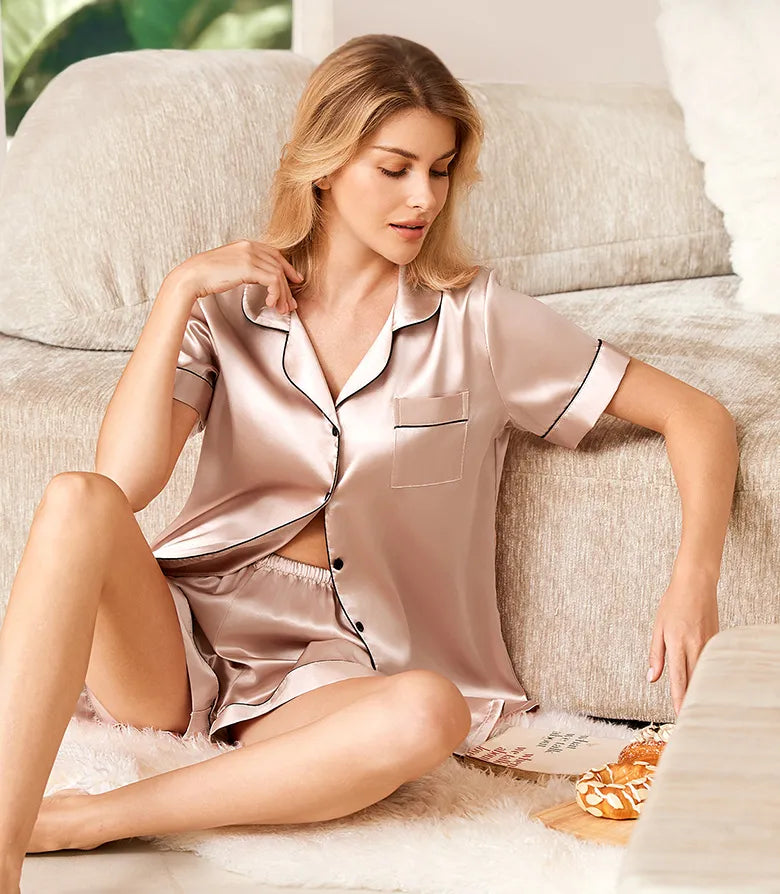
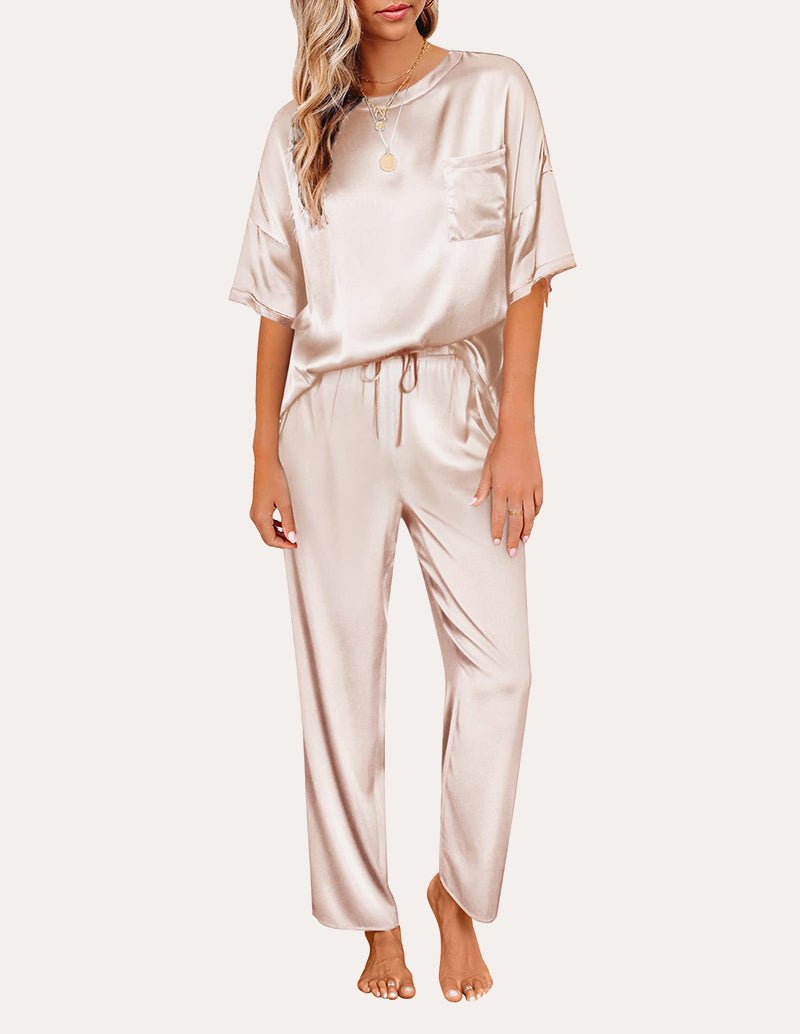
Polyester satin is the right Prime Day buy for women who want sleepwear that looks elevated and functions beyond the bedroom — travel, lounging, morning routines. It photographs well, packs without significant wrinkling, and doesn't require the careful hand-washing that real silk demands.
The performance gap between polyester satin and real silk in everyday use is smaller than the price gap suggests. Both fabrics feel smooth and cool against the skin. Both drape cleanly. The practical differences: real silk is more temperature-regulating in extreme conditions and more delicate to wash; polyester satin is more durable in normal laundry conditions, more color-stable over time, and far more accessible in price — which is why it dominates the actual sleepwear market rather than just the premium end of it.
Where satin earns its place in a Prime Day purchase is in its versatility. A good satin set functions as:
-
Sleepwear for regular nights at home
-
Travel pajamas that arrive unwrinkled from a suitcase
-
Getting-ready wear for events like weddings, bachelorettes, or spa weekends
-
Presentable morning wear that doesn't require changing before answering a hotel door
That range of use cases — combined with a discounted price — means a quality satin set bought on Prime Day has a much longer cost amortization than a single-use or season-specific garment.
The Ekouaer pajama sets collection includes satin options in multiple silhouettes — cami and shorts, short sleeve and pants, bow-tie knot tops — that cover different style preferences while maintaining the fabric consistency that makes them worth buying during a sale.
What to look for in a satin Prime Day deal: Polyester percentage in fiber content (100% polyester satin is fine; check for nylon or spandex additions that affect drape); note whether the set includes both top and bottom; verify the color in reviews rather than product photos, as satin colors can differ significantly between screen and reality.
Linen: Worth Considering if You've Never Tried It
Linen is a smaller Prime Day category than cotton or satin, but for hot sleepers who haven't tried it, the sale is a practical moment to experiment. Linen's main barrier to adoption is its upfront cost relative to cotton; at a Prime Day discount, the price gap narrows enough that the investment makes more sense as a trial.
The key thing to know about buying linen during a sale: fabric quality varies more in linen than in cotton because the weaving process is more variable. Heavier-weight linens (above 180 gsm) feel stiff and are better suited to warm-weather daywear than sleep. Lightweight linens (120–150 gsm) have the airy, floating quality that makes the fabric work for sleepwear. Look for the fabric weight in the listing if it's provided, or use the care instructions as a proxy — lightweight linen typically specifies cool water and air drying; heavier linen often recommends warm water.
For a deeper look at linen for sleepwear, Ekouaer's dedicated guide to linen PJs for women covers the full comparison with cotton and practical care instructions.
Fabric Comparison: Which to Prioritize on Prime Day
|
Fabric |
Best For |
Prime Day Priority |
Key Thing to Check |
|---|---|---|---|
|
Cotton |
Everyday comfort, year-round reliability |
★★★★ High |
100% cotton, fabric weight, pre-shrunk |
|
Bamboo viscose |
Hot sleepers, night sweats, sensitive skin |
★★★★★ Highest |
"Viscose from bamboo" in fiber content, OEKO-TEX |
|
Satin (polyester) |
Travel, versatility, elevated appearance |
★★★★ High |
Color accuracy in reviews, full set included |
|
Linen |
Humid climates, experimental purchase |
★★★ Medium |
Fabric weight (aim for 120–150 gsm), care instructions |
|
Real silk |
Maximum luxury, temperature regulation |
★★ Lower |
Price history (real silk at steep "discount" is often fake); hand-wash requirement |
What Not to Buy on Prime Day
Novelty print sets at very low prices. These tend to look good in photos and feel noticeably cheap in person. Fabric weight is usually the first thing cut to hit a low price point, and the result is a set that pills after five washes.
"Cooling technology" synthetic sets with vague fabric descriptions. Marketing terms like "ice silk," "cooling modal," or "smart fabric" often describe polyester or nylon blends with a temporary cooling treatment that washes out. If the actual fiber content isn't specified clearly in the listing, the fabric is probably not what it's being described as.
Sets where all the reviews are about the packaging. Reviews that mention how nicely the set arrived in a gift box tell you nothing about how the fabric performs after washing. Look for reviews that specifically mention durability, fabric feel after multiple washes, and sizing accuracy.
More sets than you'll actually use. Prime Day creates a buying impulse that doesn't always serve the person who acts on it. One genuinely good bamboo set and one good cotton set cover most women's summer sleepwear needs. Buying five sets at a discount is only useful if you actually wear all five.

Prime Day Timing: How to Prepare Before the Sale Starts
Prime Day deals typically go live without much advance notice, and the best deals in popular categories sell out or return to original pricing faster than most people expect. A few things worth doing before the sale opens:
Wishlist items you're considering now. Amazon's wishlist notifies you when prices drop on saved items. Add the specific sets you're interested in so you're not searching from scratch when the sale opens.
Check current prices on items you want. Knowing what something costs right now lets you verify that the Prime Day price is a real discount rather than a manufactured one.
Decide on your fabric priority. Using this guide as a framework, identify which one or two fabric categories matter most for your sleep situation before the sale. Bamboo if you sleep hot. Cotton if you want reliable everyday comfort. Satin if you travel or want versatility. Having that decision made before the sale prevents the scatter-purchasing that results in five sets you don't actually need.
FAQ
Q: Is Prime Day a good time to buy pajamas?
A: Yes — sleepwear is one of the consistently well-discounted apparel categories during Prime Day because it's a high-repurchase category with broad seasonal demand. June 2026 timing aligns directly with the start of summer heat, making it practical to buy lightweight cotton, bamboo, and satin sets immediately before you need them.
Q: What type of pajamas are best for summer?
A: For hot sleepers: bamboo viscose or lightweight linen, which actively support the body's pre-sleep temperature drop. For moderate sleepers: lightweight 100% cotton in a short-sleeve or sleeveless format. For versatility: polyester satin, which handles most temperatures comfortably and packs well for travel.
Q: Is bamboo really better than cotton for sleep?
A: For hot sleepers, yes — meaningfully so. Bamboo viscose maintains skin surface temperature approximately 1°C lower than cotton and wicks moisture about 32% faster, which is directly relevant to the thermal conditions that support deep sleep. For moderate sleepers in air-conditioned spaces, the difference is less pronounced, and cotton's reliability and ease of care are a reasonable trade-off.
Q: How do I know if a Prime Day pajama deal is genuine?
A: Check the price history before buying (CamelCamelCamel is a free tool that shows Amazon price history). Look for the actual fiber content in the listing rather than the marketing name. Read reviews specifically for fabric quality and durability after washing, not just first impressions. A genuine 25–30% discount on a quality set is a better deal than a fake 60% off on something that was never worth the original price.
Q: How many pajama sets should I buy during Prime Day?
A: One to two sets in your priority fabric is usually enough. If you sleep in the same type of pajamas every night, two sets in rotation cover you through a normal laundry cycle. Buying more than three sets in a single sale rarely results in all of them getting used — the impulse to stock up during a sale doesn't account for how many pajamas you'll realistically reach for.
Q: When exactly is Prime Day 2026?
A: It’s official! Amazon has confirmed Prime Day 2026 will run from June 23–26 — that’s four whole days of non-stop shopping! Bookmark this page, as we’ll be updating it with the absolute best deals and flash sales the second they go live.
Related Guides
-
Linen PJs for Women: A Cool and Breathable Sleepwear Guide — linen vs cotton for hot sleepers and summer use, with care instructions
-
Bamboo Pajamas vs. Cotton: Which Is Better for Sleep? — full fabric comparison with practical recommendations
-
Best Cotton Pajamas for Women Guide — cotton styles compared by weight, cut, and use case
-
Are Silk Pajamas Worth It? — real silk vs polyester satin compared honestly for everyday use
About Ekouaer
Founded in 2014, Ekouaer makes sleepwear and loungewear with an emphasis on functional design and fabric safety. All fabrics carry OEKO-TEX Standard 100 certification — independently tested to be free of harmful substances, meeting requirements for skin-contact textiles. Products have been featured in CNN Underscored, Forbes, and TODAY.com.
Ekouaer in the Press
-
Parade (May 2026): Amazon's Ekouaer 2-Pack Pajama Set Is a Must-Have — described as winning "on all counts" for comfort and value
-
OpenPR (March 2026): Ekouaer Wins Oprah Daily Editor's Choice and TODAY 2026 Sleep Award — two products recognized by Oprah Daily and TODAY in the same season
-
Parade (April 2026): Amazon's Ekouaer Ruffled Satin Pajama Set Is a Must-Have — shoppers call it "super cute" and says it feels "so luxurious," available in 13 prints
-
Parade (April 2026): Amazon's Ekouaer Matching Lounge Set Is a Must-Have — praised for breathability and versatility; available from $10