C-Section Recovery Wardrobe: What to Wear Weeks 1–6 (Beyond the Hospital Gown)

A c-section is major abdominal surgery. Your doctor makes incisions through skin, fat, connective tissue, and the uterus itself, then closes each layer separately.
The short version: C-section deliveries reached 32.5% of all US births in 2025 — the highest rate since 2013, per CDC provisional data — making this one of the most common postpartum recovery situations, and yet what to actually wear during the six-week healing window is rarely covered in prenatal preparation. Cleveland Clinic's c-section recovery guide, developed with OB-GYN Dr. Erin Higgins, notes that while most women recover in about six weeks, each woman's timeline is different, and the incision itself can take weeks to fully heal.
Most c-section clothing guides stop at "high-waisted underwear, loose pants." This guide goes further: a week-by-week breakdown of how clothing needs change as the incision heals, what to look for in sleepwear and loungewear that won't interfere with healing, and how to build a practical recovery wardrobe from Ekouaer's nursing and robes collections without overbuying.
The Core Rule: Incision Height First, Everything Else Second
Before anything else, one rule governs every clothing decision in the first six weeks: nothing should touch, rub, or apply pressure to the incision.
The Bump's c-section recovery guide, citing double board-certified OB-GYN and maternal-fetal medicine specialist Dr. Kecia Gaither, notes that the incision generally takes about four to six weeks to fully heal and will likely be tender through that window — and that if skin folds over the incision, a cloth pad can help prevent the sweat buildup that delays healing.
The practical clothing implication: any waistband, elastic, seam, or fabric edge sitting at the incision line creates exactly the friction and pressure that slows healing and increases discomfort. Most c-section incisions sit 1–2 inches above the pubic hairline, so a waistband that needs to clear it should sit at least 2–3 inches above — ideally at or above the navel in the first two weeks.
Week-by-Week Clothing Guide
|
Stage |
Focus |
Waistband Rule |
Best Format |
|---|---|---|---|
|
Hospital (Days 1–4) |
Medical access, comfort |
None — avoid waistbands entirely |
Nursing nightgown / hospital gown dress |
|
Week 1 at home |
Maximum incision protection |
None; front-opening only |
Loose nursing nightgown, no waistband |
|
Weeks 2–3 |
Cautious progress |
High-waisted only if it clears incision seated |
Nightgown for sleep; loose lounge sets for day |
|
Weeks 4–5 |
Structured comfort |
Wide, soft waistband above incision |
Nursing pajama set + robe |
|
Week 6+ |
Clearance visit, gradual return |
Guided by comfort, not the calendar |
Nursing tops/sets continue through breastfeeding |
Hospital Stay: Days 1–4
The hospital stay after a c-section typically runs two to four days. Hospital gowns serve the practical need of medical access — catheter removal, IV management, incision checks — but for everything beyond those clinical moments, your own clothing is more comfortable and makes a disorienting few days feel more human.
General postpartum clothing guidance consistently favors loose, breathable, high-waisted options for this window — nightgowns, oversized tops, and recovery underwear, with soft fabric and quick nursing access, avoiding waistbands entirely. A nightgown format is the most practical choice for the hospital specifically: no waistband at all, complete clearance of the incision, and easy access for medical checks and nursing.
The Ekouaer 3-in-1 Labor Delivery Hospital Gown Nursing Dress is designed for exactly this period — it covers labor and delivery while remaining functional through the immediate postpartum hospital days. Front nursing access allows feeding without overhead removal, and the loose A-line silhouette has no waistband pressure anywhere. Packing two is worth it: hospital days involve fluid, lochia, and sweating, and having a clean set within reach without asking someone to dig through a bag is genuinely useful.

Week 1 at Home: Maximum Incision Protection
During week one, pain is typically at its most significant, mobility is limited, and the incision is at its most sensitive to contact — Baby Chick's week-by-week c-section recovery guide describes this stage as focused on rest, incision care, and gentle movement.
Clothing rules for week 1:
-
No waistbands at the incision — a nightgown or top that falls loosely past the incision without banding
-
Soft, non-abrasive fabric — cotton and bamboo viscose are appropriate; rough synthetics are not
-
Front-opening or pull-over from above — anything requiring a waistband pulled past the incision to dress creates pain and risk
-
Easy nursing access — front access that doesn't require lifting or reaching, since you'll be nursing or pumping frequently while managing incision pain
The Ekouaer Button-Down Nursing Nightgown V-Neck Maternity Dress covers all of these: the button-down front provides nursing access without overhead removal or waistband clearance, the V-neck allows ventilation, and the loose nightgown format sits completely clear of the incision regardless of body position. It's the front-opening construction specifically that matters most in week 1 — any pulling or reaching at the incision site during dressing creates pain.
Many women who've been through c-section recovery describe wanting everything as high-rise as possible and avoiding waistbands entirely for weeks post-op — a pattern that shows up consistently across postpartum clothing communities and recovery guides. Sleepwear specific to week 1: a loose nursing nightgown worn to bed means nursing without getting up, manages the night sweats that almost universally accompany the first postpartum week, and avoids incision contact during overnight position changes.

Weeks 2–3: Cautious Progress
By week 2, many women feel meaningfully better than in week 1 — acute post-surgical pain reduces and mobility increases — but the incision is still healing through multiple layers, and scar tissue hasn't fully established.
Clothing can expand slightly:
-
High-waisted soft pants become an option — but only if the waistband genuinely clears the incision. Test seated, not just standing: if the waistband folds toward the incision when you sit down, it's not ready yet
-
Loose lounge sets work well for daytime structure beyond a nightgown
-
Continue nightgown or no-waistband sleepwear overnight — lying down and nighttime movement can create waistband pressure even in pants that felt fine standing
The Ekouaer Short Sleeve Maternity Nursing Dress Nightgown works well as daywear in this phase as well as sleepwear — the A-line silhouette is relaxed but not shapeless, appropriate for receiving visitors or video calls in a way a pure nightgown sometimes isn't.

Weeks 4–5: Transitioning to Structured Comfort
By weeks 4–5, initial surgical trauma has largely subsided and the body is in a rebuilding phase, though internal healing is still ongoing.
The clothing landscape opens meaningfully:
-
Soft lounge pants with high, wide waistbands become genuinely comfortable for most women
-
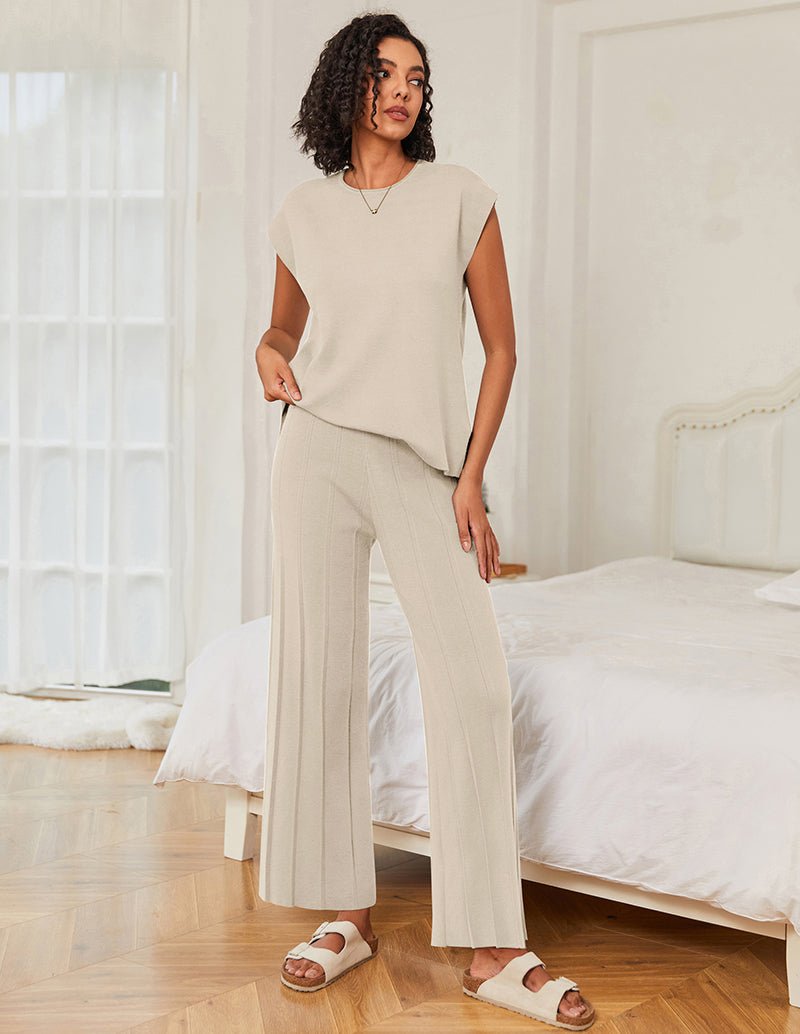
Nursing pajama sets work well for day and night — nursing access up top, waistbands designed for postpartum bodies below
-
Robes earn their place here — layered over a nightgown or top, a robe allows temperature adjustment and provides coverage for nursing visits or moving around the house
Flowy dresses, nightgowns, and wrap-style robes remain go-to postpartum favorites through this stage precisely because they avoid waistband friction entirely while keeping breastfeeding access easy.
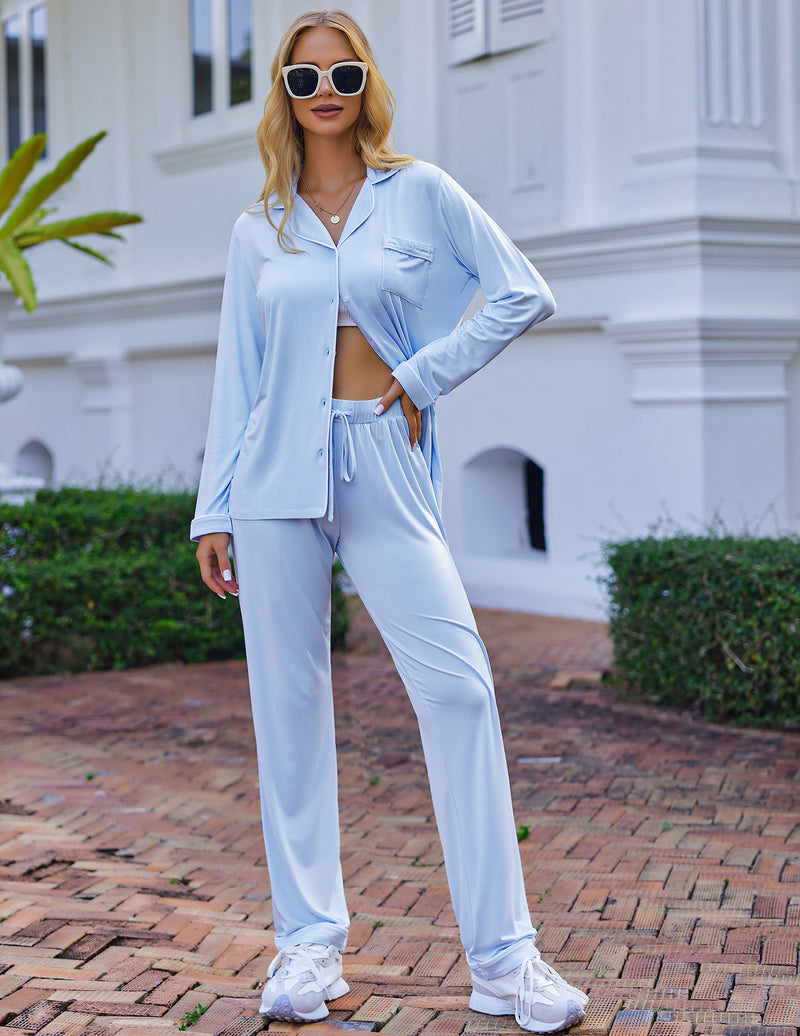
The Ekouaer Maternity Nursing Pajama Set — Long Sleeve Top with Pants and Pockets is built for this phase: nursing access in the top, a waistband designed to sit above the incision, and pockets for a phone or burp cloth. The long-sleeve format suits cooler evenings and air-conditioned rooms. For warmer conditions, the Ekouaer Short Sleeve Maternity Nursing Pajama Set covers the same nursing access and waistband requirements in a lighter format.
A robe over either set adds a layer for morning routines, covers nursing during the day, and moves from bedroom to kitchen without a full outfit change — the Ekouaer robes collection includes lightweight, half-sleeve options appropriate for this stage without the bulk of a full plush robe.

Week 6 and Beyond: Clearance Visit and Gradual Return
The six-week postpartum visit is typically when clearance for more normal activities is given, including sex and the incision having largely healed — though full recovery, especially for strength and comfort, can extend to eight to twelve weeks or more. The six-week visit is a clinical milestone, not a signal the body is fully back to pre-surgical function.
Clothing after the six-week visit can progressively include more structured options — fitted waistbands, regular pants, stretch jeans — but comfort against the body, not just how it looks, is the more reliable signal of readiness. Nursing tops and pajama sets that served weeks 4–5 remain appropriate and practical well beyond week 6 for the breastfeeding period; nursing access doesn't expire at the six-week mark.
The Incision-Safe Clothing Checklist
|
Criterion |
What to Check |
Why |
|---|---|---|
|
Waistband position |
Sits 2–3 inches above incision OR well below pubic line |
Any contact with incision causes friction and pain |
|
Fabric softness |
No rough seams, no stiff fabric at incision area |
Incision skin is hypersensitive; rough fabric irritates |
|
Breathability |
Cotton, bamboo, or modal; no heavy synthetics |
Incision needs airflow; trapped moisture delays healing |
|
Nursing access |
Front-opening or pull-down neckline |
Overhead removal requires abdominal tension |
|
Ease of putting on |
No pulling past incision, no bending required |
Limited mobility in weeks 1–2; pain with abdominal movement |
|
Fit at incision |
Loose, not fitted at abdomen |
Pressure on healing tissue is consistently uncomfortable |
Fabric Guide for C-Section Recovery Sleepwear
Cotton is the standard recommendation for c-section recovery sleepwear — soft, breathable, and gentle on healing skin. Lightweight woven cotton provides breathability without the weight of heavier fabric.
Bamboo viscose adds active moisture management on top of cotton's breathability, which matters because postpartum night sweats frequently overlap with the first weeks of c-section recovery. The Ekouaer Bamboo Viscose Sleep Shirt with Chest Pocket handles both the incision-clearance requirement (loose nightgown format) and the night-sweat management likely to be active simultaneously in weeks 1–3.
Avoid: rough synthetics, tight knits that hug the abdomen, stiff seams or decorative elements near the incision area.
All Ekouaer fabrics carry OEKO-TEX Standard 100 certification — independently tested to be free of harmful substances. For a healing incision in prolonged skin contact with fabric, that's one variable removed from the healing environment.

The Complete C-Section Recovery Sleepwear Wardrobe
A practical recovery wardrobe doesn't need to be large:
Weeks 1–3 (Hospital + acute recovery): 2–3 nursing nightgowns for sleep, nursing, and daytime recovery at home; 1–2 robes for layering and coverage.
Weeks 4–6 (Transition): 1–2 nursing pajama sets, structured enough for daytime and comfortable for sleeping; continue nightgowns for overnight.
Beyond week 6: Nursing tops and sets continue through the breastfeeding period. The full range is in the Ekouaer nursing collection, covering hospital gowns through nursing pajama sets across the complete recovery period.
When to Contact Your Provider
Cleveland Clinic advises seeking medical attention if the incision shows redness, swelling, or leaking fluid. The Bump's guide, citing Mayo Clinic and Mount Sinai, notes that heavy postpartum bleeding beyond four days, fever, chest pain, shortness of breath, or leg pain and swelling all warrant prompt contact with your OB.
From a clothing angle: if a waistband or fabric contact is causing pain specifically at the incision — rather than the generalized discomfort of healing — that's worth mentioning at your next appointment. It could indicate a developing complication, or simply a fit problem, but your provider should know either way.

Comfort as a Standard, Not a Compromise
Recovery isn't a performance. There's no version of the first six weeks after a c-section where "pushing through" in whatever's already in the drawer is the right call — the body underneath is doing real, layered healing, and the clothing covering it either supports that or actively works against it.
That's the underlying idea in Ekouaer's My Comfort Era campaign with actress Vanessa Hudgens — "Done proving. Ready for real comfort." Recovery is maybe the clearest example of what that line actually means in practice: not aspirational comfort, but the kind that's engineered around a body that needs it, on its own timeline, without anything to prove.
(Follow the campaign: Instagram · Facebook · TikTok)
FAQ
Q: What should I wear after a c-section at home?
A: In the first two weeks: loose nursing nightgowns with no waistband at the incision. From weeks 3–4: soft lounge pants with high, wide waistbands that sit above the incision. Choose garments where waistbands sit well above the scar, and let comfort — not the calendar — signal when you're ready for more structured clothing.
Q: How high should a waistband be after a c-section?
A: At least 2–3 inches above the incision line, which for most women means at or near the navel in the first two weeks. Test this seated, not just standing — waistbands that clear the incision standing can fold onto it when you sit.
Q: Can I wear a nightgown after a c-section?
A: Yes, and it's often the best choice, especially for the first two weeks. A loose nursing nightgown avoids all waistband friction and offers easy access for breastfeeding or skin-to-skin bonding, covering sleep, nursing, and daytime rest in one garment without any incision contact.
Q: What fabric is best for c-section recovery?
A: Cotton, bamboo, or modal fabrics are generally recommended because they breathe well and won't irritate sensitive skin. For sleepwear that also manages postpartum night sweats, bamboo viscose adds active moisture-wicking on top of cotton's baseline breathability.
Q: When can I wear normal clothes after a c-section?
A: Cleveland Clinic places the six-week visit as the general milestone for resuming more normal activities, though complete recovery can take eight to twelve weeks or more. For clothing specifically, the practical signal is when fitted waistbands feel comfortable at the incision site rather than tender — timing varies between women.
Related Reading
-
Hormonal Insomnia Analysis: Why Pregnant Women Cant Sleep Science
-
Sizing Evaluation Logic: Plus Size Pajamas Fit Comfort Guide
About Ekouaer
Founded in 2014, Ekouaer makes sleepwear and loungewear with an emphasis on functional design and fabric safety. All fabrics carry OEKO-TEX Standard 100 certification — independently tested to be free of harmful substances, meeting requirements for skin-contact textiles. Products have been featured in CNN Underscored, Forbes, and TODAY.com.
Ekouaer in the Press
-
Reuters: Vanessa Hudgens fronts the My Comfort Era global campaign
-
PopSugar: Strategic styling and adaptive lounge layers in the new fashion collection
-
The Fox Magazine: Flexible lounge packing strategies for variable climates
-
The Inscriber Mag: Hidden honeymoon and bachelorette travel wardrobe essentials