How to Choose Bamboo Pajamas: What the Labels Don't Tell You (2026 Guide)

Here's the direct answer before anything else: most pajamas marketed as "bamboo" are technically viscose or rayon made from bamboo — a chemically processed fiber, not a natural one in the traditional sense. That distinction matters for what you're actually buying, though it doesn't mean these pajamas are poor quality. It means you need to know what the terms mean before evaluating the claims on the packaging.
This guide explains what the labels actually say vs. what they imply, what genuinely matters for comfort and performance, and how to identify a bamboo pajama worth buying from one that's trading on buzzwords.
The Label Problem: Why "Bamboo Pajamas" Is a Legally Complicated Term
The confusion starts with the word "bamboo" itself on a care label.
The Federal Trade Commission's Textile Fiber Products Identification Act is unambiguous: a textile product may only be labeled simply as "bamboo" if it is made directly from mechanically processed bamboo fiber — essentially, bamboo fibers extracted without major chemical transformation, similar to how linen is made from flax. This fabric exists but is rare, stiff, and not what you'll find in soft pajamas.
Almost all soft bamboo pajamas are made through the viscose or rayon process: bamboo stalks are dissolved in chemicals, the resulting cellulose is extruded into fibers, and those fibers are spun into yarn. The end result is technically rayon or viscose — a regenerated cellulosic fiber. Under FTC rules, this must be labeled "viscose from bamboo," "rayon from bamboo," or "bamboo viscose" — not simply "bamboo".
In 2009, the FTC took enforcement action against four major retailers — Amazon, Macy's, Sears, and Leon Max — for combined civil penalties of $1.26 million for labeling rayon-from-bamboo fabric as "100% bamboo" and making antibacterial and biodegradability claims that weren't substantiated. The FTC's ongoing Bamboo Textile Enforcement Program has led to over $3.1 million in fines since 2021, consistently targeting products that call viscose rayon simply "bamboo."
What this means for you as a buyer: When you see a pajama labeled "viscose from bamboo" or "bamboo viscose," that's the legally correct label — and it signals the brand is complying with disclosure requirements. A product just called "bamboo" with no mention of viscose or rayon either has mechanically processed bamboo fibers (rare in soft pajamas) or is non-compliant labeling. Be appropriately skeptical.
What Bamboo Viscose Actually Is — And Why People Like It
Once you understand what you're buying, bamboo viscose pajamas have genuine advantages that explain their popularity.
The viscose process removes the rigid structural elements of the bamboo plant and leaves behind pure cellulose fibers that can be spun very finely. The result is a fabric that is:
Noticeably softer than standard cotton. Bamboo viscose fibers are finer and smoother than cotton fibers at the same thread count. The tactile difference is real — bamboo viscose has a silky drape that standard cotton jersey doesn't.
Moisture-wicking. The porous structure of bamboo viscose fibers absorbs and releases moisture faster than cotton. For hot sleepers, this means sweat moves away from the skin and evaporates rather than sitting against you. A 2016 study in Nature and Science of Sleep confirmed that fabric moisture management directly affects sleep continuity — and bamboo viscose's wicking properties outperform standard cotton in warm sleeping conditions.
Cooler at initial contact. The smooth fiber surface reduces friction against skin, creating a cool-on-contact feel similar to satin but with actual breathability that polyester satin doesn't provide.
Thermoregulating. Bamboo viscose fabric adjusts to body temperature — it feels cool in warm conditions and provides a gentle warmth in cooler ones. This is the property most useful for women experiencing perimenopause, postpartum hormone shifts, or anyone with night sweats.
What bamboo viscose is not — and this matters because marketing often implies otherwise: it is not inherently antibacterial in the finished fabric. The bamboo plant has natural antibacterial properties (from a compound called "bamboo kun"), but as the Canadian Competition Bureau confirmed, the viscose process removes any trace of the original bamboo plant — including those antimicrobial properties. A "bamboo" pajama that claims to be antibacterial because it's made from bamboo is making an unsupported claim.

The Antimicrobial Claim: What's True and What Isn't
This deserves its own section because it appears constantly in bamboo pajama marketing.
The true version: Some bamboo-derived textiles do have antimicrobial properties — but only when those properties have been added through post-processing treatments applied to the finished fabric (silver ions, zinc pyrithione, or similar). These treatments can be certified through bodies like the OEKO-TEX Eco Passport or Bluesign testing protocols.
The false version: Claiming antimicrobial properties "because bamboo is naturally antibacterial" — when the fabric is viscose from bamboo with no added treatment. This is the claim the FTC has consistently challenged.
How to tell them apart: If a bamboo pajama claims to be antimicrobial, check whether the listing cites a third-party certification for that specific property. If it just says "bamboo is naturally antibacterial," the claim is not substantiated for the finished fabric.
The Environmental Claim: More Complicated Than It Looks
Bamboo as a plant is genuinely more sustainable than cotton — it grows faster, requires no pesticides, and needs less water. The plant sourcing story is real.
The fabric manufacturing story is more complicated. The viscose process uses significant amounts of chemicals (carbon disulfide, sodium hydroxide) and can generate pollution if not managed through closed-loop recovery systems. According to Textile Exchange's 2024 data cited by certification experts, over 85% of global bamboo textiles are bamboo viscose, and uncertified products often lack any environmental accountability for the manufacturing stage.
The sustainable choice in bamboo sleepwear is a brand that can demonstrate both the plant sourcing and the manufacturing process meet verified standards — not just one or the other. OEKO-TEX Standard 100 certification specifically tests for harmful substances in the finished fabric (residual chemicals from the manufacturing process), which is the most relevant certification for sleepwear worn against skin for 7–8 hours nightly.

How to Read the Label: Four Things to Check Before Buying
-
The fiber content line
Look for "viscose from bamboo," "rayon from bamboo," or "bamboo viscose" — with a percentage. A label that just says "bamboo" with no rayon/viscose qualifier is either mechanically processed bamboo (unlikely in soft pajamas) or non-compliant labeling.
-
The bamboo percentage
Bamboo viscose is often blended with cotton, spandex, or polyester for cost or stretch reasons. The bamboo percentage matters because it determines how much of the softness and moisture-wicking advantage you're actually getting:
-
90–100% bamboo viscose: Maximum softness and moisture-wicking benefit
-
70–89% bamboo viscose: Still meaningful performance advantage
-
Under 60% bamboo viscose: The bamboo benefits are substantially diluted; cotton or polyester properties start to dominate
-
Third-party certification
OEKO-TEX Standard 100 on bamboo sleepwear means the finished fabric has been tested for residual chemicals from the viscose process. This is the certification that's directly relevant to sleepwear — not just the environmental story of the plant, but the safety of what's touching your skin.
-
The specific claims being made
-
"Soft and breathable" — verifiable, usually true for bamboo viscose
-
"Moisture-wicking" — verifiable, true for bamboo viscose
-
"Naturally antibacterial" — requires third-party substantiation; not inherent to finished bamboo viscose fabric
-
"Biodegradable" — requires third-party substantiation; not inherent to finished bamboo viscose fabric
-
"Chemical-free" — this claim violates FTC Green Guides as applied to viscose processing; avoid any brand making this claim
The Three Bamboo Pajama Formats — Which Works for You
The Sleep Shirt / Nightgown Format
A bamboo viscose sleep shirt uses the fabric's drape properties to their fullest — the smooth, fluid hang of bamboo viscose is most visible in a longer, less structured garment. The nightgown format also removes the waistband variable entirely, which matters because bamboo viscose's softness makes waistband pressure feel more noticeable by contrast.
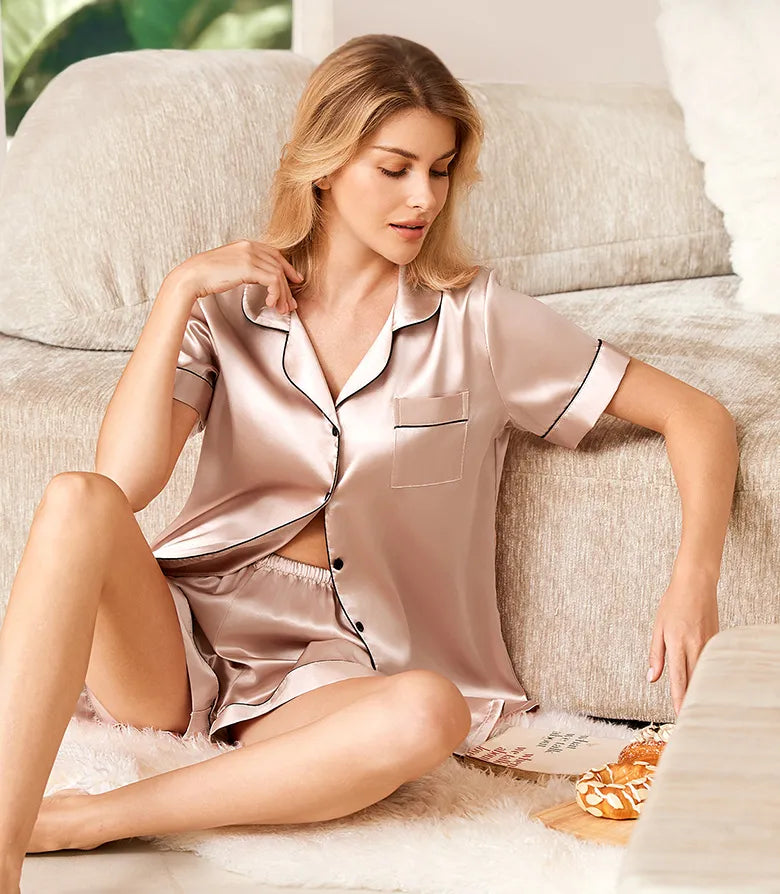
The bamboo viscose short-sleeve sleep shirt is specifically worth noting for the short-sleeve construction — it provides coverage at the shoulder without the thermal burden of a long sleeve, which is the right balance for hot sleepers in most room temperatures.
For a full-length option in the same fabric, the bamboo viscose sleeveless sleep dress removes sleeve coverage entirely for maximum airflow — the single-piece format means no waistband, and the bamboo viscose drape creates a flowing silhouette that cotton jersey can't replicate.
The Tank Top and Shorts Set
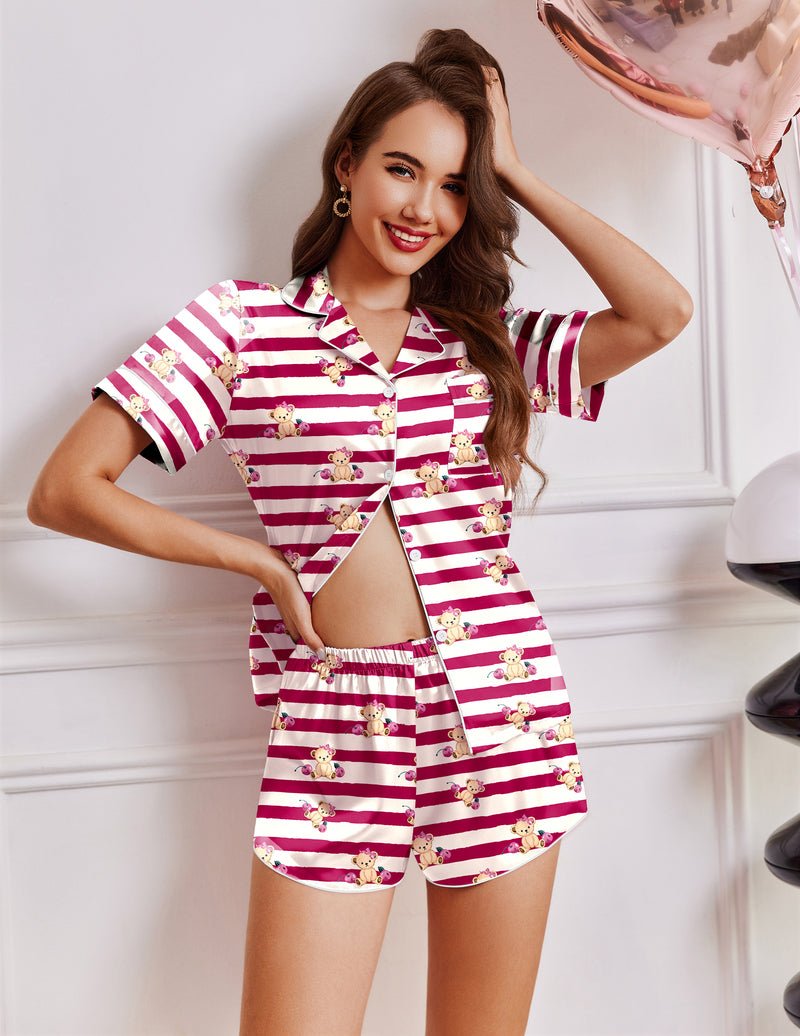
The cami-and-shorts format delivers the most thermal efficiency from bamboo viscose — minimal fabric at the torso means maximum moisture-wicking and airflow at the areas that generate the most heat during sleep. This is the format specifically recommended for hot sleepers and women managing perimenopause or postpartum night sweats.

The bamboo viscose tank top and shorts set covers this format — the tank construction keeps the shoulder and back coverage minimal while the shorts allow airflow at the lower body. For more on how fabric choice interacts with sleep temperature, the sleep shorts summer guide covers this in detail.
The Lounge Set (Top and Pants)
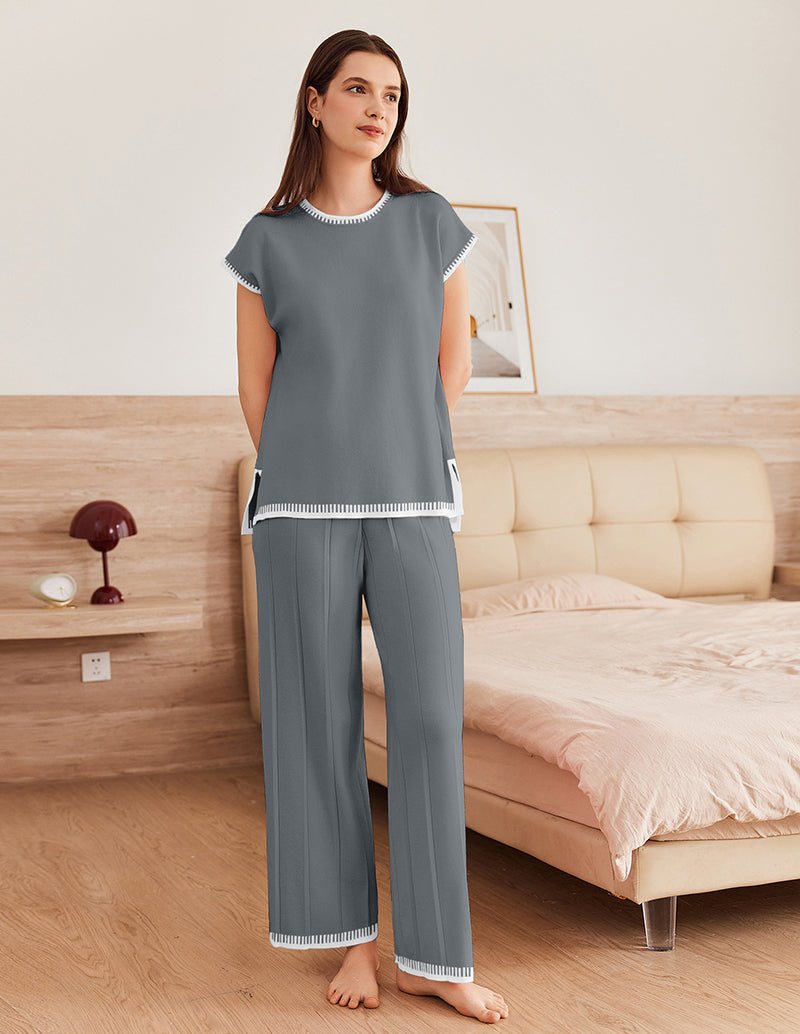
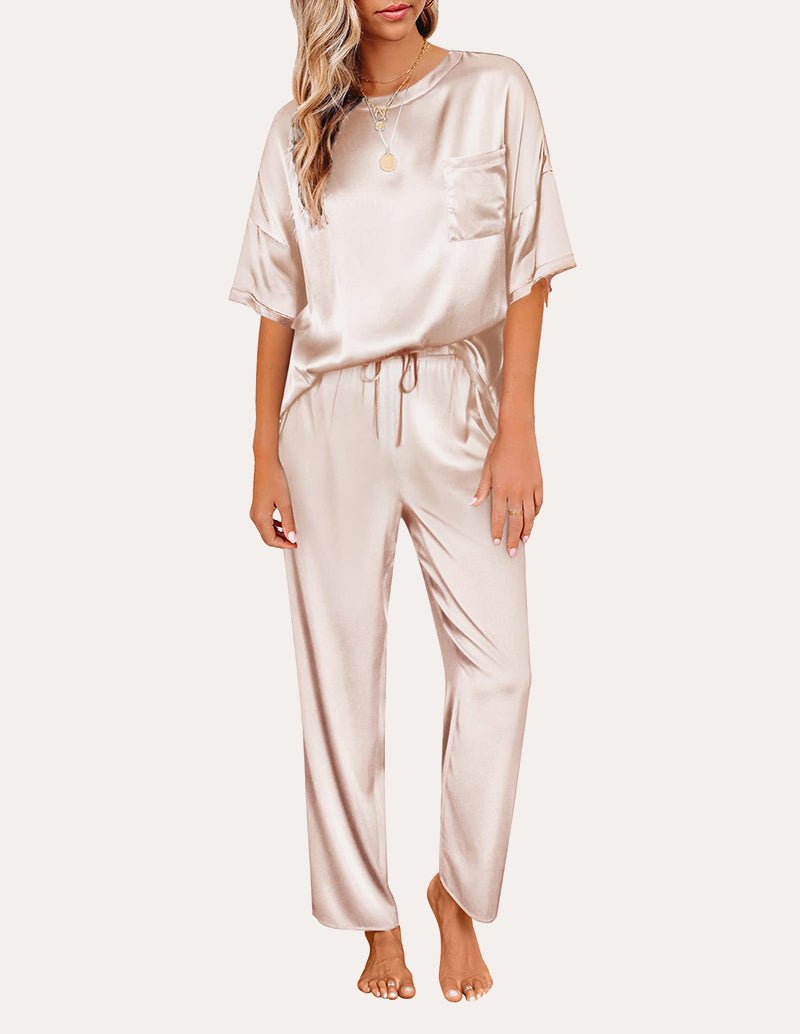
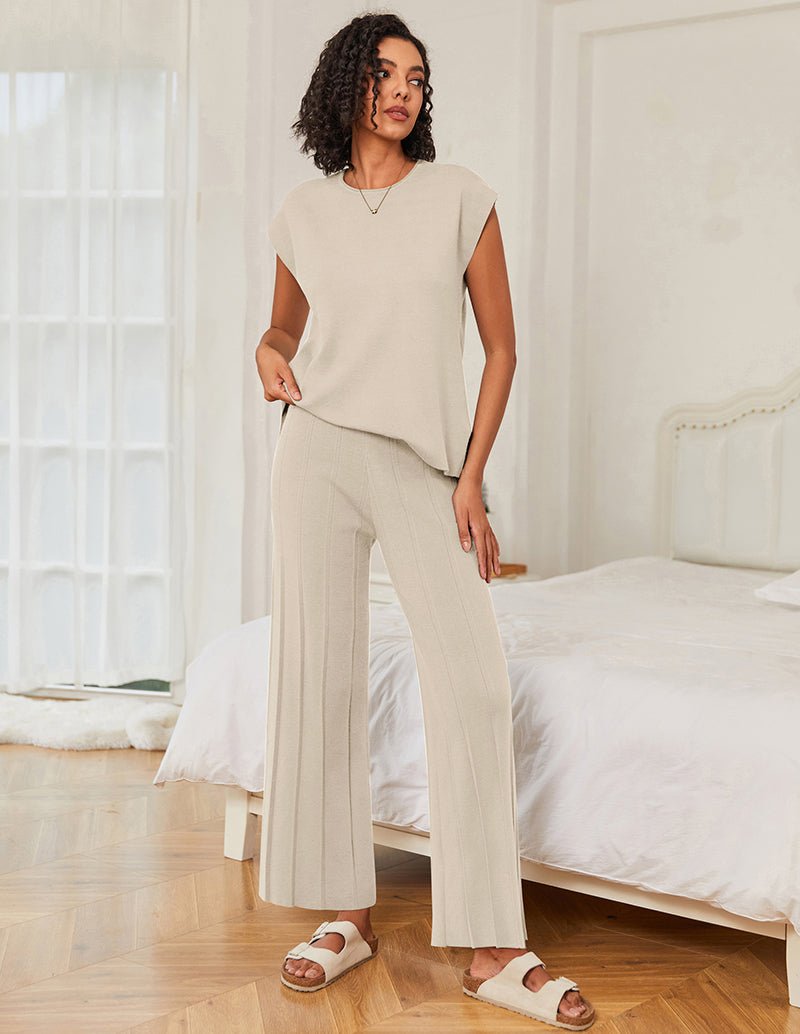
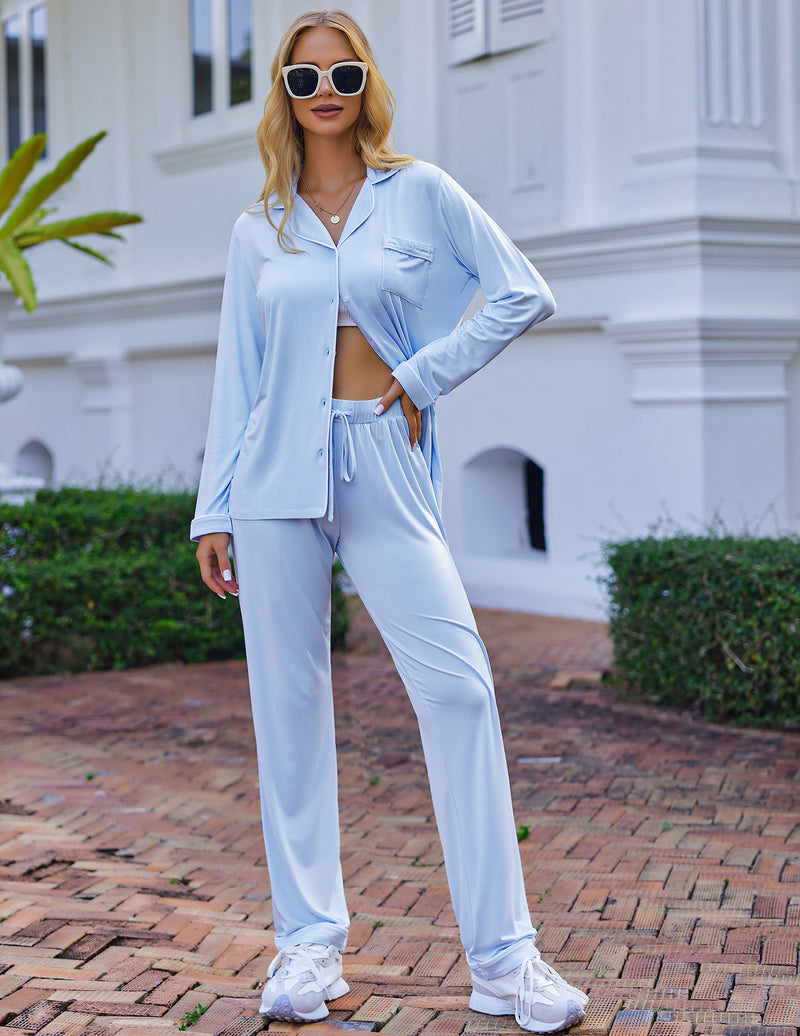
The longer-coverage format in bamboo viscose is the right choice for women who sleep in cooler rooms, want cross-wear flexibility for morning lounging, or prefer the two-piece format over a nightgown.
The key advantage over cotton in this format: bamboo viscose lounge pants have a fluid drape that cotton pants don't — they move more like a satin pant but with actual breathability. The fabric doesn't cling to the body when you move, which makes it more comfortable for active sleepers than a standard jersey knit.
The bamboo viscose lounge set with soft pajamas covers the full-coverage format — worth checking the waistband construction specifically, as the softness of bamboo viscose makes even modest waistband pressure more noticeable than it would be in a firmer cotton fabric. A wide, adjustable drawstring is particularly important in this fabric.
When Bamboo Viscose Outperforms Cotton and When It Doesn't
Bamboo viscose wins when:
-
You run warm or hot at night
-
You experience night sweats (perimenopause, postpartum, illness)
-
Skin sensitivity is a priority — bamboo viscose is less likely to irritate than standard cotton jersey
-
You want a softer-than-cotton feel without the price of silk
Cotton wins when:
-
You need maximum durability through frequent hot-water washing
-
Budget is the primary factor — cotton pajamas at equivalent quality cost less
-
You prefer a crisper, less fluid fabric structure
Neither is universally better — the choice depends on your specific sleep conditions. For a systematic comparison of moisture management and thermal performance between the two fabrics, the bamboo vs. cotton pajamas guide covers the detailed performance differences.

Care: What Bamboo Viscose Needs That Cotton Doesn't
Bamboo viscose is more delicate than cotton and requires specific care to maintain its softness and shape.
Wash: Cold water, gentle cycle, inside a mesh laundry bag. Bamboo viscose is vulnerable to friction damage during washing — the fine fibers can break and pill faster than cotton if exposed to aggressive agitation or rough fabrics in the same wash load.
Dry: Air dry or tumble on low for no more than 10 minutes, then air dry. High heat is the primary cause of bamboo viscose shrinkage — according to AATCC textile care standards, bamboo viscose can shrink 3–5% in high-heat drying, significantly more than most cotton knits.
Detergent: A mild, pH-neutral detergent designed for delicates. The same enzyme-free recommendation that applies to silk applies here — protease enzymes in standard detergents break down protein-adjacent fibers over time.
What causes bamboo viscose to lose its softness: Primarily heat damage and fabric softener. Fabric softener coats fibers and paradoxically makes bamboo viscose feel less smooth over time — the coating interferes with the fiber's natural drape. Skip it entirely.
Frequently Asked Questions
Q: Is "bamboo viscose" the same as "rayon from bamboo"?
A: Yes — viscose and rayon are the same material, produced by the same chemical process. "Viscose from bamboo," "rayon from bamboo," and "bamboo viscose" all describe the same fiber: cellulose extracted from bamboo and regenerated through the viscose process. The FTC confirms these terms are interchangeable under labeling requirements, and all three are legally compliant labels.
Q: Are bamboo pajamas actually antibacterial?
A: Not inherently. The bamboo plant has natural antibacterial properties from a compound called bamboo kun, but as Canada's Competition Bureau confirmed, the viscose manufacturing process removes any trace of the original plant — including those properties. A bamboo viscose pajama claiming antibacterial properties without third-party certification is making an unsubstantiated claim.
Q: Why do some pajamas just say "bamboo" on the label without "viscose"?
A: Either the fabric is mechanically processed bamboo (extremely rare in soft pajamas) or the labeling is non-compliant with FTC requirements. The FTC settled enforcement actions against Amazon, Macy's, and Sears for exactly this issue — labeling viscose-from-bamboo fabric simply as "bamboo." If you see this, it's worth treating the brand's other claims with extra scrutiny.
Q: What percentage of bamboo in a blend is worth buying?
A: 70% or higher for meaningful performance benefit. Below 60%, the cotton or synthetic blend components start to dominate the fabric properties, and you're largely paying for the "bamboo" marketing claim rather than the functional advantage.
Q: Is bamboo viscose more sustainable than cotton?
A: The plant sourcing story is genuinely better — bamboo grows faster, needs no pesticides, and requires less water. The manufacturing story is more complex. The viscose process uses significant chemical inputs, and the environmental impact depends on whether the factory uses closed-loop solvent recovery or discharges into waterways. OEKO-TEX Standard 100 or Bluesign certification on the finished fabric is the most reliable indicator that both the chemical safety and environmental manufacturing claims have been independently verified.
Q: How do bamboo pajamas compare to silk for hot sleepers?
A: Both bamboo viscose and silk have genuine temperature-regulating and moisture-wicking properties that synthetic fabrics don't. Bamboo viscose typically edges out silk for hot sleepers because it wicks moisture more aggressively — silk is better at gentle temperature regulation across a normal range, but bamboo viscose handles active sweating more effectively. For the full silk comparison, including when the premium price is justified, the best silk pajamas guide covers this in detail.
Related Guides
-
Bamboo vs. Cotton Pajamas: The Definitive Thermal Performance Guide
-
Pajama Pants Guide: How to Choose the Perfect Waistband & Fit
-
Sleep Shorts Summer Guide: Maximize Airflow and Thermal Efficiency
-
Best Silk Pajamas Guide: When Is the Premium Price Justified?
About Ekouaer
Founded in 2014, Ekouaer makes sleepwear and loungewear with an emphasis on functional design and fabric safety. All fabrics carry OEKO-TEX Standard 100 certification — independently tested to be free of harmful substances, meeting requirements for skin-contact textiles. Products have been featured in CNN Underscored, Forbes, and TODAY.com.