Linen PJs for Women: A Cool and Breathable Sleepwear Guide

For hot sleepers and anyone dealing with humid summer nights, linen is one of the most reliably breathable sleepwear fabrics available. Unlike cotton, which absorbs moisture and can feel heavier as the night wears on, linen lets air move through the fabric continuously — which means it stays dry-feeling even when temperatures don't drop. Unlike synthetic cooling fabrics, that breathability isn't a finish or treatment. It comes from the natural structure of flax fibers and holds up wash after wash.
That's the short answer. If you're deciding between linen and other options, or trying to figure out which linen style actually works for sleep vs. travel, keep reading — this guide covers all of it.
Why Linen PJs Feel Cooler Than Traditional Sleepwear
Your body naturally starts lowering its core temperature in the hours before sleep, a process the National Sleep Foundation links directly to how quickly you fall asleep and how deeply you stay there. Sleepwear that traps heat works against that process. Linen doesn't.
Linen is woven from flax fibers with a naturally open structure, which allows airflow between the fabric and your skin. Rather than sitting flat against the body like jersey knit or polyester, linen creates a slight separation — almost a floating quality — that keeps it from feeling clingy even in humid conditions.
That texture surprises some people the first time they try it. Linen doesn't feel silky-smooth like satin or immediately soft like modal. It feels airy and lightly textured. Once you've slept in it on a hot night, that quality becomes exactly the point.
On Reddit, hot sleepers have described it well. In a thread on cooling pajamas compiled by PureWow, one user advised simply to "look for natural fibers," and linen consistently came up as the top recommendation among women dealing with night sweats and humid climates. The consensus: linen feels noticeably less sticky than polyester blends and stays drier through the night than standard cotton.
Linen also has real moisture-wicking ability. According to textile research cited by Healthline, linen can absorb up to 20% of its weight in moisture before it begins to feel damp — meaning it handles night sweats better than most fabrics without that immediate wet, clammy sensation.

This combination makes linen especially practical for:
-
Hot sleepers and women experiencing hormonal temperature fluctuations
-
Humid climates where cotton can start feeling heavy by 2am
-
Homes without strong air conditioning
-
Summer travel where you need sleepwear that works in unpredictable conditions
One more thing worth knowing: unlike trend-driven "cooling fabrics" that rely on chemical treatments or synthetic blends, linen's performance doesn't degrade over time. Quality linen sleepwear usually gets softer the more you wash it, not worse.
Linen vs Cotton vs Pima Cotton: Which Sleeps Best in Summer?
All three are natural fabrics and all three are better than synthetics for warm-weather sleep. But they feel different enough that the choice matters, especially if you run hot.
|
Fabric |
Breathability |
Texture |
Moisture Control |
Best For |
|---|---|---|---|---|
|
Linen |
Excellent |
Airy, lightly textured |
Excellent — absorbs without feeling damp |
Hot sleepers, humid climates, summer travel |
|
Cotton |
Good |
Soft, familiar |
Moderate — absorbs but can feel heavier over time |
Everyday year-round comfort |
|
Pima Cotton |
Very Good |
Smooth, luxurious |
Moderate |
Sensitive skin, women who prioritize softness |
Standard cotton is the most familiar and works well for most temperatures. The issue in high summer is that as the night goes on, cotton holds onto absorbed moisture — which is fine in dry climates but can feel increasingly heavy in humidity.
Pima cotton is softer and finer than regular cotton, which is why it's popular for year-round sleepwear. It's a great option if sensitive skin is your primary concern. But softness isn't the same as breathability, and on very hot nights, Pima can still feel warmer than linen.
Linen creates the most airflow of the three. The trade-off is texture: it's not as immediately soft as Pima cotton, and it wrinkles readily. Both of those things stop bothering most women after the first night — especially when they notice how much cooler and drier they wake up.
For women who want linen's breathability with a softer starting point, cotton-linen blends (typically 55% linen / 45% cotton) offer a middle ground. They're slightly less breathable than pure linen but noticeably softer right out of the bag.
Best Linen Pajama Styles for Summer and Travel
Linen Short Sets for Hot Sleepers
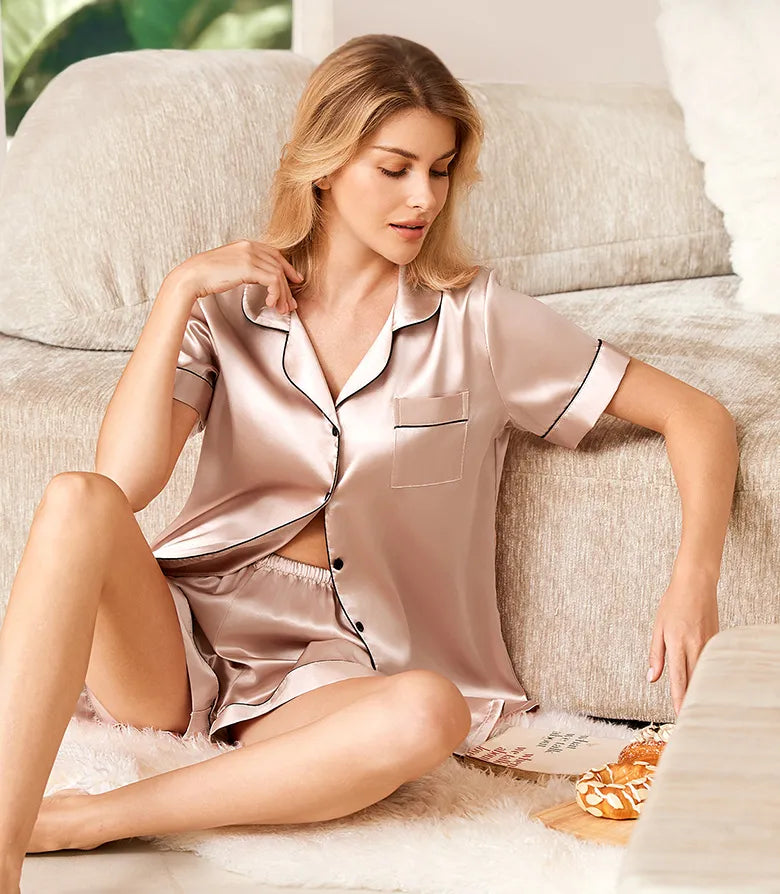
Short-sleeve top with matching shorts is the highest-airflow combination for summer nights. The style works especially well in linen because the fabric doesn't cling or bunch the way jersey might — even a relaxed short set stays put.
Look for:
-
Loose-fit shorts with an elastic or drawstring waistband
-
Button-down or pull-on tops with some ease through the chest
-
Lightweight fabric weight (not all linen is the same — heavier linen can feel stiff)
Short sets also travel better than most people expect. Linen folds flat, doesn't wrinkle worse than it already does, and doubles as casual daywear with the right sandals. If you're planning a beach trip or a warm-weather vacation and want a single set of pajamas that works for multiple contexts, a linen short set is the most versatile option.
Relaxed Linen Pants for Lounging and Travel
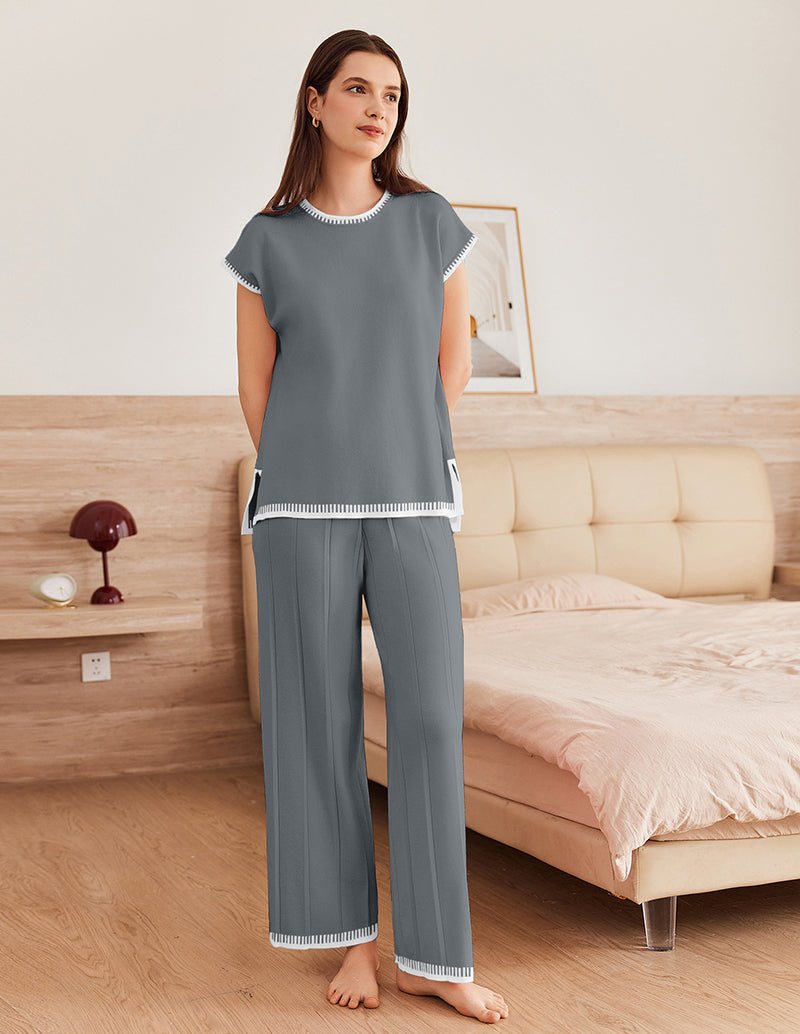
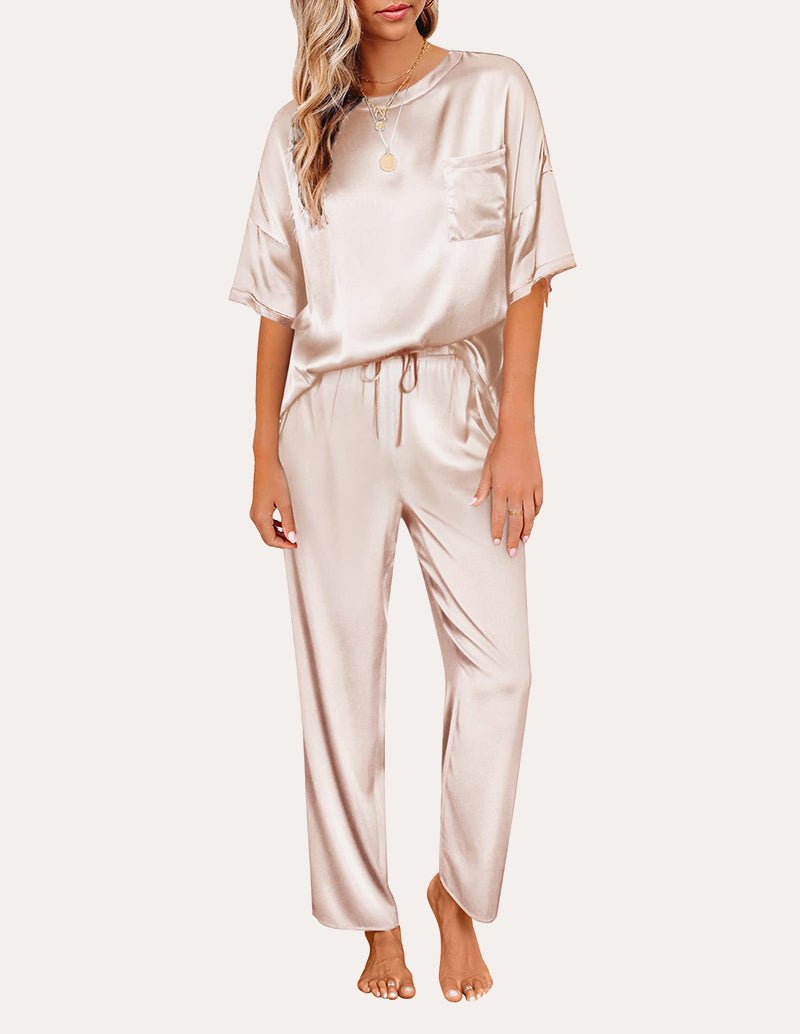
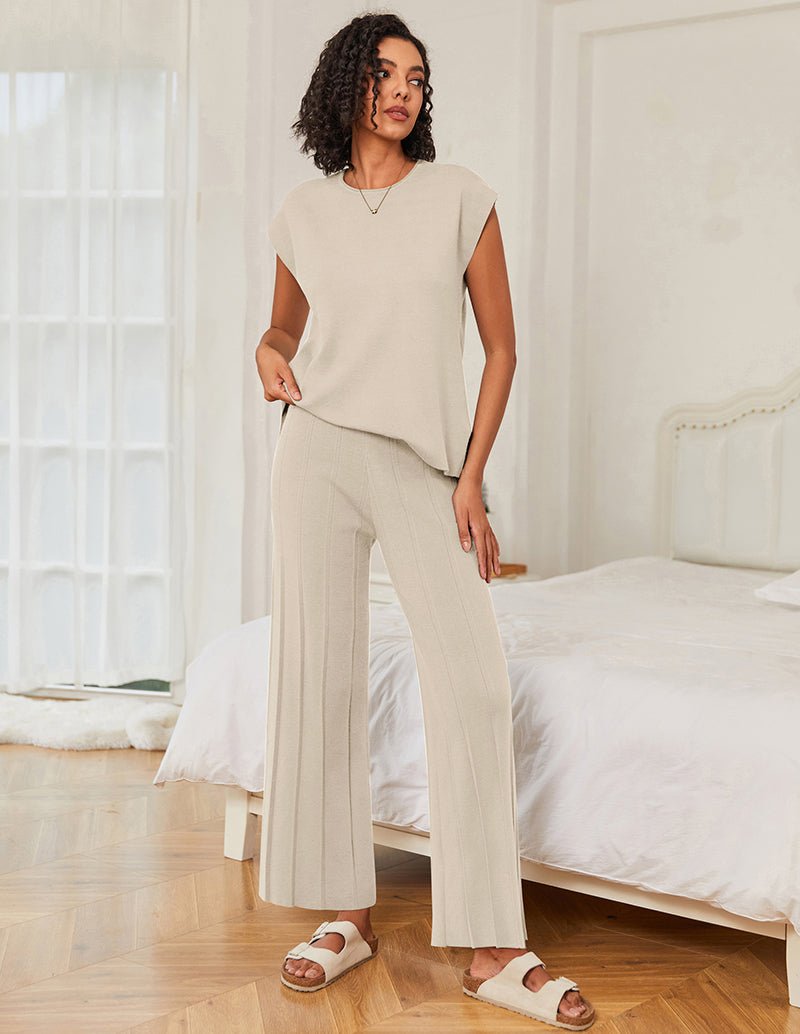
Some women prefer full-length pants year-round, even in summer — and with linen, that's a reasonable choice. The key is silhouette: wide-leg or straight-leg cuts allow air to circulate the legs rather than trapping heat the way fitted joggers do.
Wide-leg linen pants have also found life outside the bedroom. Styled with a simple tank or linen button-down, they work for airport travel, slow mornings at a rental house, or even a casual dinner at a beach restaurant. The Ekouaer Women's Linen Wide Leg Pants are a good example of this crossover style — relaxed enough for sleep, put-together enough for most casual settings.
For anyone thinking ahead to Amazon Prime Day 2026 (confirmed for June), lightweight linen loungewear is exactly the kind of warm-weather essential that tends to see real discounts. Worth bookmarking now.

Cotton-Linen Pajama Sets for Everyday Wear
Pure linen isn't for everyone, and that's fine. Cotton-linen blends solve the main objection — the slightly crisp texture of new linen — without giving up much in terms of breathability.
These blends work well for:
-
First-time linen buyers who aren't sure about the texture
-
Women with sensitive skin who find pure linen too scratchy initially
-
Anyone who wants pajamas polished enough to wear around family or guests
Matching cotton-linen sets tend to become summer staples because they sit comfortably between structured loungewear and genuine sleepwear. The Ekouaer Cotton Linen Pajama Set hits that middle ground well — breathable enough for warm nights, soft enough to reach for every day.

How Linen Pajamas Fit Different Body Types
Fit matters more with linen than with stretchy knit fabrics because linen has very little elasticity. The cut does almost all the work.
The good news: relaxed linen silhouettes tend to be genuinely flattering across body types because the fabric drapes instead of clinging. But there are a few fit considerations worth knowing.

For petite women, slightly cropped linen pants or wide-leg cuts that don't pool at the floor tend to look most proportional. Very oversized linen can overwhelm a smaller frame, so balanced, relaxed fits — rather than exaggerated oversized ones — usually work better.
For plus-size women, linen's non-cling quality is one of its biggest practical advantages. Where synthetic fabrics stick to the skin in heat and humidity, linen creates space between the fabric and the body. Wide-leg pants, loose short sets, and oversized button-down sleep shirts are the most comfortable options and also the most flattering because they don't create tension lines at the hip or thigh.
On sizing: because linen doesn't stretch, women who are between sizes usually find that going up one size gives a more comfortable result, especially for pajama pants and button-down tops. Keep in mind that linen can also shrink slightly in length if exposed to high heat in the dryer — a worth factoring in if you're on the taller side.
For lightweight matching sleepwear styles, browse the Ekouaer Pajama Sets Collection.
How to Care for Linen Pajamas Without Ruining the Fabric
Linen is more durable than it looks, but heat is its main enemy. These care habits will keep your linen pajamas feeling soft and staying true to size.

Wash in cool or cold water. A gentle cycle with mild detergent is all linen needs. Hot water accelerates fiber breakdown and increases shrinkage — not worth the risk for something you wear close to your skin.
Air dry when possible. Linen dries quickly at room temperature and air drying preserves both the softness and the length. If you use a dryer, low heat only. The OEKO-TEX Standard 100 certification that Ekouaer fabrics carry means they've been tested for harmful substances — but they still benefit from gentle care like any natural fiber.
Let the wrinkles happen. This is the one care "mistake" most first-time linen buyers make: fighting the wrinkles. Linen wrinkles. That's part of its aesthetic. The relaxed, slightly rumpled texture is what gives linen sleepwear its effortless quality. Trying to iron it smooth removes some of what makes it feel elevated rather than stiff.
If you want to smooth it out, a light steam — fabric steamer or the steam setting on an iron held a few inches away — is enough. Hard pressing with a hot iron flattens the natural texture and can make linen feel more like stiff fabric than relaxed sleepwear.
Expect it to get softer. Quality linen typically becomes more comfortable with every wash, not less. Unlike synthetic fabrics that pill or degrade, good linen mellows over time while maintaining its breathability. It's one of the few sleepwear materials that genuinely rewards keeping.
Are Linen PJs Worth It?
For hot sleepers, yes — probably more than almost any other sleepwear upgrade.
Linen pajamas cost more upfront than polyester or budget cotton sets. But the math changes when you factor in durability. A well-cared-for linen set can last years while staying comfortable, whereas synthetic sleepwear often starts pilling or degrading within a season. The cost-per-wear tends to favor linen over time.
Beyond durability, linen pajamas earn their keep through versatility. A good linen short set or wide-leg pant set works for:
-
Actual sleep (the original purpose)
-
Morning coffee and slow starts at home
-
Beach vacation loungewear
-
Airport travel — linen looks intentional even when it's wrinkled
-
Casual evenings where you want to be comfortable but not look entirely like you're in pajamas
That range of use cases is part of why linen sleepwear has shifted from a niche preference to a genuine summer wardrobe category for a lot of women.
If you've been on the fence about trying linen, Amazon Prime Day 2026 in June is a practical moment to pick up a set — it lands right at the start of peak summer heat, and sleepwear tends to be one of the better-discounted categories. Worth having a set in hand before the hottest nights hit rather than after.
FAQ
Q: Are linen pajamas good for hot sleepers?
A: Yes — linen is consistently one of the top recommendations among hot sleepers and women dealing with night sweats, both from editors and from community discussions online. Its breathability comes from the natural fiber structure, not a finish, so it holds up wash after wash.
Q: Do linen pajamas wrinkle easily?
A: Yes, and that's expected. The relaxed, slightly textured appearance is considered part of linen's aesthetic rather than a flaw. If you prefer a cleaner look, a light steam takes out the worst of it.
Q: Is linen better than cotton for summer sleep?
A: For very hot or humid conditions, most women find linen more breathable than standard cotton. Cotton is better for moderate temperatures and year-round use; linen outperforms it specifically in peak summer heat.
Q: Can linen pajamas be worn outside the house?
A: Easily. Wide-leg linen pants and button-down linen sets are popular as travel and resort wear precisely because they look put-together despite being genuinely comfortable.
Q: Are linen pajamas good for travel?
A: Yes. Linen is lightweight, packs flat, dries quickly, and handles humidity better than most fabrics. It's a practical choice for beach trips, warm-weather travel, and any situation where you want one set of pajamas to work for both sleep and casual daywear.
Q: Do linen pajamas shrink after washing?
A: They can shrink slightly in length if dried on high heat. Washing in cool water and drying on low heat or air drying prevents most shrinkage.
Q: When is the best time to buy linen pajamas on sale?
A: Amazon Prime Day 2026 is confirmed for June — right before peak summer heat — and tends to include real discounts on warm-weather sleepwear. It's a good window to stock up on linen sets before you actually need them.
Related Guides
-
Nightgown Guide: How to Identify, Wear, and Choose the Right One — style comparisons including lightweight options for warm weather
-
Bamboo Pajamas vs. Cotton: Which Is Better for Sleep? — side-by-side fabric comparison for breathable everyday sleepwear
-
How to Style PJ Outfits for Women — how to take linen and other pajama styles beyond the bedroom
-
Best Maternity Sleepwear for Summer 2026 — lightweight and breathable options for warm-weather maternity comfort
About Ekouaer
Founded in 2014, Ekouaer makes sleepwear and loungewear with an emphasis on functional design and fabric safety. All fabrics carry OEKO-TEX Standard 100 certification — independently tested to be free of harmful substances, meeting requirements for skin-contact textiles. Products have been featured in CNN Underscored, Forbes, and TODAY.com.
Ekouaer in the Press
-
Parade (May 2026): Amazon's Ekouaer 2-Pack Pajama Set Is a Must-Have — described as winning "on all counts" for comfort and value
-
OpenPR (March 2026): Ekouaer Wins Oprah Daily Editor's Choice and TODAY 2026 Sleep Award — two products recognized by Oprah Daily and TODAY in the same season
-
Parade (November 2025): Amazon's Ekouaer Ribbed Nightshirt Is a Must-Have — described as "cozy" and "flattering," available in 11 colors
-
Parade (November 2025): Amazon's Ekouaer Oversized Nightgown Is a Must-Have — shoppers called it "very comfortable" and "soft and stretchy"