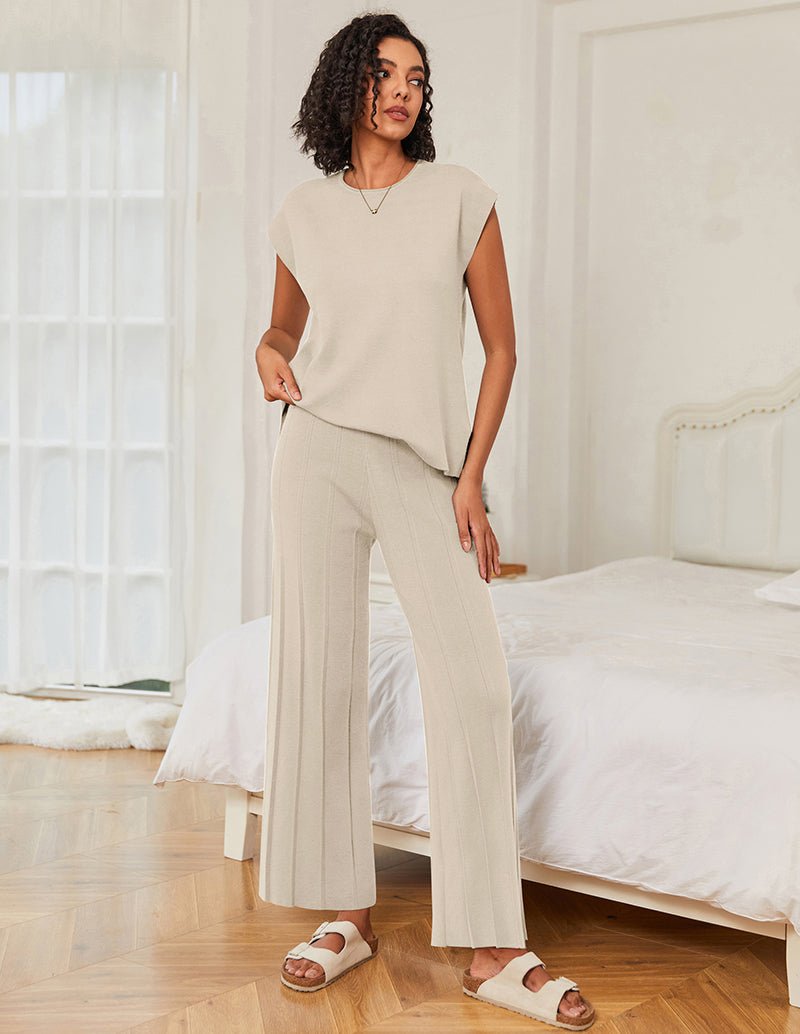
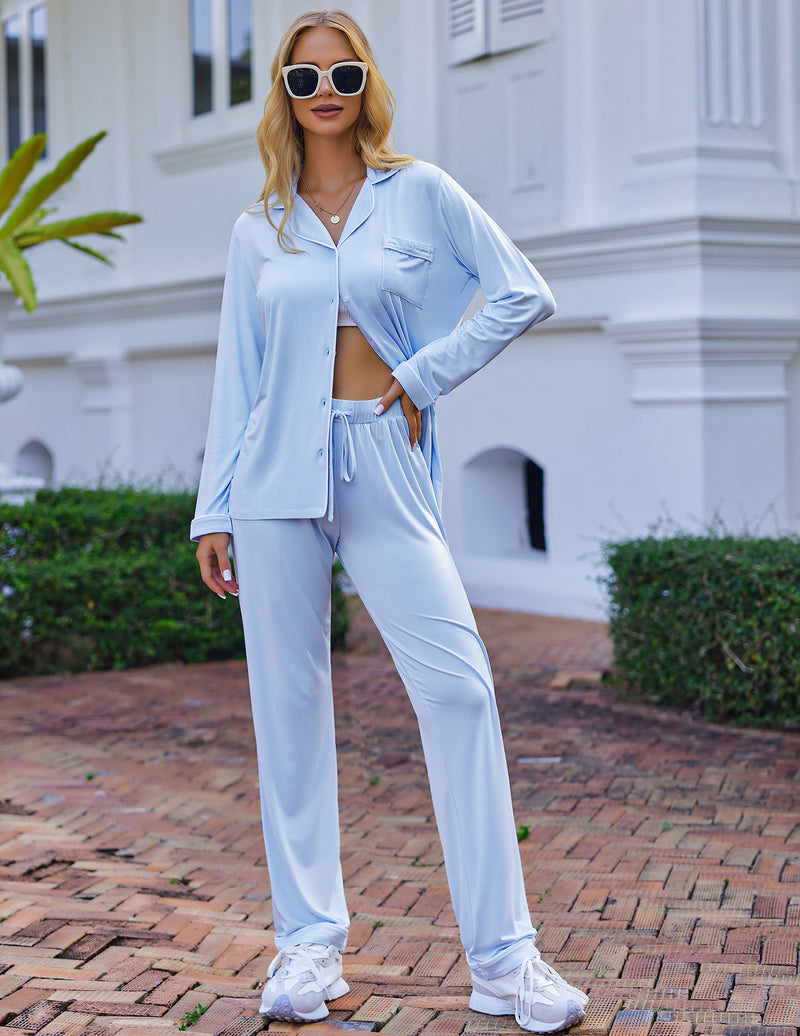
How Should Plus-Size Women Choose Sleepwear Fabric?

The short answer is this. Choose breathable, stretchy fabrics that do not trap heat, and check how the fabric behaves on your body before you trust the photo. Cotton and modal blends are the safest bets for most plus-size sleepers, satin and silk feel luxurious but run less breathable in warm rooms, and stiff or shiny synthetics are usually the ones to skip. The best fabric for you is the one that stays comfortable through a full night, does not bunch or bind, and survives the wash. This guide breaks down each fabric family so you can pick with confidence instead of guessing.
Key Takeaways
-
Breathable cotton and modal blends suit most plus-size sleepers, especially in warm rooms.
-
Stretch matters: a little elastane keeps fabric from binding while you move in sleep.
-
Satin and silk feel options are fine for cool nights but trap heat more than cotton.
-
Check how a fabric feels at the seams and waistband, because fit and fabric work together.
-
Look for honest size ranges and roomy cuts that match the fabric's behavior.
What Matters Most in Sleepwear Fabric
Fabric choice for plus-size sleepwear comes down to three things: breathability, stretch, and weight. Breathability decides how hot you get, because fabric that traps heat leads to restless sleep and night waking. Stretch decides whether the fabric moves with you or fights you, especially through the hips and thighs where a rigid fabric can bind. Weight decides how the piece feels, from a whisper thin knit to a heavy fleece that belongs in winter.
Your body runs the show here, not the label. Two people with the same dress size can prefer completely different fabrics, because one sleeps hot and the other runs cold. The practical move is to buy one piece in a fabric you think you will like, sleep in it for a week, and then decide. This trial approach beats buying three sets from reviews alone, and it is the same logic people use when they compare satin and silk pajamas side by side.
Cotton: The Reliable Base
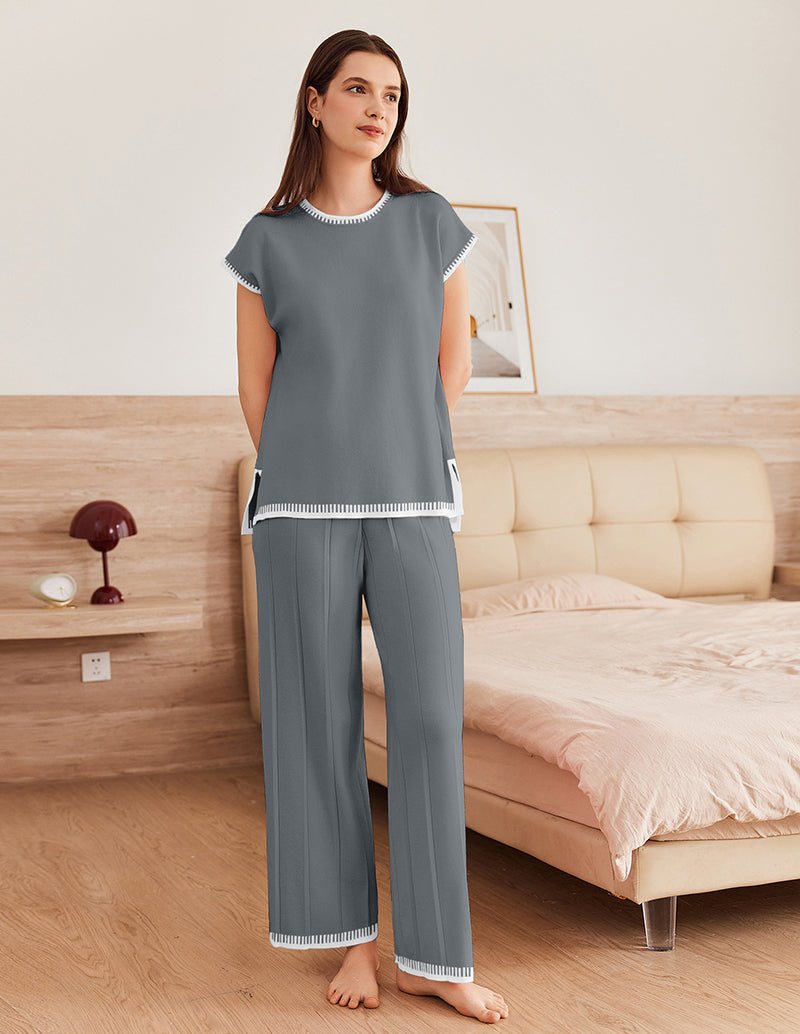
Cotton is the safe default for a reason. It breathes, it washes well, and it rarely irritates skin, which matters if you deal with heat rashes or sensitivity. A lightweight cotton knit moves with you and dries quickly, while a heavier cotton flannel suits cold nights. For most plus-size sleepers, a cotton or cotton modal blend is the easiest place to start, because it forgives temperature swings and stays soft wash after wash.
The one thing to check with cotton is the weave. A tight, smooth weave feels crisp and cool, while a loose knit feels softer and more flexible. If a cotton piece feels stiff in the store, it will feel stiff in bed. If it has a little give, it will move with you. Look for the words relaxed fit or oversized, because a roomy cut lets the fabric do its job instead of stretching over every curve.
Modal and Bamboo: Smooth and Stretchy
Modal and bamboo blends are the upgrade most people try next. They drape more smoothly than basic cotton, feel softer against skin, and resist wrinkles, which makes them a favorite for sleepwear that doubles as loungewear. The stretch in these blends comes from a small amount of elastane, and that stretch is what keeps the fabric from binding at the waist or thighs. If you move around a lot in sleep, a modal blend usually feels more forgiving than a plain cotton.
These fabrics are also gentler on sensitive skin, which matters if you have eczema or chafing at night. The tradeoff is price: modal and bamboo pieces cost a little more, and some require gentler washing. For a fuller look at why these soft knits win fans, our guide to best modal pajamas explains the fabric in more detail.

Satin and Silk Feel: Luxury with a Caveat
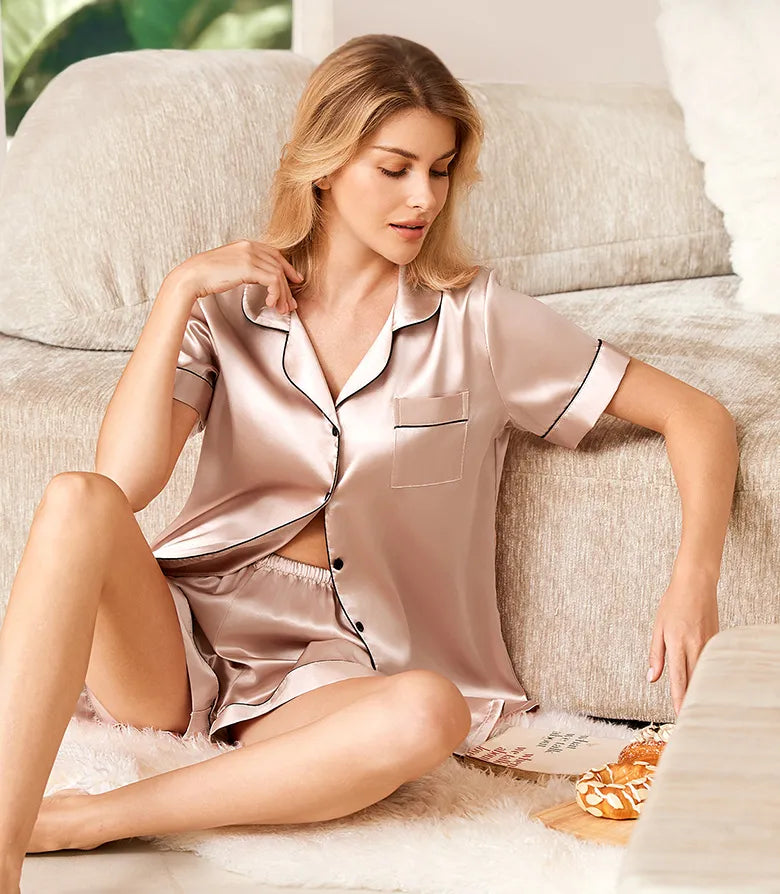
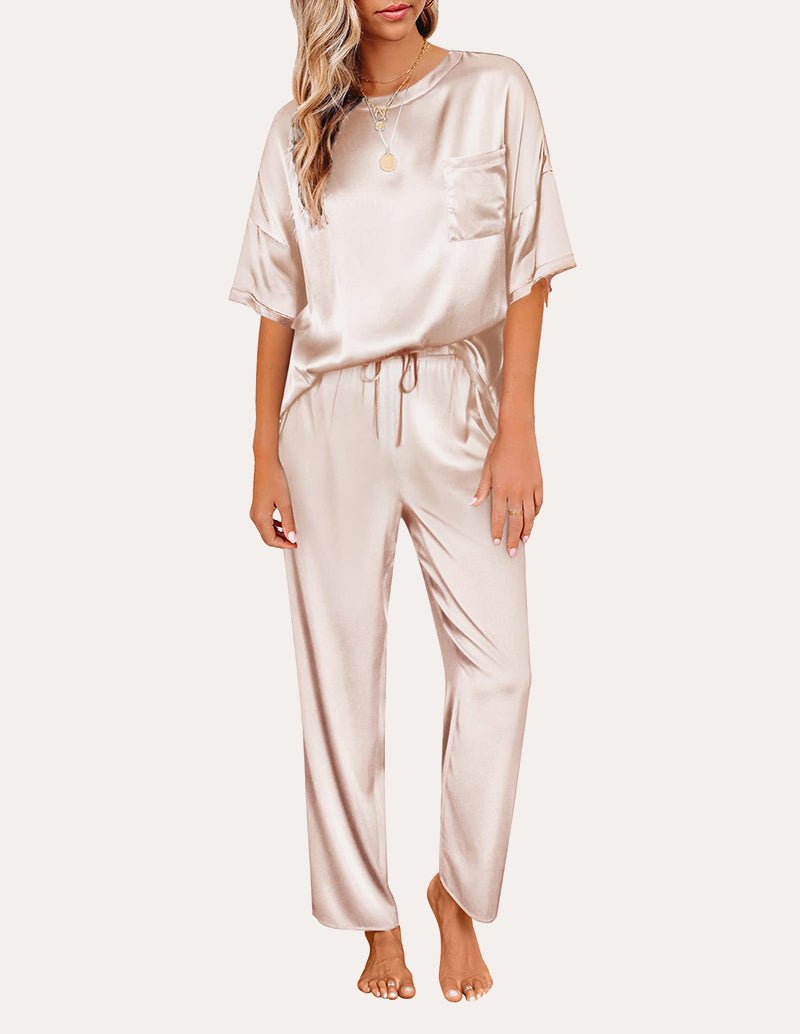
Satin and silk feel sleepwear looks beautiful and feels smooth against skin, but the tradeoff is breathability. Real silk breathes reasonably well, while a satin weave made from polyester traps more heat and can feel clammy in warm rooms. For plus-size sleepers who run warm, a silky piece is better saved for cool evenings or for nights when you want the look without a heavy layer.
If you love the feel, look for a satin or silk feel piece with a relaxed cut, because a tight satin gown against a fuller figure shows every line and can ride up while you move. A roomy satin nightgown that skims the body reads as elegant, while a fitted one becomes a source of small annoyances. When in doubt, size up and let the fabric flow rather than stretch.
Synthetics to Question
Not all synthetic fabrics are bad, but several deserve a second look. Pure polyester and nylon shells trap heat, hold odor, and feel clammy against skin in warm rooms. Fleece, which is usually polyester, is warm and cozy but belongs in cold weather only, because a fleece nightgown in a heated room will have you kicking the covers off by midnight.
The exception is a synthetic blend with a clear purpose, like a little elastane for stretch or a moisture wicking finish for hot sleepers. A blend that lists cotton or modal first and uses synthetic only for stretch behaves more like a natural fabric. The key is reading the label: if the first fiber is a stiff synthetic, expect heat retention; if a breathable natural fiber comes first, the piece probably works. For more on how fabric wicks sweat away, moisture wicking fabrics work by moving sweat to the surface where it can dry.
Fit and Coverage Work with Fabric
Fabric and fit are two halves of the same decision. A breathable fabric in a tight cut still binds, and a roomy cut in a stiff fabric still feels cardboard like. For plus-size sleepwear, look for pieces that combine a soft fabric with a generous silhouette: wide armholes, a loose waist, and a hem that covers you when you stand and sit. These details matter more than the fabric name on the tag.
Think about where fabric touches skin. A waistband that digs in, sleeves that bunch, or a hem that rides up will ruin an otherwise great fabric. Some plus-size sleepers prefer gowns and nightshirts because they remove the waistband question entirely, while others want a pajama set with an adjustable drawstring. Choose the silhouette that keeps the fabric from working against you, and consider how the room temperature affects your choice. Poor sleep is linked to long term health issues, and the CDC's sleep guidance is a good reminder of why comfort at night matters.
Care and Longevity
A good sleepwear fabric should survive the wash, because sleepwear gets washed constantly. Cotton and modal blends hold up well to cold water and low heat, while satin and silk feel pieces usually need gentler care and can pill or fade if treated roughly. Before you buy, check the care label and think about whether you will actually follow it, because a beautiful fabric you cannot wash properly becomes a chore.
Rotate two or three pieces so each set gets a break, and wash new sleepwear once before wearing it to soften the fabric and remove any finish. If a piece starts to pill or lose shape, that is a signal the fabric blend is not holding up, and it is worth replacing rather than tolerating. Sleepwear should feel better with each wash, not worse, and the MedlinePlus overview of sleep disorders is a useful reminder that comfortable sleep is part of overall health.

Our Picks from Ekouaer
Three Ekouaer pieces show how fabric and fit come together for plus-size sleepers. The Ekouaer Long Nightgowns Plus Size House Dress uses a soft knit that moves with you and skips the waistband entirely. The Ekouaer Plus Size Knee Length Lightweight Robe layers over sleepwear in a breathable fabric that works for warm rooms. The Ekouaer Plus Size Moo Moo Mumu Dress is a loose, airy option with room to breathe on hot nights. None of these promise to fix your sleep, but all of them remove the small annoyances that keep you up.

Frequently Asked Questions
Is cotton or modal better for plus-size sleepwear?
Both work well. Cotton breathes and washes easily, while modal feels smoother and drapes nicer. Many sleepers prefer a cotton modal blend that combines the best of both, especially for warm rooms and sensitive skin.
Do satin pajamas run hot on plus-size bodies?
Polyester satin traps more heat than cotton or modal, so yes, it can feel warm on anyone. Real silk breathes better but costs more. If you love the look, save satin for cool nights or choose a relaxed cut in a breathable blend.
What fabric is best for night sweats?
A light cotton or modal knit beats heavy synthetics. Look for moisture wicking finishes and a thin but substantial weave, and keep the room cool. Avoid fleece and dense polyester if you run warm at night.
Should I size up in sleepwear?
Often yes. Sleepwear runs best when it is slightly loose, and a roomy cut lets the fabric breathe and move with you. If a piece is between sizes, go up and let the fabric flow rather than bind.
The Practical Recommendation
Start with one breathable cotton or modal piece in a relaxed cut, wear it for a week, and let your body decide the next fabric. If you sleep hot, lean on light knits and moisture wicking blends. If you love a silky feel, keep it for cool nights and choose a roomy silhouette. If only one rule sticks, remember this: the best sleepwear fabric for a plus-size body is the one you forget you are wearing, because it breathes, moves, and survives the wash. Ekouaer covers the basics well, so begin there, test one piece, and build your rotation from what actually works for you.
Related Reading
About Ekouaer
Ekouaer is a sleepwear and loungewear label that thinks about comfort as care. The brand focuses on breathable fabrics, roomy cuts, and honest size ranges so softness is available to more bodies, not just a sample size. With more than a decade of loungewear design, Ekouaer builds pieces for the nights when ordinary clothes feel like too much and for the mornings when you want to stay in them a little longer. The brand has been featured by outlets including Forbes Vetted and CNN Underscored, and the Ekouaer x Vanessa Hudgens My Comfort Era collaboration showed how everyday ease can feel a little celebratory.