Vanessa Hudgens Street Style: How to Make Loungewear Look Polished

There's a specific gap between "loungewear that's comfortable" and "loungewear that looks intentional enough to wear outside the house" — and it's a smaller gap than most people assume, closed by a handful of specific choices rather than an entirely different wardrobe.
The short version: polished loungewear comes down to fit, one structured element, and how it's finished — shoes, hair, one accessory. The garment itself often doesn't need to change; a knit lounge set that reads as strictly at-home wear with slippers and no other adjustment reads as a legitimate outfit the moment real shoes and one considered detail are added.
The Gap Between "Comfortable" and "Polished," Specifically
Most loungewear is designed to fit reasonably well and feel soft — that's table stakes. What separates a piece that looks put-together on the street from one that reads as "didn't leave the house" isn't usually the garment. It's three things layered on top of it:
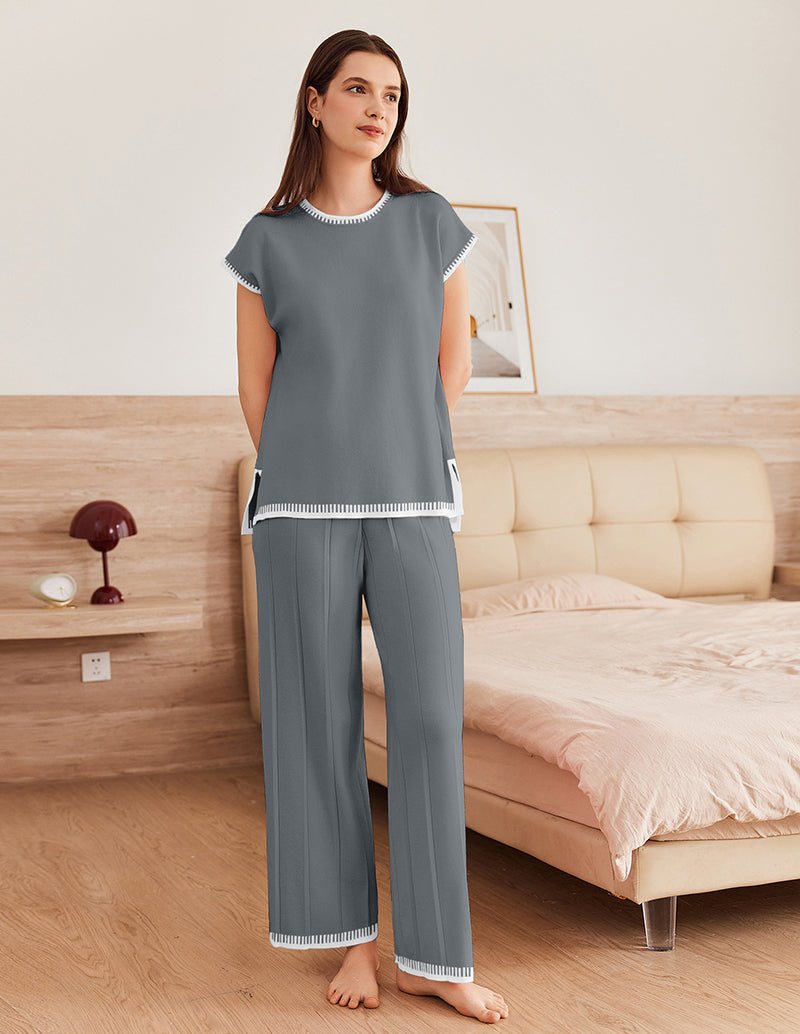
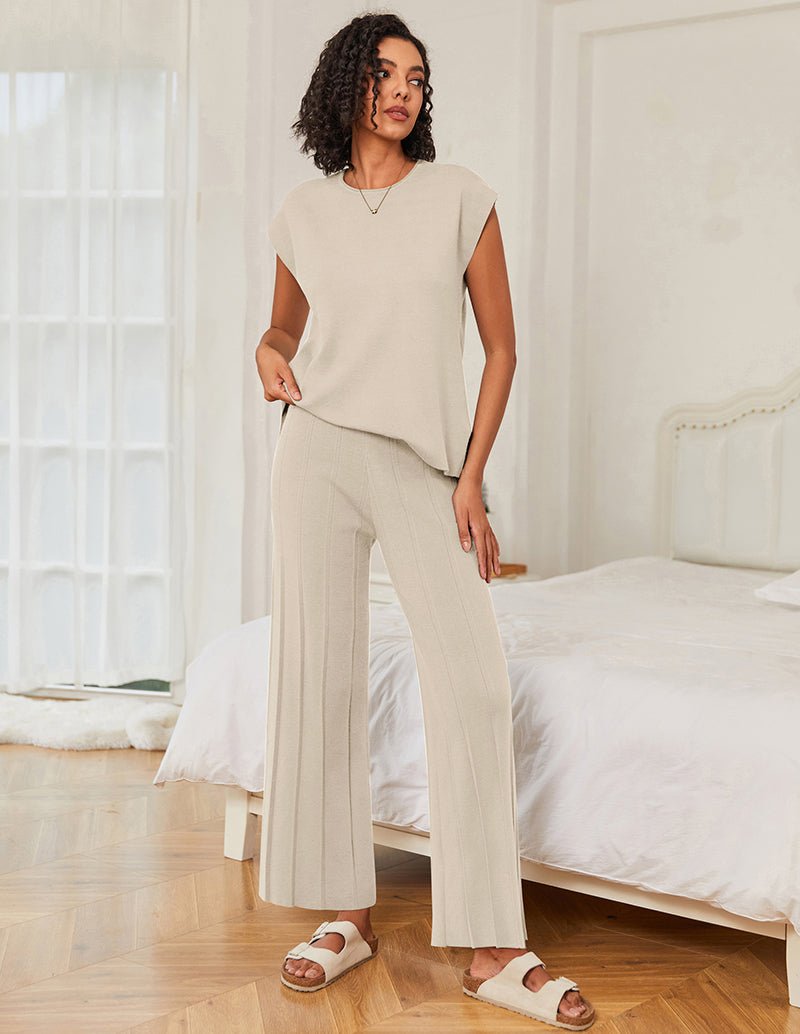
Fit that holds its shape when you stand up. A set that looks fine sitting on a couch but loses its shape walking around reads as loungewear specifically. Knit fabric with enough structure to hold a silhouette while moving — rather than fabric that's purely soft with no recovery — makes a real difference here. The Ekouaer Comfort Lounge Knit 2-Piece Set is built with exactly this in mind: soft enough for actual comfort, structured enough that the set doesn't collapse the moment you're upright and moving through a day rather than sitting still.
One piece of "real clothing" logic applied to the set. This could be a proper waistband instead of a pure elastic pull-on, a collar or defined neckline instead of a plain crew, or a hem that sits at an intentional length rather than just "wherever it lands." Small structural choices like these are what let a knit set read as a genuine outfit rather than sleepwear worn in public.
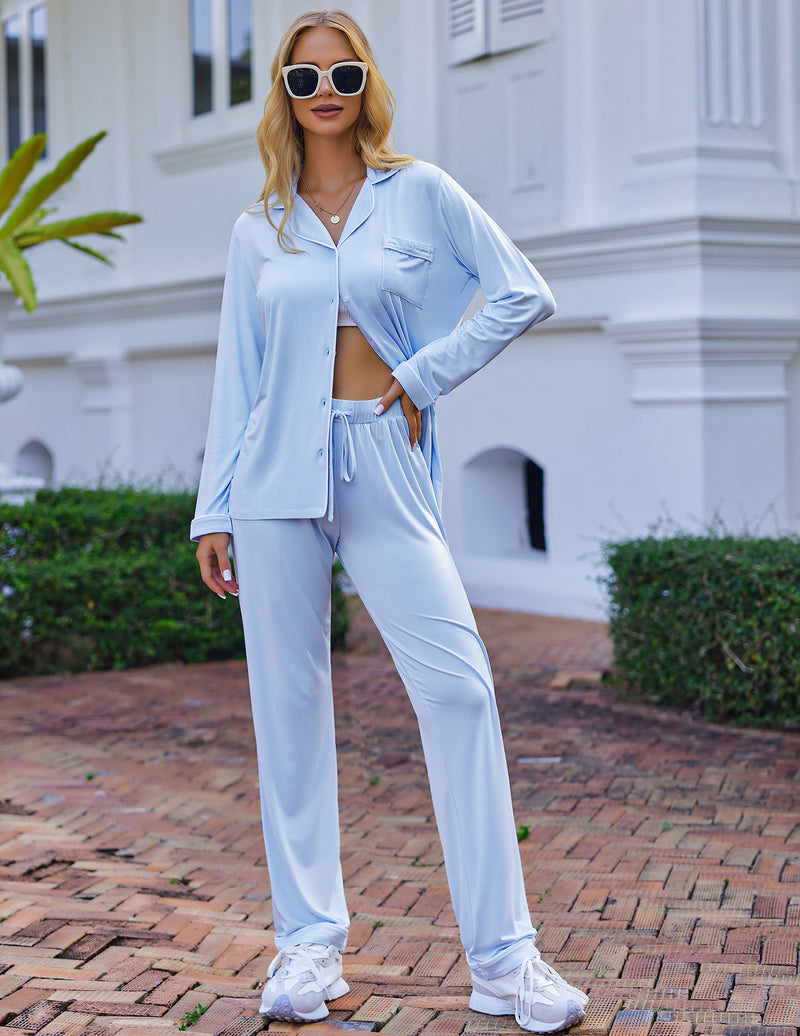
Finishing details that signal "dressed," not "comfortable." Real shoes instead of slippers is the single biggest lever here — it does more to shift the read of an outfit than almost anything else. After that: hair actually done rather than left exactly as it was at home, and one accessory (sunglasses, a bag, simple jewelry) that wouldn't belong in a strictly at-home context.

Why This Matters More for Knit Than for Satin or Silk
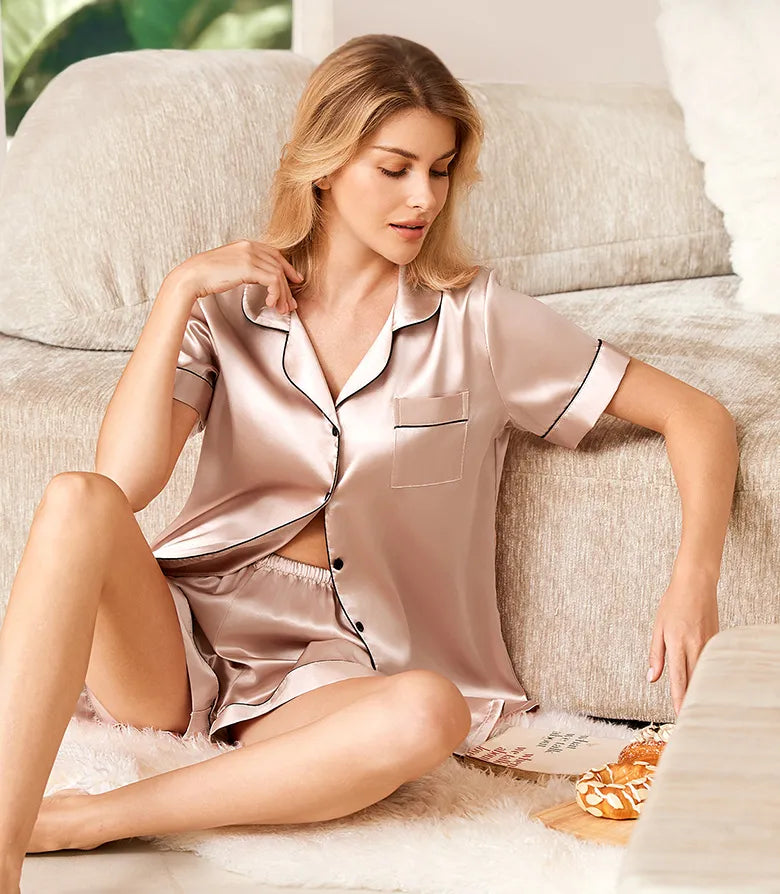
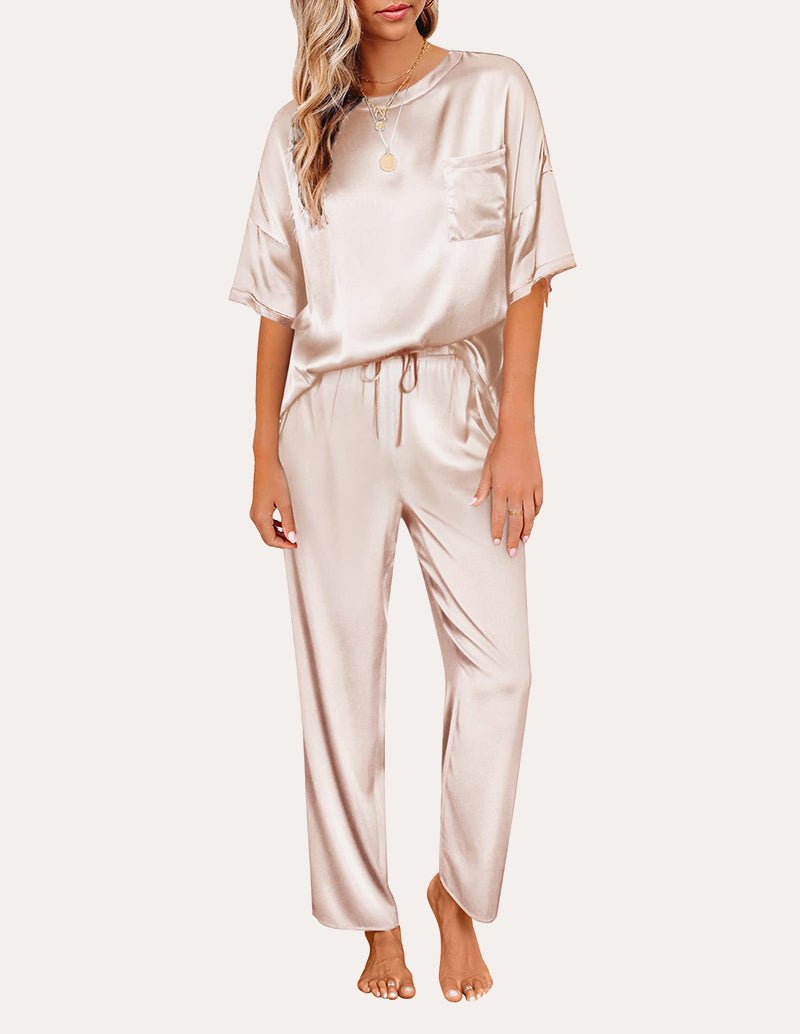
Satin and silk pieces get a certain amount of "polished" credit automatically, simply because the fabric itself reads as dressier — which is part of why a satin pajama set photographs as more finished than a plain knit set with zero other effort. Knit sets don't get that automatic benefit, which means the styling choices above matter more for knitwear specifically than for satin or silk pieces, where the fabric is already doing some of that work on its own.
That's also why a knit lounge set is the more useful piece to study for this specific question. If the goal is "how do I make loungewear look polished," a knit set that requires real styling choices to cross that line teaches the principle better than a satin set that gets partway there for free.
Applying It: A Knit Set, Two Ways
At home, no adjustment: the Comfort Lounge Knit 2-Piece Set on its own, with slippers, hair undone — comfortable, clearly at-home wear, and there's nothing wrong with that context.
Same set, styled for outside: swap slippers for actual shoes, add one accessory (sunglasses or a simple bag), and do something minimal with hair — not a full styling routine, just enough that it doesn't read as "interrupted at-home time." The garment hasn't changed at all; only the finishing has.
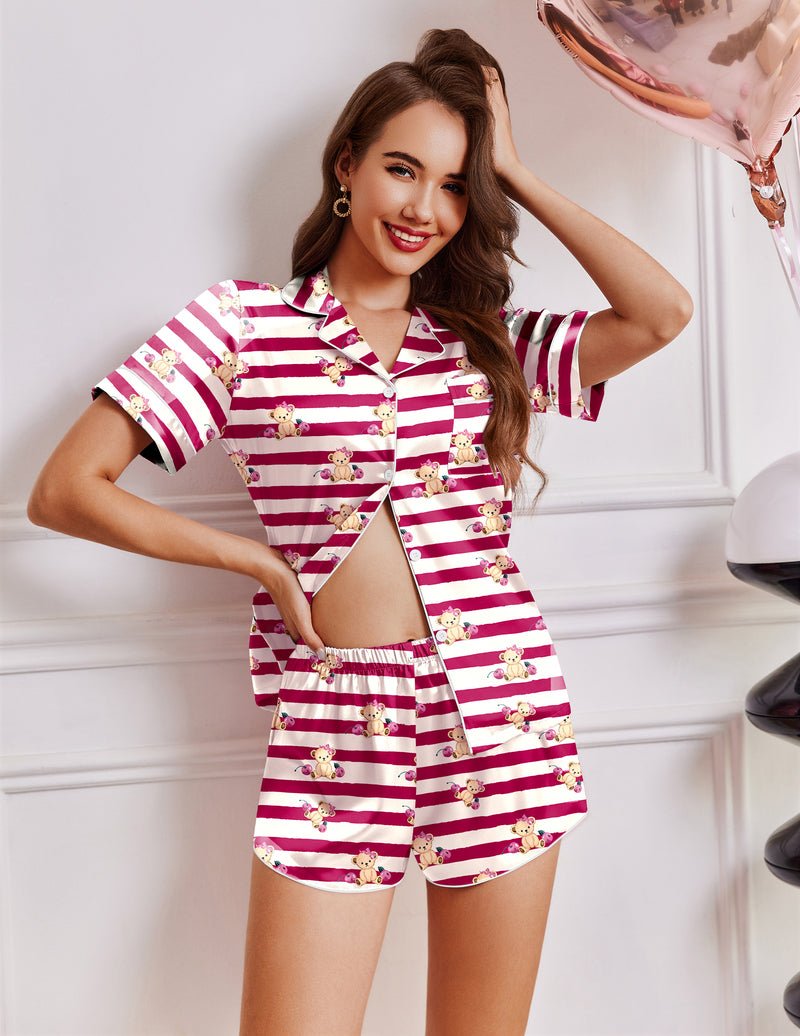
This is a genuinely different exercise than the boho or silk-nightgown pieces in the wider Ekouaer x Vanessa Hudgens collection, where the fabric or print is already carrying most of the "considered" signal. A knit set is the honest test case for whether styling alone can close the gap — and it can.
FAQ
Q: How do you make loungewear look polished instead of like pajamas?
A: Three levers matter most: fit that holds its shape standing up (not just sitting), one piece of "real clothing" structure in the garment itself (a defined waistband or neckline), and finishing details — real shoes especially, plus hair and one accessory — that signal the outfit was chosen rather than just comfortable.
Q: Why does a knit lounge set need more styling effort than a satin one?
A: Satin and silk read as dressier by default because of the fabric's finish alone. Knit doesn't carry that same automatic signal, so the fit, structure, and finishing choices described above matter more for making a knit set look intentional outside the house.
Q: What's the single biggest factor in making loungewear look "street-ready"?
A: Footwear. Swapping slippers or bare feet for actual shoes shifts the read of an outfit more than almost any other single change, even when nothing else about the outfit is adjusted.
Q: Can the same lounge set work for both home and out-of-the-house wear?
A: Yes — the garment itself often doesn't need to change. The difference between the two contexts is almost entirely in finishing: footwear, hair, and one accessory, rather than a different piece of clothing altogether.
Q: Does this apply to all loungewear, or just knit sets specifically?
A: The principle applies broadly, but it matters most for knit and jersey pieces. Satin, silk, and printed pieces already read as more "done" through fabric or pattern alone, so they need less additional styling to cross into polished territory.
Related Reading
About Ekouaer
Founded in 2014, Ekouaer makes sleepwear and loungewear with an emphasis on functional design and fabric safety. All fabrics carry OEKO-TEX Standard 100 certification — independently tested to be free of harmful substances, meeting requirements for skin-contact textiles. Products have been featured in CNN Underscored, Forbes, and TODAY.com.