Winter Pajamas: How to Stay Warm and Cozy

The short answer: The warmest winter pajamas are usually a mid-to-heavyweight knit or brushed cotton in a relaxed fit, chosen for your specific bedroom temperature rather than for the worst week of the year. "Winter pajamas" is a category, not a single fabric — a waffle knit set, a brushed cotton set, a flannel set, or a fleece set all keep you warm in different ways, and the right one depends on how cold your room gets, how warm you sleep, and how much movement you do overnight. A winter pajama that is "too warm" makes you sweat, and a sweaty sleeper wakes up colder, not warmer.
Key Takeaways
-
"Warm enough" is relative. A winter pajama that suits a 60°F bedroom is not the same one that suits a 50°F bedroom. Pick the weight to the room first, then to your personal cold tolerance.
-
Fabric matters more than thickness. A textured knit like waffle traps warm air in its structure; a flat weave of the same weight does not. The "loft" of the fabric is usually a better warmth signal than the GSM on the tag.
-
Fit affects warmth more than people think. Tight pajamas trap heat against the skin but block airflow, which makes sleepers sweat and then wake cold. A slightly relaxed fit is usually warmer in practice than a skin-tight compression layer.
-
Layering extends your existing wardrobe. A lightweight set plus a waffle knit robe covers a wider temperature range than any single heavy set does, because you can add or remove the layer as the room changes overnight.
-
How you sleep matters. Side sleepers, hot sleepers, cold sleepers, and restless sleepers all do better with different pajama weights and fits, even in the same room.
What Counts as a "Winter Pajama"?
Winter pajamas are sleepwear designed to provide sustained warmth in cold rooms. They can include waffle knits, flannel, brushed cotton, fleece-backed knits, and mid-weight modal styles, usually in longer silhouettes. Unlike lightweight summer pajamas or loungewear, they are designed specifically for sleeping.
The goal is simple: stay comfortably warm throughout the night, not just when you first put them on. The right pair should feel warm without being too thin, restrictive, or uncomfortable.
How to Choose Winter Pajamas
Choosing winter pajamas is not about picking the heaviest set on the rack. It is a small decision framework with five inputs: bedroom temperature, sleep style, fabric weight, fit and length, and the layering plan. Getting any one of these right is useful; getting all five aligned is what separates a warm night from a cold one.
Match the Pajama to Your Bedroom Temperature
Start with the room. A bedroom that sits at 68°F overnight is a different puzzle from one that sits at 58°F. 65°F is the commonly cited baseline for a comfortable sleeping room, but real bedrooms in older homes, drafty apartments, and upper-floor rooms often run 5 to 10 degrees colder than the thermostat setting. The right pajama for the colder room is heavier, loftier, and usually a knit rather than a flat weave.
A practical rule of thumb:
-
Bedroom at 65°F and up: a mid-weight knit, modal blend, or brushed cotton set is usually enough.
-
Bedroom at 58°F to 65°F: a waffle knit pajama set or a flannel set in a relaxed fit is the sweet spot.
-
Bedroom below 58°F: a heavyweight waffle knit or fleece, often layered with a robe for the coldest hours.
If the bedroom temperature changes a lot overnight — common in homes with wood stoves, electric heaters on timers, or older HVAC systems — a layering approach is more reliable than picking a single weight.
Match the Pajama to How You Sleep
Personal cold tolerance is the next input, and it varies more than most people expect. Sleepers fall into three rough groups:
-
Hot sleepers. People who run warm, who get night sweats, or who live in climates where the bedroom warms up overnight. These sleepers do better in a mid-weight knit or a breathable modal set, and usually skip the heaviest weights entirely. A hot sleeper in flannel is a hot sleeper who wakes up at 3 a.m. with the covers off.
-
Average sleepers. Most people. These sleepers do well in a waffle knit, brushed cotton, or flannel set at room temperature, and add a robe on the coldest nights.
-
Cold sleepers. People who feel cold even at 68°F, often because of lower body weight, lower activity levels, or simply living in cold homes. These sleepers usually do best in a heavier waffle knit, a fleece-lined set, or a layered system.
Side sleepers have their own consideration: a side sleeper rolling onto a tight waistband all night is more likely to wake up cold than a back sleeper in the same set. Side sleepers usually do better with a softer, wider elastic or a drawstring waist than with a tight fitted band.
Choose the Right Fabric Weight
Fabric weight is the warmest signal on the care tag, but only roughly. Two fabrics at the same weight can feel very different in warmth if one is a flat weave and one is a textured knit. The structure of the fabric — the air it can trap — matters as much as the weight itself.
A quick way to evaluate warmth without a tag:
-
Waffle knit, pointelle, or any raised-grid knit. Traps warm air in its texture. Warmer per gram than a flat weave of the same weight.
-
Flannel. Brushed cotton that traps a thin layer of air across its surface. Warm, soft, slightly heavier than a standard cotton set.
-
Brushed cotton and fleece-backed knits. Heavy, soft, and warm. Best for genuinely cold rooms and short winter seasons.
-
Modal, Tencel, or fine-gauge knit. Light to mid-weight, smooth, and breathable. Better as a transition weight than as a deep-winter weight.
-
Silk and satin. Lightweight and breathable. These are not the warmest fabrics on their own, but layer well under a knit robe for sleepers who run cold but want a soft hand-feel against the skin.

The fabric and the room should agree. If the room is 58°F and the pajama is modal, the sleeper will be cold. If the room is 72°F and the pajama is fleece, the sleeper will be too warm.
Pick the Right Fit and Length
Fit affects warmth, so aim for a relaxed fit—not tight enough to restrict airflow, but not so loose that cold air gets in.
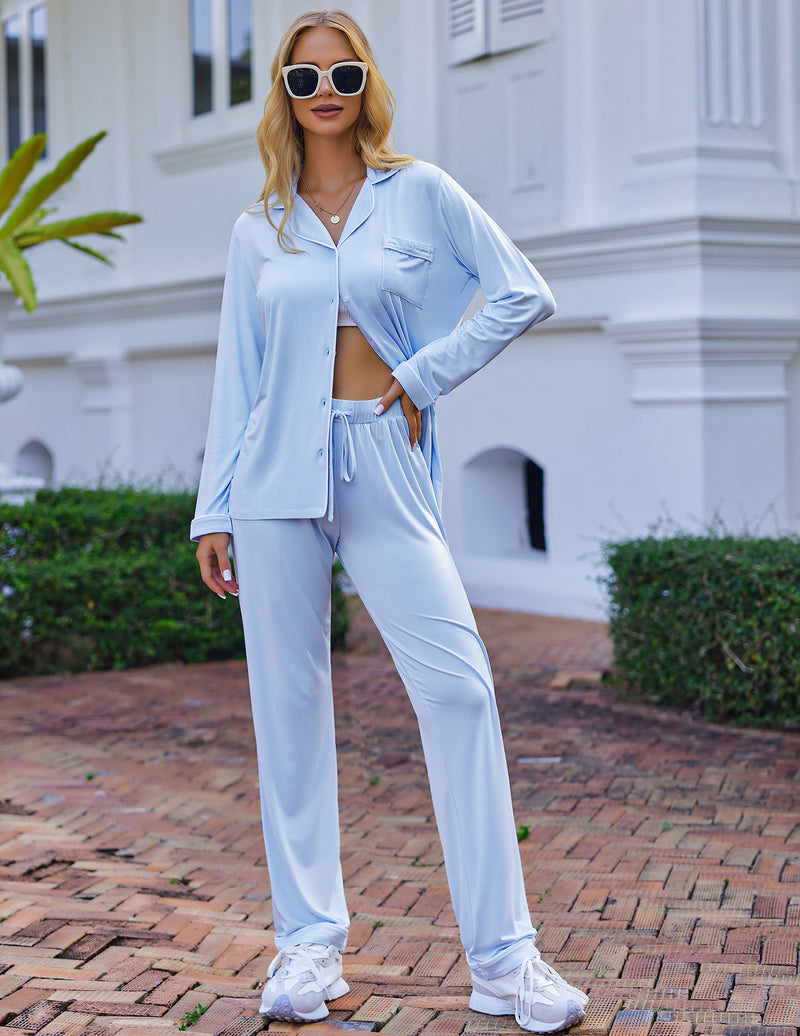
For better coverage, choose long sleeves and full-length pants. Capri or short-sleeve styles work better for warm sleepers or milder winter weather.
Avoid overly tight cuffs and waistbands. Stretchy, comfortable cuffs provide warmth without feeling restrictive.
Layer for Extra-Cold Nights
Layering makes winter pajamas more adaptable to changing temperatures. A simple option is a mid-weight pajama set with a waffle knit robe, using the robe as an extra layer when needed.
For especially cold rooms, add a lightweight base layer under the pajama set. This provides more warmth and flexibility than relying on one heavy set.
Which Fabrics Make the Warmest Pajamas?
Four fabrics work well for winter pajamas: waffle knit, flannel, brushed cotton or fleece, and mid-weight modal or fine-gauge knits. Each offers a different balance of warmth and breathability.
Waffle Knit
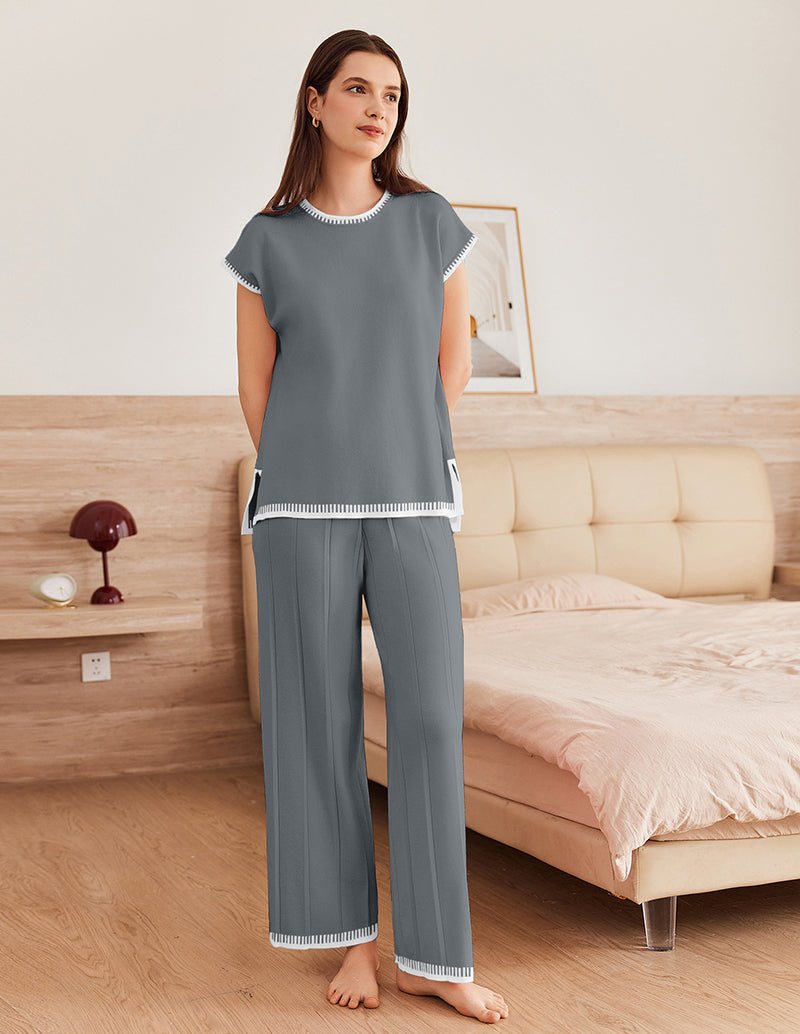
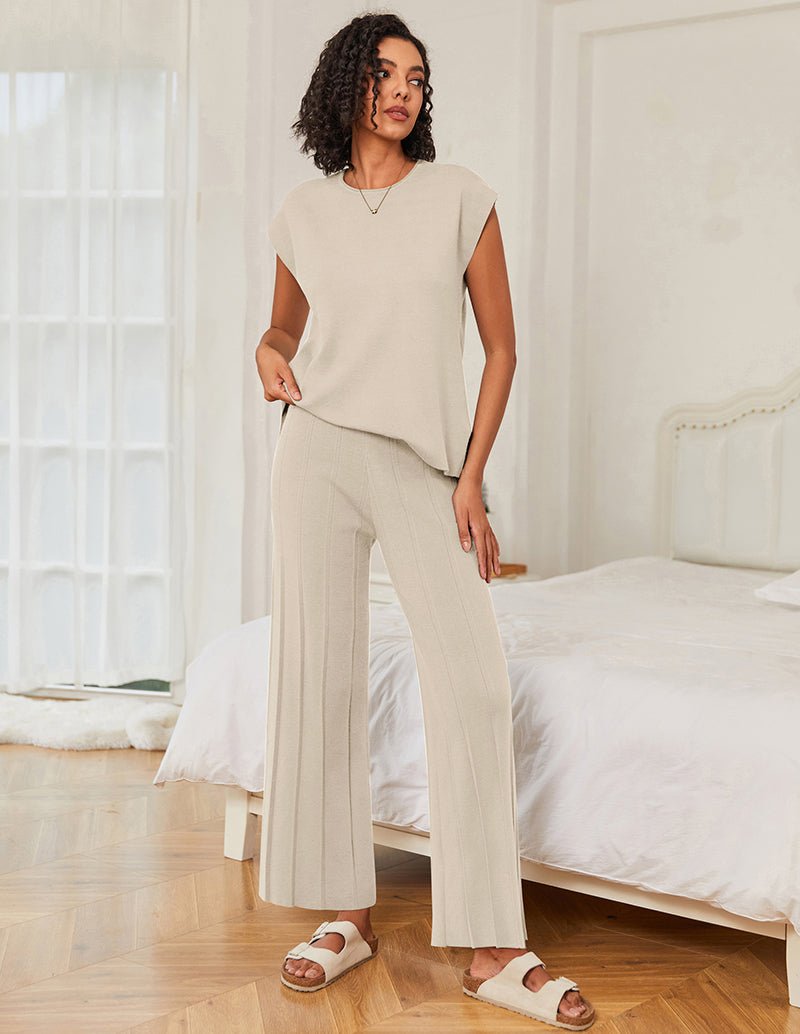
Waffle knit traps warm air while remaining breathable, making it a versatile choice for most winter nights. A waffle knit pajama set is a good starting point for a general-purpose winter wardrobe.
Flannel
Flannel is warm, soft, and slightly heavier than waffle knit. It works well in genuinely cold rooms but may feel too warm for hot sleepers.
Brushed Cotton and Fleece
These heavier fabrics provide extra warmth for very cold rooms. They are best for cold sleepers but may feel too warm in rooms with higher temperatures.
Modal and Other Mid-Weight Knits
Mid-weight modal and similar knits offer a lighter option for mild winter weather. They can also be layered with a robe when temperatures drop.

What About Silk and Satin?
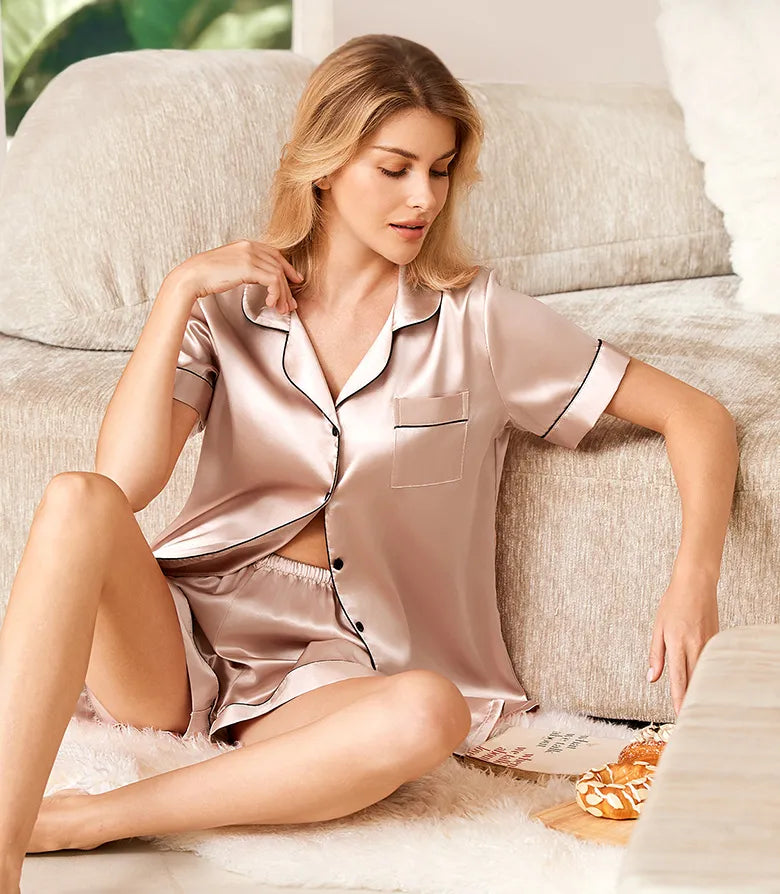
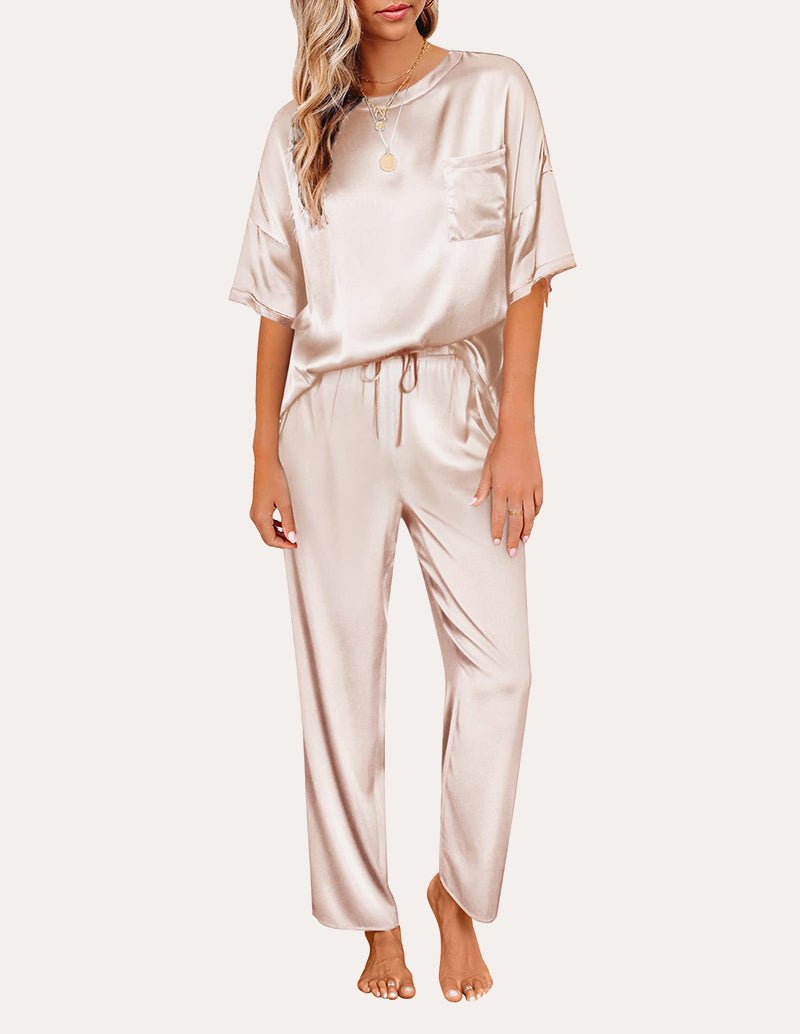
Silk and satin are warm in the hand but light in the build. They feel luxurious against the skin and they breathe well, but they do not trap enough air to be the warmest pajama on their own. They are a useful base layer for sleepers who want a soft hand-feel, or for layering under a heavier robe. They are not, by themselves, the right choice for a cold bedroom.
What About a Matching Set or a Robe?
A matching set keeps the warmth consistent from the top half to the bottom half of the body. Long-sleeve top plus full-length pants is the warmest combination, and a matching waffle knit set is the most reliable all-purpose winter pajama for most households. For sleepers who want a little extra coverage for the early-evening hours, layering a robe over the set is more useful than buying a heavier set that is too warm for the middle of the night.
A robe also solves one of the most common winter pajama problems: the first twenty minutes of the evening, before bed, when the house is colder than the bedroom will be. A waffle knit robe is the most versatile companion to a winter pajama set because it uses the same fabric family, which means the sleeper can mix and match without the layers feeling disjointed.
Winter Pajama Care Tips
A winter pajama that is well cared for keeps its warmth longer than one that is not. Winter fabrics — especially knits — lose their loft and their softness if they are washed too hot, dried too aggressively, or stored in a way that compresses the fabric for months. A few habits extend the life of a winter pajama significantly.
Washing
Wash winter pajamas in cool or warm water, not hot. Hot water shrinks knits and breaks down the loft that makes waffle knit warm in the first place. Use a mild detergent and skip the fabric softener, which can flatten the surface texture that traps warm air in a waffle knit. Turn sets inside out before washing to reduce pilling on the outer surface.
Drying
Tumble dry low or, ideally, lay flat to dry. High heat is the fastest way to shrink a knit pajama and to damage the brushed surface of a flannel or fleece. If the dryer is unavoidable, run it on the lowest heat setting and pull the pajamas out while they are still slightly damp — finishing the last bit of drying on a flat surface keeps the knit from losing its shape.
Storage
Store winter pajamas folded, not hung. Hanging heavy knits stretches the shoulders and the waistband over time, and the stretch does not come back. For end-of-season storage, fold the sets flat in a drawer or a breathable cotton storage bin — not in plastic, which traps moisture against the fabric and can cause mildew at the end of a long winter.
How to Build a Winter Pajama Wardrobe
A practical winter pajama wardrobe can be as simple as two pajama sets and a robe: one mid-weight set for most nights and one heavier or lighter set for temperature changes. The robe adds another layer when needed.
The goal is not to own every fabric, but to have a few versatile pieces that keep you comfortable throughout the season.
Conclusion
The warmest winter pajama is the one matched to the bedroom, the sleeper, and the fabric. Waffle knit, flannel, and brushed cotton each handle a different part of the temperature curve. A relaxed fit is warmer in practice than a tight fit. A two-set-plus-robe wardrobe covers more nights of the season than any single heavy set.
But "winter pajamas" is not a single product. It is a small system. The bedroom decides the weight, the sleeper decides the fit, the fabric decides the warmth, and the layering piece decides the margin for the nights that swing the most. A small wardrobe built around that logic will outwork a single expensive set bought for the worst week of the year.
For more on building a sleepwear wardrobe that holds up across the colder months — and on the fabrics and fits that separate a winter pajama from a fall one — the related guides below go deeper on the pieces that work across seasons.
FAQ
Q: What is the warmest fabric for winter pajamas?
A: Waffle knit and flannel are usually the warmest pajama fabrics for most sleepers. Waffle knit traps warm air in its textured structure and stays breathable. Flannel uses a brushed surface that holds a thin layer of air against the skin. Both work best in a relaxed fit and in a fabric weight matched to the room.
Q: Are waffle knit pajamas warm enough for winter?
A: For most bedrooms, yes. Waffle knit is the most consistent all-around winter pajama fabric. It holds warmth across the night without overheating the way fleece can, and it breathes well enough to wear in a 65°F bedroom. For bedrooms that drop below 58°F, a heavier waffle knit or a layered system usually handles the coldest nights.
Q: Is flannel warmer than waffle knit?
A: Not necessarily. Flannel is heavier and feels warmer to the touch, but waffle knit traps warm air in its texture, which holds warmth longer overnight. The right comparison is waffle knit at 65°F to flannel at 60°F. The fabric and the room should agree — a waffle knit in a colder room, or a flannel in a warmer room, both end up at the wrong temperature.
Q: Can silk pajamas keep you warm in winter?
A: Silk and satin feel warm against the skin but do not trap enough air to be the warmest pajama on their own. They are best as a base layer for sleepers who want a soft hand-feel, or as a layer under a heavier knit robe. For genuinely cold bedrooms, a waffle knit or a flannel set is a better base.
Q: Should winter pajamas be tight or loose?
A: Relaxed fit is usually the warmest option in practice. A tight fit traps heat against the skin but blocks airflow, which causes sweat and then chill overnight. A relaxed fit keeps a thin layer of warm air between the fabric and the body, which holds warmth more consistently through the night.
Q: How many winter pajama sets do I need?
A: For one sleeper, two sets plus a robe covers the full season: an all-purpose mid-weight set for most nights and a heavier set for the cold-room nights, with a robe to bridge the temperature swings. For more than one sleeper, scale up the same way.
Related Reading
-
Best Warm Sleepwear for Fall — the pieces that bridge fall and winter, including waffle knits, brushed cotton, and the layering approach that works across the season.
-
How to Choose the Perfect Pajamas: A Sizing and Fabric Guide — how to match fit, fabric, and silhouette to your sleep style, with notes on the most common sizing pitfalls.
-
Pajamas vs. Loungewear: What Is the Difference? — when to reach for a pajama and when to reach for a loungewear piece, and how to build a wardrobe that covers both.
-
How to Style a Robe for the Cold Months — how to layer a robe over a winter pajama set, and the small styling choices that make it work for the morning routine as well.
About Ekouaer
Ekouaer is a sleepwear and loungewear brand built around a simple idea: comfort should be something you live in, not something you save. Known for soft pajama sets, inclusive sizing, and approachable prices on the rise, the brand focuses on textured knits, breathable cotton blends, and coordinated sets that move from bed to couch to a quick errand without a costume change.
Ekouaer in the Press
-
Oprah Daily: The 15 Best Pajamas for Women — Best Budget pick: Ekouaer Two-Piece Soft Sleep Pajama Set
-
Saint Paul Chronicle: Ekouaer Collaborates with Vanessa Hudgens to Introduce "Comfort in Real Life" Autumn/Winter Homewear Line
-
ELLE: The Ekouaer Teddy Bear Collection — A Plush Pajama Line Built for Real-Life Comfort
-
PR Newswire (Ekouaer Newsroom): All Ekouaer Press Releases on PR Newswire — Including the Autumn/Winter 2026 "Comfort in Real Life" Launch with Vanessa Hudgens