Prime Day Pajama Deals 2026: What to Look For (and What to Skip)

Amazon Prime Day 2026 is confirmed from June 23-26, with deep discounts expected across apparel, home goods, and lifestyle categories. For sleepwear specifically, the event is genuinely worth paying attention to — but not because every deal that appears is a good one. The same dynamics that make Prime Day useful also make it easy to spend money on things you didn't need at prices that weren't actually discounted.
This guide is about how to tell the difference. Which pajama categories consistently see real discounts? Which red flags indicate a manufactured deal? How to verify a price is actually lower than normal. And what to skip entirely, regardless of how the discount looks.
Why Pajamas Are a Legitimate Prime Day Category
Most categories that see Prime Day discounts fall into one of two buckets: electronics, where Amazon has structural pricing power and can offer genuine deals; and apparel, where the discount math depends heavily on whether the original price was real to begin with.
Sleepwear lands in a useful middle ground. It's a high-repurchase category — women who find a pajama set they like tend to buy multiple, which gives sellers an actual incentive to discount meaningfully rather than just cosmetically. It's also a category where the June timing aligns with genuine demand: the start of summer is when most women are actively thinking about lightweight sleepwear, which means Prime Day discounts arrive at exactly the moment you'd be buying anyway.
Fortune's Prime Day buying analysis notes that Amazon typically offers discounts of 50% or more on clothing during the event, with the best results for buyers who focus on staple garments rather than trend-driven items. Pajamas are exactly that kind of staple — the kind of purchase where a real 25–30% discount on something you'd buy at full price is unambiguously worth acting on.
The caveat Fortune's analysis also raises: "Your worst enemy on Prime Day is an impulse purchase. Amazon knows that it's easy to get caught up in the excitement of limited-time offers — and it's counting on you to fall into that trap." That observation applies with particular force to apparel, where artificial price inflation is more common than in electronics, and where quality signals are harder to verify from a listing page.
The Four Filters: How to Evaluate Any Pajama Deal
Before buying anything during Prime Day, run it through these four checks. They take under three minutes total and filter out the majority of bad purchases.

Filter 1: Is the original price real?
The most common Prime Day manipulation is inflating the "original" price to make a modest discount look dramatic. A set listed at "was $80, now $28" looks like a 65% discount; if the set has sold at $28–$35 year-round, the "discount" is fictional.
The most reliable free tool for verifying Amazon price history is CamelCamelCamel, which shows a product's complete price history on Amazon. Paste the product URL and check whether the "original" price reflects what the item has historically sold for or was briefly listed at an inflated price just before the sale. A real discount looks like a clear price drop from a stable historical level. A manufactured one shows a recent spike to a high price followed immediately by the "sale" price — which is often close to the actual normal price.
Filter 2: What is the actual fiber content?
Pajama marketing language is consistently misleading. "Silk pajamas" almost always means polyester satin. "Cooling fabric" or "ice silk" usually means a polyester blend with a temporary treatment. "Bamboo" without "viscose from bamboo" in the fiber content is often partly synthetic.
None of this means the product is necessarily bad — polyester satin is a perfectly good fabric for sleepwear. But knowing what you're actually buying lets you evaluate whether the price is reasonable for the actual material, not the marketed one. Always scroll past the product title to the specifications section and read the fiber content before buying.
Filter 3: What do extended reviews say about fabric quality?
First-impression reviews ("so soft!" "beautiful packaging!") tell you almost nothing about whether a pajama set holds up. Sort reviews by "most critical" and look for patterns about what happens after 10–15 washes: pilling, shrinkage, color fading, and seams unraveling. A set with 4.3 stars, but with consistent 3-star reviews mentioning "pills after a few washes" or "shrank significantly in the dryer," is not the deal it appears to be.
Filter specifically for reviews that mention washing and durability. Those are the buyers who have experience with the product rather than immediate unboxing reactions.
Filter 4: Does buying this solve a real problem?
The best Prime Day pajama purchase is something you'd have bought anyway at full price, now available at a genuine discount. The worst is something that looked appealing at a sale price but doesn't serve a clear need.
Before buying, name specifically what the set is for: summer sleepwear because your current sets are too heavy, a travel set for upcoming trips, or an upgrade from cotton to bamboo for hot-sleeper comfort. If you can't name the use case, don't buy it. The dollar savings don't offset the cost of something that sits unused.
Categories Worth Buying: What Holds Its Value
Bamboo Viscose Sets Under $50
Bamboo viscose is the highest-impact fabric upgrade available in mainstream sleepwear, and it's consistently more expensive than cotton at full price. A genuine Prime Day discount on a quality bamboo set brings it into range where the cost-per-wear math is straightforward — you'll use it nightly, it lasts longer than cheap cotton, and the sleep quality improvement for hot sleepers is real.
What to verify before buying: "viscose from bamboo" in the fiber content (not just "bamboo fabric"), OEKO-TEX Standard 100 certification in the listing, and a price history showing the discount is real rather than manufactured.

The Ekouaer bamboo viscose sleep dress and bamboo sleep shirt are both OEKO-TEX certified, with fiber content clearly labeled — the kind of transparency that makes it easier to verify you're buying what you think you're buying.
Quality Cotton Sets
Cotton is the easiest category to evaluate from a listing and the most reliable Prime Day buy. The quality signals are legible — 100% cotton vs blend, fabric weight, care instructions — and genuine discounts on quality cotton sets are common during the event.
One reviewer who tested Ekouaer's satin pajama sets for AOL described the fabric as "silky soft against your skin" with a "relaxed, loose fit that skims the body, no pinching, squeezing or tugging, no matter how much you toss and turn." That buyer experience — fabric that holds up and a fit that stays comfortable through the night — is what makes the difference between a Prime Day purchase you'll actually use and one that gets returned.
The Ekouaer cotton collection covers the main summer formats: lightweight woven sets, sleeveless nightgowns, and short-sleeve options in 100% cotton with clear fabric weight and care specifications.
Satin Sets for Travel and Versatility
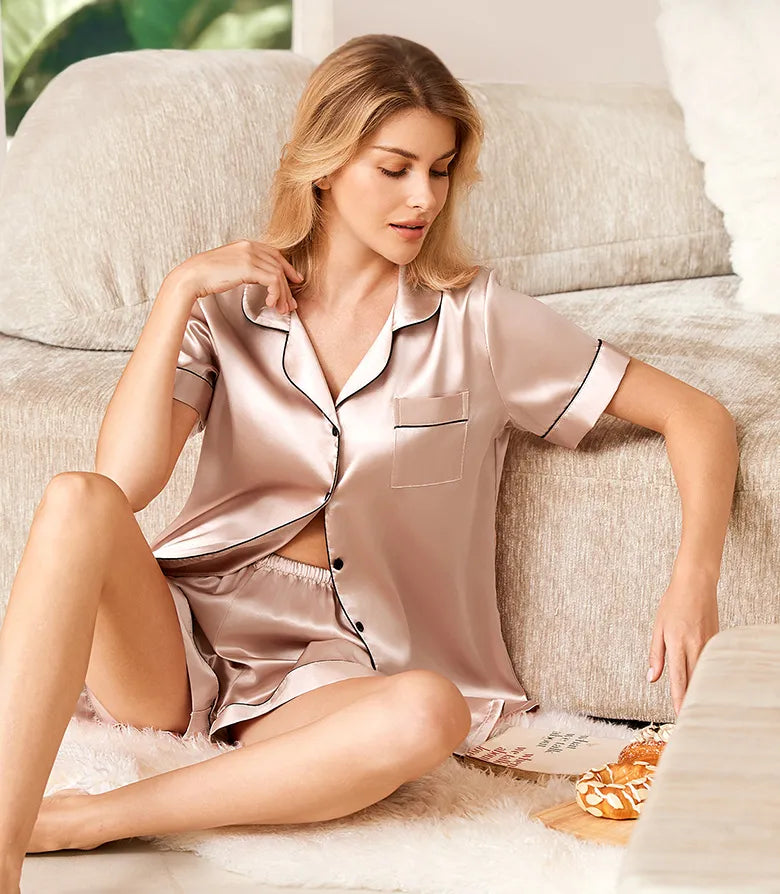
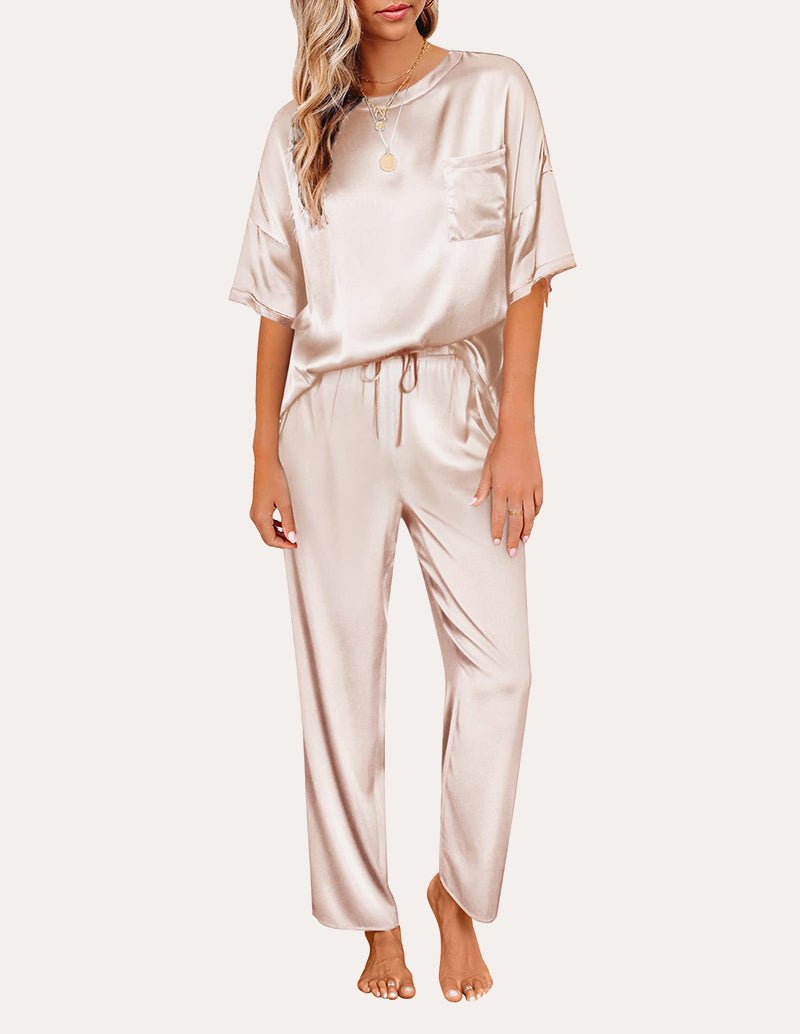
Polyester satin is one of the better Prime Day apparel buys because it's genuinely useful beyond the bedroom — for travel, bridal getting-ready contexts, and mornings when you want to look intentional rather than purely comfortable. A quality satin set at 20–30% off covers multiple use cases that justify the investment.
Verify the discount is real (CamelCamelCamel), confirm the fiber content, and buy one or two sets in colors you'll actually use rather than novelty prints that might not hold their appeal after the initial purchase.
The Ekouaer pajama sets collection includes satin options in multiple silhouettes with clear product specifications and verified buyer reviews across multiple seasons, which is the kind of purchase history that confirms whether a deal is on a product people actually like at full price.
Robes
Robes are worth buying during Prime Day specifically because of seasonal timing. Plush and fleece robes are in lower demand in June, which creates genuine discounting incentives. Buying a plush robe in June at a real discount means you have it for fall and winter without paying peak-season prices.
Lightweight and spa robes are immediately useful in summer for morning routines and hotel stays, and the June timing is directly practical rather than anticipatory.
The Ekouaer robes collection covers both formats — plush and lightweight options with clear fabric descriptions and care instructions.
What to Skip: Red Flags That Override Any Discount Percentage
Sets where "original price" can't be verified. If CamelCamelCamel shows the product has no meaningful price history, or shows the price was briefly inflated just before the sale, skip it. The discount isn't real.
"Silk pajamas" under $50 that aren't labeled polyester satin. Real mulberry silk cannot be produced, imported, and sold profitably at under $60–$80 for a full set. Any set marketed as "silk" in this price range is either polyester satin (fine, but know what you're buying) or a very low-quality silk blend. The fiber content listing tells you which — read it before buying.
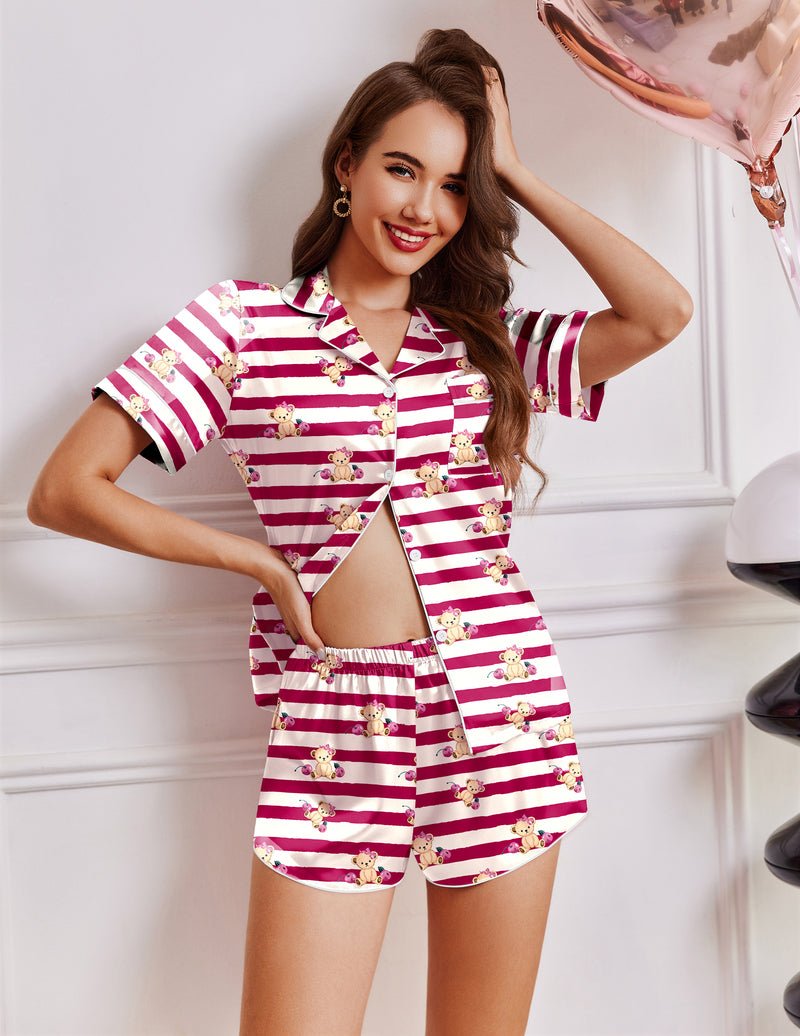
Novelty print sets at very low prices. These frequently use lower-weight synthetic fabric to hit an aggressive price point. The print looks appealing in the listing photo; the fabric pills within a few washes. The tell is usually in the weight — lightweight synthetic sets that are suspiciously cheap for the size range are almost always cutting fabric quality to hit the price.
Sets with reviews mostly about the packaging. A high review score dominated by "beautiful gift box!" and "arrived quickly!" reflects the shipping experience, not the product. If you can't find substantive reviews about how the fabric holds up after washing, there either aren't enough reviews for the product to have a track record, or the review profile is being gamed.
More sets than you'll actually use. Prime Day's limited-time format creates an artificial pressure to buy more than you need. One or two quality sets in fabrics that solve a real need outperform five sets bought purely on discount excitement. The question to ask before adding to the cart: Would you have bought this at full price?

How to Prepare Before Prime Day Opens
The buyers who get the best value from Prime Day are the ones who do their research before the sale starts, not during it. Deals during the event are time-pressured by design — the limited-time structure is intentional. Doing your evaluation in advance removes the pressure.
Step 1: Identify what you actually need. One lightweight summer set? A bamboo upgrade for hot-sleeper comfort? A robe for fall? Name it specifically before the sale opens.
Step 2: Find the specific products you're considering. Don't shop by category during the sale itself — browse now, identify two or three options that meet your criteria, and evaluate them properly.
Step 3: Add to your Amazon wishlist. The wishlist generates price-drop alerts. You'll be notified when an item you've already evaluated goes on sale, rather than having to search from scratch during a time-pressure event.
Step 4: Check current prices. Open CamelCamelCamel now for any items you're considering. Note the actual historical price. When Prime Day arrives, you can verify instantly whether a deal is real.
Step 5: Set a budget before you open Amazon. A specific dollar limit — not some items — is the most effective constraint. The pressure of limited-time deals is easier to manage when you have a concrete boundary rather than a vague intention to "not overspend."
Timing: When Do Prime Day Pajama Deals Go Live?
Amazon Prime Day 2026 is confirmed for June 23-26.
A few timing patterns from previous Prime Day events are worth knowing:
The best deals in popular categories — including apparel — often appear in the first few hours of the event and sell through quickly. Waiting until day two typically means the deepest discounts on the most popular items are gone.
"Lightning deals" (shorter-window, quantity-limited discounts) in the apparel category tend to appear in the morning and early afternoon. If you've done your research in advance and know exactly what you're looking for, checking in during those windows gives you the best access.
"Coupon" discounts (the percentage-off coupons that appear on Amazon product pages) are sometimes available before and after Prime Day itself — worth checking on wishlist items in the days leading up to and following the event.
FAQ
Q: Are pajama deals on Prime Day actually good?
A: Some are, some aren't. The difference is whether the "original" price reflects what the item actually sold for historically, or whether it was temporarily inflated before the sale. Checking price history via CamelCamelCamel before buying is the fastest way to verify. Genuine discounts of 20–30% on quality sets are common; manufactured discounts of 50–70% on inflated prices are also common.
Q: What type of pajamas are worth buying on Prime Day?
A: Bamboo viscose sets offer the greatest quality-per-dollar improvement for hot sleepers. Cotton sets are the most reliably evaluated from a listing and consistently discounted. Satin sets are worth buying if they cover multiple use cases (sleep, travel, bridal). Robes — particularly plush styles — are worth buying in June because you're buying off-season before fall demand raises prices.
Q: How do I know if "silk pajamas" on Amazon are actually silk?
A: Check the fiber content in the product specifications, not the title or marketing description. "100% polyester" means satin — a fine fabric, but not silk. Real silk will say "100% silk" or "100% mulberry silk" in the fiber content and will be priced above $60–$80 for a full set at genuine sale prices. Anything labeled "silk" under $40–$50 is polyester satin regardless of how it's marketed.
Q: What's the best way to find real deals, not fake ones?
A: Use CamelCamelCamel to check price history on any item before buying during Prime Day. Paste the Amazon product URL and check whether the current "sale" price is actually lower than the item's historical pricing. This takes about 30 seconds and filters out the majority of manufactured discounts.
Q: How many pajama sets should I buy during Prime Day?
A: One or two sets that solve a specific need you've identified before the sale. Buying multiples purely because a price looks good during a limited-time event is the buying pattern Prime Day is designed to encourage — and the one most likely to result in unused items. Quality over quantity applies more in a sales context than outside of one.
Q: When is Prime Day 2026 exactly?
A: Amazon has officially confirmed that Prime Day 2026 will take place in June 2026. The most likely window is mid-to-late June based on seller logistics signals. Follow Ekouaer's blog for updates as confirmed dates are announced.
Related Guides
-
Best Pajamas to Buy on Amazon Prime Day 2026 — fabric-first guide to which sleepwear categories are worth prioritizing during the sale
-
Summer Sleepwear Buying Guide 2026 — hot sleepers, sensitive skin, and fabric comparison for warm-weather sleep
-
Silk vs Satin Pajamas: Is Prime Day 2026 the Right Time to Upgrade? — honest fabric comparison to help you evaluate satin deals during the sale
-
Best Robes for Women 2026 — robe format guide covering plush, lightweight, and bridal styles
About Ekouaer
Founded in 2014, Ekouaer makes sleepwear and loungewear with an emphasis on functional design and fabric safety. All fabrics carry OEKO-TEX Standard 100 certification — independently tested to be free of harmful substances, meeting requirements for skin-contact textiles. Products have been featured in CNN Underscored, Forbes, and TODAY.com.
Ekouaer in the Press
-
OpenPR (May 2026): Ekouaer Memorial Day Sale 2026 — Official Debut on The Knot Registry — Ekouaer joins The Knot Registry platform ahead of wedding season
-
OpenPR (April 2026): Ekouaer at HEJ MATES Fashion Trend Press Day in Hamburg & Munich — latest collection received unanimous praise from European fashion editors and bloggers
-
OpenPR (March 2026): Ekouaer Wins Oprah Daily Editor's Choice and TODAY 2026 Sleep Award — two products recognized by Oprah Daily and TODAY in the same season
-
Parade (May 2026): Amazon's Ekouaer 2-Pack Pajama Set Is a Must-Have — described as winning "on all counts" for comfort and value