Summer Sleepwear Buying Guide 2026: Hot Sleepers, Sensitive Skin & Prime Day Picks

If you wake up overheated, damp, or having kicked off your covers by 2am, the problem is probably your sleepwear before it's anything else. Mattress type, room temperature, and AC all matter — but fabric in direct contact with your skin for eight hours is the most immediate and adjustable variable in your sleeping environment.
The short version of this guide: bamboo viscose is the single best fabric for hot sleepers, full stop. Lightweight cotton is the reliable everyday choice for moderate sleepers. Satin handles most temperatures well and adds versatility for travel. Linen is worth trying if you run very hot and haven't found relief from cotton.
Everything else below helps you understand why, and how to translate that into a specific purchase — including how to make the most of Amazon Prime Day 2026 (confirmed for June, likely the week of June 15 or 22), which is timed almost perfectly for restocking summer sleepwear before peak heat.
The Sleep Science Behind Fabric Choice
Your body doesn't just passively experience the temperature around it during sleep. It actively works to lower its core temperature by 1–2°C in the hours before and during sleep — a process the National Sleep Foundation links directly to how quickly you fall into deep sleep stages and how long you stay there. Sleepwear that traps heat near the skin interferes with that process. The right fabric supports it.
This mechanism makes sleepwear choice a genuine sleep quality variable, not just a comfort preference. A 2024 survey by the American Academy of Sleep Medicine found that 50% of women aged 45–64 report sleep disruption from temperature-related symptoms. Research compiled by the National Council on Aging puts the figure higher: more than 80% of women experience hot flashes during perimenopause, with night sweats frequently cited as the primary cause of disrupted sleep.
That's a large portion of the sleepwear-buying population whose fabric choice isn't cosmetic — it's functionally relevant to sleep quality, energy, and daily wellbeing.
Even for women who don't experience hormonal temperature fluctuations, summer heat in most US climates creates a version of the same problem: ambient bedroom temperatures regularly exceed the 65–68°F / 18–20°C range that the NSF identifies as optimal for sleep. The right sleepwear narrows that gap.
Who This Guide Is For
Different sleepers have different needs, and the best summer fabric isn't universal. Before getting into specifics, identify which profile fits you:
|
Sleeper Profile |
Primary Need |
Best Fabric |
|---|---|---|
|
Hot sleeper (always warm) |
Maximum airflow and moisture management |
Bamboo viscose |
|
Night sweats / hormonal fluctuations |
Active moisture wicking, thermal buffering |
Bamboo viscose or real silk |
|
Sensitive skin |
Low friction, no irritating dyes, hypoallergenic |
Bamboo viscose or OEKO-TEX cotton |
|
Moderate sleeper (comfortable in most temps) |
Breathable everyday comfort |
Lightweight cotton |
|
Humid climate / no AC |
Airflow over insulation |
Linen or bamboo |
|
Travel / versatility |
Packable, wrinkle-resistant, multi-context |
Satin (polyester) |
|
Mixed needs |
Balance of all factors |
Cotton-bamboo blend or satin |
Keep your profile in mind as you read through the fabric sections below — the practical recommendations differ based on where you sit on this spectrum.
Bamboo Viscose: The Best Fabric for Hot Sleepers
If you regularly wake up overheated, damp, or disrupted by night sweats, bamboo viscose is the most direct solution available in mainstream sleepwear. The performance advantage is structural, not marketing.
Bamboo viscose fibers contain microscopic gaps that allow continuous air circulation through the fabric rather than trapping heat at the skin surface. Independent textile testing cited by Spun Bamboo found that bamboo fabric maintained skin temperature approximately 1°C lower than cotton, with surface moisture evaporating about 32% faster. In sleep science terms, that 1°C differential is directly relevant: it's the same magnitude of core temperature drop your body needs to transition from wakefulness into deep sleep.
The moisture management advantage matters separately from the temperature one. Bamboo wicks moisture away from the skin before it's absorbed — which means the fabric surface stays dry-feeling significantly longer than cotton during a mild night sweat episode. Cotton absorbs moisture more directly and holds it, which creates the damp, clammy feeling that interrupts sleep even after the sweat itself has passed.
On Reddit, the real-user consensus for hot sleepers tracks closely with the science. In a popular r/Menopause thread on cooling pajamas (later aggregated by PureWow editors), user Ransier831 put it simply: “look for natural fibers.” User Naivegarlic added: “I'm a 100% rayon fan — the type of rayon that when you touch it it feels cool.” Bamboo viscose is a form of rayon, which explains why it keeps coming up in hot-sleeper discussions alongside linen and silk.

Two bamboo options from Ekouaer are worth considering before or during Prime Day:
The Ekouaer Bamboo Viscose Sleeveless Sleep Dress maximizes the fabric's cooling benefit through minimal construction: sleeveless, full-length, no excess fabric. For women whose primary goal is reducing overnight body temperature, this is the most direct format. The bamboo viscose keeps the skin surface drier than cotton from the first hour of sleep.
The Ekouaer Bamboo Viscose Short-Sleeve Sleep Shirt is more versatile — a short-sleeve nightshirt format that works as both sleepwear and comfortable morning wear without requiring a separate outfit change. Bamboo viscose stays noticeably softer after repeated washing than most cotton sleep shirts at a similar price point, which matters for a garment worn nightly.
Both carry OEKO-TEX Standard 100 certification — independently tested to be free of harmful substances, which is specifically relevant for sleepwear worn directly against the skin during extended contact.
Care note: Bamboo viscose does best with a gentle machine cycle in cool water and low-heat or air drying. The extra care step is the main practical trade-off against cotton, and for most women, it's worth it.
Lightweight Cotton: Reliable Everyday Comfort
Cotton is the right choice for moderate sleepers — women who don't run aggressively hot but want breathable, reliable sleepwear that handles normal summer temperatures without requiring special care.
The key variable within cotton is weight. Heavy cotton (above 180 gsm) can feel warm and stiff, which defeats the purpose of summer wear. Lightweight cotton (120–150 gsm) in a relaxed weave allows consistent airflow and feels genuinely cool against the skin in temperatures up to the mid-70s°F. Above that threshold, or in high humidity, cotton's moisture absorption starts working against it — absorbed sweat sits in the fabric longer than bamboo viscose allows.
For sensitive skin specifically, cotton's natural fiber structure creates less friction than most synthetics, and OEKO-TEX certified cotton eliminates concerns about dye irritants that can affect reactive skin. Dermatology Times notes that natural fiber fabrics with smooth surfaces produce less friction-related skin irritation — relevant for anyone with eczema, rosacea, or reactive skin who sleeps in an already-warm environment.

Ekouaer's cotton collection covers the range of formats that work for summer:
The Ekouaer Cotton Sleeveless Tank Nightgown — Racerback Sleep Dress is the minimum-fabric option in cotton — sleeveless, racerback, sleep-dress format that maximizes airflow while still providing full-length coverage. For women who want cotton's familiar feel with the least possible heat retention, this is the format.
The Ekouaer Cotton Nightgown — Vintage Victorian Style takes the opposite approach: full-length, woven cotton, with a traditional silhouette and button placket detail. Better suited for air-conditioned spaces or women who run cool and want the softness of cotton without the lightweight exposure of a sleep dress.
Satin: Versatility and Temperature Neutrality
Polyester satin isn't the coolest fabric in this comparison — it doesn't actively wick or thermoregulate the way bamboo does. But it performs better than most people expect in moderate summer heat, and it has practical advantages for summer travel and multi-context use that make it worth including here.
Satin's smooth surface means low fabric-to-skin friction and a cool initial feel. It doesn't trap heat aggressively in the way that knit fabrics or heavy cotton can. In air-conditioned spaces — hotels, offices with cool overnight temperatures, well-regulated bedrooms — satin feels genuinely comfortable through a full night.
Where satin earns its place in a summer sleepwear wardrobe is its versatility. A satin cami set can function as sleepwear, morning loungewear, getting-ready wear for weddings or events, or casual travel wear that doesn't require changing. For women who travel in summer, a satin set that packs flat, wrinkles minimally, and looks intentional in a hotel room context is more useful than a dedicated travel pajama that serves only one purpose.
Fox News Shopping's March 2026 cooling pajamas roundup included satin sets alongside bamboo and cotton options as viable summer choices, noting that fabric smoothness and lightweight construction are the key factors regardless of fiber type.
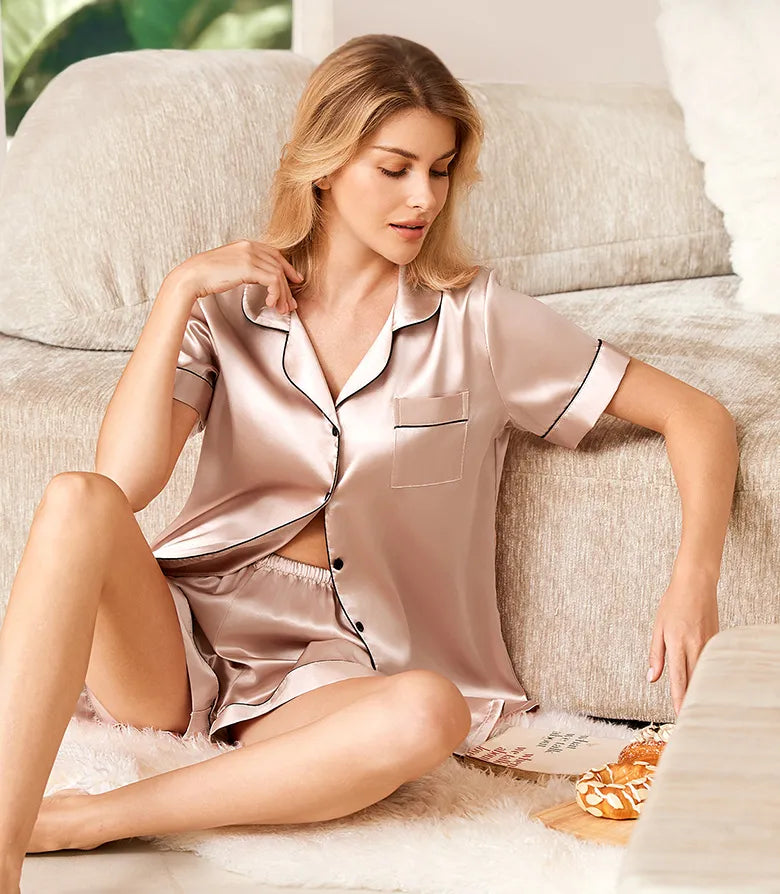
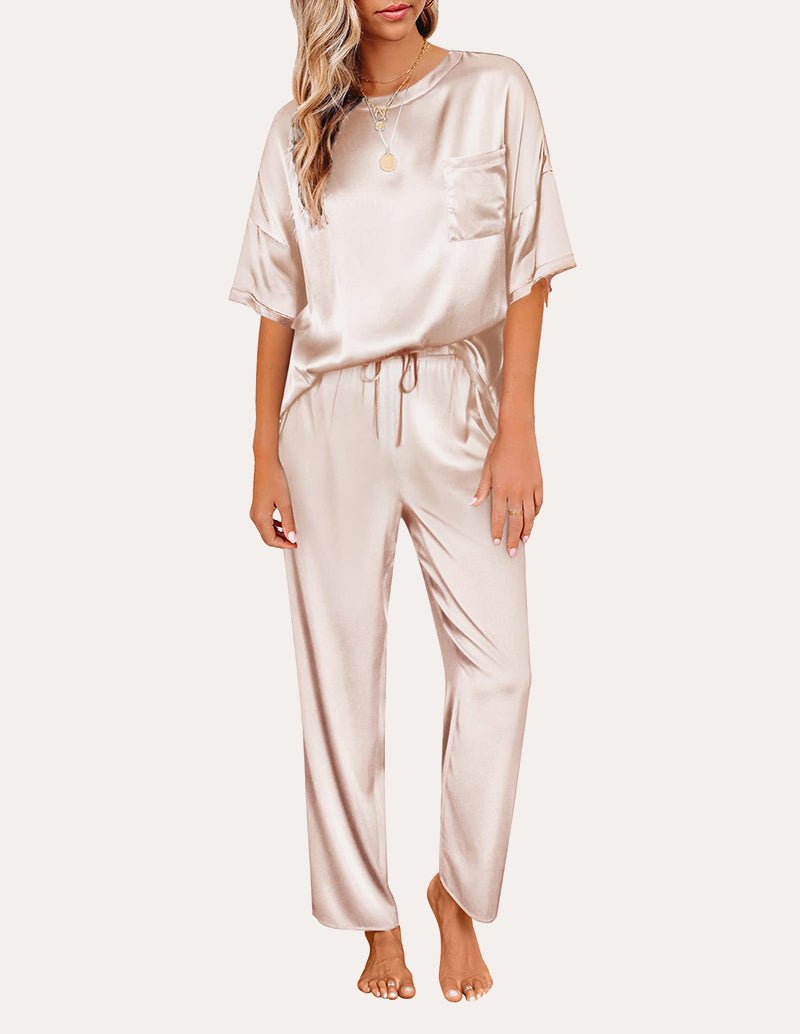
The Ekouaer pajama sets collection includes satin options in multiple silhouettes — cami and shorts, short sleeve and pants — that cover both pure sleepwear use and the versatile lounge-to-travel range.

Linen: For the Hottest Sleepers and Humid Climates
Linen is the most aggressively breathable option in this guide — more airflow than cotton, more structured than bamboo, with a slightly textured feel that creates natural separation between fabric and skin.
The use case is specific: humid climates without reliable AC, or women who run very hot and have already tried cotton and bamboo without finding sufficient relief. Linen's open weave allows more passive airflow than almost any other fabric, which is exactly what the hottest sleeping conditions require.
The trade-offs that make linen less universal: it feels slightly crisp initially (softens with washing), wrinkles readily, and requires a bit more deliberate care than cotton. For the right sleeper in the right climate, none of these matters. For moderate sleepers or women primarily concerned with appearance, the trade-offs may outweigh the thermal benefit.
Ekouaer's dedicated guide to linen PJs for women covers the complete fabric comparison, care instructions, and which linen styles work best for different body types — worth reading before buying if you're considering linen for the first time.
Fabric Comparison: Summer Decision Matrix
|
Fabric |
Cooling Performance |
Moisture Management |
Sensitive Skin |
Care |
Travel |
Price Point |
|---|---|---|---|---|---|---|
|
Bamboo viscose |
★★★★★ |
★★★★★ |
★★★★★ |
Gentle cycle, low heat |
★★★★ |
Mid |
|
Lightweight cotton |
★★★★ |
★★★ |
★★★★ |
Easy — machine wash |
★★★★ |
Budget–mid |
|
Linen |
★★★★★ |
★★★★ |
★★★ |
Gentle cycle, air dry |
★★★ |
Mid |
|
Polyester satin |
★★★ |
★★★ |
★★★ |
Machine wash gentle |
★★★★★ |
Budget–mid |
|
Real silk |
★★★★★ |
★★★★ |
★★★★★ |
Hand wash only |
★★★ |
Premium |
What to Avoid in Summer Sleepwear
Polyester knit — the fabric used in most budget "soft" pajama sets. Feels comfortable initially, but doesn't breathe, traps heat against the skin, and creates a damp environment that compounds with ambient summer heat. The most common sleepwear fabric in the $15–$25 price range is consistently the worst choice for hot sleepers.
Fleece and brushed fabrics — obvious in winter but still present in stores year-round. Check labels before buying sets that feel unusually warm or heavy.
"Cooling technology" is synonymous with vague descriptions. Terms like "ice silk," "cool touch," and "phase-change material" describe a range of things from genuinely useful to marketing. If the actual fiber content isn't specified clearly in the product listing, the fabric is almost certainly a polyester blend with a temporary treatment that washes out after several cycles.
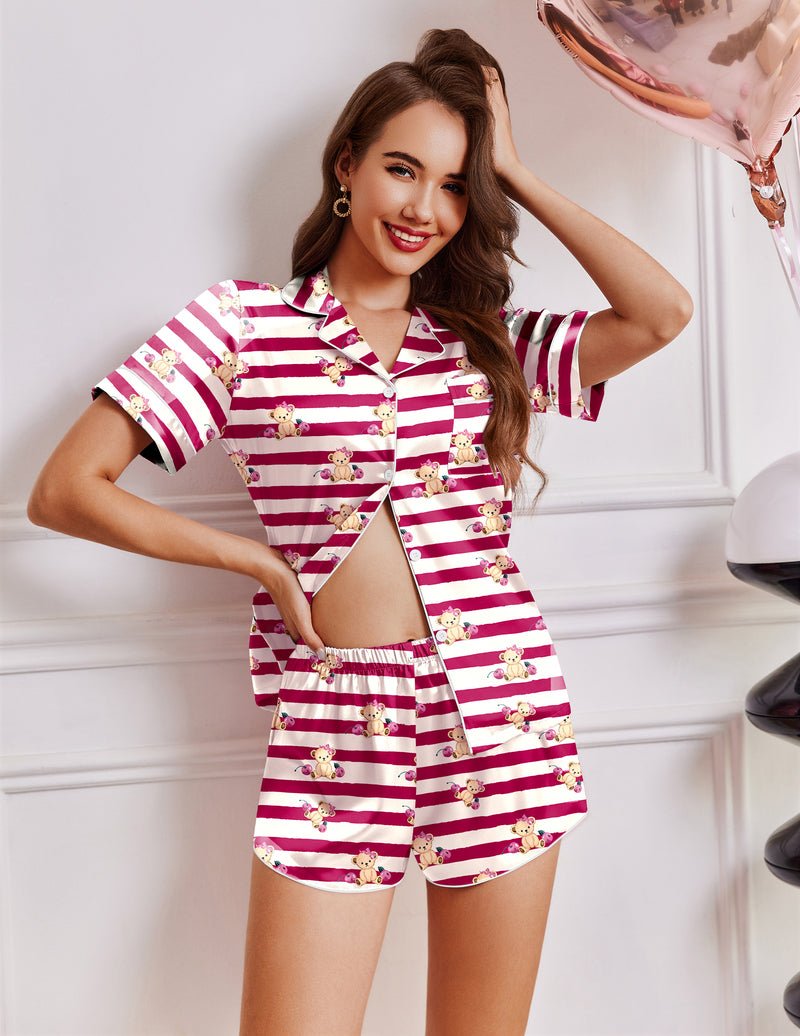
Sets marketed purely on print or aesthetics. Summer is when a lot of novelty-print pajama sets flood the market. The look doesn't tell you anything about the fabric weight or breathability. Always check the fiber content before buying, regardless of how the set is photographed.
How to Use Prime Day 2026 for Summer Sleepwear
Amazon Prime Day 2026 is confirmed for June, with the most likely window being the week of June 15 or June 22 based on seller logistics signals. The timing is almost ideal for summer sleepwear shopping: you're buying exactly when you need the garments, before peak summer heat rather than after it.
Sleepwear performs well as a Prime Day category because it's a high-repurchase item — women who find a set they like tend to buy multiples — and because the $30–$70 price point sees meaningful absolute discounts even at modest percentage reductions.
What's worth buying during the sale:
Bamboo viscose sets at genuine discounts are the highest-priority purchase. This is the fabric category where the quality gap between a good set and a cheap one is most meaningful, and where a 20–30% discount moves a quality set into clearly justified price territory for nightly use.
Cotton nightgowns and sets are reliable Prime Day buys because quality signals are legible from listings (fiber content, weight, construction details) and genuine discounts on good cotton sleepwear are common.
Satin sets are worth buying in multiples if you find a style you like — they're the most travel-versatile format and hold up well with proper care across many seasons.
How to prepare before the sale opens:
Add specific items to your Amazon wishlist now. The wishlist generates price drop alerts, which means you'll know immediately when something you've already evaluated goes on sale rather than having to search from scratch during the event.
Check current prices on items you're considering so you can verify that Prime Day prices represent real discounts. The most reliable free tool for Amazon price history is CamelCamelCamel — worth a quick check before committing to any "sale" price during the event.
Frequently Asked Questions
Q: What is the best fabric for summer pajamas?
A: For hot sleepers: bamboo viscose, which actively supports the body's pre-sleep temperature drop and wicks moisture significantly faster than cotton. For moderate sleepers in air-conditioned spaces: lightweight 100% cotton. For humid climates without AC: linen. For travel and versatility: polyester satin. The right answer depends on your sleep profile — use the decision matrix in this guide to identify your starting point.
Q: What should I wear to bed if I have night sweats?
A: Bamboo viscose is the most commonly recommended fabric for night sweats by both sleep specialists and women who've tried multiple options. Its hollow fiber structure maintains a slightly cooler skin surface temperature than cotton and wicks moisture away from the skin faster, which reduces the damp, clammy feeling that interrupts sleep. A sleeveless bamboo nightgown or short-sleeve sleep shirt minimizes total fabric contact while still providing coverage.
Q: Is cotton or bamboo better for hot sleepers?
A: Bamboo viscose outperforms cotton for hot sleepers on the metrics that matter most: skin temperature (approximately 1°C cooler) and moisture evaporation speed (approximately 32% faster). Cotton is a reliable choice for moderate sleepers and is easier to care for, but for women who consistently wake overheated or damp, the upgrade to bamboo is noticeable.
Q: Can I wear satin pajamas in summer?
A: Yes, particularly in air-conditioned spaces. Polyester satin doesn't trap heat aggressively and its smooth surface reduces fabric-to-skin friction. It's not the most actively cooling option — bamboo and linen outperform it for hot sleepers — but it handles moderate summer temperatures reasonably well and has practical travel advantages that make it worth keeping in a summer sleepwear rotation.
Q: What pajamas are best for sensitive skin in summer?
A: Bamboo viscose is the strongest choice — its smooth fiber structure minimizes friction, it has natural hypoallergenic properties, and OEKO-TEX certified sets have been independently tested to be free of irritating chemicals and dyes. Lightweight 100% cotton with OEKO-TEX certification is the second-best option. Avoid synthetic fabrics that trap moisture, which creates the warm, damp environment most likely to irritate reactive skin overnight.
Q: When is Prime Day 2026, and what sleepwear should I buy?
A: Prime Day 2026 is confirmed from June 23 to 22. Priority buys for summer sleepwear: bamboo viscose sets (biggest quality impact per dollar), lightweight cotton nightgowns and sets (reliable and consistently discounted), and satin sets in formats you'll use for travel. Add items to your wishlist now for price-drop notifications when the sale opens.
Related Guides
-
Bamboo Pajamas vs. Cotton: Which Is Better for Sleep? — detailed fabric comparison with practical recommendations for everyday use
-
Linen PJs for Women: A Cool and Breathable Sleepwear Guide — linen for hot sleepers and humid climates, with care instructions
-
Best Pajamas to Buy on Amazon Prime Day 2026 — complete Prime Day fabric guide with evaluation criteria
-
Best Cotton Pajamas for Women Guide — cotton styles compared by weight, construction, and use case
About Ekouaer
Founded in 2014, Ekouaer makes sleepwear and loungewear with an emphasis on functional design and fabric safety. All fabrics carry OEKO-TEX Standard 100 certification — independently tested to be free of harmful substances, meeting requirements for skin-contact textiles. Products have been featured in CNN Underscored, Forbes, and TODAY.com.
Ekouaer in the Press
-
OpenPR (May 2026): Ekouaer Memorial Day Sale 2026 — Official Debut on The Knot Registry — Ekouaer joins The Knot Registry platform ahead of wedding season
-
OpenPR (April 2026): Ekouaer at HEJ MATES Fashion Trend Press Day in Hamburg & Munich — latest collection received unanimous praise from European fashion editors and bloggers
-
OpenPR (March 2026): Ekouaer Wins Oprah Daily Editor's Choice and TODAY 2026 Sleep Award — two products recognized by Oprah Daily and TODAY in the same season
-
Parade (May 2026): Amazon's Ekouaer 2-Pack Pajama Set Is a Must-Have — described as winning "on all counts" for comfort and value