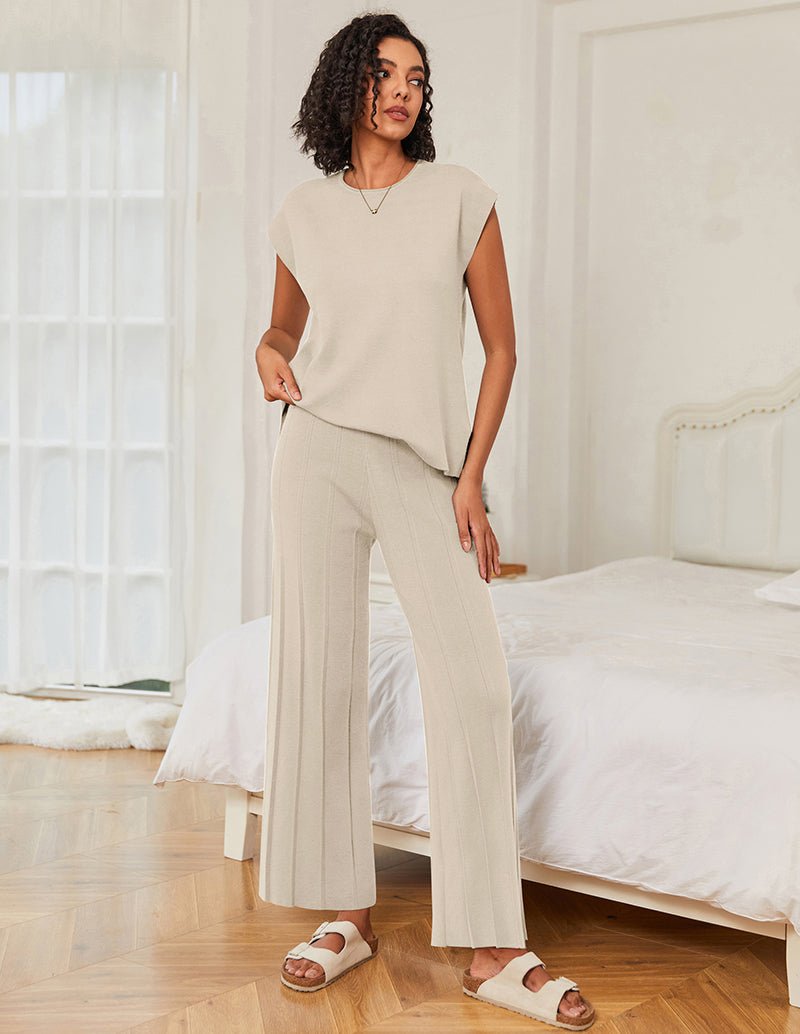
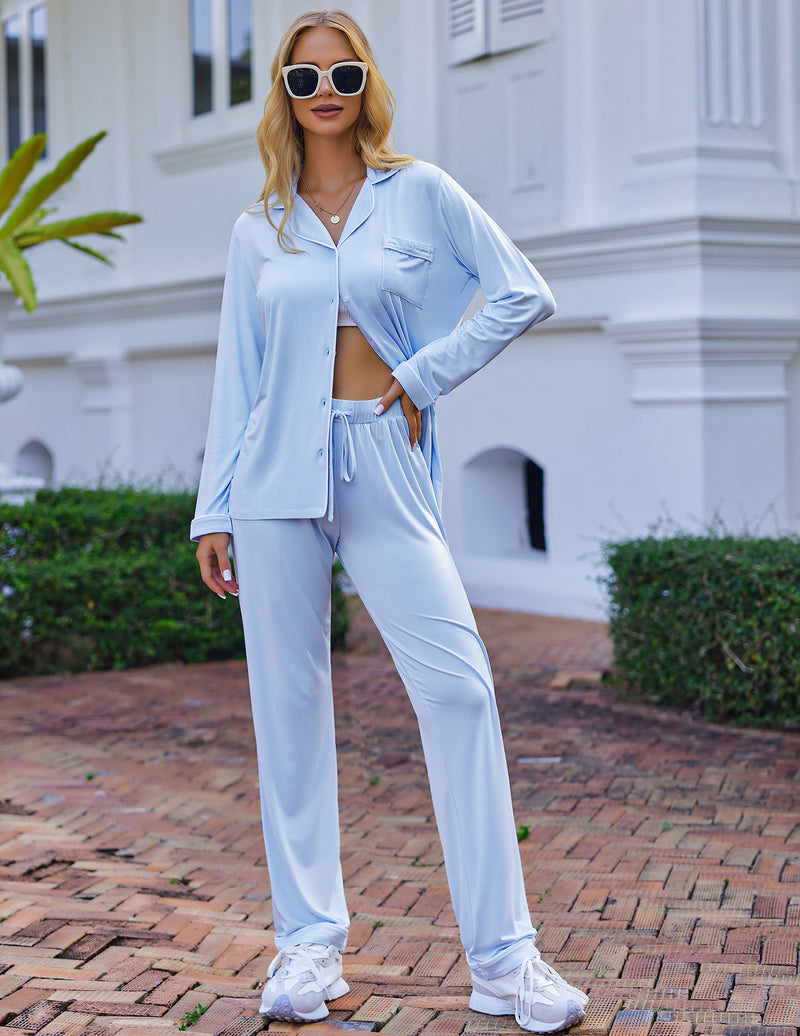
Bamboo vs Satin vs Cotton: What’s the Best Fabric for Maternity Sleepwear?

Quick Answer
For most pregnant women, bamboo viscose is the most practical all-around fabric for maternity sleepwear: it regulates temperature better than cotton or polyester satin, wicks moisture away from skin, and stays soft through frequent washing. Cotton is the best choice for durability, easy care, and budget. Satin (polyester blend) offers the smoothest feel against sensitive skin but doesn't breathe well—better for occasional wear than nightly sleep. The right choice depends on whether your main concern is overheating, skin sensitivity, nursing access, or washability.
Why Fabric Matters More During Pregnancy
Pregnancy changes how your body regulates temperature. Increased blood volume, elevated metabolic rate, and hormonal shifts all raise baseline body temperature—making overheating during sleep more common than at any other life stage.
Sleep quality research confirms that the body needs to cool down slightly to initiate and maintain sleep. A 2019 study published in PMC (National Institutes of Health) found that the sleep environment—including clothing and bedding—directly affects core body temperature regulation and sleep architecture. Fabrics that trap heat or moisture against the skin can interrupt this natural cooling process, leading to more frequent awakenings.
This is why fabric choice matters more during pregnancy than it does for regular sleepwear: the stakes for a bad night's sleep are higher, and the body's tolerance for heat and friction is lower.
The Three Fabrics: What They Actually Are
Bamboo Viscose
-
Bamboo viscose is made by processing bamboo pulp into a soft, fluid fiber. The resulting fabric is smooth, lightweight, and has a natural micro-porous structure that allows air to circulate and moisture to move away from the skin surface. It's not the same as raw bamboo—the manufacturing process involves chemical treatment—but the fabric properties (breathability, softness, moisture management) are genuine and consistent.
-
What bamboo viscose does well: temperature regulation, moisture-wicking, softness against sensitive skin, and a silky drape that doesn't cling or bunch during sleep.
-
What it doesn't do well: it requires more careful washing than cotton, can pill if washed on high heat, and is typically more expensive.
Satin (Polyester-Spandex Blends)
-
Most maternity satin sleepwear uses a polyester-spandex blend (typically 95% polyester, 5% spandex) that creates a smooth, glossy surface. This is not the same as silk satin—it's a synthetic fabric that mimics the look and feel of silk at a much lower price point.
-
What polyester satin does well: minimal friction against skin, smooth surface that reduces irritation for women with heightened skin sensitivity, holds its shape well through washing, and dries quickly.
-
What it doesn't do well: breathability. Polyester doesn't allow significant airflow, and it doesn't absorb or wick moisture. For hot sleepers or anyone experiencing pregnancy night sweats, polyester satin can feel uncomfortably warm.
Cotton and Cotton Blends
-
Cotton is the most familiar and widely used sleepwear fabric. Natural cotton absorbs moisture, breathes reasonably well, and softens with each wash. Organic cotton skips pesticide treatment, which matters for women with chemical sensitivities during pregnancy.
-
Cotton-blend maternity sleepwear typically adds spandex (for stretch) or polyester (for shape retention). A 95% cotton / 5% spandex blend is common in maternity sets and offers a good balance of stretch and breathability.
-
What cotton does well: durability, easy care (machine washable on standard settings), affordability, and familiarity. It's the lowest-risk choice for anyone who hasn't tried bamboo and doesn't know how their skin will respond.
-
What it doesn't do as well as bamboo: moisture management. Cotton absorbs sweat but releases it more slowly, which can leave fabric feeling damp against skin—particularly relevant if you run hot at night.
Direct Comparison: Key Pregnancy Categories
|
|
Bamboo Viscose
|
Satin (Polyester)
|
Cotton
|
|---|---|---|---|
|
Temperature regulation
|
Excellent — breathes and wicks actively
|
Poor — traps heat
|
Good — breathes but retains moisture when wet
|
|
Moisture management
|
Excellent — moves sweat away from skin
|
Poor — minimal absorption
|
Good — absorbs well, releases slowly
|
|
Skin sensitivity
|
Excellent — smooth fibers, low friction
|
Excellent — smooth surface
|
Good — natural fiber; lower grades can feel rough
|
|
Nursing access
|
Good — soft, flexible fabric for button/panel designs
|
Good — smooth, easy to manipulate
|
Excellent — durable, holds button and panel closures well
|
|
Durability
|
Good — gentle washing extends life significantly
|
Very good — synthetic holds shape well
|
Excellent — withstands frequent washing
|
|
Care requirements
|
Gentle cycle, cold water, air dry
|
Machine washable, quick-drying
|
Standard machine wash, very forgiving
|
|
Price range
|
Mid–premium ($40–$160)
|
Budget–mid ($25–$100)
|
Budget–mid ($30–$120)
|
|
Best overall for
|
Night sweats, temperature regulation, sensitive skin
|
Minimal friction, smooth feel, easy care
|
Everyday durability, easy care, budget-friendly
|
The Science: Sleep, Temperature, and Pregnancy
The connection between clothing and sleep quality during pregnancy is well-documented. Research published in PMC confirms that skin temperature regulation during sleep directly influences sleep onset and maintenance—when the body can't shed heat effectively, sleep is disrupted.
During pregnancy, this effect is amplified. Increased progesterone raises basal body temperature, and expanding blood volume raises cardiac output—both of which generate more body heat. For women who were already warm sleepers, pregnancy often makes nighttime overheating a significant sleep problem.
The practical implication: fabrics that sit on the skin and trap heat (synthetic fleece, heavy polyester) are more disruptive during pregnancy than at other times. Fabrics that actively move moisture away from the skin—bamboo viscose in particular—help maintain a more stable microclimate during sleep, even when the body is running warmer than usual.
A 2019 review of sleep and thermoregulation also found that subjective thermal comfort—not just actual skin temperature—affects sleep quality. In other words, feeling hot is itself a problem, even if core temperature isn't dangerously elevated. Fabrics that feel cooler against skin can improve perceived comfort and, by extension, sleep quality.
Trimester-by-Trimester Fabric Guide

First Trimester (Weeks 1–13)
The main challenges are heightened smell and texture sensitivity, and early fatigue. Many women in the first trimester find unfamiliar fabrics or strong detergent smells trigger nausea.
-
Best choice: High-quality cotton or bamboo viscose. Both are natural-fiber options with minimal chemical odor. Avoid newly purchased synthetic fabrics that haven't been washed yet—polyester can off-gas subtle chemical smells that become more noticeable with heightened pregnancy sensitivity. Wash all new sleepwear at least once before wearing.
-
Key features to look for: Soft waistbands (nothing tight across the abdomen), relaxed fit, no scratchy lace or rough seams against sensitive skin.
Second Trimester (Weeks 14–27)
Energy often improves in the second trimester, but blood volume increases significantly, and night sweats can begin. This is typically when temperature regulation becomes the most pressing sleepwear issue.
-
Best choice: Bamboo viscose for active moisture management, or lightweight cotton with good airflow. Satin can work well during this trimester for women who want smooth, elegant sleepwear for occasional use—it's not ideal for heavy sweating but works fine for women who don't overheat badly.
-
Key features to look for: Adjustable waistbands, breathable fabric construction, designs that accommodate a growing belly without constricting.
Third Trimester (Weeks 28–40+)
Comfort and functionality dominate. The belly is at its largest, sleep positions are limited, and the body works harder to cool itself. Many women also start thinking about postpartum use—particularly nursing access.
-
Best choice: Bamboo viscose for thermal regulation, or cotton-spandex blends for the stretch needed during frequent position changes. Look for designs with nursing access (front buttons, nursing panels) that will serve double duty in the early postpartum weeks.
-
Key features to look for: Full-length front buttons or nursing panels, generous stretch across the belly, loose-fit silhouettes that don't restrict movement, and pockets.
Skin Sensitivity During Pregnancy: What to Look for on the Label
Pregnancy hormones can significantly increase skin sensitivity—fabrics that felt fine before pregnancy can cause irritation, itching, or rashes during it. Two label certifications matter here:
OEKO-TEX Standard 100: Certifies that the fabric has been independently tested for harmful substances, including formaldehyde, pesticide residues, and heavy metals. Relevant for both cotton and synthetic fabrics. (OEKO-TEX Standard 100)
Organic cotton certification (GOTS or OCS): Confirms that cotton was grown without synthetic pesticides or fertilizers. Relevant specifically for cotton fabrics. A meaningful distinction for women with chemical sensitivities during pregnancy.
Neither bamboo viscose nor polyester satin is automatically safer than conventional cotton—what matters is whether the fabric has been tested and certified, not just which fiber it's made from.
What Real Moms Say: Reddit Insights
Discussions in r/pregnant and r/beyondthebump consistently surface a few themes about maternity sleepwear fabric:
-
Women who run hot strongly prefer bamboo or moisture-wicking fabrics over cotton or polyester—the difference in nighttime comfort is frequently described as significant
-
Cotton is almost universally praised for postpartum use because it holds up to the frequent washing new-baby life demands
-
Satin gets mixed reviews for sleep—women love how it feels but find it too warm for overnight use if they run hot
-
The most common regret: buying pretty satin sets and finding them uncomfortable to sleep in past the second trimester
The practical consensus: buy bamboo or cotton for actual sleep; satin for lounging, photos, or short periods of wear.
Care Guide by Fabric
Getting the care right determines how long these fabrics last—especially important since maternity sleepwear gets washed frequently.
Bamboo viscose:
-
Cold water, gentle cycle only. Hot water damages the fiber structure and accelerates pilling.
-
No fabric softener—it coats the micro-porous surface and reduces moisture-wicking performance over time.
-
Air dry or tumble dry on the lowest heat setting. High heat permanently damages bamboo viscose.
-
Washing inside out reduces surface pilling.
Satin (polyester blend):
-
Machine washable on delicate/gentle cycle. Cold water.
-
Use a mesh laundry bag to protect the surface from snags.
-
Air dry—tumble drying causes static and can distort the weave over time.
-
Iron on the lowest setting from the reverse side if needed; high heat melts polyester.
Cotton:
-
Standard machine wash, cold or warm. The most forgiving of the three.
-
Tumble dry low or air dry to minimize shrinkage. Cotton shrinks more than bamboo or polyester, especially in the first few washes.
-
Wash before first wear—new cotton can be stiff and may have residual sizing chemicals.
Choosing Ekouaer Maternity Sleepwear by Fabric
For bamboo: Ekouaer's Bamboo Viscose Soft Nightgowns — 48% polyester + 47% bamboo viscose + 5% spandex blend; boyfriend fit with round neck and short sleeves for maximum airflow; nursing-friendly design. Best for hot sleepers and women experiencing night sweats.

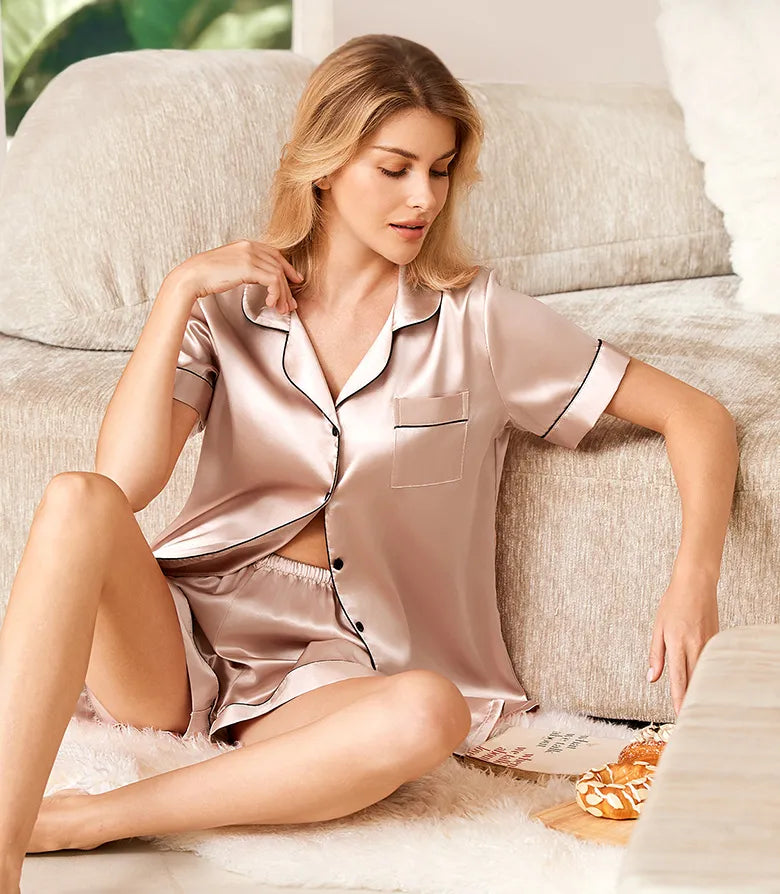
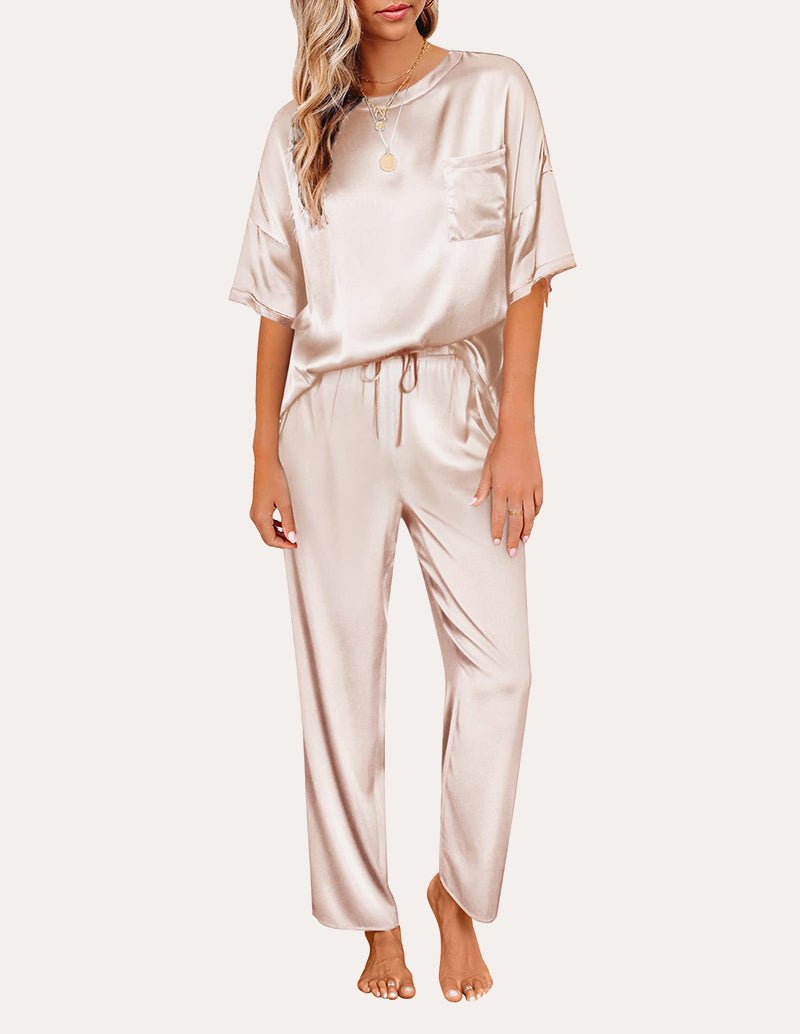
For satin: Ekouaer's satin pajama sets — 95% polyester + 5% spandex; notch collar, chest pocket, elastic waistband that accommodates a growing belly. Better for cooler nights, occasional wear, or women who prioritize smooth feel over breathability.

For cotton: Ekouaer Cotton Maternity Pajama Set — 95% cotton + 5% spandex with a brushed finish; full front button closure for nursing access, drawstring waistband with elastic. Best for durability, postpartum use, and easy care.

Explore more maternity and nursing sleepwear collections here: Maternity Sleepwear and Nursing Sleepwear
FAQ
Q: What is the single most important factor when choosing maternity sleepwear fabric?
A: Temperature regulation for most women—pregnancy naturally raises body temperature, and fabrics that trap heat can significantly disrupt sleep. Bamboo viscose handles this better than cotton or polyester satin. If skin sensitivity is your primary concern, both bamboo and high-quality cotton are good choices; satin is the smoothest but least breathable.
Q: How does bamboo fabric compare to cotton for sensitive pregnancy skin?
A: Bamboo's smooth fibers create less friction than cotton's natural texture. For women with pregnancy-related skin sensitivity or eczema flares, bamboo often feels gentler on contact. That said, both can be excellent choices if they carry OEKO-TEX certification—what matters is fabric testing, not just fiber type.
Q: Is satin a good choice for hot sleepers during pregnancy?
A: Not for overnight sleep. Polyester satin doesn't breathe or wick moisture, which makes it uncomfortable for hot sleepers. It works well for lounging, short periods of wear, or women in cooler climates who don't overheat at night.
Q: Which fabric is most practical for postpartum and nursing?
A: Cotton-spandex blends hold up best to the frequent washing of postpartum life demands. For nursing access, look for full-length front buttons or dedicated nursing panels regardless of fabric—the design feature matters more than the material for feeding ease.
Q: How do I care for bamboo sleepwear to maintain its properties?
A: Cold water, gentle cycle, no fabric softener, air dry or low heat. The no-fabric-softener rule is the one most people miss—it significantly reduces moisture-wicking performance over time.
Q: Can I wear the same fabric throughout all three trimesters?
A: Bamboo viscose is the most versatile across all three trimesters. Cotton works well throughout too, but becomes more important postpartum when durability and washability take priority. Satin works best in the second trimester when the belly isn't yet at its most constrictive.
Q: Is bamboo fabric sustainable?
A: Bamboo plants grow rapidly and require minimal water and pesticides compared to conventional cotton. However, the viscose manufacturing process involves chemical treatment of bamboo pulp, which has its own environmental footprint. OEKO-TEX or GOTS certification is a better indicator of fabric safety than the raw material alone.
Related Guides
-
Nightgown Guide: How to Identify, Wear, and Choose the Right One — nightgown styles, fabrics, and how to choose by use case
-
How to Choose the Perfect Maternity Nightgown — fit, fabric, and features for pregnancy nightgowns
-
What to Wear for Night Breastfeeding — sleepwear that works for nursing
-
Best Nursing Pajamas for Postpartum Comfort — postpartum-specific picks
About Ekouaer
Founded in 2014, Ekouaer specializes in maternity and nursing sleepwear. All fabrics carry OEKO-TEX Standard 100 certification. Products have been featured in CNN Underscored, Forbes, and TODAY.com. The brand's 3-in-1 Maternity Nursing Gown is a recipient of the Mom's Choice Awards® Gold Seal.
Ekouaer in the Press
-
Parade (May 2026): Amazon's Ekouaer 2-Pack Pajama Set Is a Must-Have — described as winning "on all counts" for comfort and value
-
Parade (March 2026): Amazon's Ekouaer Short-Sleeve Pajama Set Is a Must-Have — over 3,700 five-star ratings; shoppers called it "perfect for hot sleepers"
-
Yahoo Shopping (March 2026): Shop Amazon's Ekouaer Pajama Set for $12 — featured in Yahoo's spring sleepwear roundup
-
OpenPR (March 2026): Ekouaer Wins Oprah Daily Editor's Choice and TODAY 2026 Sleep Award — two products recognized by Oprah Daily and TODAY in the same season