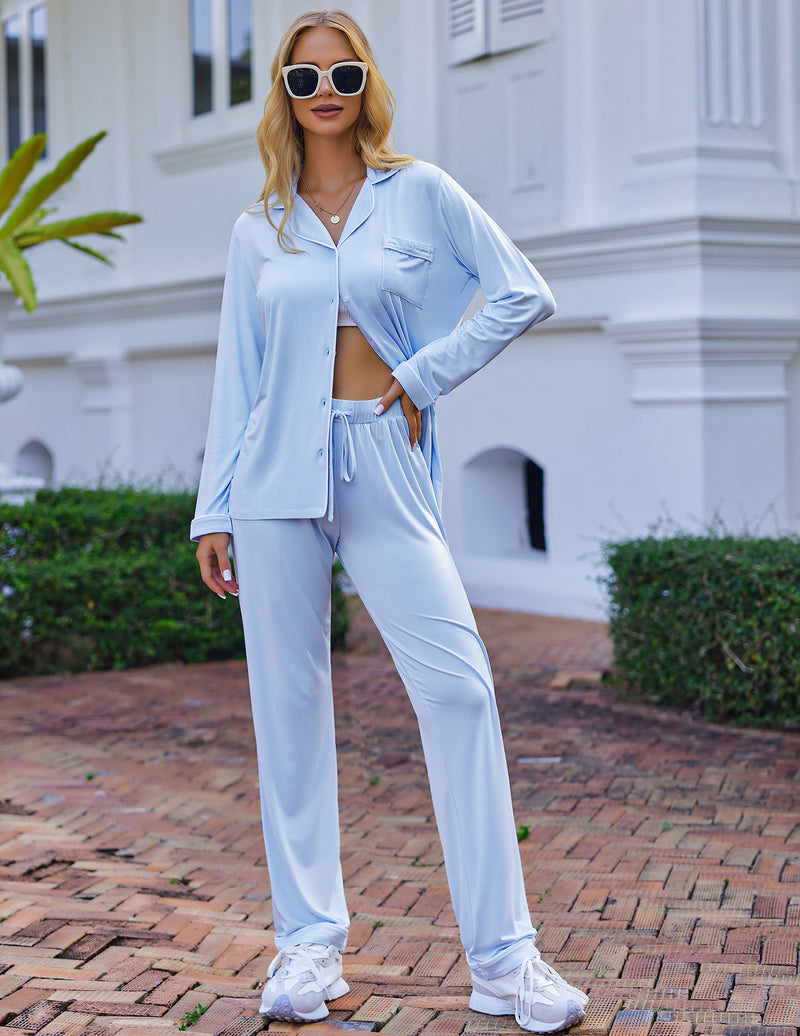
Best Pajama Pants for Women in 2026: Cotton, Knit & Wide-Leg Compared by Fit and Feel

Here's the direct answer first: 100% cotton drawstring pajama pants in a relaxed or wide-leg cut are the best all-around choice for most women — they're breathable, wash well, stay in place through the night, and don't require a specific body temperature to be comfortable. If you run hot, go for lightweight cotton or a cotton-bamboo blend. If you want cross-wear flexibility from bedroom to morning coffee run, a wide-leg knit with a secure waistband is the better pick.
The nuance is in the details — waistband construction, inseam length, fabric weight, and leg cut — and that's exactly what this guide covers.
Why Fabric Matters More Than You Think
Most people buying pajama pants think about pattern and price first. The research suggests fabric should come first.
A 2024 systematic review published in the Journal of Sleep Research found that sleepwear fiber type directly affects skin temperature regulation during sleep — and skin temperature is one of the key physiological signals that controls sleep onset and sleep continuity. Natural fibers like cotton have lower thermal conductivity than synthetic ones, meaning they don't trap heat against the skin the same way polyester does.
A related study in Nature and Science of Sleep found that fabric type influenced sleep onset latency — that is, how long it takes to fall asleep — with natural fiber sleepwear performing better than synthetic alternatives, particularly in warmer ambient conditions.
The practical implication: a polyester-blend pajama pant might feel fine for an hour of TV watching, but accumulate enough body heat over 7–8 hours of sleep to meaningfully disrupt your sleep quality. This is especially relevant for hot sleepers, women in perimenopause, and anyone who tends to wake up in the middle of the night overheated.
The Waistband Problem (And Why It's the Most Common Complaint)
Before getting into fabric types, the waistband deserves its own section because it's responsible for the majority of "these are comfortable" vs. "these are uncomfortable after an hour" outcomes.

What goes wrong with waistbands:
-
Narrow bare elastic (under 1.5 inches wide): Creates a single pressure line across the torso. After 2–3 hours, this becomes noticeable. After 7–8 hours of sleep, it leaves visible marks and can disrupt sleep by creating pressure awareness.
-
Elastic sewn directly to fabric without a casing: The elastic touches skin directly, which becomes uncomfortable as body temperature rises during sleep.
-
Mid-rise placement at the widest hip point: The waist fluctuates in circumference more at the hip than at the natural waist, causing the pants to creep down — especially when lying on your side.
What works:
-
Wide elastic (2+ inches) encased in a fabric channel — distributes pressure across more surface area, doesn't touch skin directly
-
Adjustable drawstring — lets you set the fit to your actual waist measurement rather than relying on elastic memory alone
-
High-rise placement — sits at the narrowest point of the torso (natural waist), stays put during side sleeping
Reddit users frequently mention this as their top complaint. Many seek wide elastic with a drawstring: “I don’t like the really fleecy stuff... I got rid of most because I didn’t like the waistband.”

Fabric Guide: What Each Material Actually Delivers
100% Cotton (Jersey Knit)
The benchmark. Soft, breathable, and becomes more comfortable with each wash. Cotton jersey knit has enough stretch to move with you without returning to a tight position that creates pressure.
GSM matters here. GSM (grams per square meter) is the weight of the fabric. Most pajama pants fall in the 150–220 GSM range:
-
Below 160 GSM: lightweight, cool, slightly see-through when stretched
-
160–200 GSM: the sweet spot for year-round use — comfortable in temperatures from 65°F to 78°F
-
Above 200 GSM: heavier, warmer, better for colder rooms
The label trap: Several buyers on Amazon and Walmart reviews have noted that pants labeled "100% cotton" often contain polyester upon inspection of the actual fiber tag. When buying, check the actual content label sewn inside the garment, not just the product listing.
Best for: Year-round use, hot sleepers, sensitive skin, and anyone who prioritizes breathability over softness.
This matches what many women report on Reddit. A lot of users prefer 100% cotton or breathable wide-leg pajama pants for all-night comfort without overheating, especially in warmer rooms.
Cotton-Bamboo Blend
Bamboo viscose blended with cotton produces a fabric that's noticeably softer than straight cotton while maintaining reasonable breathability. The bamboo component adds a slight silky drape that cotton alone doesn't have.
The limitation: "Bamboo" on a label doesn't always mean high bamboo content. Some blends use as little as 10–20% bamboo, which delivers minimal benefit. Look for at least 40% bamboo in the blend if you're choosing this for its softness advantage.
Best for: Hot sleepers who also want softness, sensitive skin, and anyone who finds plain cotton slightly rough.
For a deeper comparison of how bamboo and cotton behave differently as sleepwear materials, this breakdown of bamboo vs. cotton pajamas covers the relevant differences in moisture management and breathability.
Modal
Modal is a semi-synthetic fiber derived from beech tree pulp. It's noticeably softer and more drapey than cotton, and holds its shape through washing better than bamboo viscose alone.
What makes it different in pajama pants specifically: Modal has more stretch recovery than cotton — it returns to its original shape after being stretched, which means the waistband area doesn't bag out after repeated washing the way cotton sometimes does.
The downside: Modal is more expensive, and lower-quality modal can pill at friction points (inner thigh, waistband edge) within a season of regular wear. Check for certification — OEKO-TEX Standard 100 certified modal indicates the material has been tested for harmful substances, which matters for anything worn against the skin for 7–8 hours nightly.
Best for: Year-round use for anyone prioritizing softness over everything else; perimenopausal women who need breathability but want a more elevated feel.
Flannel
Cotton flannel is brushed on one or both sides to create a soft, slightly fuzzy texture with excellent insulating properties. It's the correct choice for cold rooms; it's the wrong choice for warm ones.
The temperature cutoff: Flannel pajama pants start to feel uncomfortable around 70°F for most people. Above that temperature, the insulating properties that make flannel good in winter become the reason you wake up overheated. If your bedroom is kept below 65°F, flannel is genuinely the most comfortable cold-weather option.
Care note: Flannel can shrink in high-heat dryers. Wash warm, tumble dry on medium or low. Flannel that shrinks at the waistband is a common complaint — this is almost always a dryer temperature issue, not a defect.
Best for: Cold rooms (below 65°F), cold sleepers, fall/winter use in cooler climates.
Leg Cuts: What Each One Does and Doesn't Do
Straight Leg
The most traditional cut. Falls straight from hip to ankle with minimal flare. Works across most body types. The limitation: a straight leg that's cut narrow can restrict movement and bunch up when you lie down and shift positions.
What to check: thigh measurement. A straight leg pajama pant with a narrow thigh can feel fine standing up, but creates pressure when lying on your side. If you're between sizes, size up for straight-leg cuts used specifically for sleeping.
Wide Leg
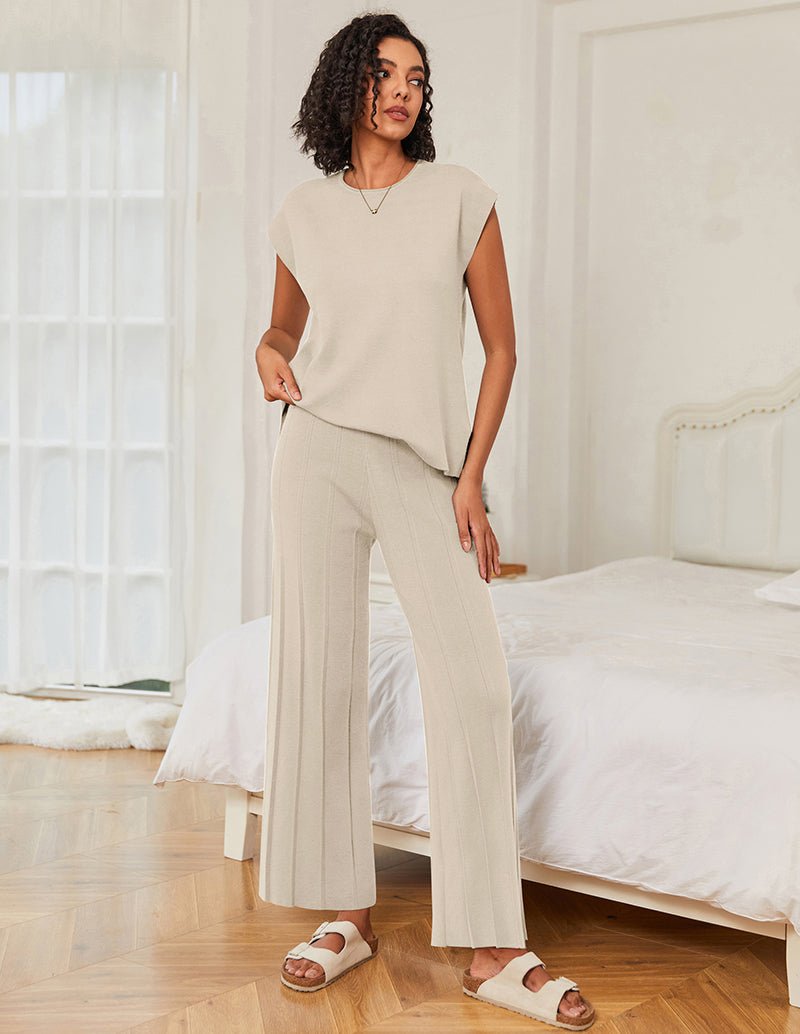
The current most popular cut for a reason. The flare below the knee means there's no fabric gathering or bunching, regardless of sleep position. Wide-leg pants also allow more airflow around the legs, which matters for hot sleepers.
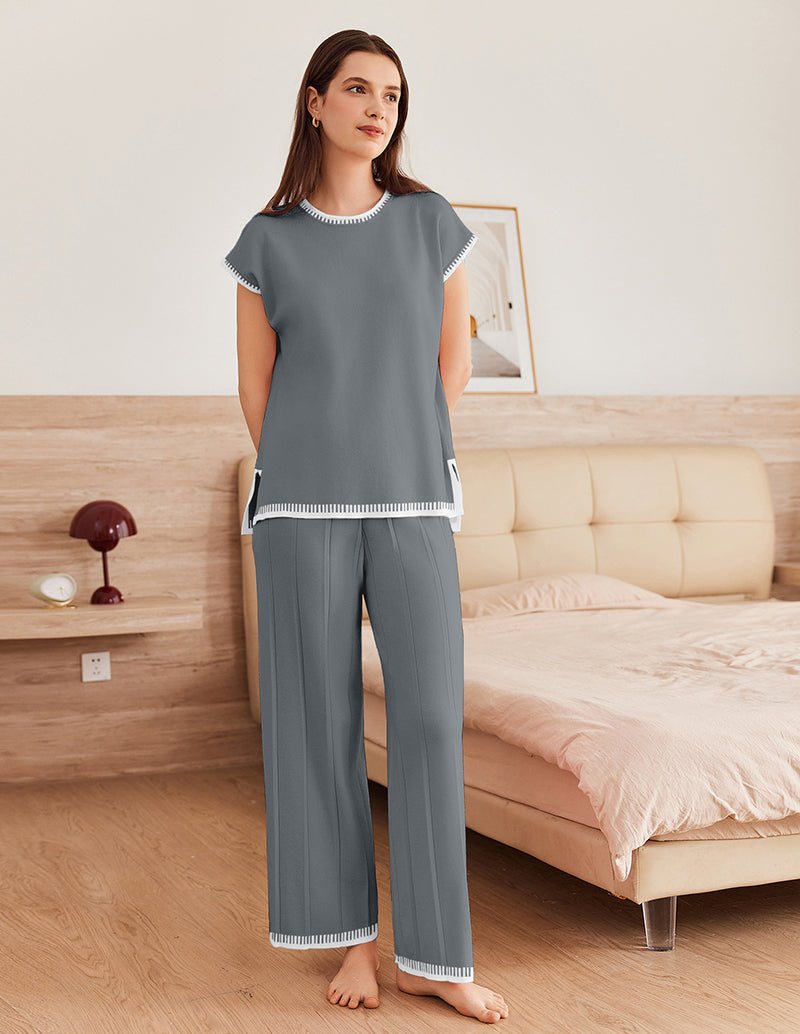
The cross-wear advantage: Wide-leg pajama pants with a clean, minimal print read as casual loungewear from the outside. Many women wear them for the school run, morning coffee, or working from home without changing — which extends the value significantly beyond just sleepwear.
The soft casual wide-leg sleep pants work particularly well here — the two-pack format means you're not managing single-pair laundry cycles, and the wide leg cut means they stay comfortable through the night regardless of how much you move.
Wide-leg styles are popular in Reddit discussions for both sleeping and lounging. Users like them because “the wider hem means the fabric can’t wrap tightly around the leg when you roll over.”

Capri / Cropped
Ends mid-calf or just below the knee. The practical advantages: cooler than full-length in warm weather, and the shorter hem doesn't get caught under your body when you roll over at night (a surprisingly common sleep irritation with full-length pajama pants).
The length question for taller women: Standard capri cuts end at mid-calf on a 5'6" frame. If you're 5'9" or taller, the same "capri" may end above the knee, which changes the coverage entirely. Check the inseam measurement before buying.
The 3-pack capri pajama pants with ruffle hem addresses this directly — the ruffle hem detail keeps the cropped look intentional rather than accidental, and three pairs means a full week of coverage without laundry pressure.

Inseam Length and Height — The Specific Fit Rules
Most pajama pants are cut for a 5'5"–5'7" frame. If you fall outside that range, inseam length matters:
|
Height |
What to look for |
|---|---|
|
Under 5'3" |
Petite-specific sizing, or intentionally choose capri length to avoid excess pooling at the ankle |
|
5'3"–5'7" |
Standard sizing works; check that the inseam is at least 28 inches for full-length |
|
5'8"–5'10" |
Look for "tall" sizing or verify inseam is 32+ inches; standard full-length may hit at mid-calf |
|
Over 5'10" |
Tall-specific sizing essential; standard full-length will be capri length |
For a dedicated guide on sizing and proportions for taller frames, this fit guide for tall pajamas covers inseam measurements and brand-specific sizing in detail. For petite frames, the petite pajama guide addresses the equivalent fit challenges.
The "Cotton Pajama Pants" Label Problem
This is worth addressing directly because it appears frequently in reviews.
Many pajama pants sold as "cotton" or "100% cotton" contain polyester when you check the actual fiber content tag sewn inside the garment. The product listing may say "cotton" in the title; the care label reveals a different composition.
Why this matters practically: a cotton-polyester blend behaves more like polyester from a thermal standpoint — it traps body heat and doesn't wick moisture the same way. For overnight wear, this can result in the overheating and disrupted sleep that pure cotton avoids.
What to do: Check the fiber content tag (sewn inside the waistband or side seam), not just the product title or description. If a product claims 100% cotton but the label says otherwise, that's a quality control issue worth noting in your review.
The 100% cotton pajama pants with drawstring is a straightforward example of a genuinely single-material option — what the label says matches what the garment is, which is a basic requirement that isn't universal in this product category.

Pockets: What to Actually Expect
Pajama pants with pockets are genuinely useful — phone, keys for an early-morning walk, lip balm. But "pockets" on a pajama pant isn't a standardized feature.
Side seam pockets: The most functional. Deep enough to hold a phone without it falling out when you sit down. Standard placement is at hand height (below the hip bone, above mid-thigh).
Decorative pockets: Shallow, often not functional for anything larger than a coin. Common on satin and lightweight knit styles.
Patch pockets: Added to the front or back, a more casual aesthetic, functional but less streamlined.
If pockets matter to you, verify depth in the product description or reviews. "Has pockets" as a feature claim doesn't distinguish between 2-inch decorative pockets and 6-inch functional ones.
Quick Decision Guide
|
Your Priority |
Best Choice |
|---|---|
|
All-night comfort without overheating |
100% cotton, loose/wide leg, high-rise waistband |
|
Warm room / hot sleeper |
Cotton-bamboo blend, wide leg, lightweight (under 170 GSM) |
|
Cold room / cold sleeper |
Cotton flannel, straight or wide leg |
|
Cross-wear (sleep + morning errands) |
Wide-leg cotton knit, minimal print, adjustable drawstring |
|
Postpartum recovery |
High-rise, soft cotton knit, drawstring for adjustable fit |
|
Short legs / petite frame |
Capri length or petite sizing; avoid full-length standard |
|
Tall frame (5'8"+) |
Verify inseam 32+ inches; look for tall sizing |
Frequently Asked Questions
Q: What fabric is best for pajama pants if you sweat at night?
A: 100% cotton or a cotton-bamboo blend. Both allow moisture to move away from the skin more effectively than synthetic fabrics. A 2024 review in the Journal of Sleep Research confirmed that natural fiber sleepwear performs better than synthetic alternatives for thermal regulation during sleep. Avoid polyester blends and anything labeled "silky" that doesn't specify natural fiber content.
Q: What's the most comfortable waistband for sleeping?
A: Wide elastic (2+ inches) encased in a fabric casing, with an adjustable drawstring. This combination distributes pressure across a wider area and lets you adjust fit precisely. Narrow bare elastic creates a single pressure line that becomes uncomfortable over 7–8 hours. High-rise placement (at the natural waist rather than the hip) stays in place through the night better than mid-rise.
Q: Should I size up in pajama pants?
A: For sleeping, yes — your normal size or one size up is ideal. Pajama pants sized too close to your measurements can create waistband pressure when lying down, particularly on your side. For cross-wear (morning errands, working from home), your normal size gives a cleaner silhouette. If you're between sizes, go up for sleep use, stay true for daywear.
Q: How do I stop pajama pants from shrinking?
A: Wash cold, tumble dry on low or air dry. High heat is the primary cause of cotton pajama pant shrinkage — specifically waistband shrinkage, which happens faster than the leg fabric because elastic and knit fabric respond to heat differently. If you've already experienced shrinkage, washing and drying on cold from that point forward prevents further shrinkage, but doesn't reverse what's already occurred.
Q: Are wide-leg pajama pants actually comfortable for sleeping, or do they bunch up?
A: Wide-leg cuts are generally more comfortable for sleeping than straight-leg cuts, not less. The wider hem means the fabric can't wrap tightly around the leg when you roll over. What can bunch is excess length — if the inseam is too long for your height, extra fabric at the ankle gathers under your body. The solution is choosing the right length, not avoiding wide-leg cuts.
Q: Can I wear pajama pants as loungewear outside the house?
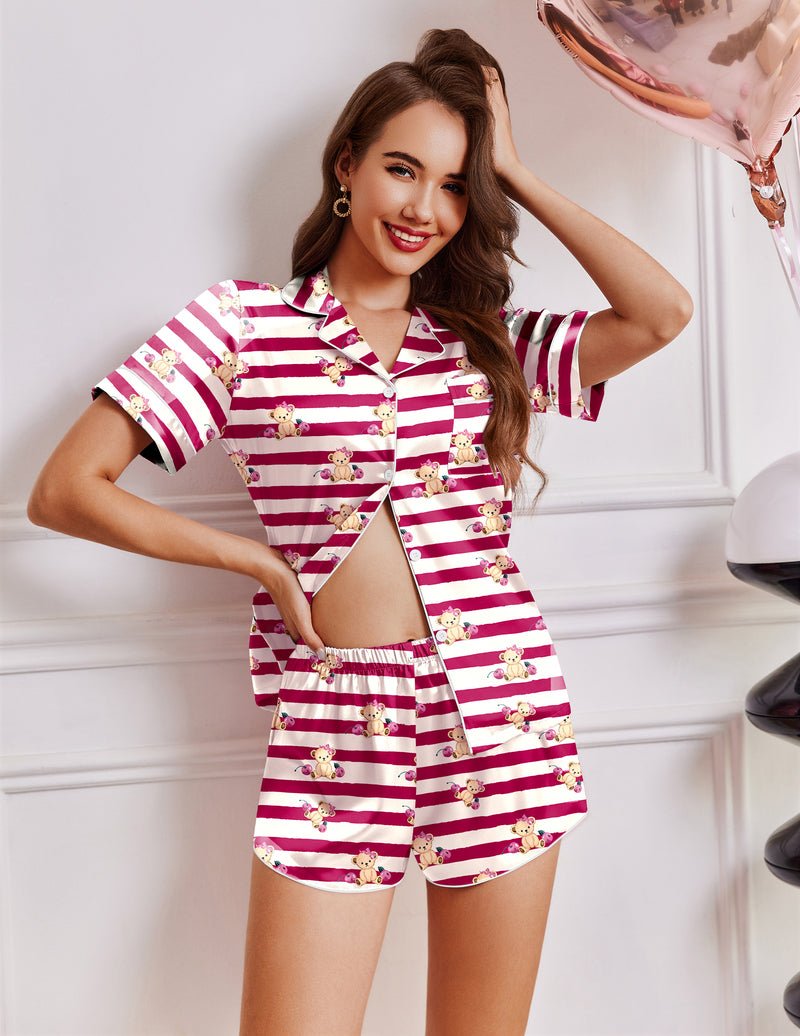
A: Yes — wide-leg cotton or knit pajama pants with a minimal print or solid color read as casual loungewear in most contexts. A clean waistband and tailored-looking wide leg are the features that make the difference between "clearly pajamas" and "casual lounge pants." Avoid prints that are obviously nightwear-specific (cartoon animals, novelty prints) if cross-wear is a priority.
Q: How many pajama pants do I actually need?
A: For regular use: 3–4 pairs allows a full week without laundry pressure. If you wear them for both sleeping and morning lounging, they accumulate wear faster — 4 pairs is the practical minimum for that use pattern. Buying a two-pack or three-pack at once typically reduces cost per pair significantly compared to single purchases.
Related Reading
-
Bamboo Pajamas vs. Cotton Pajamas: Which One Actually Sleeps Better?
-
Best Matching Lounge Sets for Women: From Bedroom to Errands (2026)
-
How to Find Pajamas That Fit Tall Women: The Ultimate Inseam Guide
-
Petite Pajamas Fabric Guide: Choosing Comfort Without the Bulk
About Ekouaer
Founded in 2014, Ekouaer designs sleepwear and loungewear with an emphasis on functional comfort and fabric safety. All fabrics carry OEKO-TEX® Standard 100 certification. Products have been featured in CNN Underscored, Forbes, and TODAY.com, and recognized with the Berlin Design Award and Mom's Choice Awards.