Maternity Robe vs Nursing Pajamas: What Do You Actually Need?

Late in pregnancy, it's tempting to buy one of everything "just in case." A more useful question is what each garment is actually for — because a maternity robe and a set of nursing pajamas solve genuinely different problems, and knowing which problem you're solving determines which one to prioritize first.
The short version: nursing pajamas are the higher-priority purchase for almost everyone, since they cover sleep and feeding — the two things happening most hours of the day in the early weeks. A maternity or postpartum robe is a layering piece, not a replacement — valuable for specific moments (hospital stay, visitors, cooler mornings) rather than as a primary garment. Most people end up needing both eventually, but rarely at the same time or for the same reason.
What Each One Is Actually Built For
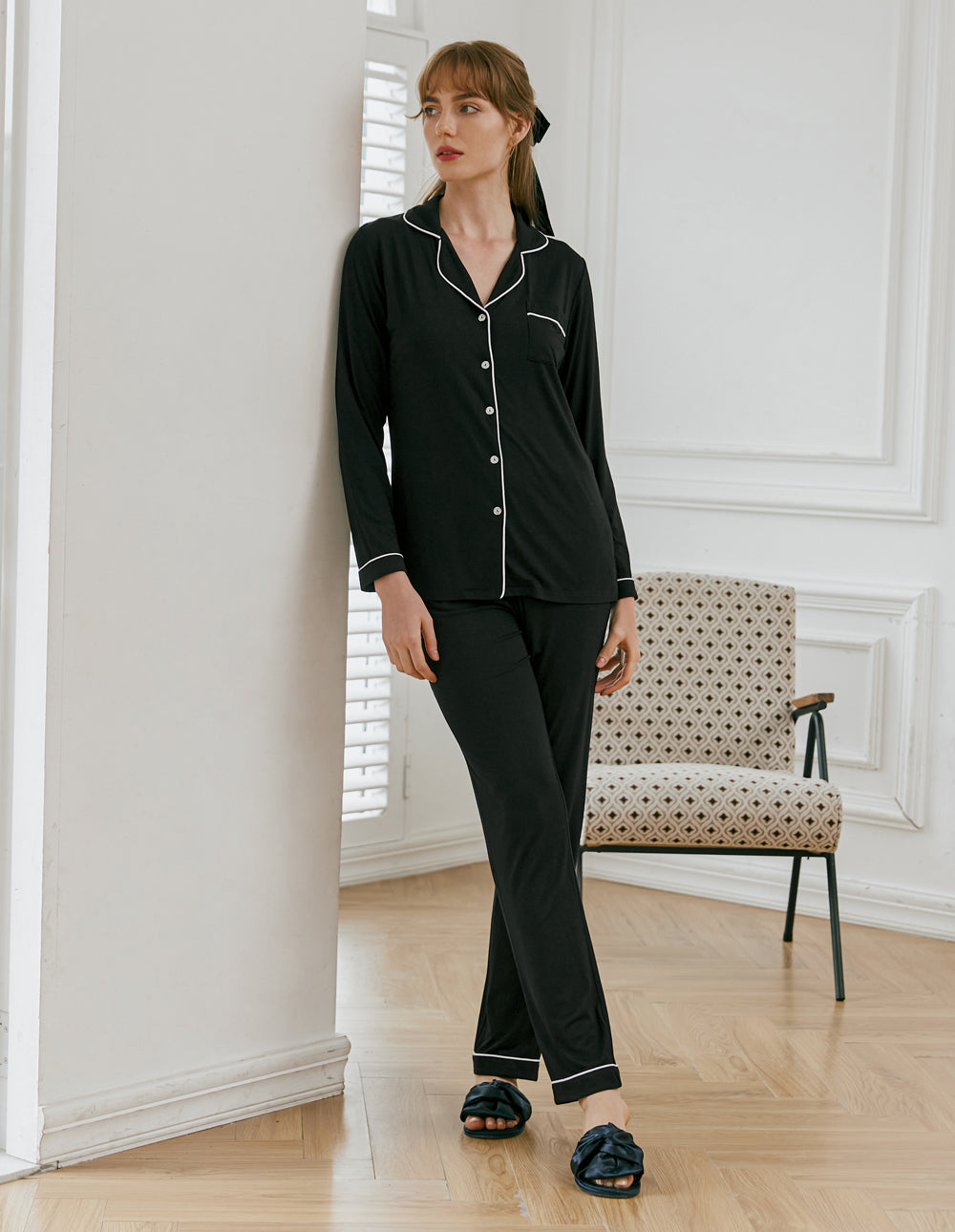
Nursing pajamas are a primary garment — what you're actually wearing to sleep and feed in, hour after hour. The nursing access is functional and constant: clip-down, pull-aside, or button-front designs built specifically around a baby feeding every 2–3 hours around the clock. This is the garment doing the most work in the early postpartum weeks.
A maternity or postpartum robe is a layering piece — worn over something else, for a specific window of time rather than continuously. Its job is coverage and warmth for moments outside the sleep-feed cycle itself: getting from bed to the bathroom, sitting with visitors, walking hospital hallways, or adding a layer over pajamas on a cold morning.
Neither one is a substitute for the other, which is really the core of the decision: the question isn't "which is better" but "which problem am I solving for."
The Practical Priority Order
Nursing pajamas first, for almost everyone. They cover the two activities — sleep and nursing — that dominate the early postpartum period by sheer volume. If you're choosing where to spend limited budget or hospital-bag space, this is the piece to prioritize.
A robe second, and situational. It becomes genuinely useful in a few specific scenarios rather than as an everyday essential:
-
Hospital stay. A robe worn over a hospital gown or nursing nightgown for hallway walks, visitor moments, and simply feeling more like yourself during a multi-day stay.
-
Cooler mornings or air-conditioned rooms. Layered over nursing pajamas when the room temperature doesn't match what you need under the covers.
-
Guests and photos. The layered, put-together look a robe adds over a simpler nightgown or cami set matters more when other people are around — family visiting, or the kind of early-days photos many parents want but don't plan to take in just a nursing top.

When You Genuinely Need Both
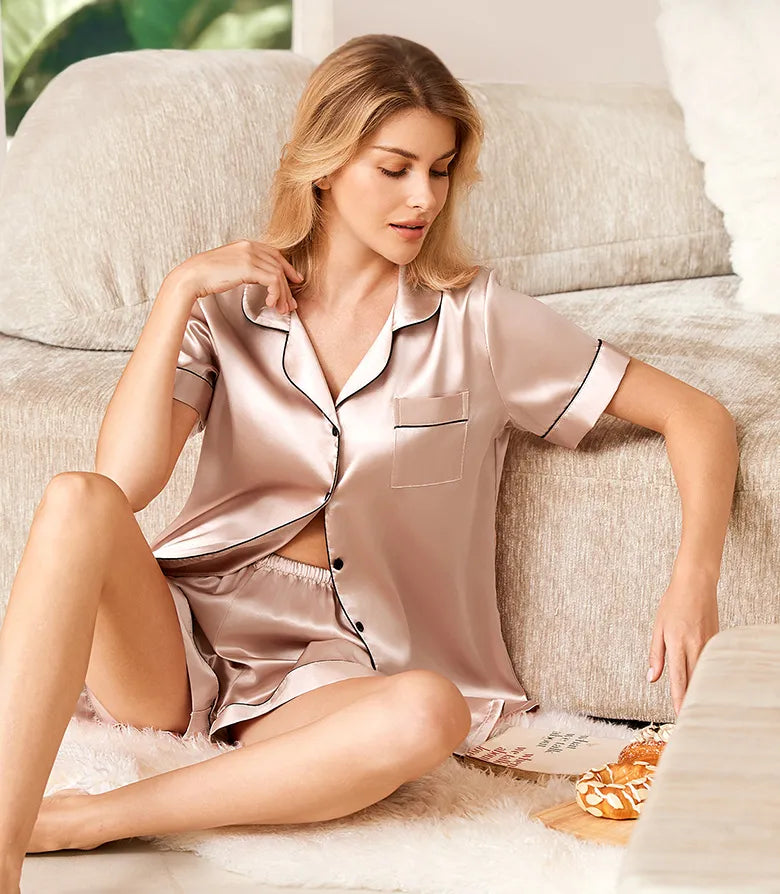
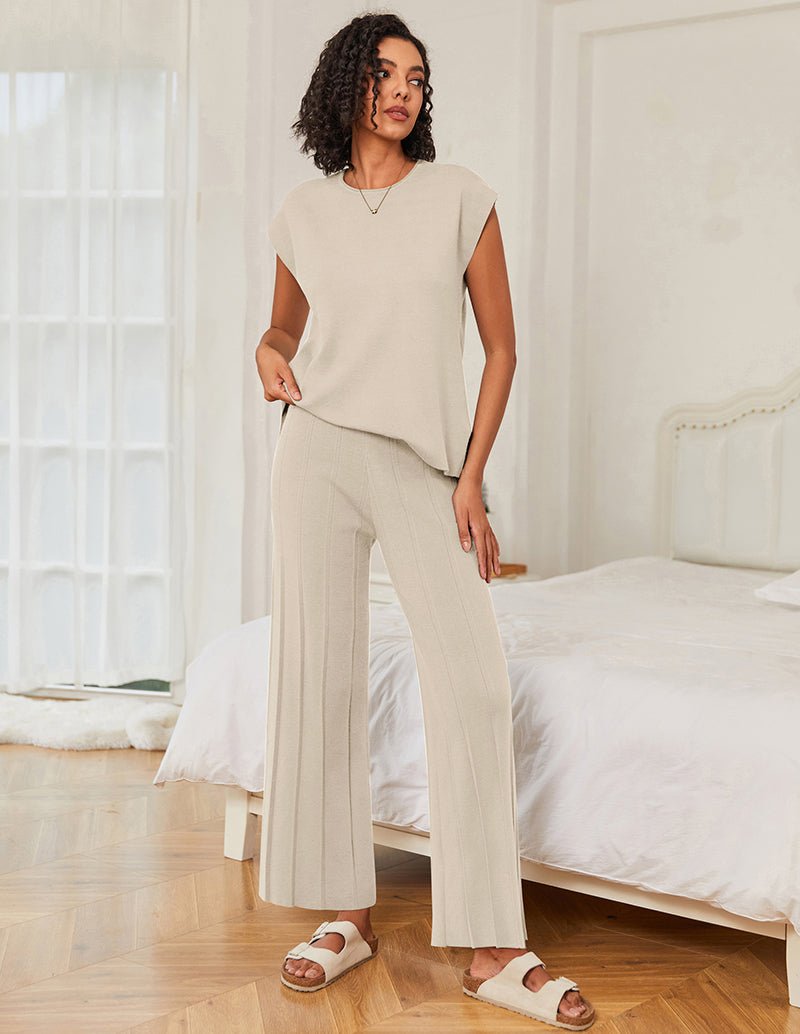
If your hospital stay involves visitors, if your home runs cool in early mornings, or if you simply want the option of looking slightly more put-together during the parts of the day people are around — both pieces earn their place. A maternity robe styled with a matching cami underneath, for instance, covers the layered, easy-access look useful for a hospital stay or early visitors, while the nursing pajamas underneath handle the actual sleeping and feeding.
The Ekouaer Soft Knee-Length Waffle Robe is built specifically with this crossover in mind — the brand lists maternity, postpartum, and hospital use directly among its intended occasions, with a lightweight waffle construction that layers over nursing pajamas without adding significant bulk or warmth in a typically overheated hospital room.
When You Can Reasonably Skip the Robe
If budget or packing space is genuinely limited, a robe is the piece to cut first. A loose, front-opening nursing nightgown does most of what a robe-over-pajamas combination does — coverage, easy movement, quick access — without requiring a second garment. This is especially true for a home birth or a short hospital stay with minimal visitors, where the specific scenarios a robe solves for simply won't come up as often.
FAQ
Q: Should I buy a maternity robe or nursing pajamas first?
A: Nursing pajamas, for almost everyone. They cover sleep and feeding — the two things happening most hours of the day in the early postpartum weeks — while a robe serves specific, situational moments rather than continuous wear.
Q: Do I need both a robe and nursing pajamas?
A: Often, yes, but not always. Both are genuinely useful if your routine includes hospital visitors, cooler mornings, or wanting a more put-together look during parts of the day people are around. If budget or space is limited, the robe is the more skippable of the two.
Q: Can a nursing nightgown replace both a robe and pajamas?
A: For many people, largely yes. A loose, front-opening nightgown covers sleep, feeding, and reasonable coverage for moving around the house, which reduces the practical need for a separate robe in lower-visitor, lower-formality situations.
Q: What should I look for in a maternity or postpartum robe specifically?
A: Lightweight fabric that won't add excessive warmth over nursing pajamas, a design explicitly suited to maternity and postpartum use (rather than a heavy winter robe), and easy-open construction that doesn't interfere with nursing access underneath.
Q: Is a robe necessary for a hospital bag?
A: Not strictly necessary, but genuinely useful if your hospital stay will involve walking hallways, receiving visitors, or wanting more coverage than a hospital gown or nursing nightgown alone provides. For a minimal hospital bag, it's a reasonable item to leave out.
Related Reading
About Ekouaer
Founded in 2014, Ekouaer makes sleepwear and loungewear with an emphasis on functional design and fabric safety. All fabrics carry OEKO-TEX Standard 100 certification — independently tested to be free of harmful substances, meeting requirements for skin-contact textiles. Products have been featured in CNN Underscored, Forbes, and TODAY.com.