
The Origin of Pajamas: A Short History of Sleepwear

The word pajama is borrowed, not invented. It comes into English from Hindi and Urdu, which borrowed it from Persian, and it originally referred to loose cotton trousers worn at home and at night across South and West Asia. The garment, not the word, is even older — versions of it appear across Mughal India, Ottoman Turkey, and Iran well before the British ever saw it.
What makes the word interesting is what happened to it after it arrived in Europe. Within a couple of centuries, pajama went from describing a specific pair of trousers to describing an entire category of sleepwear — top and bottom sets, nightgowns, robes. That shift is mostly a story about the late-Victorian middle class, the rise of ready-made clothing, and a fast-growing interest in hygiene and sleep as a separate part of the day.
This guide walks through that history in plain language — what the word actually means, where it came from, how it got to Europe, and why the modern category of sleepwear now extends past the bed into a much wider wardrobe.
Key Takeaways
Pajama comes from Hindi/Urdu, which borrowed it from Persian — the original word described loose cotton trousers worn at home and at night.
The garment has a long history across Mughal India, Ottoman Turkey, and Iran, well before European contact.
European pajama styles in the 19th century were shaped by British colonial exposure to Indian clothing and by the Victorian middle-class interest in sleep as a private activity.
The 20th century shifted pajamas from a tailored luxury to a mass-produced category alongside loungewear.
Modern sleepwear is no longer restricted to the bed — it has grown into a wider wardrobe category that overlaps with loungewear, athleisure, and homewear.
What Does "Pajama" Actually Mean?

In English, pajama refers to a loose two-piece set worn for sleeping. In its source languages, the word originally meant just the trousers — a loose drawstring garment worn by men across South and West Asia in the 17th and 18th centuries. The English plural form (pajamas) and the modern compound use (a pajama set) developed after the garment was imported to Europe.
For a fuller etymology, the Oxford Learner's Dictionary entry for pyjamas is a clean reference: it confirms the Persian origin, the Hindi/Urdu intermediate borrowing, and the late-19th-century English adoption.
The South Asian Roots of the Word

The Persian word payjama (sometimes written pāy-jāma) breaks into two parts: pāy, meaning leg, and jāma, meaning garment. So payjama literally means leg-garment — a literal pair of trousers. The same Persian root appears in related words across Turkic and Urdu, including Turkish and Indian use, which is why the garment appears in slightly different forms across Mughal, Ottoman, and Iranian wardrobes.
In South Asian use, the original payjama was a thin cotton trouser, often paired with a long tunic (the kurta) at home or in informal settings. It was worn by both men and women, usually for indoor or relaxed public wear. Sleeping pajamas in the modern European sense — a coordinated top and bottom set — did not yet exist as a category.
How Pajamas Came to Europe
European contact with the pyjama came through British colonial presence in India during the 18th and 19th centuries. British officers, travelers, and merchants encountered the loose cotton trousers and brought the word and the garment back to England, initially as exotic loungewear for the well-traveled.
By the mid-to-late 19th century, the garment had been adapted into a tailored two-piece set for men — the long-sleeve top and matching trousers we still recognize as pajamas. This was also the period when sleep was becoming a more private, more structured part of daily life, and middle-class homes began separating the bedroom from the rest of the house.
The history of the word is well documented in standard references. The Wikipedia entry on pajamas traces the Persian root and the British colonial import in more detail for readers who want to follow the citations further.
From Sleepwear to Loungewear: The Modern Evolution
By the early 20th century, pajamas were a standard men's sleepwear category in Europe and the United States, and a luxury women's category through the 1920s and 30s. Two big shifts shaped the modern form: ready-to-wear clothing in the 1920s made coordinated sets affordable, and synthetic fabrics in the 1960s and 70s widened the range of weights, colors, and price points.
Traditional pajama set
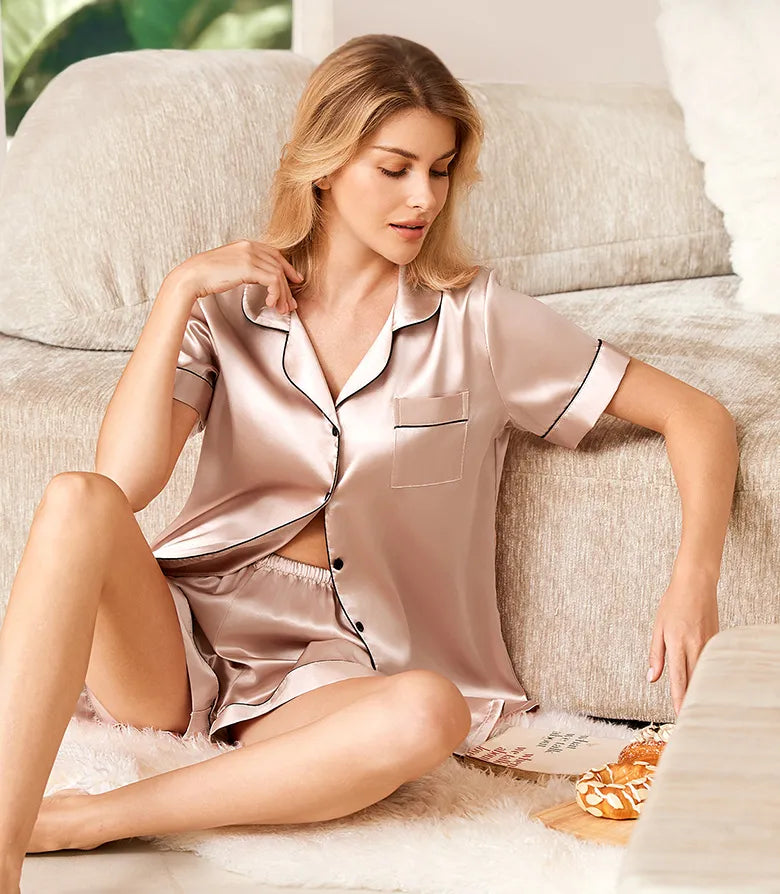
The classic pajama set is a long-sleeve button-down top and a straight-leg drawstring pant, in cotton, flannel, or silk. This is the form that survived from the Victorian adaptation through most of the 20th century, and it is still the reference point for many shoppers today.
Knit pajama set
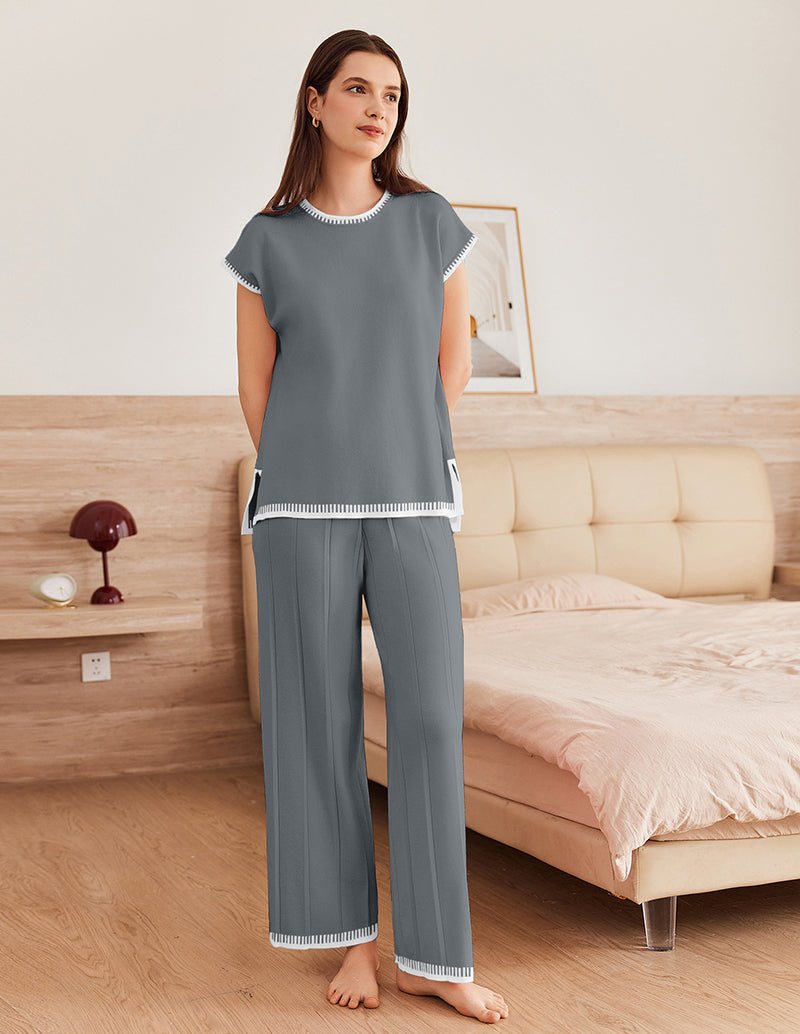
Knit sets, especially in waffle knit and thermal-weight knits, became popular in the mid-20th century as a more casual alternative to the tailored classic. Knit sets are softer, easier to care for, and read as more relaxed — they are now the dominant category for everyday sleepwear.
Waffle-knit pajamas

Waffle knit is a textured weave that traps warmth without weight. It became a sleepwear and loungewear favorite in the second half of the 20th century and is now the default pick for fall and winter sleepwear in many households.
Robes
The robe is technically a separate garment rather than a pajama, but it has been paired with pajamas since the 19th century. In modern wardrobes, the robe is often the first piece a shopper buys for someone else — it is a gift that gets used, requires no size-fitting, and works across seasons.
Why the Word Still Matters for Sleepwear Today
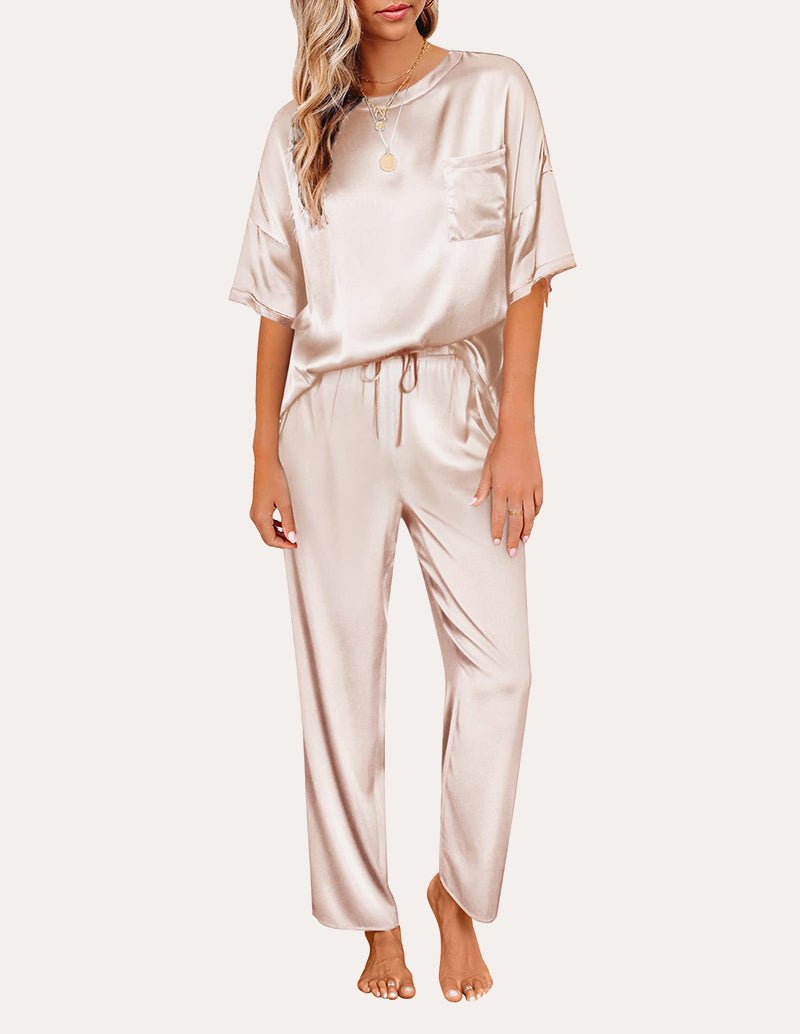
The reason the word pajama still matters is that it carries a specific expectation — a coordinated set designed to be worn in bed. When a brand uses the word today, it is borrowing that expectation, even if the actual product is a soft knit set or a satin nightgown rather than a tailored two-piece.
It also matters for search and shopping. Shoppers searching for pajamas are looking for a recognizable category — usually a coordinated top and bottom, often in a relaxed cut. Brands that use the word in product titles are signaling that the item belongs in that category, even if the silhouette has evolved beyond the 19th-century original.
What People Wore Before Pajamas
Before pajamas were a category, people wore whatever they had to bed — or very little. In much of pre-modern Europe, sleeping naked was common, especially in warmer climates. Where nightwear existed, it was usually a nightshirt: a loose pullover or buttoned top that extended past the knees. The nightshirt persisted well into the 20th century, particularly in colder regions.
In South and East Asia, sleepwear before pajamas varied by region. Loose cotton wraps, sari-like drapes, and unstructured tunics all served the role. The South Asian payjama and the East Asian hanfu-style inner garment were different categories, but they shared a function — indoor and nighttime wear that was loose, breathable, and easy to wash.
Pajamas in the 20th and 21st Centuries
The 20th century turned pajamas into a mass-market category. By the 1920s, ready-to-wear sets were affordable enough for middle-class households in Europe and the US, and the category expanded through the century into flannel, satin, knit, and thermal options. The 21st century added loungewear as an adjacent one. As work-from-home and relaxed-at-home wardrobes became normal, the line between pajamas and daytime homewear blurred.
Pajamas versus loungewear
Pajamas are still meant for sleep. Loungewear is meant for the rest of the day — sitting, working from home, slow weekends, errands. The fabrics and silhouettes overlap a lot, but the use case is different, and most shoppers keep some separation. A few pieces — a waffle-knit set, a soft cotton pullover — work in both roles, which is why modern sleepwear collections tend to blur the line on purpose.
What the History Says About Modern Comfort
The history of pajamas is mostly a history of comfort becoming acceptable. For most of the 19th century, comfort in sleepwear was a luxury of the well-off; by the 1920s it was a mass-market category; by the 21st century it had expanded into loungewear, athleisure-adjacent homewear, and slow-living wardrobes. Each step widened what was acceptable to wear at home and outside the home., founded in 2015, is a sleepwear-and-loungewear brand known for everyday comfort, inclusive sizing, and a strong celebrity-endorsement reputation.
That shift is visible in how contemporary brands present their lines. The Ekouaer x Vanessa Hudgens collaboration, for example, is presented as a sleepwear-and-loungewear capsule rather than as a strict bedtime category — a small but telling sign of how the boundary has moved.
Quick Summary of the Timeline
A short reference for the major moments in the history of the word and the garment.
• 17th–18th centuries — payjama used across Mughal India, Ottoman Turkey, and Iran as a loose cotton trouser.
• Late 18th–early 19th century — British contact with India brings the word and garment to Europe.
• Mid-to-late 19th century — tailored two-piece pajama set becomes a men's sleepwear category in Europe and the US.
• 1920s — ready-to-wear clothing makes pajamas a mass-market category.
• Mid-20th century — knit sets (waffle knit, thermal) become a casual sleepwear default.
• Late 20th–early 21st century — loungewear emerges as an adjacent category, blurring the line between sleepwear and daytime homewear.
Recommended Sleepwear Pieces That Trace the History
For shoppers interested in the modern end of this history, a few EKOUAER pieces work well. The Waffle-Knit Pajama Set is a clean example of the knit-pajama category that became popular in the mid-20th century. For a softer, more lived-in silhouette closer to modern loungewear, the Comfy Waffle-Knit Matching Sets sit in the overlap between pajamas and at-home wear. The Waffle-Knit Bathrobe adds the layered robe that has been a pajama companion since the 19th century.
Visual Snapshot
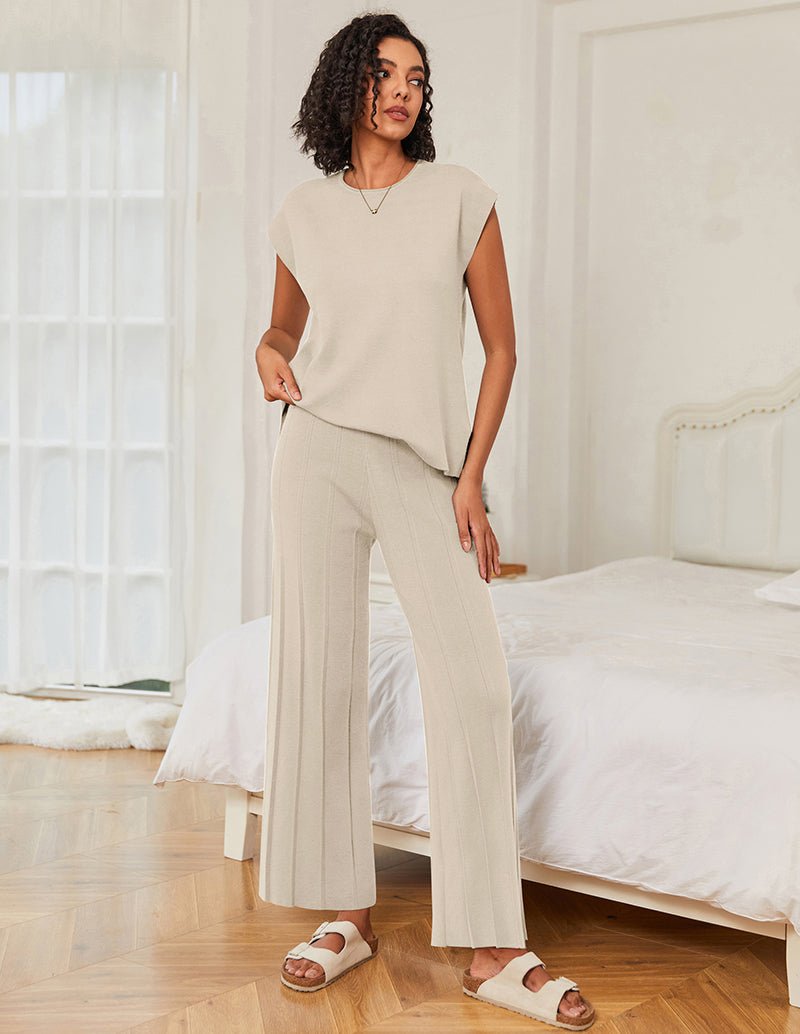
Image placeholder — lifestyle or product reference shot to be inserted by designer; suggested subject described in surrounding paragraph (alt-text: lifestyle/product reference image of 2026 Ekouaer pajama set or scene related to the article topic).
FAQ
Q: Where does the word pajama come from?
Pajama comes from Persian payjama (literally leg-garment), borrowed into Hindi and Urdu and then into English in the 19th century. The original word described a loose cotton trouser worn at home or at night, not the two-piece set we now call pajamas. See the Oxford Learner's Dictionary for the standard reference.
Q: Is pajama an English word?
A: It is a loanword — borrowed from Hindi/Urdu, which borrowed it from Persian. It has been used in English since the 19th century and is now treated as a standard English noun. American English uses the single-syllable spelling pajama; British English often uses pyjamas.
Q: What did people wear before pajamas?
A: In much of pre-modern Europe, people slept in very little or in nightshirts — loose pullover or buttoned garments. In South and East Asia, sleepwear varied by region and included cotton wraps, sari-like drapes, and unstructured tunics. The pajama category, as we know it is a 19th-century development.
Q: Who brought pajamas to Europe?
A: British colonial exposure to Mughal Indian clothing brought the word and garment back to England during the 18th and 19th centuries. By the mid-19th century, the tailored two-piece set had become a men's sleepwear category in Europe and the US.
Q: When did loungewear become a thing?
A: Loungewear as a distinct adjacent category emerged in the late 20th century and expanded significantly in the 2010s and 2020s with the rise of work-from-home and relaxed-at-home wardrobes. It overlaps with pajamas but is meant for daytime rather than sleep.
About EKOUAER

Ekouaer is a sleepwear and loungewear brand built on a simple idea: comfort should be something you live in, not something you save. With over a decade of loungewear design behind it, the brand is known for soft pajama sets, inclusive sizing, and approachable prices that make a small luxury feel everyday. Ekouaer has been recognized by outlets including Forbes Vetted and CNN Underscored for comfort and value, and the Ekouaer x Vanessa Hudgens "My Comfort Era" collaboration brought celebrity-level ease to the same easy-to-wear pieces. The focus stays on touchable fabrics, easy care, and styles that move from bed to couch to a quick errand without a costume change.
Ekouaer in the Press
Ekouaer has been featured in a range of fashion, lifestyle, and shopping publications. Explore recent coverage and independent mentions:
Today — Where to Find the Most Comfortable Pajamas for Women (Featuring Ekouaer)
AOL — Vanessa Hudgens Summer Styling Hack Featuring Ekouaer
BarChart — Vanessa Hudgens Joins Ekouaer as Brand Friend to Launch My Comfort Era
Oprah Daily — The Best Pajamas for Women (Featuring Ekouaer Picks)
Related Reading
Pajama Day: Meaning, Dates, and Easy Ways to Take Part
What Pajama Day is, when it falls, and how schools, workplaces, and families observe it.
Matching Pajamas for Couples: How to Coordinate Without Looking Identical
How to pick two sleepwear sets that read as a couple without forcing identical prints.
Pajamas as a Gift: Occasions Beyond the Birthday
The occasions where pajamas are the right gift — and how to pick a set that actually gets worn.
How to Style Sleepwear Outside the Bedroom
Modern sleepwear is doing more than sitting by the bed. Here is how to take it into the rest of the day.