

Third Trimester Sleep Guide: How to Actually Get Comfortable at Night

By the third trimester, most pregnant women have heard some version of "sleep now while you still can." It's well-meaning advice that misses one important detail: sleeping in the third trimester is genuinely difficult.
The short version: ACOG recommends side sleeping with a pillow between the knees and another under the belly from the second trimester onward, and the UK charity Tommy's — citing six separate research trials — advises going to sleep on your side after 28 weeks specifically because back-sleeping is linked to a higher risk of stillbirth. Beyond positioning, most third-trimester sleep problems (heartburn, leg cramps, restless legs, night sweats, breathlessness) have specific, evidence-based management strategies that go well beyond "just try a body pillow."
This guide covers positioning, disruptor-by-disruptor management, what to wear to minimize thermal disruption, and how to build a sleep environment that works with a near-term pregnant body rather than against it — with sleepwear options from Ekouaer's maternity and nursing collections woven in where the fabric or fit genuinely matters.
Sleeping Position in the Third Trimester: What the Research Actually Says
This is the first thing to understand clearly, because advice online ranges from correct to anxiety-inducing to oversimplified.
ACOG's official guidance states that sleeping on your side during the second and third trimesters may be best, with one or both knees bent, a pillow between the knees, and another under the belly — or a full-length body pillow for support. The reason: lying on your back in late pregnancy can compress the inferior vena cava, the major blood vessel that returns blood from the lower body to the heart, which can reduce blood flow to the uterus and cause dizziness.
Tommy's, whose guidance is informed by six separate research trials, is more direct: after 28 weeks, going to sleep on your back is linked to a roughly 2.6-times higher risk of stillbirth, and their advice is to go to sleep on your side for any sleep episode after 28 weeks — including daytime naps.
On left-versus-right: The Bump's pregnancy sleep guide, citing OB-GYN Dr. Sara Twogood of Cedars-Sinai, notes that left-side sleeping is generally preferred because it optimizes blood flow to the uterus and placenta — but that switching between sides during the night is fine.
The practical reassurance that matters most: if you wake up on your back, you don't need to panic. As one obstetrician explains in The Bump's guide, being on your back in the third trimester compresses blood flow enough that you'll typically feel uncomfortable and wake up before it becomes a problem — you likely weren't there long. Just roll onto your side and go back to sleep.

The Body Pillow Setup That Actually Works
A body pillow is the single highest-impact investment for third-trimester sleep. The goal isn't just belly support — it's a supported lateral position that stays comfortable when you shift during the night without requiring full consciousness to readjust.
The most effective setup, drawing from ACOG's recommendations:
|
Placement |
What It Does |
|---|---|
|
Between the knees |
Keeps hips aligned; relieves hip and lower back pressure from extended side-lying |
|
Under the belly |
Prevents belly weight from pulling the lower spine forward; reduces hip flexor and back pain |
|
Behind the back |
Prevents rolling backward onto the spine without requiring conscious effort |
A U-shaped or C-shaped pregnancy pillow covers all three positions at once and is the most practical choice for the third trimester, when waking repeatedly to reposition individual pillows becomes its own source of disruption.
Managing Each Third Trimester Sleep Disruptor
|
Disruptor |
How Common |
What Helps |
|---|---|---|
|
Heartburn |
Common as digestion slows in late pregnancy |
Smaller meals, avoid greasy/spicy food, leave time before lying down, wedge pillow to elevate 6–8 inches, left-side sleeping |
|
Leg cramps |
Dorsiflexion stretch (flex foot toward shin) for immediate relief; daytime hydration; calf stretches before bed; ask your provider about calcium/magnesium |
|
|
Restless legs syndrome |
Up to 1 in 3 women in the third trimester (Sleep Foundation) |
Daily light exercise, cool room, no caffeine after early afternoon, leg massage before bed; ask your provider about iron levels |
|
Frequent urination |
Near-universal in the third trimester |
Shift fluid intake earlier in the day; taper after dinner; left-side sleeping improves daytime kidney filtration |
|
Night sweats |
Affects a large share of third-trimester pregnancies |
Cool room (65–68°F / 18–20°C), breathable moisture-wicking sleepwear, light bedding |
|
Shortness of breath |
Common as the diaphragm is compressed |
Partial upper-body elevation (wedge pillow) combined with side-lying |
Heartburn and Acid Reflux
As the digestive system slows in late pregnancy, many pregnant women develop heartburn — acid rising through the esophagus, worse when lying flat. Left-side sleeping specifically helps because it positions the stomach lower than the esophagus, letting gravity keep acid in place; right-side sleeping has the opposite effect. A wedge pillow that elevates the entire upper body by 6–8 inches works more reliably than stacking standard pillows, which tend to slide into a neck-craning position by the middle of the night.
Leg Cramps
Healthline's pregnancy leg cramps guide puts the prevalence plainly: nearly half of all pregnant women report muscle spasms by the third trimester, typically at night, in the calf, foot, or both. For immediate relief, flex the foot upward toward the shin (dorsiflexion) rather than pointing it — this provides faster relief than pointing the foot. Standing and putting weight on the leg can also help; warmth afterward reduces residual soreness. For prevention: stay well-hydrated during the day, do standing calf stretches before bed (30-second hold, both sides), and talk to your OB or midwife about magnesium and calcium if cramps are frequent.
Restless Legs Syndrome (RLS)
Sleep Foundation data suggests as many as 1 in 3 women experience restless legs syndrome in the third trimester — an irresistible urge to move the legs that appears most strongly at rest, making it, as the Sleep Foundation puts it, "virtually impossible to get to sleep." RLS during pregnancy has been linked in some research to iron deficiency, which is worth raising with your midwife or OB, since iron levels can be checked and supplemented if needed. Regular daily walking or light exercise (stopping well before bed), a cool sleep environment, avoiding caffeine in the afternoon and evening, and gentle leg stretches or massage before bed all have reasonably consistent backing.

Frequent Urination
There's no way to eliminate nighttime urination in the third trimester — the growing uterus pressing on the bladder is a physical constraint no lifestyle adjustment fully resolves. But shifting most fluid intake earlier in the day, then tapering from dinner onward, reduces the volume available for overnight processing without compromising total hydration. Avoiding caffeine in the afternoon and evening compounds the effect. Left-side sleeping also improves daytime kidney filtration efficiency, meaning less accumulates for overnight processing.
Night Sweats and Thermal Disruption
The third trimester brings peak thermoregulatory disruption — elevated progesterone raises baseline body temperature while elevated estrogen triggers sweating as a compensatory cooling response. Combined with the physical warmth of a near-term baby, this makes heavy pajamas and warm bedding genuinely counterproductive. Core temperature needs to drop to initiate and maintain deep sleep, so fabric that supports cooling rather than trapping heat is directly relevant to how quickly you fall asleep — not just how comfortable you feel during a sweat episode.
Shortness of Breath
Many women experience shortness of breath lying flat in the third trimester as the uterus elevates the diaphragm and reduces lung expansion. The fix is partial elevation — the same wedge setup used for heartburn reduces diaphragm compression by letting abdominal contents shift slightly forward when the upper body is elevated. Side-lying with the upper body slightly elevated typically resolves breathlessness enough for comfortable sleep, even when it's notable while lying flat.
What to Wear: Third Trimester Sleepwear That Works
The third trimester has specific sleepwear requirements that earlier pregnancy and regular sleepwear don't fully address.
The non-negotiables:
-
No waistband pressure. Even waistbands that were comfortable earlier in pregnancy can become restrictive by the third trimester. A loose nightgown eliminates this completely.
-
Loose across the belly. Fitted fabric restricts the frequent repositioning that happens overnight; a loose, flowing silhouette adjusts naturally.
-
Breathable for night sweats. Fabric that wicks moisture and supports skin cooling is functional, not just comfortable, at this stage.
-
Front-opening or easy overhead removal. Getting dressed at 3 a.m. in the dark with a large belly and hip stiffness — anything complicated becomes an obstacle.
The best formats for the third trimester:
The Ekouaer Bamboo Viscose Sleep Shirt with Chest Pocket is the strongest single option for this stage specifically. Bamboo viscose maintains skin surface temperature roughly 1°C lower than cotton and wicks moisture markedly faster — the two functional differences that matter most when night sweats peak. The loose shirt format has no waistband pressure, adjusts naturally to belly size, and transitions directly into postpartum without needing replacement.
The Ekouaer Short Sleeve Maternity Nursing Dress Nightgown covers the third trimester and postpartum in one purchase — the A-line cut accommodates the belly, short sleeves reduce heat retention, and built-in nursing access means it's immediately functional after birth.
The Ekouaer Button-Down Nursing Nightgown V-Neck Maternity Dress works well for women who run hot — the V-neck and button-down front allow airflow adjustment overnight, and the front opening means no overhead removal during 3 a.m. bathroom trips. Browse the full maternity and nursing collections for more third-trimester-ready styles.
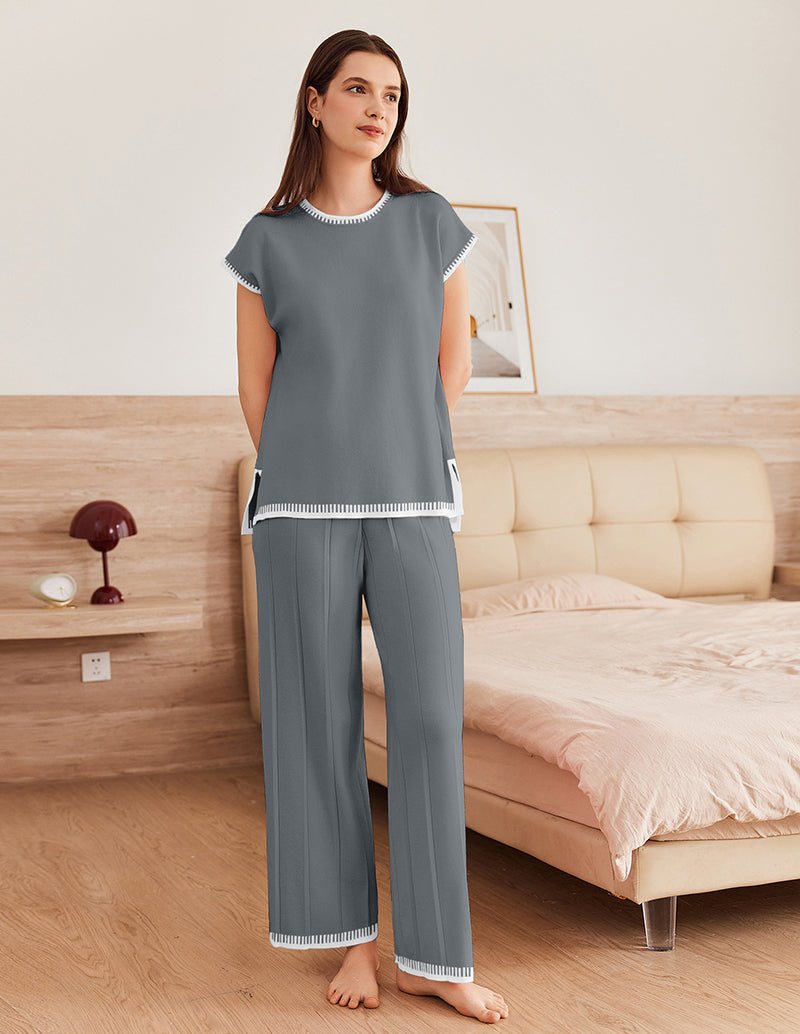
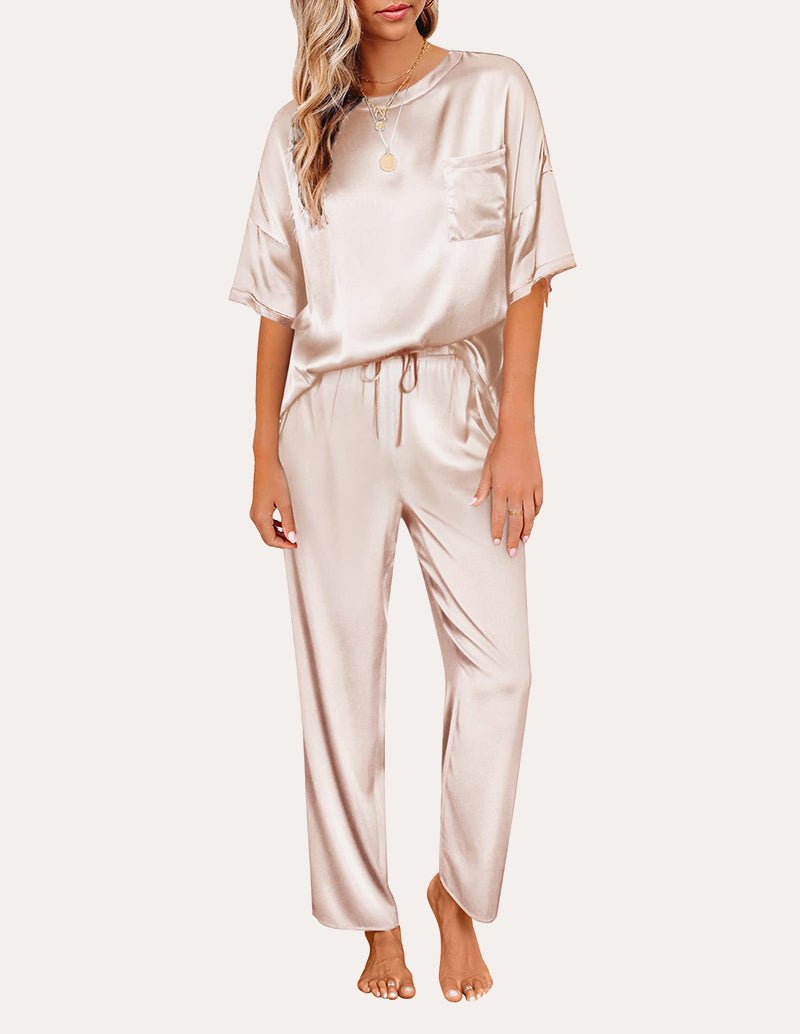
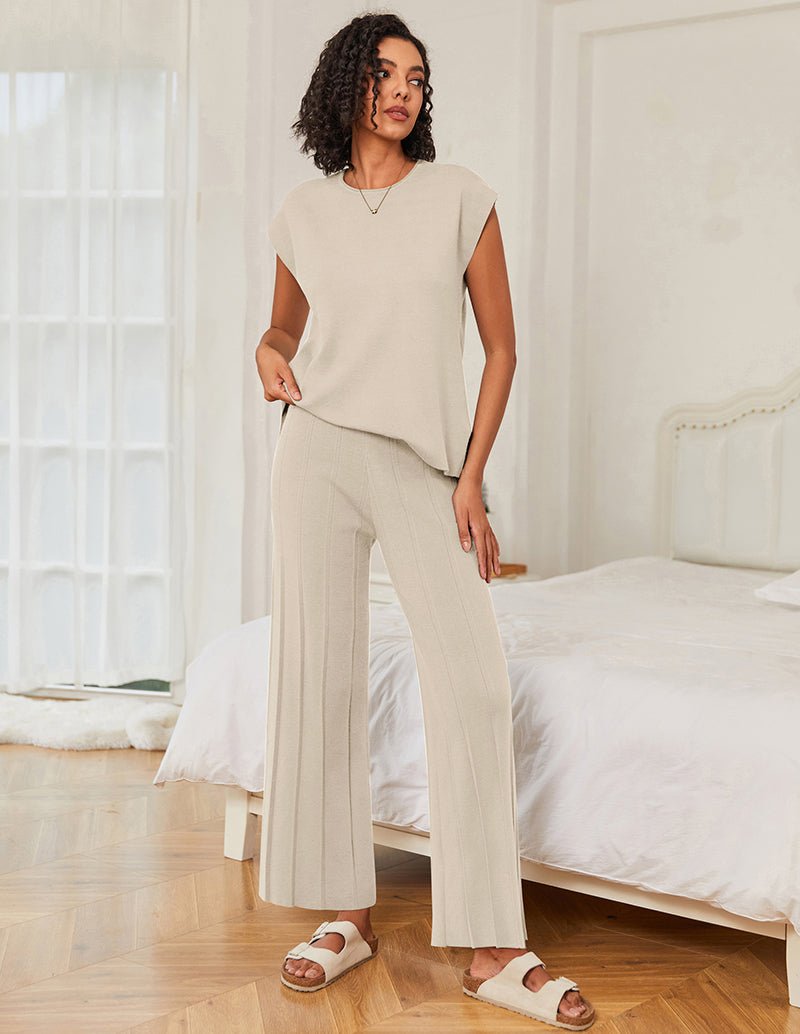
What to avoid: Tight-waisted pajama sets that were comfortable earlier but create belly pressure by week 32–34; heavyweight cotton or flannel that adds insulating warmth to an already-warm thermal environment; anything requiring real effort to put on or take off in the dark.

Building Your Third Trimester Sleep Environment
Room temperature: Aim for a cool, dark environment — 65–68°F / 18–20°C is a commonly cited target range. In the third trimester, erring toward the cooler end is appropriate given the elevated baseline temperature and night sweat risk.
Bedding: A single lightweight cotton or bamboo sheet rather than a heavy duvet gives you something to push off quickly during a sweat episode without fully waking.
Nightstand setup: Keep water, a spare set of sleepwear if night sweats are significant, any provider-approved heartburn or leg cramp remedy, and your phone within arm's reach — minimizing the distance to travel at 3 a.m. reduces full-awakening.
Light management: A dim nightlight in the bathroom — enough to navigate safely, not enough to signal morning to your brain — reduces the odds that a 3 a.m. bathroom trip turns into 45 minutes of lying awake.
A Note on Anxiety and Sleep
Anxiety about labor, birth, and becoming a parent is a significant but often underacknowledged component of third-trimester sleep disruption. The physical strategies above address physical disruptors; cognitive arousal — racing thoughts, birth fears, logistical worries — responds to different approaches. Structured pre-bed wind-down routines involving something cognitively engaging but not stimulating (a physical book, light stretching, a low-key podcast) can reduce mental activation. Writing down specific worries before bed — offloading them from working memory — has a small but consistent evidence base for reducing sleep-onset cognitive arousal. For more on hormonal and anxiety-driven insomnia mechanisms across all three trimesters, see our pregnancy insomnia guide.

Comfort as a Standard, Not a Compromise
By the third trimester, "getting comfortable" stops being a small ask — it's a nightly negotiation between a body that's doing enormous work and a wardrobe that mostly wasn't built for it.
That's the space Ekouaer's My Comfort Era campaign with actress Vanessa Hudgens is speaking to. "Done proving. Ready for real comfort" is the campaign's line — and for anyone repositioning three pillows at 2 a.m. just to fall back asleep, it lands less like a slogan and more like a fairly literal description of what the third trimester actually asks for: comfort that's engineered for the body you have right now, not the one from six months ago.
(Follow the campaign: Instagram · Facebook · TikTok)
FAQ
Q: What is the best sleeping position in the third trimester?
A: ACOG recommends side sleeping with one or both knees bent, a pillow between the knees, and another under the belly for support. Tommy's, citing six independent research trials, specifically advises sleeping on your side rather than your back after 28 weeks for all sleep episodes, including naps. Left side is often cited as preferred for circulation, but The Bump's guide confirms switching between sides during the night is fine.
Q: What if I keep waking up on my back in the third trimester?
A: Don't panic. Being on your back in the third trimester compresses blood flow enough that most women feel uncomfortable and wake up before any harm occurs — you likely weren't there long. Roll onto your side and go back to sleep. A U-shaped pregnancy pillow behind your back can help prevent rolling backward in the first place.
Q: How do I sleep with a big belly in the third trimester?
A: A U-shaped or C-shaped body pillow supporting the belly, hips, and back simultaneously is the most consistently effective solution. ACOG specifically recommends a pillow between the knees and under the belly. Loose, non-waistbanded sleepwear removes an additional source of overnight discomfort.
Q: What helps with leg cramps at night during pregnancy?
A: For immediate relief, flex the foot upward toward the shin (dorsiflexion) rather than pointing it. For prevention: stay well-hydrated, sleep on the left side, do calf stretches before bed, and ask your provider about calcium or magnesium supplementation if cramps are frequent.
Q: How do I manage heartburn at night when pregnant?
A: Eat smaller meals, avoid greasy or spicy food, leave time between your last meal and lying down, and use a wedge pillow to elevate the head of the bed. Left-side sleeping specifically helps because it positions the stomach below the esophagus, using gravity to keep acid in place.
Q: What should I wear to bed in the third trimester?
A: Loose, breathable sleepwear with no waistband pressure. Bamboo viscose handles third-trimester night sweats most effectively, maintaining a slightly cooler skin surface and wicking moisture faster than cotton. A loose nightgown or sleep shirt without fitted elastic across the belly works across the remaining weeks and transitions naturally into postpartum use.
Related Reading
-
Hormonal Insomnia Analysis: Why Pregnant Women Cant Sleep Science
-
Zonal Thermal Optimization: Cooling Pajamas for Hot Sleepers
-
Sizing Evaluation Logic: Plus Size Pajamas Fit Comfort Guide
About Ekouaer
Founded in 2014, Ekouaer makes sleepwear and loungewear with an emphasis on functional design and fabric safety. All fabrics carry OEKO-TEX Standard 100 certification — independently tested to be free of harmful substances, meeting requirements for skin-contact textiles. Products have been featured in CNN Underscored, Forbes, and TODAY.com.
Ekouaer in the Press
-
Reuters: Vanessa Hudgens fronts the My Comfort Era global campaign
-
PopSugar: Strategic styling and adaptive lounge layers in the new fashion collection
-
The Fox Magazine: Flexible lounge packing strategies for variable climates
-
The Inscriber Mag: Hidden honeymoon and bachelorette travel wardrobe essentials