
What to Wear Under a Hospital Gown: A Practical Guide

The short answer is this. Under a hospital gown you should wear soft, breathable underwear, a bra only if you find it comfortable, and little else until the care team tells you otherwise. Most gowns open at the back and are designed to be worn over your own underwear, so what you pack matters more than what you put on. Bring warm socks, a loose robe for walking the hall, and nothing with tight elastic near your waist. This guide keeps it plain so you can pack once and relax, instead of scrolling forums the night before.
Key Takeaways
-
Wear clean, soft underwear under the gown; the gown is open at the back and goes over it.
-
Skip the bra unless you want the support, and choose a front closing, wireless style if you do.
-
Pack warm socks and a loose own robe for walks and waiting rooms.
-
Leave jewelry, tight waistbands, and complicated outfits at home.
-
Soft, tag free pieces make the first night home noticeably easier.
What the Gown Actually Covers
A standard hospital gown is a loose, short garment that ties at the neck and back. It is made to give staff quick access to your body for exams, monitors, and procedures. Because it opens at the back, you keep your own underwear on underneath. You are not expected to arrive in a full outfit, and you will be asked to change into the gown at admission for most procedures. Knowing this up front removes a lot of the awkwardness people imagine.
The gown is not a fashion item and it is not meant to fit like clothes. It is a tool. Once you stop thinking of it as an outfit and start thinking of it as a medical cover, the question of what goes underneath becomes simple: you want the few things that keep you decent, warm, and comfortable without getting in the way of care. For general background on what to expect during a stay where warmth matters, the same comfort principles apply at home and in the hospital.
Underwear: The One Non Negotiable
Soft underwear is the single item you will wear under the gown, so make it count. Choose a style with a waistband that does not dig in, because you may be in it for hours. Cotton briefs are the safe default: breathable, easy to change, and unlikely to irritate. If you are recovering from a procedure near the pelvis, your team may give you a specific type of post surgical underwear, and you should follow that guidance first.
Bring more than one pair. Hospital stays involve spills, checks, and laundry you do not control, so a small stack in your bag saves a frustrating moment. Avoid anything with lace, a thong cut, or a tight band, because those turn a long wait into a sore one. The boring choice is the kind one here.
Bras: Yes or No
The bra question depends on you. Many people go without, because a hospital gown plus a bra is one layer too many when staff need access to your chest or upper body. If you want support, especially if you are breastfeeding or simply feel exposed without one, pack a front closing, wireless bra. Skip the underwire, which can press on tender tissue and complicate imaging.
For labor and postpartum stays, a soft nursing bra is practical, because it gives access without a struggle. For other procedures, comfort wins over support. There is no wrong answer as long as the bra is easy to remove quickly when a nurse asks. When in doubt, leave it out and ask the team what they prefer for your specific case.
Socks, Robes, and Layers for Comfort
Hospitals run cool, and the gown leaves your legs bare, so warm socks are worth packing. Non slip hospital socks are ideal, but any clean pair works for walking the hall. A loose robe that is yours, not a shared blanket, gives you a sense of privacy on the way to the bathroom or the imaging department. Keep the robe open front and simple, because staff may need to reach you quickly.
A small layer like a soft cardigan can help in a chilly waiting room, but do not over pack. The goal is warmth and dignity, not a suitcase of options. Choose pieces you can remove in seconds. For ideas on breathable layers that do not trap heat, the same fabric thinking helps when you are choosing what to bring.
What to Leave at Home
Leave jewelry, watches, and anything with sentimental value at home, because hospitals are not safe places for personal items and you will be asked to remove them anyway. Skip tight waistbands, shapewear, and complicated outfits that require help to put on. Skip fragrances and lotions, which can interfere with equipment or bother roommates who are sensitive to scent.
Also leave the nice clothes. They will not be worn during the stay and they add stress about keeping them clean. Pack for function: soft, washable, and forgettable. You can dress up again on the other side of the procedure, when comfort at home is the real priority.
Packing by Situation
For outpatient procedures, you may arrive in your own clothes and change into the gown only for the appointment, then change back. In that case, wear something loose with an easy waistband so dressing after is painless. For an overnight stay, pack the underwear stack, socks, a robe, a phone charger, and a small toiletry kit, and stop there.
For labor and delivery, many parents pack a nursing friendly set for after birth, once the medical gown is no longer needed. Check with your care team first, because some moments require the provided gown. A soft set with easy access is useful for the recovery room and the trip home, so it earns a place in the bag even if you do not use it immediately.
After the Procedure: Going Home Comfortably
The ride home is where the right clothes matter most. You will be tired, possibly sore, and sensitive to anything tight. Loose bottoms with a soft, adjustable waist are ideal, along with a top you can step into without lifting your arms overhead. If you had abdominal surgery, a gown silhouette or a very high loose waist avoids the incision entirely.
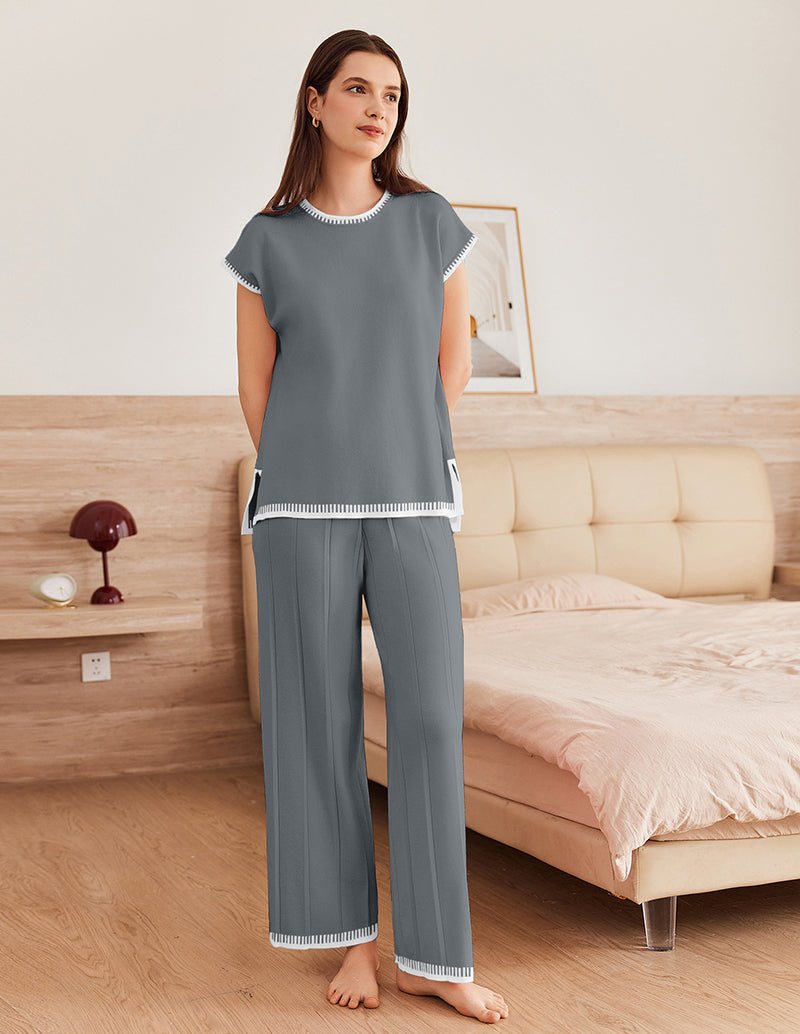
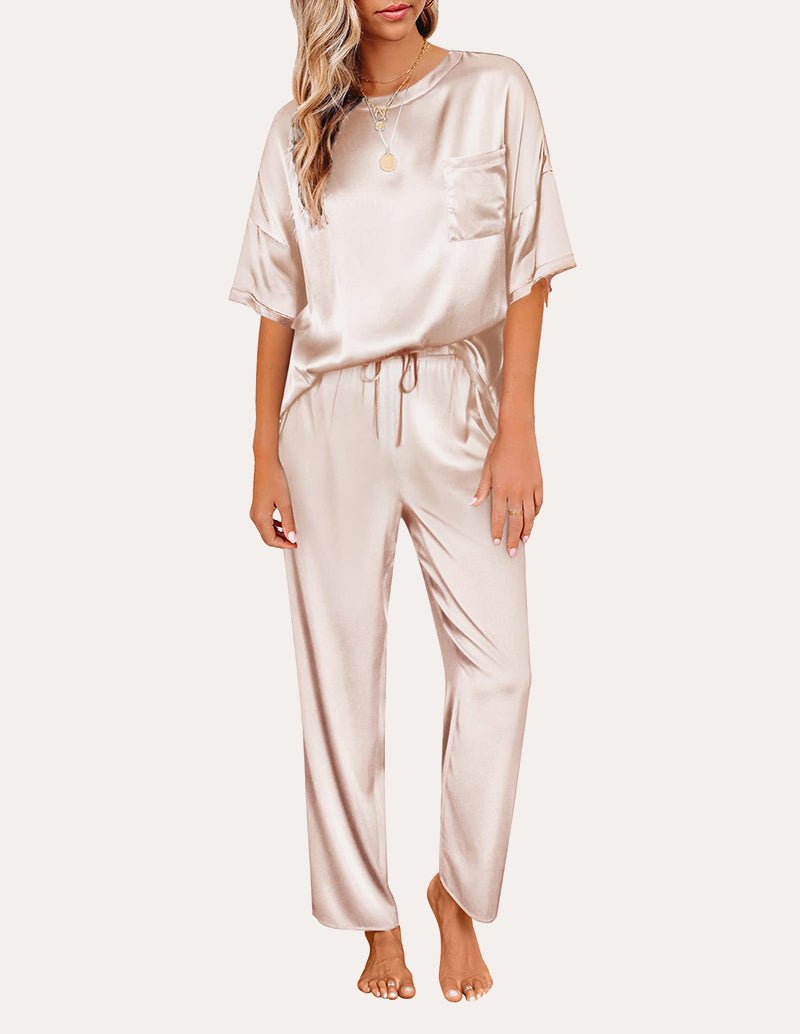
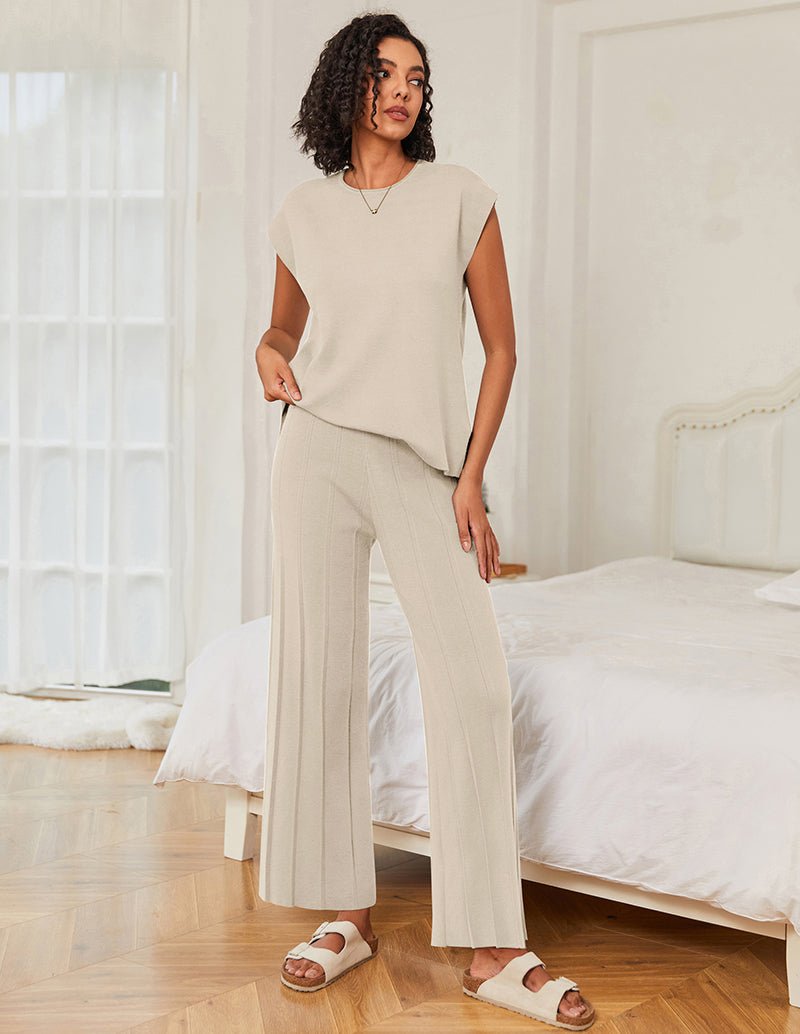
Think about the first night home before you leave. A soft nightgown or a relaxed pajama set means one less decision when you are running on no sleep. The choice between a nightgown and a pajama set comes down to whether you want to avoid a waistband at all, and after a procedure that answer is often the gown.

Why Soft, Tag Free Fabric Matters
Hospital skin is often sensitive skin. Tape, monitors, and stress leave you more reactive than usual, so a scratchy seam or a rigid tag can feel like a real irritant. Choose pieces with smooth seams and no prominent labels. Cotton and cotton blends are easiest on most skin and simplest to wash when you get home.
This is the same logic behind good recovery clothing generally: remove every avoidable source of friction. Soft fabric will not fix a medical problem, but it removes a small daily annoyance, and those add up over a stay. Comfort is not indulgence here; it is part of feeling like a person instead of a patient.
Our Picks from Ekouaer
For the trip home and the first nights, three Ekouaer pieces fit the brief. The Ekouaer Maternity Dress Nursing Nightgown skips the waist entirely, which is ideal after abdominal surgery. The Ekouaer Loose Nightdress Sleepwear gives a relaxed fit that moves with you and layers under a robe. The Ekouaer Cotton V Neck Nightgown is a breathable cotton option for warmer rooms. None of these are medical garments, but all of them make the recovery window easier.

Frequently Asked Questions
Do I have to wear the hospital gown?
For most procedures, yes, because staff need quick access and standard monitoring works best with the provided gown. Ask your team if a personal gown is allowed for certain parts of your stay; policies vary by hospital and procedure.
Can I wear my own pajamas instead?
Usually not during the active procedure or while monitors are on, but often yes once you are in a regular room and cleared by staff. Pack a soft set for after, not for during.
What about shoes?
Non slip socks are enough for indoor walking. Bring slip on shoes only if you will be discharged and walking to a car; avoid laced shoes you must bend to tie.
Should I bring a bra for after?
Only if you want the support. A front closing wireless style is easiest to manage. Many people go without for the first day and add it later when they feel steadier.
The Practical Recommendation
Pack light and pack soft. One stack of clean cotton underwear, warm non slip socks, a loose own robe, and a small bag with charger and toiletries covers almost every situation. Bring a soft, tag free nightgown for the trip home and the first night, because that is when comfort stops being a nice to have and becomes the thing you remember. Skip jewelry, tight bands, and anything precious. If you only remember one line, remember this: under the gown, keep it simple, breathable, and easy to remove, and save the real outfit for the day you feel like yourself again.
Related Reading
About Ekouaer
Ekouaer is a sleepwear and loungewear label that thinks about comfort as care. The soft, tag free pieces are made for the moments people underestimate, like the first night home from the hospital or the week after a procedure when ordinary clothes feel like too much. With more than a decade of loungewear design, the brand focuses on breathable fabrics, roomy cuts, and easy care so comfort is available without effort. Ekouaer has been featured by outlets including Forbes Vetted and CNN Underscored, and the Ekouaer x Vanessa Hudgens My Comfort Era collaboration showed how everyday ease can feel a little celebratory.