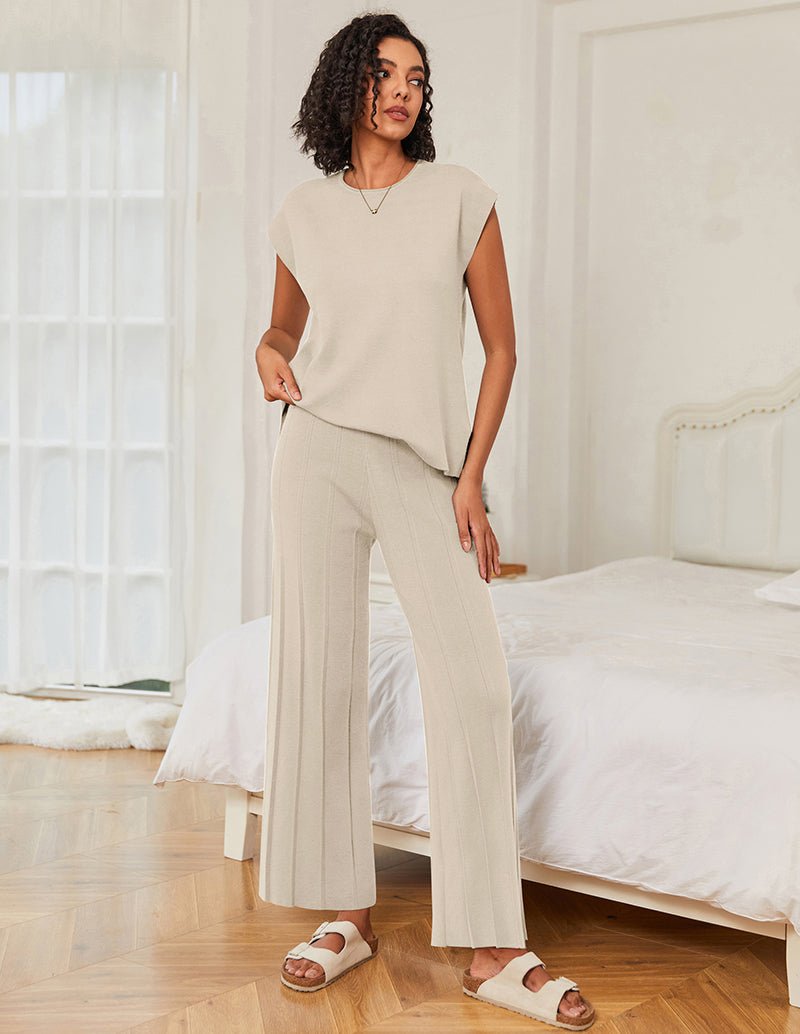
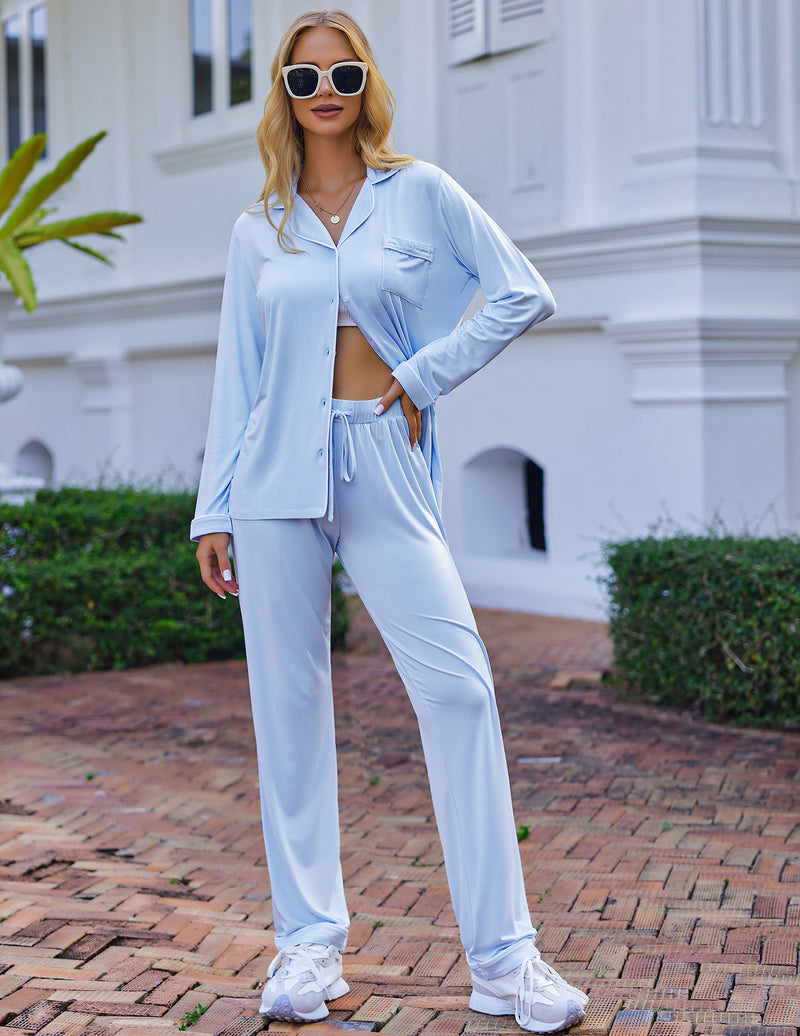
Best Robes for Women: Soft, Absorbent & Worth Every Penny

The best robe for women isn't the most expensive one — it's the one you actually reach for every morning. That means it needs to feel good the moment you put it on, fit the specific moments you wear it, and hold up through regular washing without losing its softness.
A robe is one of the few pieces of clothing that touches almost every part of a daily self-care routine: the shower, the skincare step, the first cup of coffee, the slow wind-down before bed. When it's right, it becomes something you don't think about. When it's wrong — too heavy, too thin, keeps falling open, traps heat — you notice it every time.
This guide is about finding the robe that disappears into your routine in the best way. It covers which fabric suits which self-care moments, how to match a robe to your body temperature and home environment, and which Ekouaer styles are worth considering for different lifestyles. Browse the full Ekouaer robes collection for current styles.
Note on scope: This guide focuses on matching robes to daily self-care routines and lifestyle — morning rituals, post-shower comfort, evening wind-down, and gifting. If you're looking for a deeper technical breakdown of robe fabrics and use cases, see our women's robes buying guide.
Why a Good Robe Is a Self-Care Investment, Not Just a Purchase
Most people buy a robe once and keep it for years. That makes the decision more meaningful than it seems at checkout.
Research from the American Psychological Association on stress and self-care consistently shows that small, repeatable comfort rituals — the morning coffee, the slow shower, the skincare routine — have a measurable positive effect on daily wellbeing. A robe that feels good is part of that infrastructure. It's not frivolous; it's the physical environment you create for yourself during the moments that bookend your day.
The Anxiety and Depression Association of America lists physical comfort and routine as meaningful tools for managing daily stress. A soft, well-fitting robe that you associate with unwinding is a small but real piece of that.
None of this requires spending a lot. It does require buying something that actually fits your specific routine — not just the robe that photographs well.
The Self-Care Routine Match: Which Robe For Which Moment
Different parts of a self-care routine make different demands on a robe. A fabric that's perfect post-shower can feel oppressive after an hour of lounging. Getting this match right is what separates a robe you love from one that hangs unused.
The Post-Shower Moment
Right after a shower or bath, you want a robe that works like a towel with sleeves — something that actively pulls moisture off your skin rather than trapping it. This is where terry and waffle weave fabrics perform best.
Terry has looped fibers that absorb water efficiently. Waffle has a textured grid construction that absorbs reasonably well and dries faster — which matters if you're putting the robe back on the hook and want it ready again the next morning.
The Ekouaer Lightweight Waffle Zip-Up Robe is designed specifically for this use: the zip-front closure means no fumbling with a belt when your hands are damp, and the waffle construction handles post-shower moisture while staying light enough to wear comfortably into a longer morning routine.
What to look for: Secure closure (belt or zip), knee length for easy movement, cotton-rich fabric that absorbs rather than repels.

The Skincare and Getting-Ready Moment
During a skincare routine, hair styling, or getting dressed, you need a robe that stays out of the way. Wide sleeves dip into serums. Heavy fabric makes you overheat under bathroom lighting. A long hem can get in the way when you're moving around.
This is where lightweight, satin-feel, or kimono-style robes earn their place. They drape without clinging, keep your clothes protected, and look intentional — which matters if you're also trying to feel good during the getting-ready process rather than just functional.
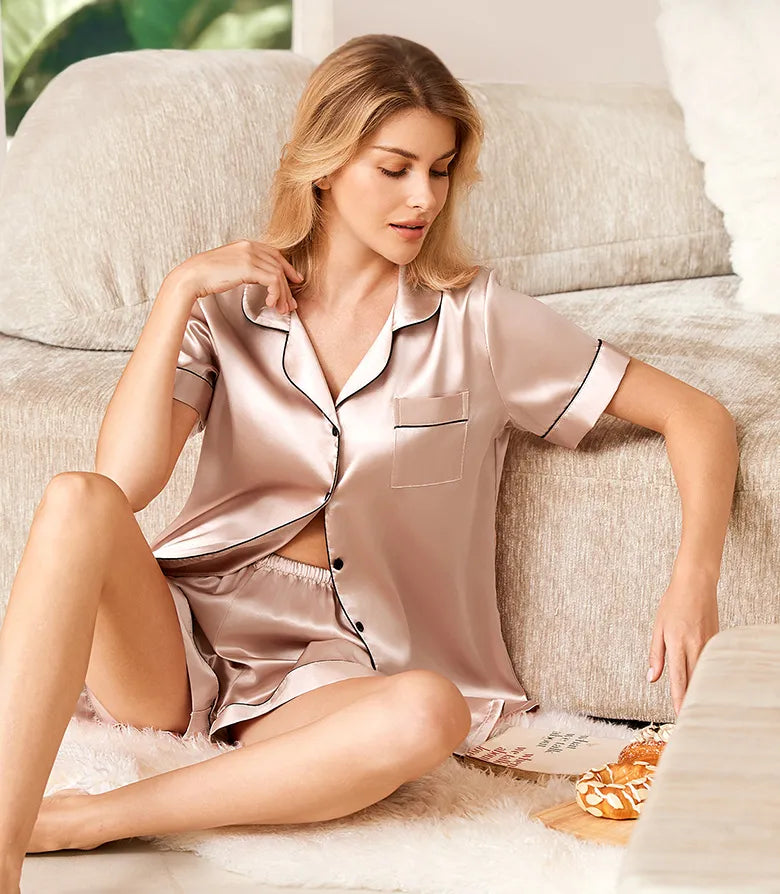
The Ekouaer Satin Pajamas Cami Nightdress with Robe works well here: the fluid satin drape stays out of the way, the set feels put-together, and it transitions from bedtime to morning routine without needing to change.
What to look for: Lightweight fabric, three-quarter or elbow-length sleeves, smooth interior that doesn't snag on clothing underneath.
The Slow Morning Moment
The slow morning — coffee, reading, sitting quietly before the day starts — is where a robe gets the most wear for most women. Here, comfort is the entire job. You want something soft, warm enough for the ambient temperature, easy to move in, and cozy without being heavy.
Soft knit, plush, and waffle styles all work well here depending on your home temperature. The key variable is how warm your space runs in the morning: if your home is below 65°F, you want insulating fabric; if it runs warmer, lighter construction prevents overheating.
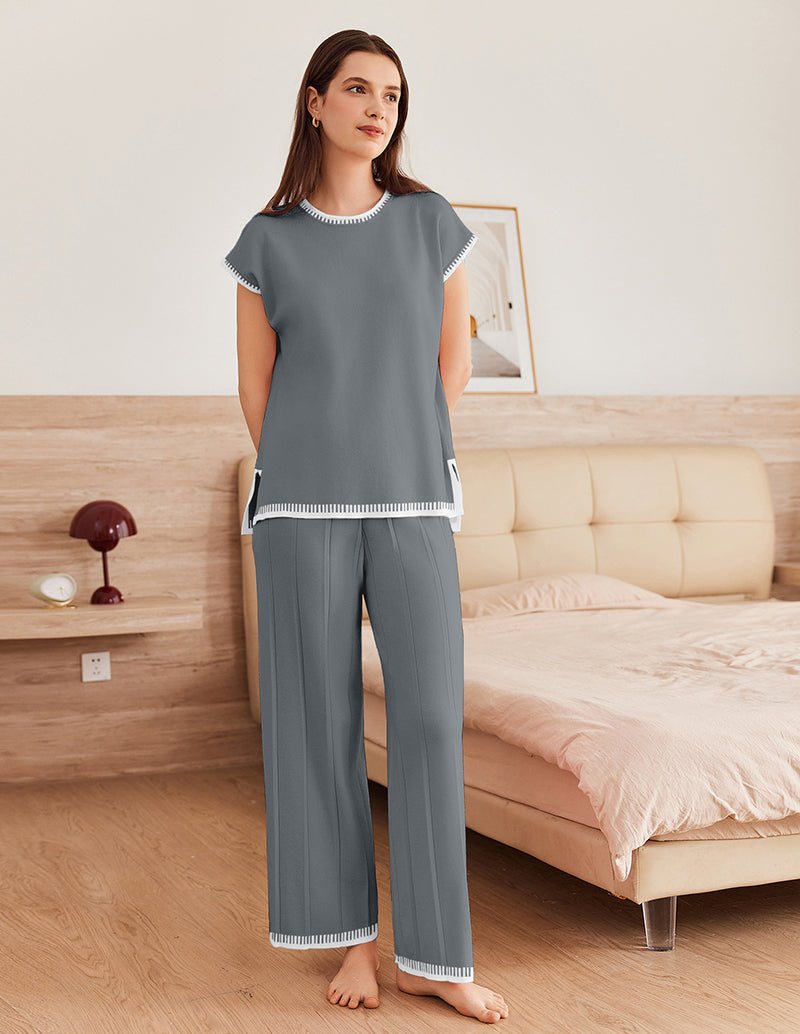
The Ekouaer Soft Waffle 3-Piece Pajama Set extends the robe into a full morning outfit — the set approach means you have a coordinated, comfortable look without having to assemble pieces. For slow mornings when you're not getting fully dressed, this kind of set removes a decision entirely.
What to look for: Pockets (genuinely useful for a phone, a lip balm, a hair clip), a belt that stays tied without constant adjusting, length that suits your height.

The Evening Wind-Down Moment
The evening robe serves a different purpose than the morning one. It's about signaling to your body that the day is done — the same principle as changing out of work clothes, but softer.
For this moment, plush, brushed, or thicker knit fabrics work best. The goal isn't absorbency or getting-ready practicality; it's warmth and comfort that help you mentally decelerate.
What to look for: Longer length (mid-calf to floor for maximum coverage and warmth), soft interior, easy closure that you can put on half-asleep.
The Nursing and Postpartum Moment
New mothers have a specific set of robe requirements that general buying guides often overlook: easy nursing access, soft fabric for skin-to-skin contact, practical closure that works one-handed, and a fit that accommodates a postpartum body comfortably.
The Ekouaer Premium Soft Nursing Gown and Robe Set is designed specifically for this context — the nursing gown provides easy access, the robe adds warmth and coverage, and the soft construction is gentle for both mother and newborn. For new mothers, this kind of purpose-built set is worth far more than a general robe repurposed for the situation.
What to look for: Wrap or kimono closure (adjustable as body changes), nursing-accessible design, machine-washable fabric that handles frequent washing.

Routine-to-Robe Match: Quick Reference
|
Self-Care Moment |
Best Fabric |
Key Feature |
Avoid |
|---|---|---|---|
|
Post-shower |
Terry or waffle |
Absorbency, secure closure |
Satin, thin knit |
|
Skincare / getting ready |
Satin-feel, lightweight |
Drape, sleeve length |
Heavy plush, very wide sleeves |
|
Slow morning |
Soft knit or waffle |
Pockets, comfortable weight |
Fabrics that overheat indoors |
|
Evening wind-down |
Plush or brushed knit |
Length, warmth |
Very short styles |
|
Nursing / postpartum |
Soft stretch knit |
Nursing access, adjustable fit |
Stiff or heavy fabrics |
|
Travel or gifting |
Waffle or lightweight wrap |
Packability, neutral color |
Heavy terry |
For most women, a medium-weight waffle or soft knit robe covers the widest range of these moments. If your routine splits clearly between post-shower use and lounging, two robes — one absorbent, one plush — gives you better performance in each context than one robe trying to do both.
What "Luxury" Actually Means in a Robe
The word luxury appears on a lot of robe product pages. It's worth being precise about what it actually means in practice.
Real luxury in a robe is not about price or packaging. It's about details that hold up over time: seams that don't pucker after washing, a belt that stays tied and doesn't thin out after a few months, fabric that softens with repeated washing rather than pilling or roughening, pockets that are actually useful rather than decorative.
According to Good Housekeeping's textile testing methodology, durable softness and wash performance are the two most reliable indicators of long-term textile quality — more reliable than initial feel at the point of purchase. A robe that feels extraordinary on first touch but degrades after five washes is not a luxury robe. It's an expensive disappointment.
What to actually check before buying:
-
Fiber content (cotton-rich or natural-blend fabrics generally age better than 100% polyester)
-
Seam construction at stress points (belt loops, pockets, shoulders)
-
Customer reviews specifically mentioning wash performance and long-term softness
-
Care label — machine washable on a normal cycle is the standard for a robe you'll wear daily
Fabric Quick Reference
|
Fabric |
Absorbency |
Warmth |
Best For |
Care Note |
|---|---|---|---|---|
|
Terry |
High |
Moderate |
Post-shower primary use |
Machine wash, low heat |
|
Waffle Weave |
Moderate |
Light-moderate |
Year-round, travel, gifting |
Gets softer with washing |
|
Soft Knit |
Low |
Moderate-high |
Lounging, slow mornings |
Gentle cycle preferred |
|
Plush / Brushed |
Low |
High |
Cold mornings, evening wind-down |
Avoid high heat drying |
|
Satin-Feel |
Minimal |
Light |
Getting ready, gifting, special occasions |
Delicate or hand wash |
The most versatile starting point for most women is waffle weave — it handles post-shower use reasonably well, doesn't overheat during lounging, packs for travel, and holds up through frequent washing. If you run cold or want maximum cozy comfort, a soft knit or plush style is the better buy.
For fabric care basics, the American Cleaning Institute's laundry guide covers washing symbols and temperature guidance clearly.
Common Buying Mistakes Worth Avoiding
Buying by appearance instead of use case. A robe that looks beautiful in a product photo but doesn't match your actual morning routine ends up hanging unused. Start with when and how you'll wear it, then choose.
Ignoring color for daily use. White looks spa-clean but shows makeup, self-tanner, and product spills quickly. For a robe you'll wear every day, mid-tone neutrals — gray, oatmeal, dusty pink, navy — are more practical.
Choosing one robe to do everything. A post-shower terry robe and a lounging plush robe serve genuinely different purposes. If your budget allows, splitting the function across two lighter-weight options often gives better performance than one heavy robe trying to cover all use cases.
Skipping the size check. Robes are often one-size or small-range sizing. Check sleeve length, overall length, and wrap coverage against your actual measurements. A robe that doesn't close comfortably across the bust or that drags on the floor is uncomfortable regardless of how soft the fabric is.
FAQ
Q: What is the best robe material for women?
A: It depends on when you wear it most. Terry or cotton-rich waffle is best for post-shower use — they pull moisture away from the skin efficiently. Soft knit or plush is best for lounging and cold mornings — they prioritize warmth and comfort over absorbency. Lightweight satin-feel or kimono-style fabrics work best for getting ready, travel, or gifting. If you want one fabric that does reasonably well across most situations, waffle weave is the most versatile starting point.
Q: Is a waffle robe better than a terry robe?
A: They serve slightly different purposes. A waffle robe is lighter, dries faster, and works better for year-round use, travel, and warm climates. A terry robe absorbs more moisture, which makes it the better choice if post-shower drying is your primary use. For most women who wear a robe through an entire morning routine rather than just right after the shower, waffle's lighter weight tends to be more comfortable over time.
Q: What makes a robe feel luxurious over time?
A: The details that hold up through repeated use: fabric that softens rather than roughens after washing, a belt that stays tied and doesn't thin out, seams that don't pucker at stress points, and pockets that are actually useful. According to Good Housekeeping's textile testing, wash performance and durable softness are more reliable quality indicators than initial feel. A robe that feels good on day one but degrades by month three is not a luxury purchase.
Q: How should a women's robe fit?
A: It should wrap comfortably without gapping at the bust or pulling across the hips. The belt should sit at the natural waist and stay tied through normal movement. Sleeves should allow free arm movement without being so wide they dip into sinks or skincare products. Length is personal — knee length is practical for movement, mid-calf to floor length feels warmer and more indulgent. If you wear thick pajamas underneath, size up one.
Q: Can I wear the same robe post-shower and for lounging?
A: You can, but the compromise is real. Terry absorbs well but can feel heavy after an hour of lounging. Plush feels great for lounging but doesn't dry you off effectively. A medium-weight waffle robe handles both reasonably well — better post-shower performance than plush, more comfortable for extended lounging than terry. If your budget allows two robes, one for each purpose usually performs better than one robe stretched across both.
Q: Are Ekouaer robes good for gifting?
A: Yes — the combination of accessible pricing, practical sizing, and everyday comfort makes them a strong gift option. For gifting specifically, adjustable styles (wrap closures, tie belts) and neutral colors work best because they fit more body types and preferences. Waffle and soft knit styles tend to gift better than very heavy plush, which can feel too warm for recipients in milder climates. Including a note about the intended use case — post-shower, morning lounging, nursing — makes the gift feel more considered.
Q: How do I care for a robe to keep it soft?
A: Wash it with similar fabrics — not with towels or jeans, which cause pilling through friction. Use gentle detergent and avoid heavy fabric softener on absorbent styles, as it coats fibers and reduces moisture performance over time. Wash on a normal or gentle cycle depending on the fabric. Tumble dry on low or hang to dry — high heat degrades most robe fabrics over time. Store on a hook between uses so it dries properly rather than staying damp in a hamper.
Q: What's the best robe for a new mother?
A: A purpose-built nursing robe or nursing robe set is worth it over a general robe repurposed for the situation. The specific requirements — nursing access, one-handed closure, soft fabric for newborn skin contact, adjustable fit for a postpartum body — are best served by something designed for them. The Ekouaer Premium Soft Nursing Gown and Robe Set covers these needs in a single purchase. Machine washable fabric is non-negotiable for this use case.
Related Reading
About Ekouaer
Founded in 2014, Ekouaer makes sleepwear and loungewear with an emphasis on functional design and fabric safety. All fabrics carry OEKO-TEX Standard 100 certification — independently tested to be free of harmful substances, meeting requirements for skin-contact textiles. Products have been featured in CNN Underscored, Forbes, and TODAY.com.