The Complete Guide to Female Nightgowns: How to Choose the Best Style, Fabric & Fit

Quick Answer
A female nightgown is a loose, single-piece sleepwear garment — typically dress-length — designed for unrestricted movement and better airflow than two-piece pajamas. The right one depends mostly on fabric and how warm you sleep: cotton and modal suit everyday breathable comfort, satin and silk work better for smooth-feel luxury or sensitive skin, and longer cuts with sleeves suit cold sleepers or anyone wanting more coverage. This guide walks through every factor worth considering before buying.
What Is a Female Nightgown?
A nightgown is a loose-fitting sleep dress — worn as a single piece rather than a top-and-bottom set. The silhouette is usually relaxed and non-structured, allowing movement without waistbands or fitted seams pressing against the body during sleep.
Modern women's nightgowns range from short-sleeveless chemises to full-length cotton sleep dresses with pockets and long sleeves. What they share is the basic idea: less restriction, more airflow, and a simpler getting-into-bed routine than two-piece pajamas.
What is female sleepwear called more broadly?
Women's sleepwear covers a wider category that includes nightgowns, pajama sets, chemises, sleepshirts, robes, and loungewear. Nightgowns sit in that category as the garment most associated with unrestricted nighttime comfort — particularly for hot sleepers, pregnant women, postpartum recovery, and women who find elastic waistbands uncomfortable during sleep.
Is a nightgown the same as pajamas?
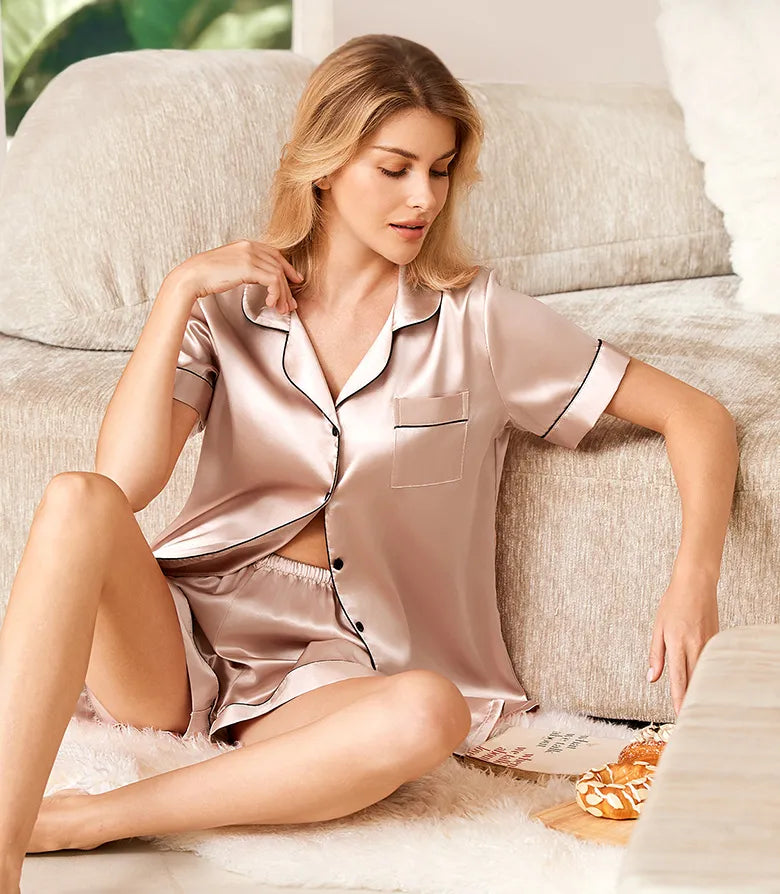
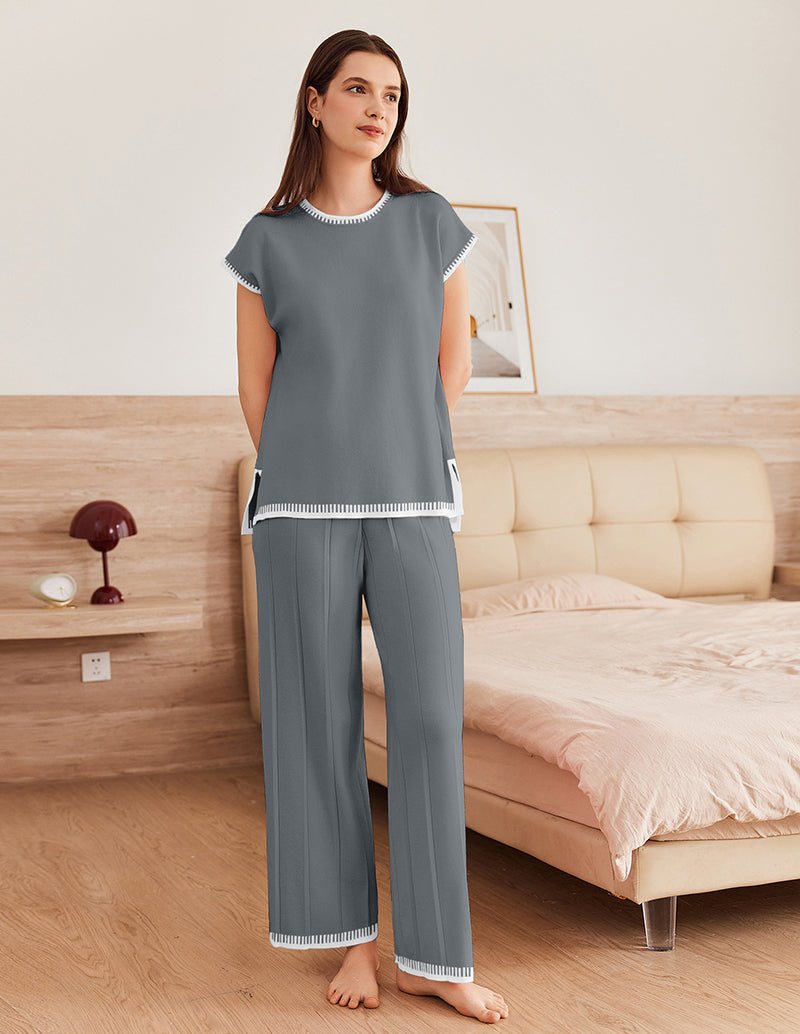
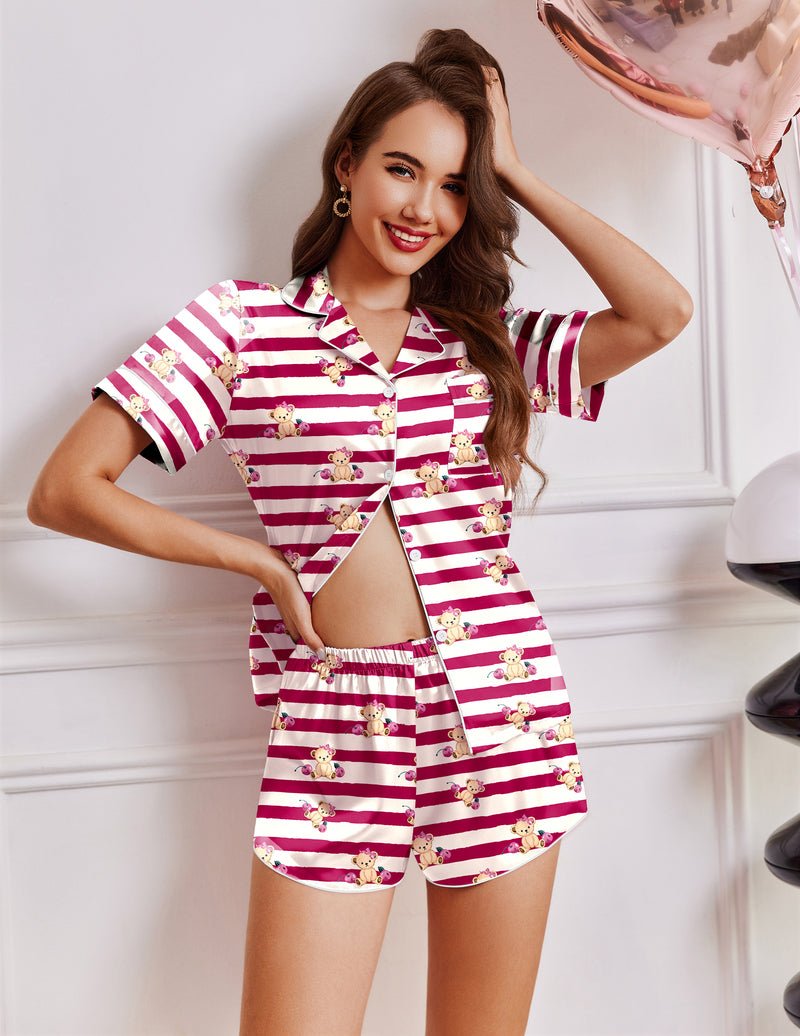
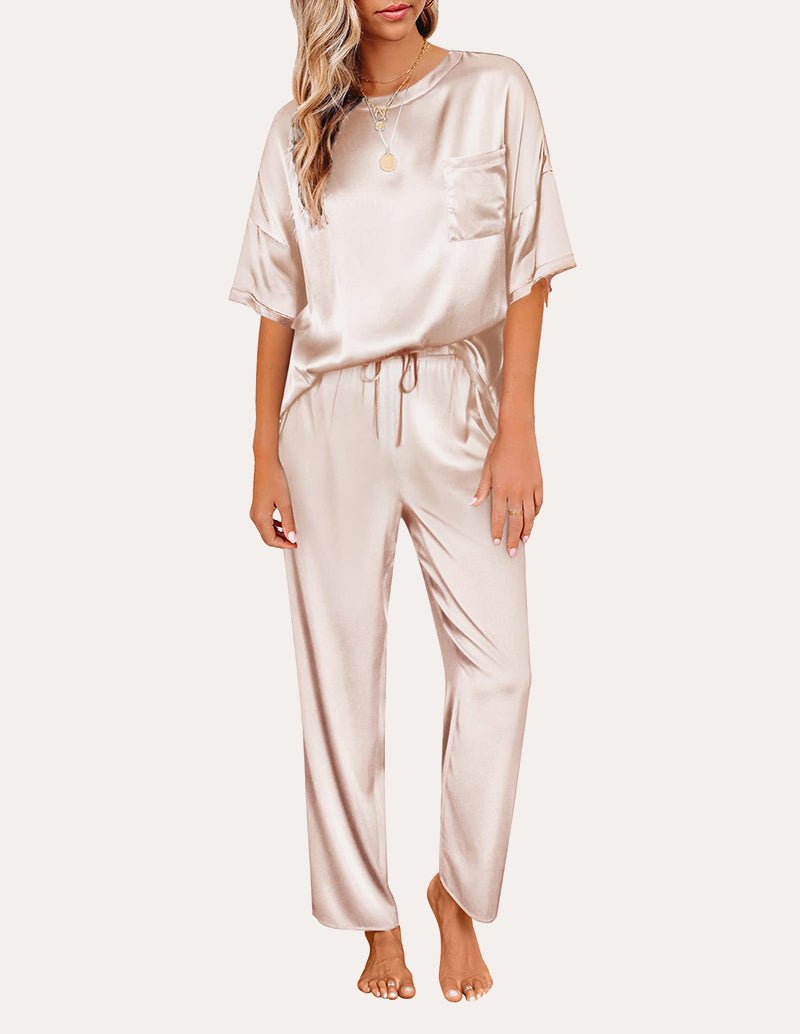
Not exactly. Pajamas come as a matched top and bottom; a nightgown is one piece. Beyond the structural difference, they feel quite different during sleep.
|
Feature
|
Nightgown
|
Pajamas
|
|---|---|---|
|
Structure
|
One piece
|
Two pieces
|
|
Airflow
|
Higher
|
Moderate
|
|
Warmth
|
Light to medium
|
Medium to warm
|
|
Best for
|
Hot sleepers, lounging
|
Cold sleepers, layering
|
|
Feel during sleep
|
Loose and unrestricted
|
More structured
|
Many women keep both and switch between them depending on season and temperature — nightgowns for warmer months or warm sleepers, pajama sets when cooler weather makes more coverage feel good.
Why Many Women Prefer Nightgowns for Sleep
The core reason is temperature. Sleep research consistently shows that body temperature plays a direct role in sleep quality — the body naturally cools as it approaches sleep, and clothing that traps heat can interfere with that process.
A 2024 systematic review published on PMC (NIH) examining how sleepwear fiber types affect sleep found that thermal properties — including moisture management and airflow — are primary factors in overnight comfort. A separate PubMed study published in Nature and Science of Sleep (2019) comparing cotton, polyester, and wool sleepwear in adults found that sleepwear fabric meaningfully contributed to sleep outcomes, with participants sleeping better at cooler ambient temperatures.
Nightgowns address this structurally: the loose silhouette leaves more air space between fabric and skin, particularly around the legs and torso — the areas most prone to overheating during sleep.
Beyond temperature, nightgowns are commonly chosen by:
-
Hot sleepers who overheat in fitted pajamas
-
Pregnant women who need room for a growing belly and no waistband pressure
-
Postpartum mothers who need nursing access and softer waistline coverage
-
Women going through menopause with night sweats
-
Anyone recovering from surgery who needs an easy, non-restrictive dressing
-
Women who prefer to transition directly from sleep to morning lounging without changing
Types of Women's Nightgowns
Short Nightgowns
Short styles — typically hitting above the knee or mid-thigh — are best suited for warm weather, hot sleepers, and travel. Less fabric means more airflow and less bunching during sleep. They also pack smaller, making them a practical choice for trips.
Many women also appreciate that short nightgowns with pockets transition easily between bedtime and casual mornings at home — less obviously "sleepwear" than a full-length gown.
The Ekouaer Short Sleeve Lounger Nightgown combines a soft stretch fabric, deep side pockets, a V-neckline, and below-the-knee coverage with a loose fit that works for maternity wear, post-surgery recovery, and everyday lounging.

Cotton and Modest-Coverage Nightgowns
Longer cotton-style sleep dresses with sleeves remain one of the most consistently popular categories — heavily searched by women who want breathable warmth, modest coverage, and durability for daily washing.
These styles work particularly well for cold sleepers, women who prefer more coverage while relaxing at home, and anyone who wants a nightgown that reads as a house dress rather than obviously sleepwear.
The Ekouaer Long Sleeve Front Pleated Nightgown reflects this style — full calf-length coverage, Henley neckline, front pleated detail, and a soft stretch fabric that suits sleep, lounging, nursing, and slow mornings.

Satin and Silky Nightgowns
Satin nightgowns combine a smooth, cool-to-the-touch feel with a more elevated look than cotton. They're popular for romantic occasions, bridal gifting, vacations, and summer nights when you want something that feels intentional rather than purely functional.
It's worth distinguishing satin from silk, since they're often grouped together but behave differently:
|
Fabric
|
Feel
|
Best For
|
Care
|
|---|---|---|---|
|
Satin (polyester)
|
Smooth, slightly cool
|
Affordable luxury, romantic sleepwear
|
Gentle wash, air dry
|
|
Silk (natural fiber)
|
Cool, temperature-regulating, soft
|
Sensitive skin, premium comfort
|
Delicate care required
|
|
Modal
|
Ultra-soft, breathable
|
Everyday sensitive-skin comfort
|
Machine washable
|
|
Cotton
|
Breathable, durable
|
All-season everyday wear
|
Machine washable
|
Silk's temperature-regulating properties come from its protein fiber structure — it absorbs moisture without feeling damp, helps maintain a stable microclimate against the skin, and is naturally hypoallergenic. Dermatologists often recommend silk sleepwear for patients with eczema or reactive skin specifically because it minimizes friction and supports the skin barrier overnight.
Satin offers many of the same surface benefits at a fraction of the price — cooler feel against skin, less friction than cotton — but without silk's natural temperature regulation.
The Ekouaer Lace Patchwork Satin Sleep Dress pairs a lightweight satin finish with lace detailing and adjustable straps — elegant without being uncomfortable to actually sleep in.

How to Choose the Best Nightgown for Your Body Type
The most important factor isn't silhouette — it's whether you can move naturally in it throughout the night without the fabric twisting, riding up, or trapping heat.
That said, certain cuts do work better for different builds:
-
Hot sleepers: Prioritize sleeveless designs, loose silhouettes, and breathable fabrics. Short or midi lengths improve airflow more than long styles.
-
Cold sleepers: Long-sleeve nightgowns and maxi-length styles retain warmth without the tightness of fleece pajamas. Brushed or slightly heavier knits add warmth without bulk.
-
Hourglass shapes: Wrap styles and lightly defined waists complement natural proportions without clinging.
-
Pear shapes: Empire waist and A-line cuts create balanced visual proportions without highlighting the hips.
-
Apple shapes: Loose draping silhouettes offer comfortable coverage without emphasizing the waistline.
-
Tall or athletic builds: Camisole cuts and shorter hems soften longer body lines and feel lighter overall.
The Ekouaer Sleeveless Nightgown with Pockets works especially well for hot sleepers — its sleeveless construction, lightweight 95% polyester/5% spandex blend, and non-clingy fabric improve airflow and comfort on warm nights without becoming sheer.

What Fabric Is Best for a Female Nightgown?
Fabric is the single factor that affects sleep comfort most directly. Here's how each main option actually performs:
-
Cotton: The most practical all-around choice. Breathable, durable, easy to wash, and comfortable across seasons. Cotton doesn't have the luxury feel of satin or the temperature-regulating properties of silk, but it handles daily wear and repeated washing better than most alternatives — which matters for sleepwear that gets used every night.
-
Modal: Softer than cotton with a slight sheen, modal is a semi-natural cellulose fiber that feels lighter against the skin and has better moisture-wicking properties than standard cotton. Good choice for sensitive skin and women who sleep warm but want more softness than cotton provides.
-
Satin (polyester blend): Cool-touch feel, smooth surface, and a more elevated appearance than cotton. Less breathable than natural fibers but lightweight enough to be comfortable in mild temperatures. Requires gentler washing care.
-
Silk: The premium option — naturally temperature-regulating, hypoallergenic, and smooth enough to minimize friction-related skin irritation overnight. The trade-off is between care requirements and cost.
-
Polyester-spandex blends: Increasingly common in modern nightgowns because they combine stretch, shape retention, wrinkle resistance, and machine-washable convenience. Not as breathable as natural fibers, but practical for daily-wash sleepwear.
Nightgown Length: Short, Midi, or Long?
Short (above knee / mid-thigh): Best for hot sleepers, warm weather, and travel. More airflow, less fabric to tangle. Works as loungewear more easily than longer styles.
Midi (below knee): The most versatile length. Enough coverage for comfort without the warmth of a full-length gown. Work for sleep, morning lounging, and answering the door without looking like you're in bedtime clothing.
Long / Maxi: Best for cold sleepers and anyone who wants maximum coverage. Warmer and more modest, but can bunch or tangle for restless sleepers. Wide-leg cuts or high slits help with movement.

Do You Wear Anything Under a Nightgown?
Personal preference entirely. Some women wear seamless breathable underwear underneath; others prefer nothing for maximum airflow during sleep.
If you do wear something, seamless and moisture-wicking fabrics cause the least irritation. The goal is to minimize pressure points and avoid anything with elastic that digs overnight.
Can Men Wear Nightgowns?
Yes — and historically, they did. Long sleep gowns were standard men's nightwear well before modern pajama sets became mainstream. Men's versions today are usually called nightshirts, sleep shirts, or lounge gowns, and focus on the same loose, breathable comfort that makes nightgowns work for women.
How to Care for Nightgowns
Cotton and polyester blends: Machine washable in cold water on a regular or gentle cycle. Turn it inside out to protect the outer surface. Tumble dry on low or air dry.
Satin: Hand wash or gentle machine cycle in cold water. Air dry rather than tumble dry — heat damages the surface finish over time. Store hanging rather than folded to prevent creasing.
Silk: Cold water only, either hand wash or delicate cycle in a mesh laundry bag. Never tumble dry or wring. Lay flat or hang to dry away from direct sunlight.
All fabrics: Use mild, fragrance-free detergent for sleepwear you wear against sensitive or postpartum skin. Avoid bleach, which degrades both fabric softness and OEKO-TEX certified fabric treatments.
What to Look for Before Buying
The basics worth checking before any nightgown purchase:
-
Breathable fabric suited to how warm you sleep
-
Relaxed fit with enough room to move without pulling
-
Comfortable neckline — V-neck, scoop, or Henley depending on preference
-
Appropriate length for your temperature and coverage needs
-
Machine-washable construction if you're wearing it nightly
-
Soft, flat seams that don't create pressure points during sleep
-
OEKO-TEX certification if fabric safety matters to you (particularly relevant during pregnancy or postpartum)
Additional features that make a practical difference in daily use: pockets, adjustable straps, nursing access for postpartum use, and stretch fabric that accommodates body changes. For more options, check out Ekouaer Women Collections.
Frequently Asked Questions
Q: What is a nightgown for a woman called?
A: A woman's nightgown may also be called a nightdress, sleep dress, chemise, sleepshirt, or ladies' sleepwear, depending on the style and fabric. Shorter, more fitted styles are often called chemises; longer, more modest styles are typically called nightgowns or nightdresses.
Q: Is a nightgown better than pajamas?
A: It depends on how you sleep. Nightgowns generally provide more airflow and less waistband pressure, making them better for hot sleepers and anyone who finds fitted pajamas restrictive. Pajama sets offer more warmth and coverage, which suits cold sleepers better.
Q: What fabric is coolest for sleeping?
A: Cotton, modal, and bamboo viscose are consistently ranked as the most breathable everyday options. Research on sleepwear fabrics and sleep quality, including a 2019 study in Nature and Science of Sleep, found that fiber type meaningfully contributes to overnight thermal comfort — lightweight natural fibers generally outperform polyester-heavy fabrics for warm sleepers.
Q: Are satin nightgowns good for summer?
A: Yes. Satin feels lightweight and smooth against the skin, which many women find comfortable in warm weather. It doesn't have the moisture-wicking properties of cotton, but its cool-touch surface works well for short-duration or aesthetic-focused wear.
Q: Can nightgowns be worn for lounging?
A: Absolutely. Many modern nightgowns — particularly midi-length styles with pockets and soft stretch fabric — are designed to work as house dresses as much as sleepwear.
Q: What length nightgown is best for older women?
A: Midi and long nightgowns are most commonly preferred for the combination of coverage, warmth, and easy movement they provide. Styles with soft stretch fabric and no tight waistbanding are particularly comfortable.
Q: What is the best material for a female nightgown?
A: Cotton and modal are the most practical choices for everyday breathable comfort. Silk is the most beneficial option for sensitive skin, specifically, as its protein fiber structure minimizes friction and supports the skin barrier overnight. Satin offers similar surface smoothness at a lower price point without silk's natural temperature regulation.
Related Guides
-
Nightgown Guide: How to Identify, Wear, and Choose the Right One — complete breakdown of silhouettes, fabrics, and use cases
-
Miss Elaine vs Ekouaer Nightgowns: Complete 2026 Comparison Guide — how the brands compare across fabric, fit, and price
-
Best Babydoll Nightgowns for Comfort & Romance — shorter, more elevated styles for romantic occasions
-
Are Silk Pajamas Worth It? — honest breakdown of silk vs. satin for everyday sleepwear value
About Ekouaer
Founded in 2014, Ekouaer designs sleepwear and loungewear with an emphasis on functional comfort and fabric safety. All fabrics carry OEKO-TEX® Standard 100 certification. Products have been featured in CNN Underscored, Forbes, and TODAY.com, and recognized with the Berlin Design Award and Mom's Choice Awards.
Ekouaer in the Press
-
Parade (May 2026): Amazon's Ekouaer 2-Pack Pajama Set Is a Must-Have — described as "winning on all counts" for comfort and value
-
Parade (March 2026): Amazon's Ekouaer Short-Sleeve Pajama Set Is a Must-Have — over 3,700 five-star ratings; shoppers called it "perfect for hot sleepers"
-
Yahoo Shopping (March 2026): Shop Amazon's Ekouaer Pajama Set for $12 — featured in Yahoo's spring sleepwear roundup
-
OpenPR (March 2026): Ekouaer Wins Oprah Daily Editor's Choice and TODAY 2026 Sleep Award — two products recognized by Oprah Daily and TODAY in the same season
-
GlobeNewswire (March 2025): Ekouaer March Offline Event — LA event coverage noting CNN Underscored and Forbes recognition