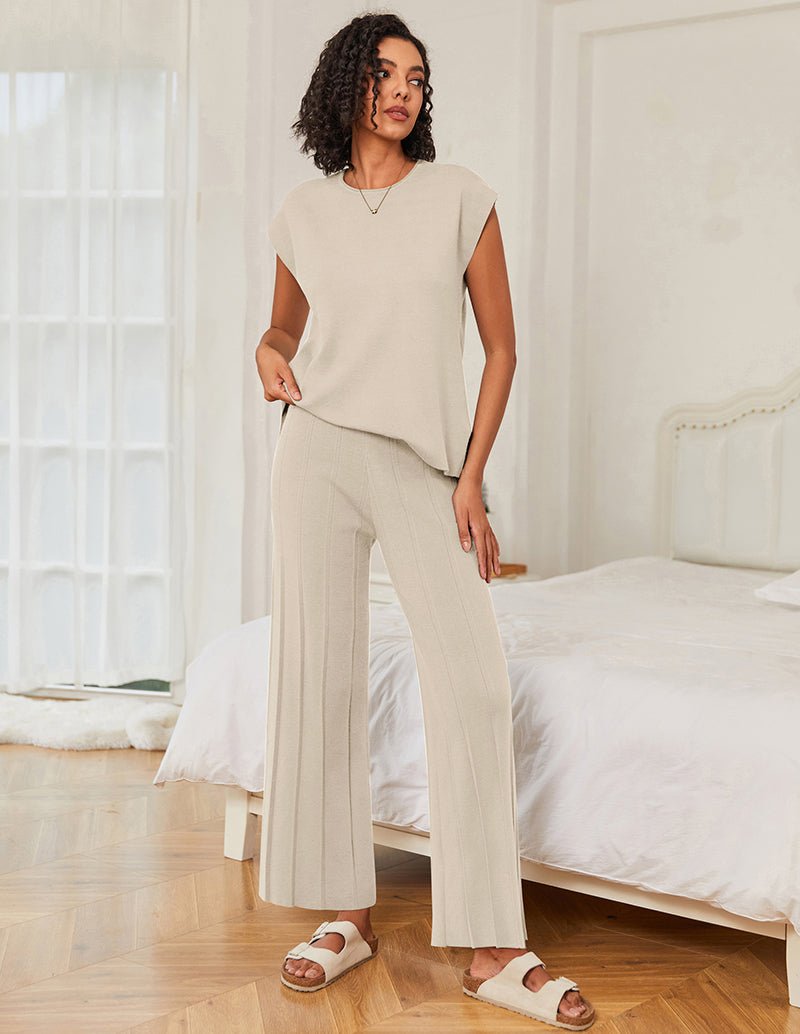
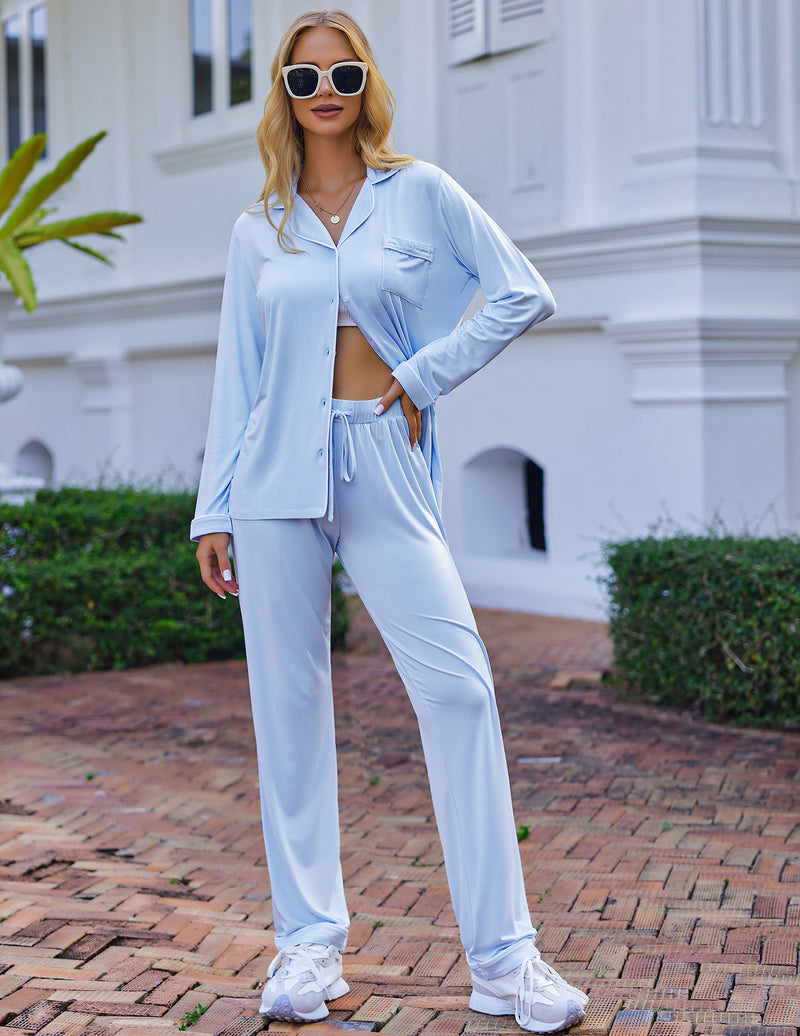
Sleep Shorts for Women: The Complete Summer Sleepwear Guide 2026

The short answer: for most hot sleepers in summer, a lightweight cotton or satin cami-and-shorts set is the most practical choice. Less fabric = less trapped heat. The fabric matters more than the style — and getting it wrong actively makes sleep worse.
Here's why that matters more than it sounds, and how to choose shorts that actually help.
Why Summer Sleepwear Is a Genuine Sleep Quality Issue
Most people think of sleepwear as a comfort preference. The research frames it as a sleep physiology question.
Your body needs to drop its core temperature by approximately 1–2°F to initiate and maintain sleep. This is a well-established mechanism: as the National Sleep Foundation explains, the ideal sleep environment sits around 65–68°F (18–20°C), because cool ambient conditions support the core temperature drop that signals your brain to enter and stay in deep sleep.
Sleepwear that traps heat against the skin works against this process. A 2024 review published in Energy and Built Environment (Xu & Lian, 2024) confirms that elevated skin temperature — particularly during REM sleep — directly increases awakenings and disrupts sleep architecture. This isn't just about feeling warm. It's about measurable sleep continuity.
The practical implication is direct: in summer, the less fabric that traps heat against your skin while you sleep, the better your body can do what it needs to do. Sleep shorts — specifically the right kind — reduce the thermal load on your lower body compared to full-length pajama pants, which is exactly the point.
Real users echo this experience. In Reddit discussions, many hot sleepers report that switching to shorts significantly improves comfort: “I sleep hot, I've been sleeping no shirt and shorts since high school... long pants are so uncomfortable”
Why Shorts Outperform Pants in Summer (With One Important Condition)
The advantage of sleep shorts over pajama pants in warm weather is straightforward: less fabric touching your skin means less surface area trapping body heat.
According to a 2025 study at Frontiers in Sleep examining cooling interventions for hot sleepers (Frontiers in Sleep, 2026), one of the key barriers to cool sleep is heat buildup at the skin surface, particularly in areas where fabric contact is continuous. The legs — which have a significant surface area — are a meaningful contributor to this effect.
The condition: The fabric has to allow airflow and moisture wicking. A heavy cotton jersey short that sits tight against the thigh doesn't deliver the benefit. The combination of reduced coverage plus breathable fabric is what works. A tight polyester short in summer is worse than nothing.
Fabric Guide: What Actually Works in Summer Heat
100% Cotton — The Reliable Standard
Soft, breathable, absorbs moisture rather than trapping it. For sleep shorts, the most important cotton property is its ability to wick sweat away from the skin and allow it to evaporate, rather than holding it against you.
What to look for: 160–180 GSM jersey knit. Heavy enough to hold its shape through washing, light enough not to insulate. Avoid anything labeled "heavyweight" cotton for summer use — it was designed for warmth, not ventilation.
What to avoid: Poly-cotton blends labeled "soft." The polyester component reduces the breathability of the cotton, which is the main reason you're choosing cotton in the first place.
The comfy lounge pajama shorts use a classic cotton lounge construction that works across the range of what summer sleep shorts should do — enough coverage to feel intentional, minimal enough to not trap heat.

Satin (Polyester Satin) — Best for the "Cool on Contact" Feel
Satin is the smoothest fabric option at this price point. It feels cool when you first get into bed because of the smooth weave construction, which reduces friction between fabric and skin.
The honest tradeoff: Polyester satin doesn't breathe the way cotton does. If you run very hot and sweat significantly at night, satin will feel damp rather than dry. For people who simply run warm (not drenched), satin's smooth, cool-contact feel is a genuine advantage.
Best use case: Sleeping in an air-conditioned room. In a room at 68–72°F with AC, satin's smooth feel is comfortable, and the breathability limitation doesn't become a problem. In a hot room without AC, cotton wins.
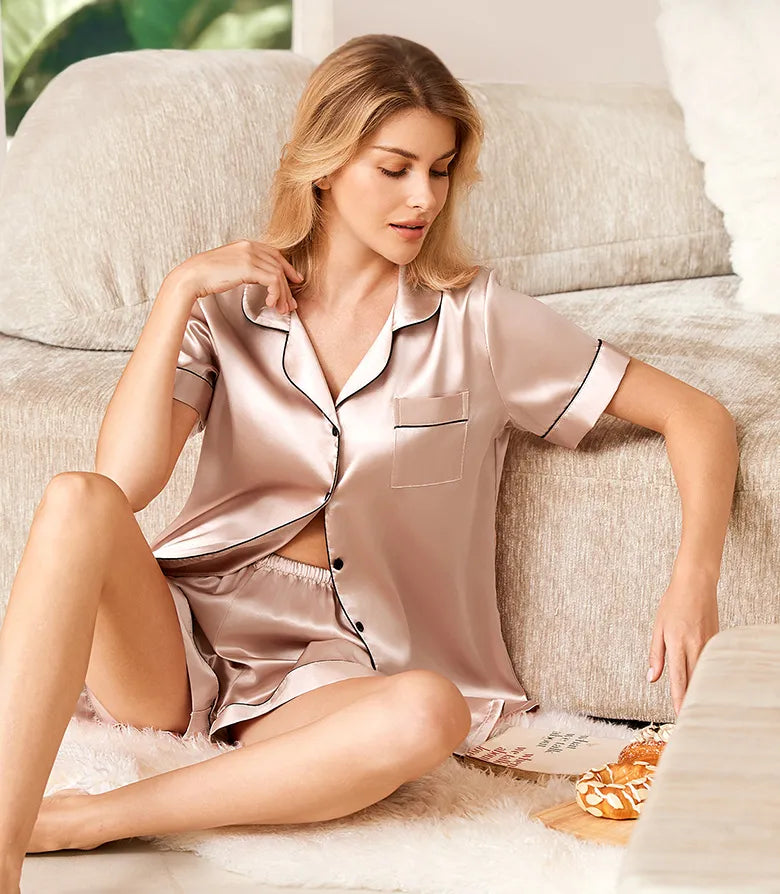
The satin solid cami top and shorts set and the satin short sleeve silk pajama set both use this construction — the shorts-and-top format specifically keeps the high-surface-area torso and leg coverage minimal while maintaining a polished look.

Modal / Bamboo Blends — Best for Severe Hot Sleepers
Modal (from beech tree fibers) and bamboo viscose are both noticeably softer than standard cotton, and both have superior moisture-wicking properties. For women who genuinely soak through their sleepwear in summer — whether from heat, night sweats, or perimenopause — a modal or bamboo-blend short outperforms both cotton and satin.
What makes the difference: These fibers actively move moisture away from the skin and allow it to evaporate from the fabric surface rather than sitting against you. The result is a drier, cooler feeling even when you're sweating.
The consideration: Modal and bamboo blends are more expensive than cotton and require slightly more careful washing (cold water, low heat drying). For the thermal performance difference, most hot sleepers find this trade worthwhile.
For a more detailed breakdown of how bamboo and cotton differ in moisture management and night-time temperature, the bamboo vs. cotton pajamas guide covers the specifics.
What to Avoid in Summer Sleep Shorts
Polyester knit (not satin): Different from polyester satin. A polyester knit short has no thermal advantage — it doesn't breathe, traps heat, and holds moisture against the skin. Many inexpensive shorts labeled "soft" or "stretchy" are polyester knit.
Flannel or fleece: Obvious in theory, but flannel "sleep shorts" do exist in the market. Avoid in any temperature above 65°F.
Very tight shorts in any fabric: Compression against the skin reduces airflow between the fabric and skin surface, which is a significant fraction of how fabric breathes in the first place. Sleep shorts should have a relaxed or slightly loose fit for the best thermal performance.
Cut and Fit: The Variables That Change Comfort More Than Fabric
Length
Mid-thigh (ending 3–5 inches above the knee): The standard sleep shorts length. Enough coverage to feel like real sleepwear, short enough to allow significant heat loss from the lower legs and thighs.
Above mid-thigh (ending high on the thigh): Maximum heat loss, minimum coverage. Best for genuinely hot sleepers or rooms without AC. Less practical for getting up in the night or moving around the house.
Bermuda / knee-length: Still cooler than full pajama pants, but significantly less effective than mid-thigh for thermal benefit in summer. Worth choosing if you want shorts that also function as daywear.
Waistband
The waistband on sleep shorts is one of the most frequent sources of discomfort — not from heat, but from pressure. An elastic waistband that sits too tightly for 7–8 hours becomes noticeable whether you're aware of it or not.
What works: Wide elastic (2+ inches) inside a fabric casing, plus a drawstring for adjustability. The wider the elastic, the more the pressure distributes across the surface — no single pressure point. The drawstring lets you set the fit to your actual waist, not the elastic's memory.
What to avoid: Narrow exposed elastic directly against the skin. This creates a single pressure line that can disrupt sleep and leave marks.
The split side lounge shorts use a side-split design that's worth noting specifically: the open side seam improves airflow along the outer thigh without removing coverage — a practical engineering detail for hot sleepers that isn't common across the category.

The Side-Split Design for Heat Management
The side split is a design detail that deserves more attention than it typically gets in summer sleepwear.
A split in the side seam of a short — typically 2–4 inches above the hem — creates a small opening that allows direct airflow along the outer thigh and hip. This is particularly effective for hot sleepers who find that even mid-thigh shorts feel warm in a room without good air circulation.
The thermal benefit isn't dramatic, but it's real: the side opening allows convective heat exchange along a surface area that otherwise stays trapped under fabric. If you're choosing between two comparable shorts in summer, the one with a side split will run cooler.
The Cami-and-Shorts Set vs. Shorts Alone
For summer, a matched cami top and shorts set has a practical advantage over shorts purchased separately: the cami top is designed with the same thermal logic as the shorts. A cami with thin straps and a loose body allows maximal airflow at the torso, which is the area where most body heat is generated during sleep.
Buying a short paired with a heavier separate top defeats much of the purpose. The torso contributes more to total body heat than the legs because of organ density and metabolic activity — so the top matters at least as much as the shorts.
The Ekouaer beach-ready collection covers both the shorts-only and matched-set formats in summer fabrics — worth browsing if you want to compare the coverage differences between cami-set and standalone shorts in the same lightweight fabric family.
Summer Sleep Shorts Beyond the Bedroom
One of the practical advantages of well-designed sleep shorts is their cross-wear potential — and in 2026, the "pajamas as loungewear" category is genuinely mainstream.
A mid-thigh cotton or satin short with a clean waistband and minimal print reads as casual loungewear in most contexts: morning coffee, working from home, stepping outside briefly. The distinction between "sleep shorts" and "lounge shorts" has largely collapsed in the market, and that's an advantage for buyers — you get more use out of the same garment.
What makes shorts cross-wearable: Clean waistband with no visible "elastic poking through" at the sides. Minimal or solid print. A hem that isn't frayed or overly casual. Mid-thigh or longer length.
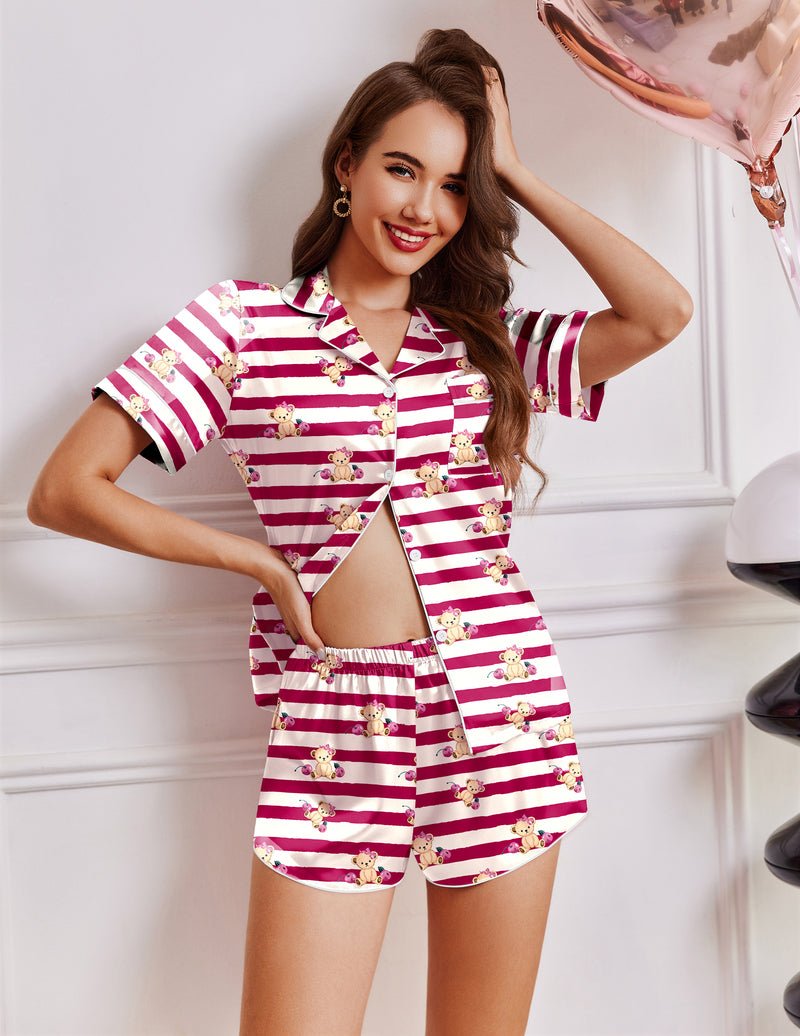
What keeps shorts firmly in the bedroom: Very short inseam, see-through fabric under light, novelty or cartoon prints, or visible elastic waistband construction.
Quick Decision Guide
|
Your Situation |
Best Choice |
|---|---|
|
Average summer heat, AC room |
Cotton jersey or satin mid-thigh shorts |
|
Hot sleeper, sweat at night |
Modal or bamboo blend, relaxed fit |
|
Hot room, no AC |
Split-side cotton shorts, mid-thigh or above |
|
Want shorts + top set |
Satin cami-and-shorts set (cooler in AC room) |
|
Want to wear outside the bedroom too |
Cotton mid-thigh with clean waistband |
|
Sensitive skin |
100% cotton, OEKO-TEX certified preferred |
Frequently Asked Questions
Q: What fabric is best for sleep shorts in hot weather?
A: 100% cotton is the most reliable all-around choice for breathability and moisture absorption. Bamboo or modal blends outperform cotton for severe hot sleepers because of superior moisture-wicking properties. Avoid polyester knit — it traps heat and holds moisture against the skin. Satin works well in air-conditioned rooms but isn't the best choice for rooms without climate control.
Q: Do sleep shorts actually make a difference for sleep quality in summer?
A: Yes — and the mechanism is well-documented. The body needs to lower its core temperature by 1–2°F to initiate and maintain sleep, per the National Sleep Foundation. Sleepwear that reduces thermal load on the skin supports this process; sleepwear that traps heat works against it. A 2024 review in Energy and Built Environment (Xu & Lian) links elevated skin temperature during sleep — particularly REM — to increased awakenings and disrupted sleep architecture.
Q: How short should sleep shorts be for maximum cooling?
A: Mid-thigh (ending 3–5 inches above the knee) is the practical sweet spot — enough coverage to feel like real sleepwear, short enough to allow meaningful heat loss from the lower legs. For maximum cooling in very hot conditions, above mid-thigh works better. Knee-length provides less thermal benefit than either.
Q: Is a waistband important in sleep shorts?
A: Yes — a poorly designed waistband is one of the most common sources of sleep disruption that people don't attribute directly to their sleepwear. Wide elastic (2+ inches) inside a fabric casing, with an adjustable drawstring, distributes pressure across more surface area and lets you customize the fit. Narrow bare elastic against the skin creates a single pressure line that accumulates discomfort over 7–8 hours.
Q: Can sleep shorts be worn as loungewear outside the bedroom?
A: Yes, with the right design. Mid-thigh length with a clean waistband and minimal or solid print reads as casual loungewear in most contexts. Very short inseam, see-through fabric, or novelty prints keep shorts bedroom-only. Most people find a well-designed sleep short doubles as morning loungewear without issue.
Q: What's better for summer sleep — shorts or a nightgown?
A: Both can work, and the right choice depends on sleep style. Shorts with a cami top keep each piece of fabric minimal and positioned strategically — good for active sleepers who move around and don't want a single piece twisting. A short nightgown (ending mid-thigh) is cooler per square inch of fabric for a still sleeper because it has less total fabric at the waist. For restless sleepers, shorts win because they stay in place better. For still sleepers, a short nightgown can be marginally cooler. More on this comparison: Nightgown vs. Pajama Set.
Q: Should I size up in sleep shorts?
A: For sleeping, yes — your normal size or one size up. A closer fit that works for daywear can create waistband pressure and reduce airflow when you're lying down. One size up in the shorts allows the fabric to move slightly away from the skin, which improves airflow. For cross-wear, your normal size gives a cleaner silhouette.
Related Reading
-
Bamboo Pajamas vs. Cotton Pajamas: Which One Actually Sleeps Better?
-
Best Matching Lounge Sets for Women: From Bedroom to Errands (2026)
-
Petite Pajamas Fabric Guide: Choosing Comfort Without the Bulk
-
The Best Babydoll Nightgowns of 2026: Balancing Romance and All-Night Comfort
About Ekouaer
Founded in 2014, Ekouaer designs sleepwear and loungewear with an emphasis on functional comfort and fabric safety. All fabrics carry OEKO-TEX® Standard 100 certification. Products have been featured in CNN Underscored, Forbes, and TODAY.com, and recognized with the Berlin Design Award and Mom's Choice Awards.