What Pajamas Keep You Warmest in Winter? A Plain-English Guide to Staying Cozy

The pajamas that keep you warmest in winter are not one magic fabric but a smart combination: a base layer of silk or smooth knit to trap a thin warm air layer against skin, plus an insulating middle layer such as fleece, flannel, or waffle knit, all worn in a bedroom kept cool rather than hot. Warmth comes from trapping air, not from thickness alone, so the best winter pajamas layer breathable fabrics instead of one heavy piece that makes you sweat and then chill.
If you are standing in front of the drawer on a cold night, the practical answer is this: pick fleece or flannel when the room is genuinely cold, choose waffle knit or thermal knit for a balanced middle layer, and use a silk or satin base when you run warm but still want a cozy feel. Below is the plain-English reasoning, the fabric differences, and how to match the set to your actual bedroom.
Key takeaways
-
Warmth comes from trapping air, so layering beats one thick piece that traps sweat.
-
Fleece and flannel are the warmest standalone options for cold rooms.
-
Waffle knit and thermal knit give balanced warmth with good breathability.
-
Silk and satin work best as a light warm base layer for people who run hot.
-
A cool bedroom, around 60 to 67 degrees Fahrenheit, supports better sleep than a hot room with heavy pajamas.
The fabrics that hold the most warmth
Not all cold-weather fabrics behave the same way. Here is how the common ones compare for winter sleep:
-
Fleece: Warmest for cold rooms. It traps a lot of air and feels plush, but it can overheat warm sleepers, so reserve it for genuinely chilly bedrooms.
-
Flannel: Brushed cotton that holds warmth while staying breathable. A dependable choice for dry, cold nights without the bulk of fleece.
-
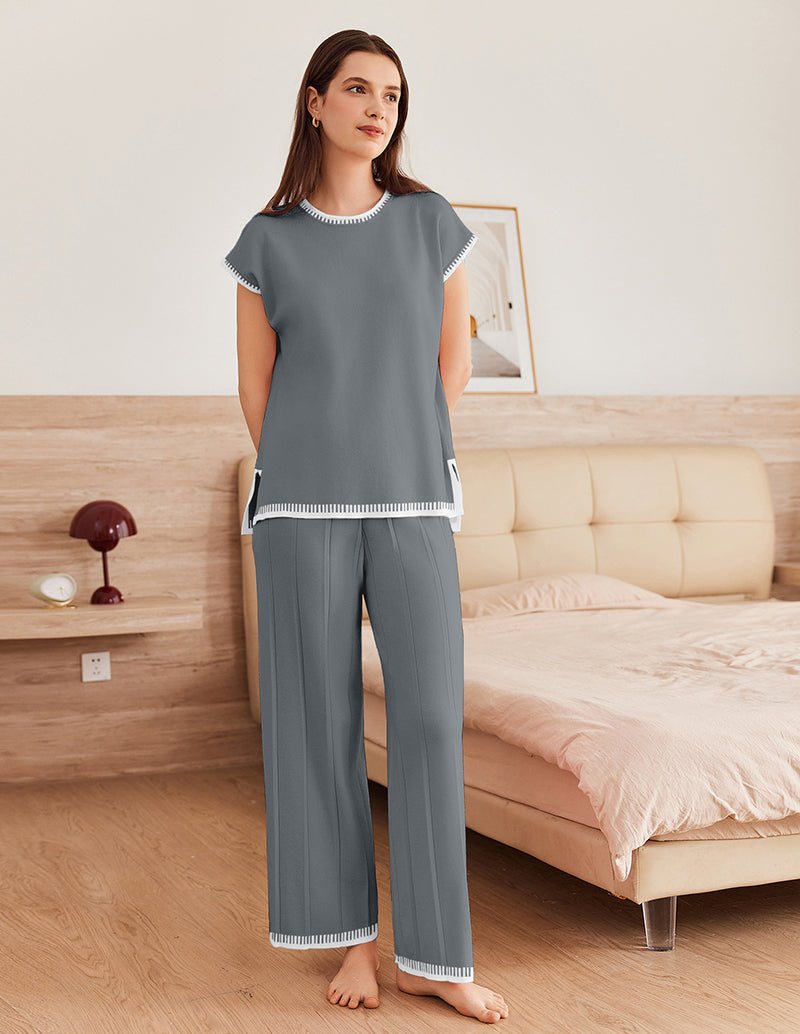
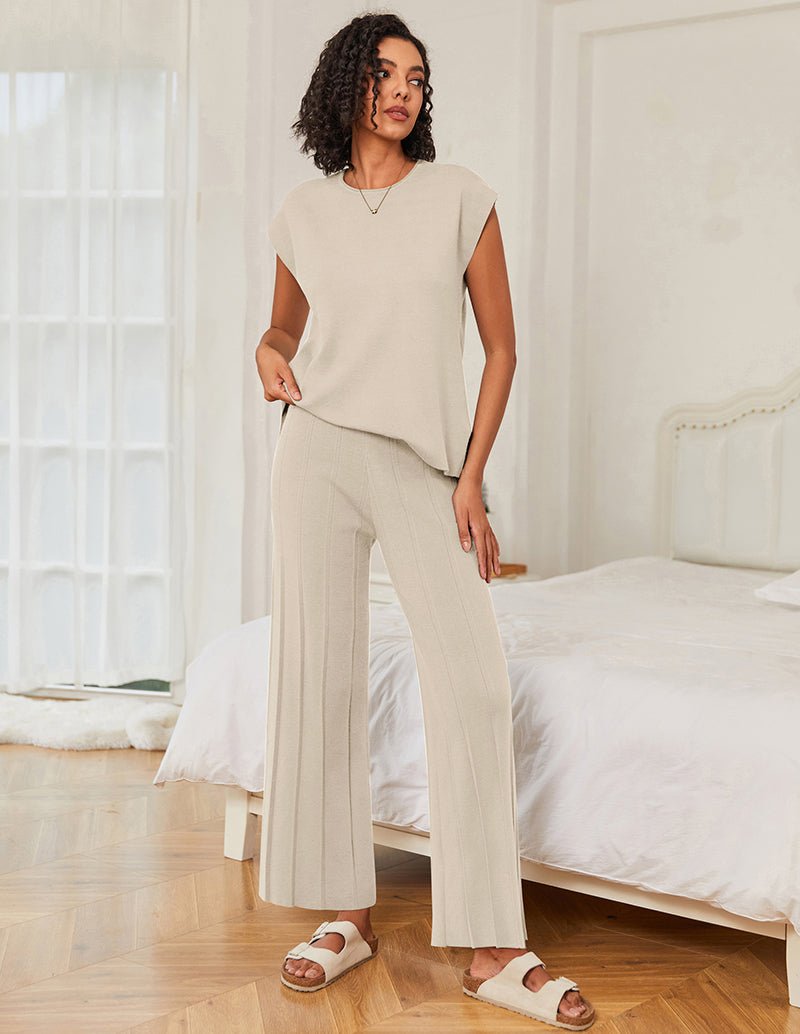
Waffle knit: Textured cotton or poly knit that traps small air pockets. Balanced warmth with better airflow than fleece, which is why it shows up in so many winter lounge sets.
-
Thermal knit: Ribbed, close-fitting, and insulating. Great as a base layer under a looser middle layer when the temperature drops hard.
-
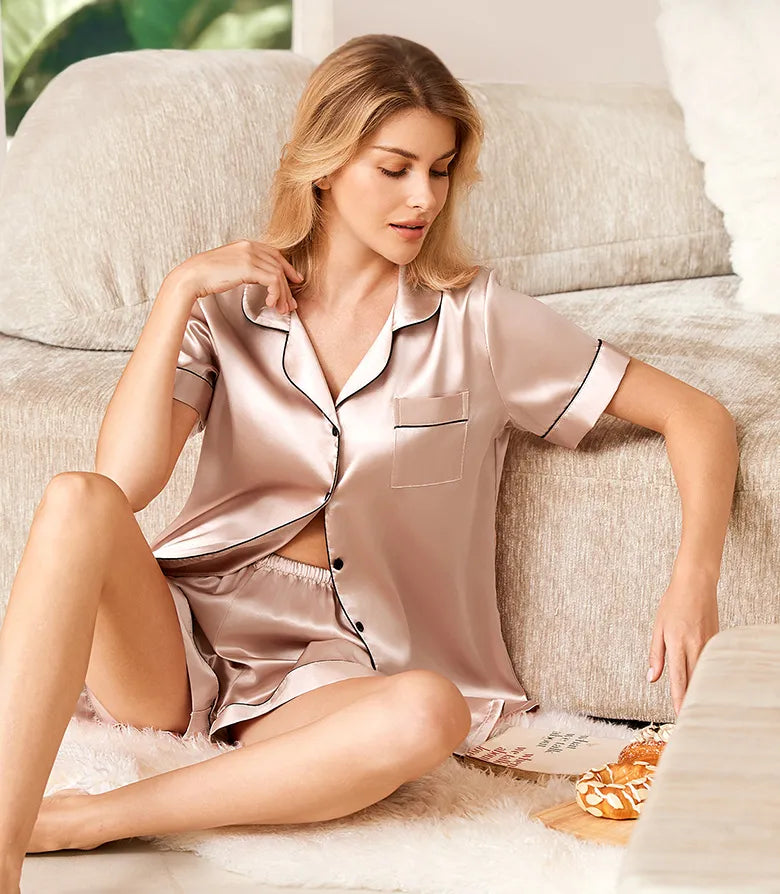
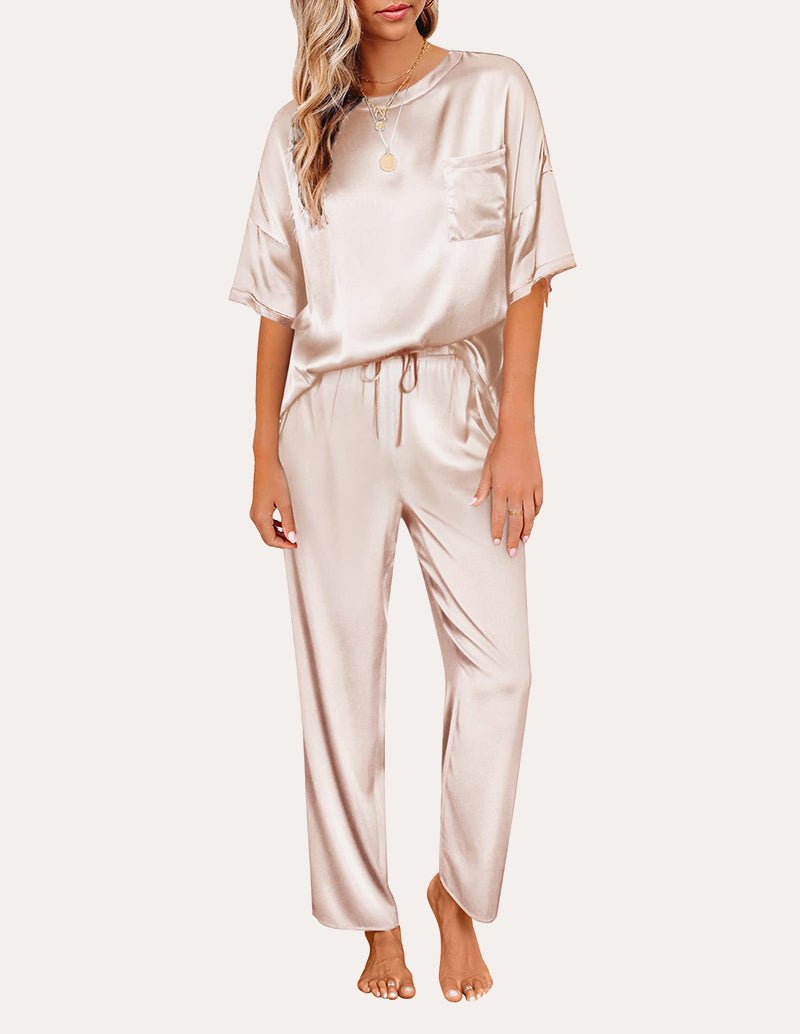
Silk and satin: Light, smooth, and surprisingly warm as a thin base because they hold a slim layer of air against skin. Best for people who sleep warm but still want coziness.
Why layering beats one thick set

The reason layering works better than one heavy pajama is simple physics. A thin base layer next to skin traps a small warm air pocket. A middle layer on top traps more air without pressing it out. Together they insulate far more efficiently than a single thick garment, and they let you adjust through the night. If you wake up sweating in fleece, you have overheated; a base layer plus a knit lets you peel one without losing all warmth.
This is the same principle clothing scientists describe as thermal comfort, the balance where your body neither loses nor gains heat too fast. The Wikipedia entry on thermal comfort explains how clothing insulation and room conditions together decide whether you feel warm or cold. Pajamas are just the indoor version of that balance, and getting it right is more about air than about fabric weight.
Keep the bedroom cool, not the pajamas boiling
A common mistake is fighting a cold room by piling on heavy pajamas, which raises body heat until you sweat, then chill when the sweat cools. The cleaner fix is a cool bedroom with smart layers. The CDC on sleep advises keeping the bedroom quiet, relaxing, and at a cool temperature, and notes that adults need at least seven hours of sleep. The NHLBI sleep health resource similarly frames sleep as essential to how the body recovers, which a comfortable environment supports.
So the goal is not the thickest pajama possible. It is a cool room plus enough layer to stay comfortable without overheating. Most people sleep best somewhere around 60 to 67 degrees Fahrenheit, and the right pajama is the one that keeps you cozy at that temperature instead of making you kick off the covers by midnight.
Silk and satin as a warm base layer
For people who run warm, heavy fleece is a trap that leads to night sweats. A silk or satin base layer is the smarter play: it sits smoothly against skin, holds a thin warm air layer, and breathes enough to keep you from overheating. That is why silk has a long reputation for temperature balance even though it feels light. Why sleep comfort connects to fabric choice is documented; MedlinePlus on sleep disorders covers how a calm, comfortable setup supports rest, which is exactly what a good base layer quietly delivers.
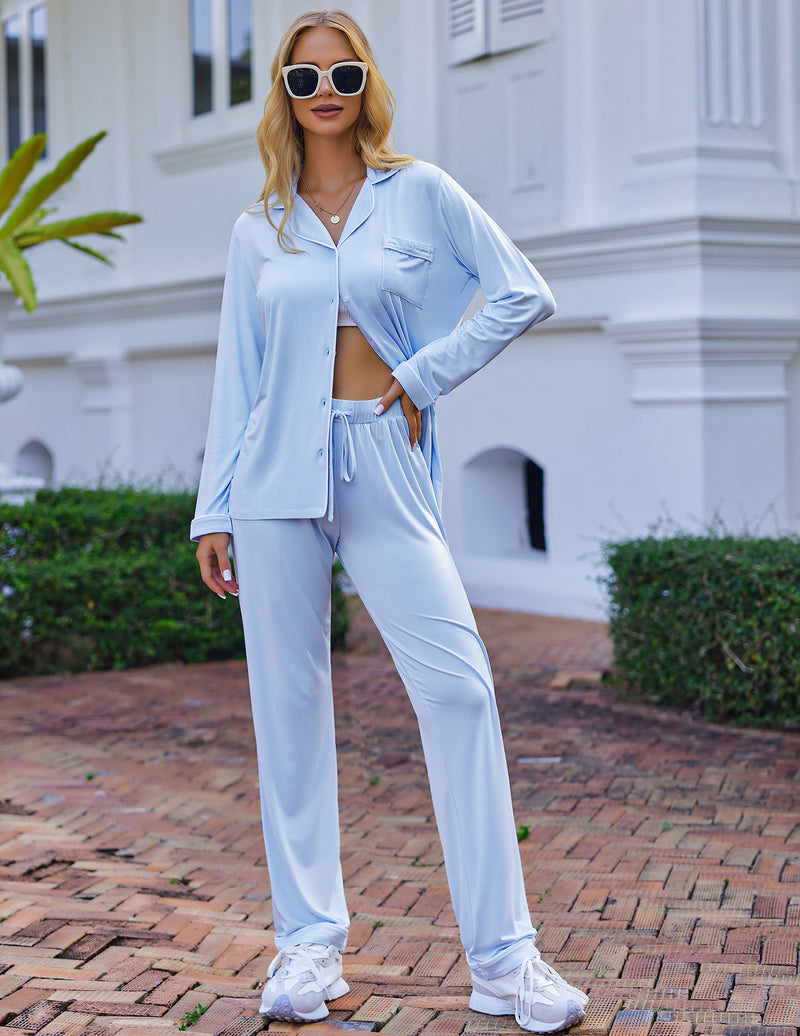
Ekouaer's satin and silk-feel pieces work well here, and our best silk pajamas guide explains which weights to look for if you want warmth without weight. The takeaway is that "warmest" is personal: a hot sleeper's warmest pajama is often the lightest one that still feels like a hug.
Match the pajama to the temperature
The right set depends on your bedroom, not on a generic ranking. Three common situations:
-
Cold apartment or old house: Go fleece or flannel, ideally with a knit base underneath, and keep socks nearby for the coldest nights.
-
Well-heated modern home: Choose waffle knit or thermal knit so you stay warm without waking up damp from too much insulation.
-
You run hot but hate being cold: Use a silk or satin base layer with a light knit on top, which gives coziness without the overheat crash.
If you are unsure where you land, start with a middle option like waffle knit, because it is the easiest to adjust by adding or removing a layer. For more on how sleepwear types differ by season and body, our women's nightgown style guide walks through the trade-offs in plain language, and the nightgown vs pajama set guide helps you pick a silhouette that suits your sleep style.
Where Ekouaer fits

Ekouaer's range covers the year, which is why it works for winter without forcing you into one fabric. Lightweight knit and satin sets handle warm nights, while waffle-knit and longer sleeves carry the cold months, and silk-feel bases sit underneath when you need an extra layer. You are not stuck retiring the brand when the weather turns, which is exactly why people build a year-round drawer instead of a single winter stash. Having a go-to set for each temperature removes the small nightly decision of what to sleep in, and that removal is a bigger comfort win than it sounds.
The Ekouaer x Vanessa Hudgens "My Comfort Era" collaboration pulled this easy loungewear into a celebrity style conversation without losing the everyday angle, and you can see the pieces at the Ekouaer x Vanessa Hudgens page. The practical point for winter is that the same soft set works for a cold night in or a styled weekend look, so you get warmth and versatility from one drawer.
Frequently asked questions
Are flannel pajamas warmer than cotton?
Usually yes for sleep. Flannel is brushed cotton that traps more air, so it holds warmth better than a thin cotton weave while still breathing. It is a dependable cold-night choice when fleece feels like too much.
Is fleece too hot for sleeping?
For many people, yes in a warm or well-heated room. Fleece traps a lot of heat, which is great in a cold bedroom but can cause night sweats in a warmer one. If you overheat easily, choose waffle knit or a silk base instead.
Do silk pajamas keep you warm?
Light silk and satin feel warm because they hold a thin layer of air against skin and balance temperature well, but they are not as insulating as fleece or flannel. They work best as a base layer for people who run warm rather than as the only cold-room solution.
Should the bedroom be warm if I wear warm pajamas?
No, and that is the key trick. A cool bedroom around 60 to 67 degrees Fahrenheit with smart layers supports better sleep than a hot room plus heavy pajamas, which tends to cause overheating and restless nights.
What is the best winter pajama for a hot sleeper?
A light silk or satin base layer, possibly with a thin knit on top, gives coziness without the overheat crash. Avoid thick fleece unless the room is genuinely cold, and lean on layering so you can adjust through the night.
The Practical Recommendation
Choose fleece or flannel when your room is truly cold, waffle knit or thermal knit for balanced everyday winter warmth, and a silk or satin base layer if you run hot but still want to feel cozy. Keep the bedroom cool rather than hot, and let layers do the work instead of one heavy piece. The warmest pajamas in winter are the ones that trap air in thin layers and let you adjust, not the thickest thing in the drawer. Start with your actual bedroom temperature, pick the lightest setup that keeps you comfortable, and add a layer only if you wake up cold, because that small habit beats buying the heaviest set and sweating through it by February.
Related Reading
About Ekouaer
Ekouaer is a sleepwear and loungewear brand built on a simple idea: comfort should be something you live in, not something you save. With over a decade of loungewear design behind it, the brand is known for soft pajama sets, inclusive sizing, and approachable prices that make a small luxury feel everyday. Ekouaer has been recognized by outlets including Forbes Vetted and CNN Underscored for comfort and value, and the Ekouaer x Vanessa Hudgens "My Comfort Era" collaboration brought celebrity-level ease to the same easy-to-wear pieces. The focus stays on touchable fabrics, easy care, and styles that move from bed to couch to a quick errand without a costume change.