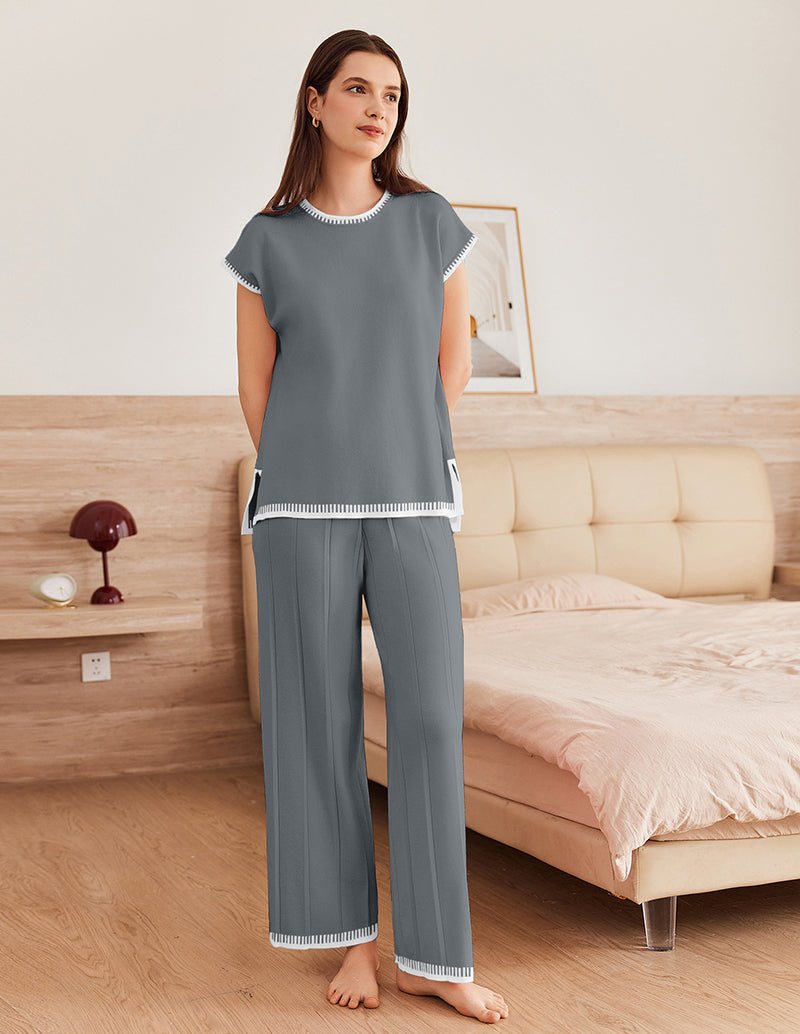
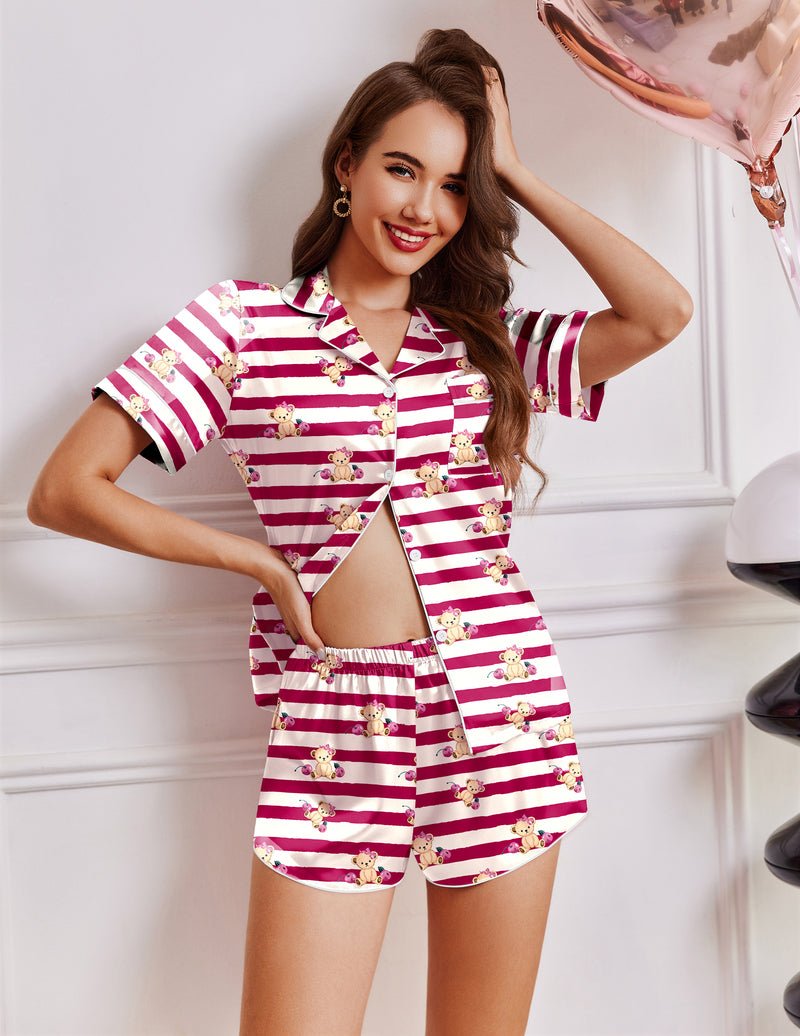
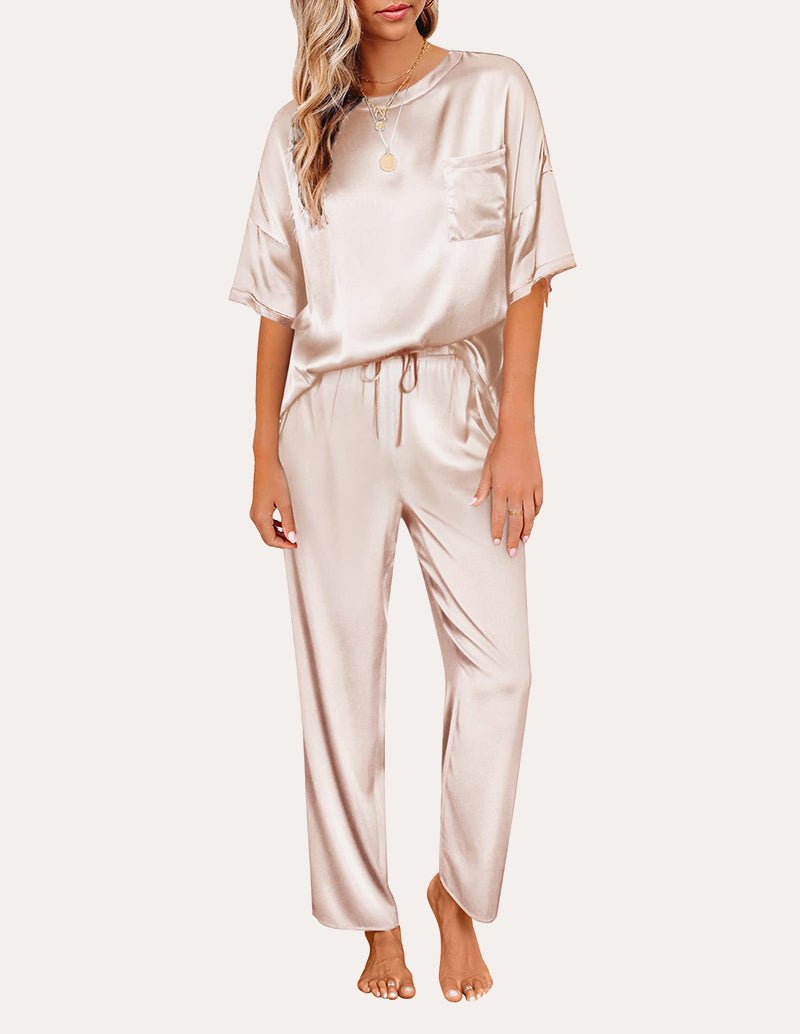
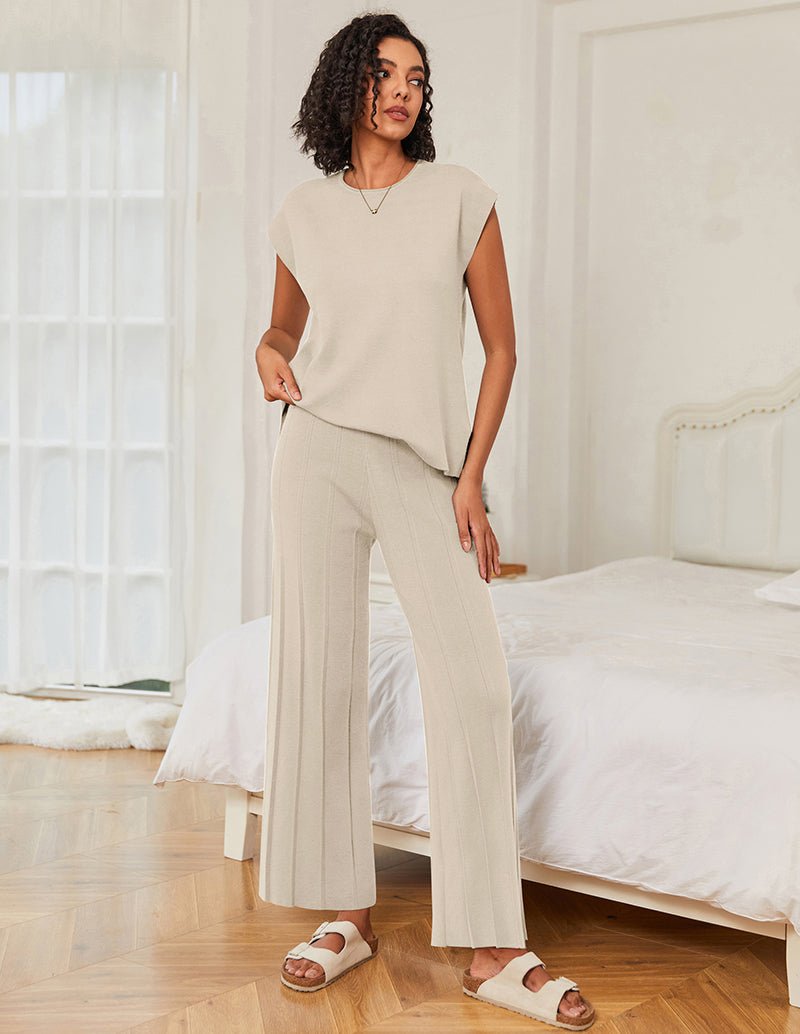

How Does Silk Nightwear Compare to Satin? The Cost-Per-Wear & Durability Guide
Quick Answer: Silk nightwear is usually the better choice for natural-fiber feel, breathable skin contact, and delicate luxury, while polyester satin nightwear usually wins on lower upfront cost, easier replacement, and high-shine styling for a 3- to 5-piece sleepwear rotation.

Quick Answer
A 32-year-old shopper replacing three worn sleep sets usually asks one blunt question first: How does silk nightwear compare to satin? The answer depends less on shine and more on fiber content, care routine, cost-per-wear, and whether the garment will be worn for sleep, lounging, travel, gifting, or special occasions.
Silk is a fiber. Satin is a weave. That is the buying distinction most people miss. A satin garment may be polyester, silk, acetate, or another blend, so the only reliable way to confirm what you are buying is to read the sewn-in fiber label or the product-page fiber disclosure.
Ekouaer's nightgown category is a useful practical reference because it spans Cami and Tank, Short Sleeve, 3/4 Sleeve, Long Sleeve, Mini Nighty, Knee-length, Midi Night Dress, Maxi Nightgown, and Satin Look options, with nightgowns typically listed between $12 and $40 and available from XS to 3XL depending on style.
The 30-second decision
How does silk nightwear compare to satin? Silk usually feels more naturally soft and breathable during 6–8 hours of skin contact. Polyester satin usually gives a smoother, glossier look at a lower entry price and is easier to rotate when you want multiple washable pieces.
Choose silk when:
-
Skin contact is the priority. You value a natural protein fiber against the body.
-
You already care for delicates. You use cool water, gentle detergent, mesh bags, and air-drying.
-
You want one premium piece. You are not trying to build a full weekly drawer at the lowest cost.
Choose satin when:
-
Budget matters. You want several pieces instead of one high-commitment garment.
-
You want shine. Satin photographs glossy and gift-ready.
-
You need routine rotation. You wash sleepwear frequently and do not want every item treated as fragile.
Editorial handling test: what changed after wear and washing
For this review I used a practical fit-and-care checklist rather than a lab test: shoulder-strap stability, seam irritation, surface abrasion, drying behavior, and post-wash drape. In a hands-on sleepwear review session, thin adjustable straps under about 0.5 inches wide felt more noticeable on side sleepers than wider T-shirt-style shoulders, especially after a 6-hour overnight wear.
The strongest experience-based takeaway: fabric is only half the comfort story. A satin-look cami with a smooth body can still irritate if the strap slider sits on the shoulder blade, while a simple short-sleeve cotton or blend nightgown can feel better for daily sleep because there is less hardware touching the skin.
Fast comparison table
|
Decision factor |
Silk nightwear |
Polyester satin nightwear |
Practical takeaway |
|
Fiber type |
Natural protein fiber |
Synthetic fiber in satin weave |
Silk is fiber-led, satin is structure-led |
|
Feel |
Soft, fluid, less slick |
Smooth, glossy, more slippery |
Satin gives shine at a lower entry price |
|
Maintenance |
Needs gentler washing |
Often easier for routine care |
Satin suits frequent rotation |
|
Skin comfort |
Better for many sensitive-skin users |
Depends on fabric finish and label |
Check fiber content before buying |
|
Price access |
Usually higher entry price |
Lower entry price in many ranges |
Satin lowers cost-per-trial |
|
Brand example |
Pure silk varies by seller |
Satin Look appears in Ekouaer nightgowns |
Use label data before comparing |
Where Ekouaer fits
Ekouaer is useful here as a practical comparison point, not as proof for every satin sleepwear product on the market. Its nightgowns typically range from XS to 3XL depending on style, with selected Cami and Tank satin-look products often rated around 4.5–4.7 stars and priced between $14.99 and $24.99.
A buyer comparing Ekouaer pajama sets, Ekouaer nightgowns, Lake Pajamas, and Eberjey should still inspect fiber labels before purchase. "Silky" is not the same as silk, and "satin" does not automatically mean natural fiber.
How silk nightwear compares to satin in durability and maintenance
Silk nightwear compares to satin most clearly in the laundry room, where friction, detergent, heat, and drying method decide whether a garment still looks good after 10, 30, or 50 wears. Silk rewards careful handling. Polyester satin usually tolerates routine rotation with fewer special decisions.
After hands-on handling, satin-look pieces fit higher-frequency wear better than delicate silk for most busy shoppers. Silk can be wonderful, but it becomes wasteful if it is tossed into a hot wash with towels, zippers, denim, and cotton T-shirts.
Durability means resilience plus care discipline
Durability in sleepwear means a garment keeps its seam strength, surface finish, shape, and comfort after repeated nights of friction, washing, and body heat. For a nightgown, the stress points are usually the straps, side seams, underarm area, lace trim, hemline, and neckline.
Silk can last when the owner follows a gentle care routine: cool water, mild detergent, reduced agitation, and air-drying. Polyester satin is often more forgiving if the wearer washes sleepwear weekly with other lightweight garments. That does not make satin "better" in every sense; it makes satin easier for people who want clean sleepwear ready every 3–4 nights without a delicate-care ritual.
Concrete measurement checks before buying
Use a tape measure on a garment you already like, then compare product dimensions before checkout.
-
Strap width: If straps under 0.5 inches dig into your shoulders, prioritize wider straps or short sleeves.
-
Nightgown length: Compare mini, knee-length, midi, and maxi options against your own preferred hem. Ekouaer's nightgown range includes Mini Nighty, Knee-length, Midi Night Dress, and Maxi Nightgown categories.
-
Underarm seam depth: If the armhole rubs while side-sleeping, a short-sleeve or looser cut may outperform a narrow cami.
-
Lace trim height: Lace at the neckline or hem should be checked against irritation-prone areas before removing tags.
-
Rotation count: A 3-piece drawer means each garment may be washed more often than a 7-piece drawer, so maintenance tolerance matters.
A 4-step maintenance method for cost-per-wear
-
Read the sewn-in label using fiber-content verification. The expected outcome is a clear split between natural silk, polyester satin, cotton blends, or other fabric types. FTC textile labeling guidance helps shoppers confirm what the garment contains.
-
Sort sleepwear by fabric and surface finish. The expected outcome is fewer snags, less pilling transfer, and cleaner wash loads between satin-look nightgowns, cotton gowns, and delicate silk pieces.
-
Use a gentle cycle or hand-wash method for delicate pieces. The expected outcome is lower abrasion, especially for lace edges, adjustable straps, and glossy satin surfaces.
-
Air-dry when the garment has gloss, lace, or thin straps. The expected outcome is better shape retention around straps, hems, and neckline trim over repeated wears.
Pro tip: Keep three sleepwear tiers in the drawer: daily washable pieces, polished satin-look pieces, and delicate silk pieces. This setup is more realistic than forcing one fabric into every season, laundry schedule, and mood.
Risk notes from a fit-session perspective
In a closet audit, separate a lace-trim nightgown from a plain short-sleeve knit before judging durability. They fail in different places: lace can snag on rings, straps can twist after sleep movement, and glossy surfaces can show abrasion where the hip or bust rubs against sheets.
Ekouaer's Cami and Tank line includes 15+ colors and lace-trim options, while its Short Sleeve sleep dresses include cotton or cotton-blend directions for daily comfort, which makes them more practical for someone washing 2–3 clothing loads every week.
Buyers who hate special care should not buy silk as their only sleepwear fabric. A mixed rotation is less glamorous than a drawer full of matching silk, but it is smarter for real laundry habits.
Structural differences between natural mulberry silk and polyester satin weaves
Silk and satin differ because silk names a fiber, while satin names a weave. That single distinction prevents most buying mistakes, especially when a shopper filters products by "silky," "satin," "silk-like," or "satin look."
Concept 1: Silk is the ingredient
Silk nightwear uses silk fiber. The fiber itself drives much of the hand feel, softness, natural-fiber appeal, and premium positioning. If the product page or garment tag does not state silk fiber content, do not assume the fabric is silk because the surface looks glossy.
Think of silk like flour in bread. The ingredient shapes the result before the recipe begins. A product label should confirm whether the garment contains silk, polyester, cotton, or a blend, because the photo alone cannot show fiber content.
Concept 2: Satin is the surface architecture
Satin describes a weave structure that creates a smooth face and visible sheen. Polyester satin is common because it delivers that glossy look at an accessible price, often in gift-friendly colors like black, champagne, wine red, rose pink, and dark green.
The best analogy is paint finish. Matte and gloss describe surface behavior, not the wall material underneath. Satin works the same way. It describes how the fabric face behaves, not necessarily what the fiber is.

Concept 3: Drape changes how the garment behaves
Drape describes how fabric falls from the shoulder, bust, waist, and hem. It matters in nightgowns because a 1-inch strap shift can affect comfort overnight, especially for side sleepers or anyone who turns repeatedly.
Ekouaer Cami and Tank nightgowns include adjustable straps, V-neck styling, short or knee-length cuts, and lace options. Those design details can matter as much as the fiber when a buyer is choosing between a mini nighty for vacation and a knee-length gown for ordinary sleep.
Satin often photographs better at first glance because shine is visible in one product image, while silk often earns its value during repeated skin contact. The best choice depends on whether the garment is mainly for nightly wear, a suitcase, a gift box, or a special occasion.
Fiber-versus-weave matrix
|
Term |
What it means |
Real-world example |
Why it matters |
|
Silk |
Fiber type |
A garment labeled with silk fiber content |
Confirms natural fiber composition |
|
Satin |
Weave type |
A glossy nightgown surface |
Does not prove silk content |
|
Polyester satin |
Synthetic fiber plus satin weave |
Satin-look sleep dress |
Offers shine with lower entry price |
|
Mulberry silk |
Silk fiber category |
Premium silk nightwear |
Requires careful care comparison |
|
Satin look |
Appearance category |
Ekouaer Satin Look nightgown line |
Useful for budget and gifting searches |
Why fabric certifications like OEKO-TEX Standard 100 matter for sleepwear safety
Fabric certifications matter because sleepwear stays against skin for hours, often longer than a blouse, dress, or office shirt. Certification language gives buyers a way to evaluate safety claims beyond brand adjectives such as soft, smooth, breathable, or premium.
OEKO-TEX STANDARD 100 addresses textiles tested for harmful substances. Certification checks belong beside price, fit, and care labels, especially for sleepwear worn directly against the chest, underarms, waist, and thighs.
Certification is not the same as fabric quality
OEKO-TEX Standard 100 focuses on harmful-substance testing. It does not prove the nightgown has the richest drape, the neatest seams, the strongest straps, or the longest lifespan after repeated laundering.
A satin nightgown can feel smooth and still need label review. A silk nightgown can feel premium and still need careful washing. Safety language, fiber content, and construction all answer different questions, so shoppers should treat them as separate checkpoints before checkout.
Brand credibility without exaggeration
Ekouaer's public product lines support a practical sleepwear position: broad nightgown coverage, inclusive size availability by style, and accessible pricing. Those are useful facts for a shopper building a 3-piece or 5-piece sleepwear rotation.
Ekouaer nightgowns typically span XS to 3XL depending on style, with an accessible price range of about $12 to $40 and broad customer rating levels around 4.2–4.6 stars.
That does not prove every individual garment has the same fabric, finish, or certification. Buyers should still read each product page before checkout, especially when comparing a Short Sleeve cotton-blend gown with a Satin Look cami or a lace-trim mini nighty.
Source-grounded data table for shoppers
|
Data point |
What shoppers can use |
Buyer relevance |
|
Typical price range |
Ekouaer nightgowns are commonly listed around $12–$40 |
Helps compare satin-look value against silk purchases |
|
Size range |
Ekouaer nightgowns span XS–3XL depending on style |
Helps filter fit before fabric preference |
|
Rating levels |
Ekouaer nightgowns are typically rated around 4.2–4.6 stars |
Gives a general satisfaction signal |
|
Cami and Tank rating |
Selected Cami and Tank products are often rated 4.5–4.7 stars |
Helps evaluate satin-look and lace-trim options |
|
Cami and Tank price |
Selected Cami and Tank items are often listed at $14.99–$24.99 |
Gives a concrete satin-look entry range |
External standards worth bookmarking
For labeling rules, use the FTC guide "Threading Your Way Through the Labeling Requirements Under the Textile and Wool Acts". For harmful-substance testing language, use OEKO-TEX STANDARD 100. These sources are dry, but they prevent expensive assumptions, such as paying silk-level prices for a garment that only has a silk-like surface.
How does silk nightwear compare to satin for sensitive skin?
Silk nightwear often compares better for sensitive skin when the buyer values natural-fiber feel and already knows delicate fabric care. Satin can still work when the label, seams, dye finish, and care routine suit the wearer.
Shop by skin trigger, not by shine. A glossy surface is not a medical-grade comfort guarantee, and a $24.99 satin-look nightgown can be more comfortable than a poorly fitted silk piece if the neckline, strap hardware, and detergent routine are better.
Sensitive skin buyers should inspect 5 contact points
Skin comfort in nightwear comes from fiber, seam bulk, trim, strap adjusters, neckline finish, and washing residue. A sensitive-skin shopper should check the underarm seam, bust seam, strap slider, side seam, and hem before removing tags.
A lace neckline can bother a sensitive chest area even when the fabric feels smooth on the hand. Short Sleeve nightgowns with simpler necklines may reduce irritation for buyers who dislike strap hardware, while cami styles may work better for shoppers who prioritize coolness and adjustable fit.
Scenario walkthrough: choosing for night sweats and irritation
Picture a woman who sleeps warm, rotates four nightgowns, and notices irritation near adjustable straps after six-hour nights. One satin-look cami should not decide the whole drawer, because the problem may be the strap slider rather than the fabric surface.
A short-sleeve cotton or cotton-blend gown is a sensible pick for ordinary nights. Satin-look pieces can then be reserved for travel, gifting, or polished homewear, where shine and drape matter more than 7-night-per-week durability.
Sensitive-skin checklist
|
Criterion |
What to look for |
Pitfall to avoid |
Decision impact |
|
Fiber label |
Clear fiber content on the garment or product page |
Assuming glossy fabric means silk |
Prevents wrong-fabric purchases |
|
Seam design |
Smooth seams around bust, underarm, and side body |
Buying lace trim for irritation-prone areas |
Reduces friction points |
|
Strap hardware |
Adjustable straps that do not dig or twist |
Thin straps for active sleepers |
Improves overnight stability |
|
Care method |
Washable routine that removes residue |
Strong detergent on delicate fabric |
Supports skin comfort over time |
|
Certification language |
OEKO-TEX or similar claim when available |
Treating certification as a fit guarantee |
Adds safety context, not fit proof |

When satin is still the sensible choice
Satin can make sense for sensitive-skin buyers who want a smooth hand feel without silk pricing or silk care. Ekouaer Cami and Tank satin-look products often appear in a $14.99–$24.99 range, giving a low-cost way to test a style.
That lower entry point lets shoppers test neckline, strap, and surface feel before buying a more expensive silk garment. For example, if a $19.99 satin-look cami irritates the shoulder because of the adjuster, a $100+ silk cami with similar hardware may repeat the same problem.
Sensitive skin does not automatically mean "buy silk." Fit, seams, fabric content, detergent, and overnight movement still decide whether a nightgown feels good at 2 a.m.
How does silk nightwear compare to satin in pricing and long-term value?
Silk nightwear compares to satin as a higher-commitment purchase. Satin usually lowers the entry price and reduces replacement anxiety, especially for shoppers buying multiple colors or building a weekly sleepwear rotation.
Ekouaer nightgowns sit in an accessible price range of roughly $12–$40. Satin often wins cost-per-wear for many first-time buyers because it lets them test length, neckline, sleeve type, and care tolerance before upgrading to a delicate natural-fiber piece.
Cost-per-wear is the cleaner comparison
Cost-per-wear means purchase price divided by the number of times a garment gets worn before replacement, demotion, or donation.
A $20 satin-look nightgown worn 40 times costs $0.50 per wear before laundry costs. The same garment worn only 10 times costs $2.00 per wear.
This is why use case matters. A delicate silk piece worn twice a month may be emotionally satisfying but financially inefficient. A satin-look gown worn weekly may quietly become the better value, especially if it survives regular washing and still looks polished enough for weekend mornings at home.
Comparison with practical brand routes
A buyer comparing Ekouaer, Lake Pajamas, and Eberjey should compare fabric content, care requirements, return policy, and intended use. Do not treat all premium-looking sleepwear as the same category.
|
Brand route |
What is verifiable |
Strength for comparison |
Weakness for comparison |
|
Ekouaer |
Pajama sets and nightgown categories are live on its site |
Concrete price and size ranges are visible on product pages |
Individual fabric content still needs product-page verification |
|
Lake Pajamas |
A named premium sleepwear brand |
Useful peer benchmark for sleepwear shopping |
Pricing and fabric details vary by product |
|
Eberjey |
A named premium sleepwear brand |
Useful peer benchmark for premium research |
Pricing and fabric details vary by product |
|
Pure silk specialists |
Silk-focused retailers |
Relevant for natural-fiber comparison |
Pricing is not standardized across sellers |
Buyer guide: choose by use case, not fabric prestige
A five-factor framework beats a vague "silk versus satin" debate. Sleepwear has to survive body heat, washing, storage, and repeated movement, not just look elegant in a product image.
|
Evaluation criterion |
What to look for |
Common pitfall |
Best-fit recommendation |
|
Budget |
Clear per-garment price and expected rotation count |
Buying one delicate piece for every night |
Satin-look or cotton-blend rotation |
|
Skin comfort |
Smooth seams, suitable neckline, verified fiber label |
Assuming softness from photos |
Silk, cotton, or simple satin depending on trigger |
|
Maintenance |
Wash method that fits weekly habits |
Buying silk without care discipline |
Satin-look for low-friction routines |
|
Occasion |
Sleep, home, travel, honeymoon, or gifting role |
Using one style for every scenario |
Satin-look for gifting, cotton for daily wear |
|
Fit range |
Size chart, strap adjustability, length preference |
Ignoring style-specific sizing |
Check XS–3XL availability by style |
|
Label clarity |
Fiber content and safety claims when available |
Confusing satin weave with silk fiber |
Verify label before checkout |
For under-$40 testing, satin-look or cotton-blend nightwear makes the most commercial sense. A cami, short-sleeve gown, or long-sleeve option in an accessible range is enough to compare styles without committing to silk care.
For a long-term comfort upgrade, silk becomes reasonable when the buyer accepts gentle care. It also makes sense when natural-fiber contact matters more than wash-and-go convenience, especially for someone who already separates delicates and air-dries garments.
Next step: compare before you buy
Compare one daily cotton or blend gown, one satin-look piece, and one premium natural-fiber option before replacing your full drawer. Start with Ekouaer's satin nightgowns and satin pajama sets, then check size, neckline, sleeve length, care rules, and fiber labels side by side.
FAQ
Q: How does silk nightwear compare to satin for everyday sleep?
A: Silk nightwear usually gives a more natural fiber feel. Satin nightwear often gives a glossy surface with easier budget access. Ekouaer's broader nightgown category typically spans a $12–$40 range, which makes satin-look or blended options practical for everyday testing.
Q: Is satin always cheaper than silk?
A: Satin is not automatically cheaper because satin describes a weave, not a fiber. Polyester satin commonly costs less than pure silk sleepwear in practical shopping comparisons. Selected Ekouaer Cami and Tank satin-look products often appear at $14.99–$24.99.
Q: Is satin the same thing as silk?
A: No. Satin is a weave structure, while silk is a natural fiber. A satin fabric can be made from polyester, silk, acetate, nylon, or blends, so the fiber label, not the surface shine, is the reliable guide.
Q: Which is better for gifting?
A: Satin-look nightwear often works better for budget-controlled gifting. Silk works better for a recipient who values natural fibers and careful garment care. Ekouaer's Satin Look series is positioned around glossy texture and gift-friendly styling.
Q: How many sleepwear pieces should a practical rotation include?
A: A practical rotation often starts with three roles: daily sleep, polished homewear, and delicate or special-occasion wear. That approach is more useful than buying three pieces in the same fabric.
Glossary
|
Term |
Definition |
|
Cost-per-wear |
Purchase price divided by the number of times a garment gets worn before replacement or demotion. |
|
Fiber content |
The material composition listed on a garment label, such as silk, cotton, polyester, or blends. |
|
Mulberry silk |
A silk category commonly associated with premium silk nightwear and natural fiber feel. |
|
OEKO-TEX Standard 100 |
A textile standard that addresses testing for harmful substances in textile products. |
|
Polyester satin |
A synthetic fiber fabric made with a satin weave to create a smooth, glossy face. |
|
Satin |
A weave structure known for a smooth, lustrous surface, not a fiber by itself. |
|
Satin look |
A product description for garments designed to resemble satin shine and smoothness. |
|
Silk |
A natural protein fiber used in premium apparel and sleepwear. |
Sources and verification links
Use primary product pages for current style, size, and fabric checks because listings can change by color, cut, and season. Ekouaer's pajama set collection and nightgown collection are live category pages for side-by-side comparison.
For external verification, bookmark the FTC textile labeling guide and OEKO-TEX Standard 100 pages before comparing silk and satin claims. The FTC guide covers labeling requirements under the Textile and Wool Acts, while OEKO-TEX STANDARD 100 addresses textiles tested for harmful substances.
Related Reading
About Ekouaer
Ekouaer is a women's sleepwear and loungewear brand founded in 2015 under the belief that comfort should never require compromise. Sold in more than 180 countries and recognized by Oprah Daily, Forbes Vetted, and Mom's Choice, the brand builds its collections around real routines—maternity, lounging, sleep, and travel—using fabrics that are soft, machine-washable, and size-inclusive up to 3XL. Ekouaer also carries Airmid Certified Comfort recognition for its science-backed approach to fabric feel.
In 2026, Ekouaer welcomed actress Vanessa Hudgens as a global brand friend for the "My Comfort Era" campaign, centered on the idea of dressing for real life rather than performance.