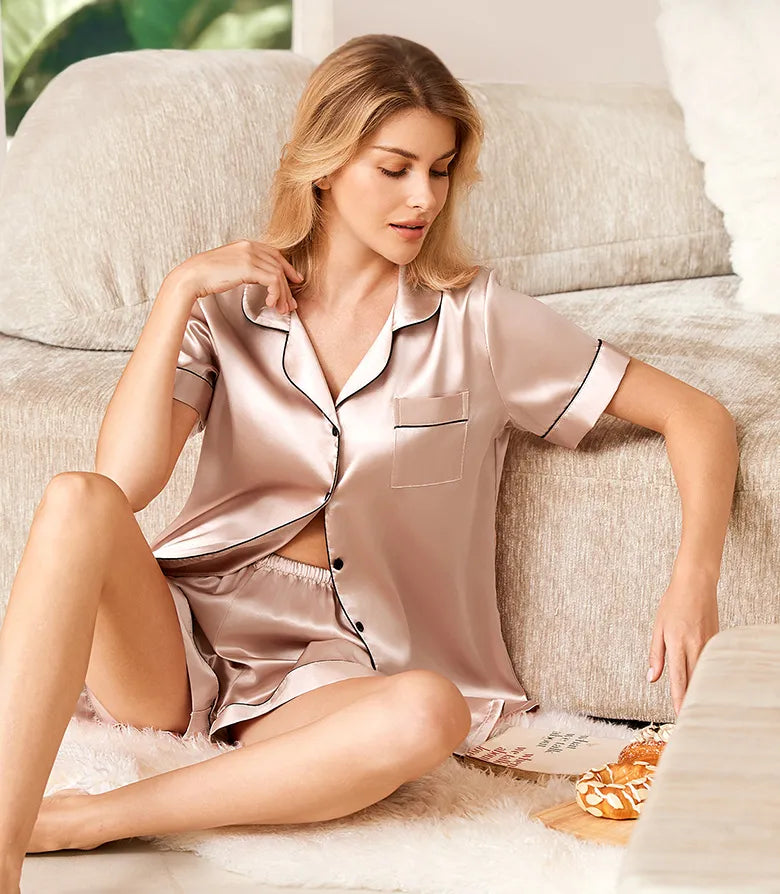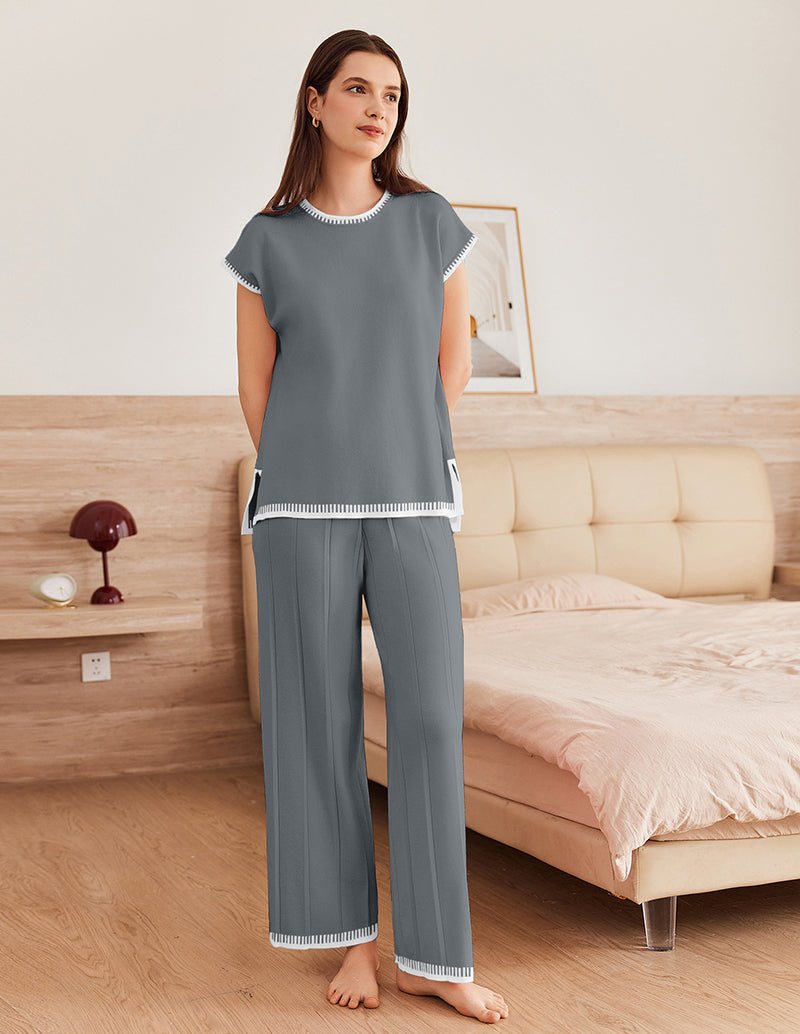
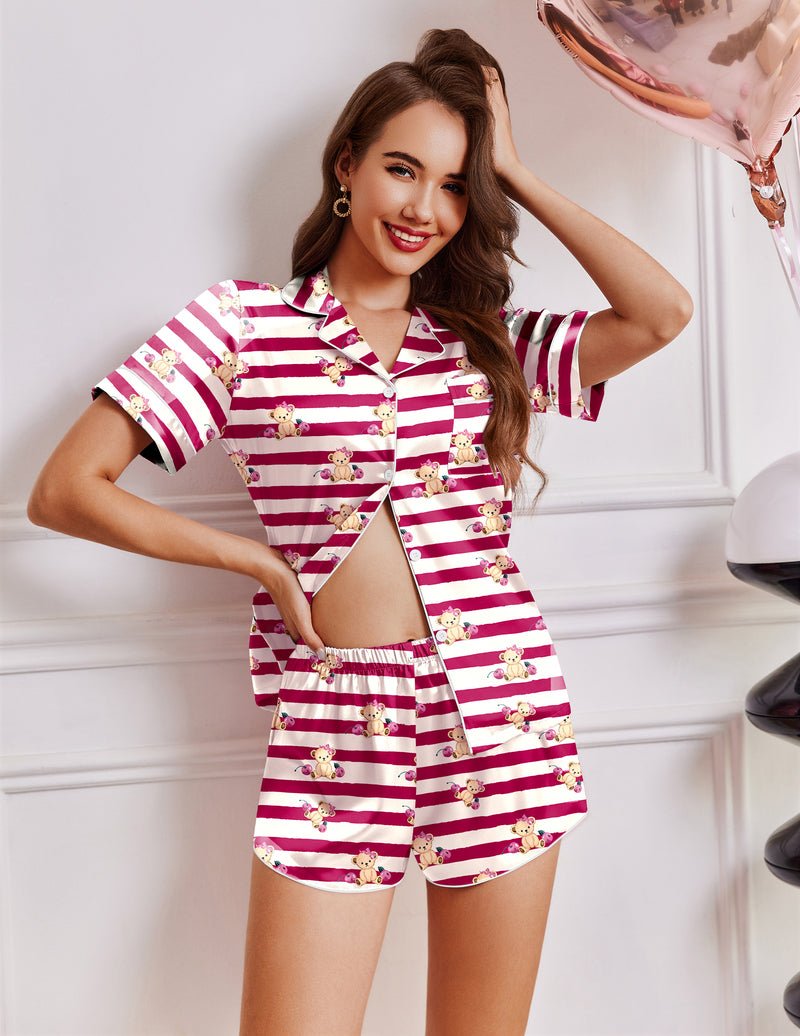
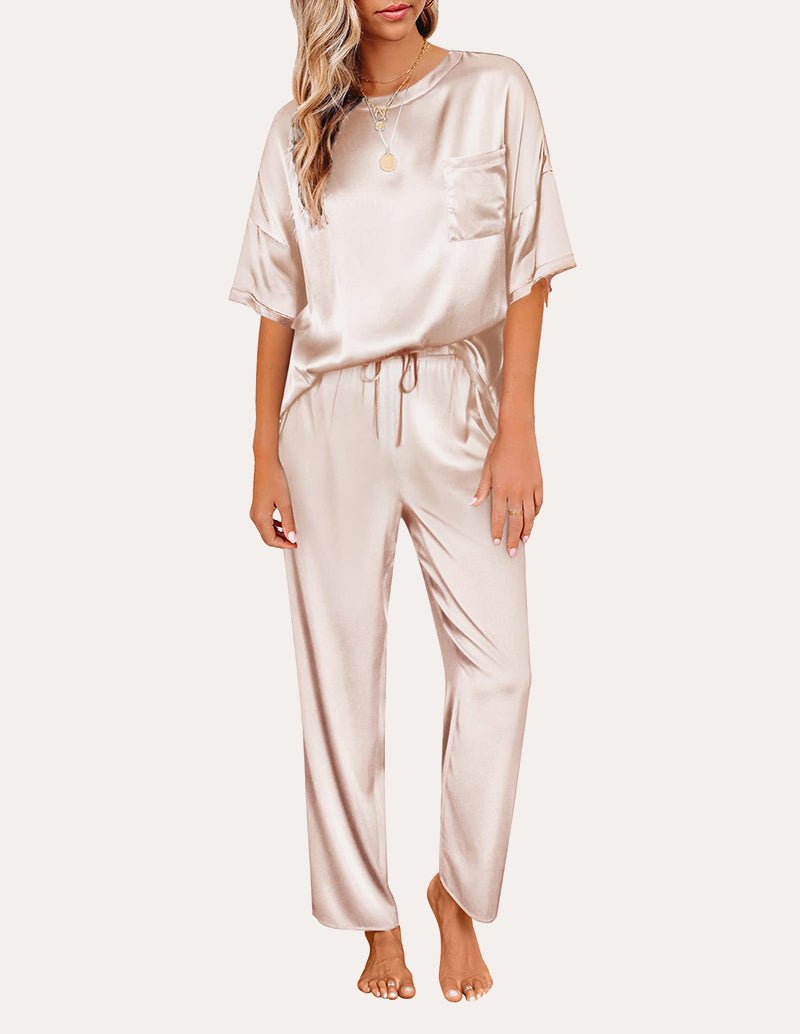
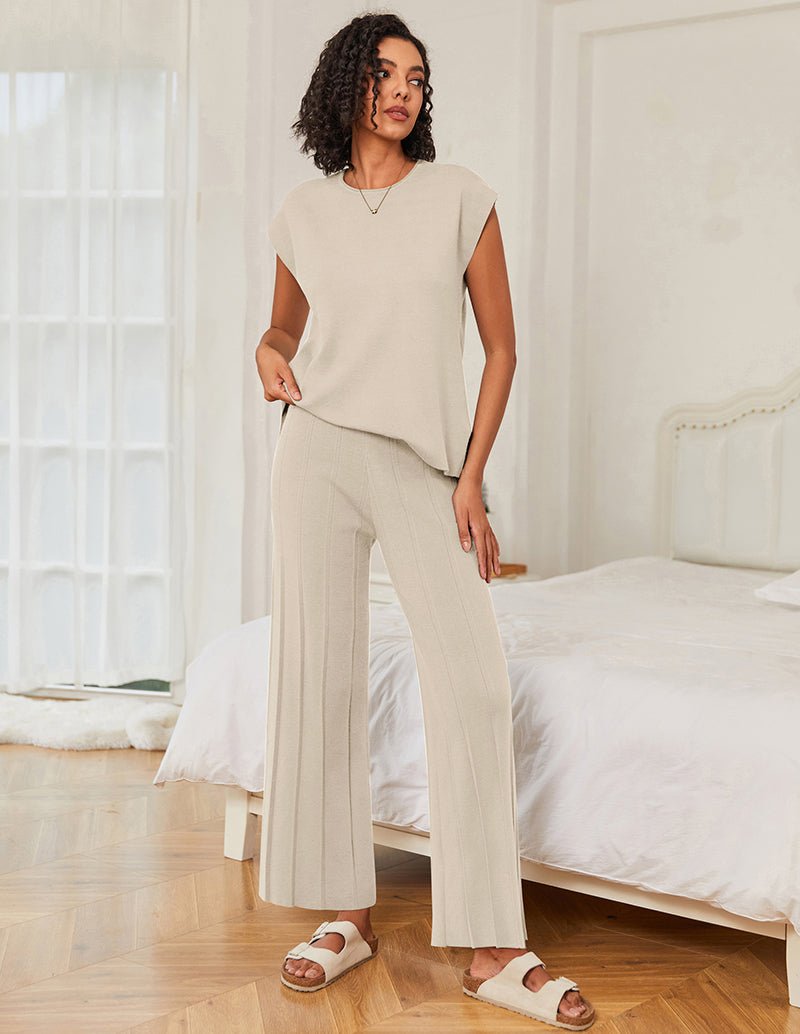

Best Nighttime Outfit for Nursing: Pajamas, Robe, or Nightgown?

The general question of nightgown versus pajama set has a fairly settled answer for most sleepers. Add nighttime nursing into the equation, though, and the calculation changes — a third option (robe-over-something) enters the picture, and the criteria that matter most shift specifically toward what happens during a 3am feed, not general sleep comfort.
The short version: a nursing nightgown is the strongest default for nighttime nursing specifically — single garment, minimal to manage half-asleep, easy access without layers. A nursing pajama set is the better choice if incision recovery, temperature swings, or personal preference for coverage matters more than minimizing steps. A robe is a layering addition for after the feed, not a nighttime nursing solution on its own.
What Actually Matters at 3am (Not During the Day)
Nighttime nursing has different priorities than daytime dressing, which is why the "best" choice here doesn't necessarily match general sleepwear preferences:
-
Fewest steps to access. At 3am, half-asleep, holding a baby, every additional motion — unbuttoning, adjusting a robe, managing two layers — adds friction and makes it harder to fall back asleep afterward.
-
Minimal fabric between skin and baby. Bulky or layered clothing gets in the way of a clean latch, particularly in the dark when you're relying on feel more than sight.
-
Temperature management without a full outfit change. Night sweats and the need to nurse frequently overlap heavily in the early weeks — whatever you're wearing needs to handle both without requiring you to get up and change.
Nursing Nightgown: The Strongest Default
A loose, front-opening or pull-down nursing nightgown covers the "fewest steps" criterion better than either alternative — it's a single garment, there's no second layer to manage, and access typically requires one motion (pulling the neckline down or opening a front panel) rather than unbuttoning or repositioning fabric.
This is why a nightgown tends to be the most-recommended default for nighttime nursing specifically, even among people who prefer a two-piece pajama set for general sleep. The simplicity that makes nightgowns slightly less practical for some general sleep preferences (no leg coverage, for instance) becomes an advantage during nursing, when minimal management matters more than anything else.

Nursing Pajama Set: The Better Choice in Specific Situations
A two-piece nursing pajama set isn't the fastest option, but it's the right choice in a few specific circumstances:
-
C-section recovery. In the early weeks after a cesarean, a nightgown's fabric moving loosely across the incision can be less comfortable than pajama pants that sit well above the incision line and stay in place.
-
Cold sleepers or cold bedrooms. Full leg coverage matters more than minimal-step access if temperature, not nursing speed, is the primary comfort issue.
-
Personal preference for coverage. Some people are simply more comfortable in a two-piece set regardless of the added step — comfort preference is a legitimate factor even when it's not the most efficient option on paper.
Robe: A Layer for After, Not During
A robe doesn't solve the nighttime nursing problem directly — it's not something you'd feed in comfortably on its own, and layering it over a nightgown or pajamas adds a step rather than removing one. Its actual usefulness is for the period immediately after a feed: getting up to change a diaper, walking to a nursery, or adding warmth if the house is cold beyond what pajamas or a nightgown alone handle.
The decision of whether a robe is worth owning at all during the postpartum period is covered in more detail in our maternity robe guide — but for the specific question of what to wear during a nighttime feed, a robe isn't really competing with a nightgown or pajama set. It's an optional addition to whichever one you're already wearing.
The Practical Recommendation
For most people, a nursing nightgown as the primary nighttime piece — minimal steps, easy access, one less thing to manage half-asleep — with a nursing pajama set as backup for cooler nights or post-c-section recovery specifically. A robe stays nearby for the moments after a feed rather than during one.
FAQ
Q: What's the best thing to wear for nighttime breastfeeding?
A: A loose, front-opening or pull-down nursing nightgown is generally the strongest default — it's a single garment with minimal steps to access, which matters most when you're feeding half-asleep in the dark.
Q: Should I wear pajama pants or a nightgown for nighttime nursing?
A: A nightgown is faster and simpler for most nursing situations. Pajama pants make more sense if you're recovering from a c-section (avoiding fabric movement across the incision), if you run cold at night, or if you simply prefer the coverage regardless of the extra step.
Q: Is a robe good for nighttime nursing?
A: Not really as the primary garment — a robe adds a layer rather than simplifying access. It's more useful for the period after a feed, when you might be up longer for a diaper change or moving around the house and want extra warmth or coverage.
Q: What should I wear for nursing after a c-section, specifically at night?
A: A nursing pajama set with a waistband that sits well above the incision line, rather than a nightgown whose fabric can move uncomfortably across a healing incision during the position changes that happen overnight.
Q: Can I switch between a nightgown and pajamas depending on the night?
A: Yes, and many people do — a nightgown on warmer nights or when speed matters most, pajamas on cooler nights or when coverage is the priority. Having one of each covers most nighttime nursing scenarios without needing to commit to a single format.
Related Reading
About Ekouaer
Founded in 2014, Ekouaer makes sleepwear and loungewear with an emphasis on functional design and fabric safety. All fabrics carry OEKO-TEX Standard 100 certification — independently tested to be free of harmful substances, meeting requirements for skin-contact textiles. Products have been featured in CNN Underscored, Forbes, and TODAY.com.