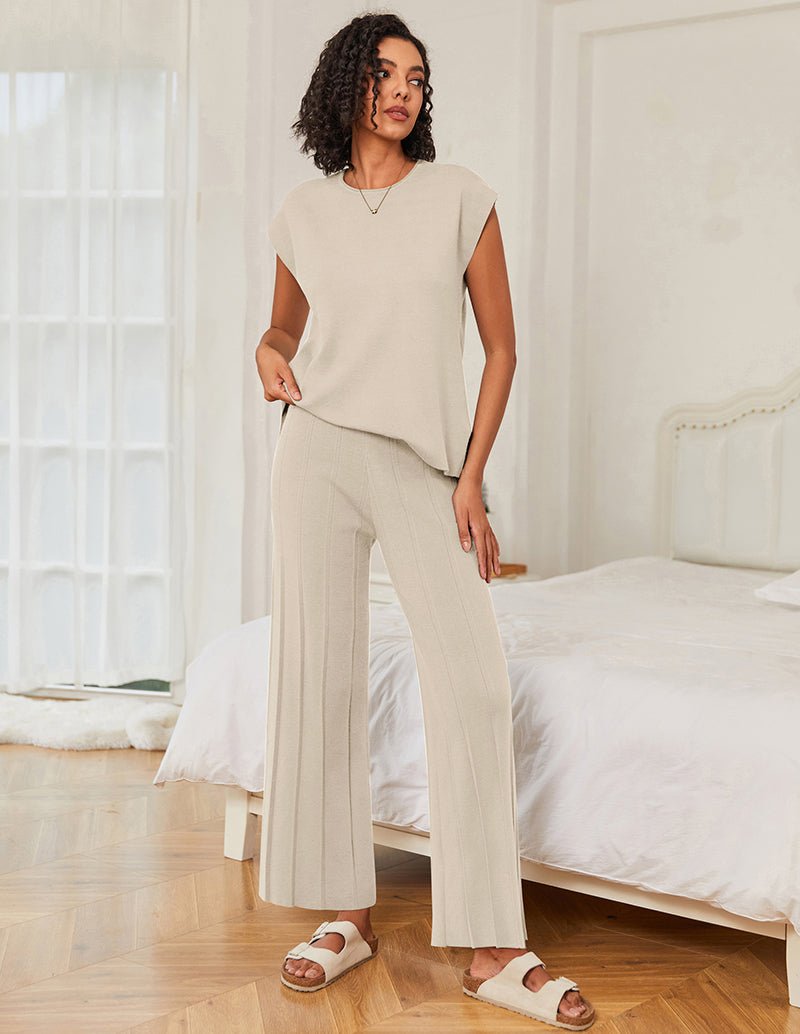
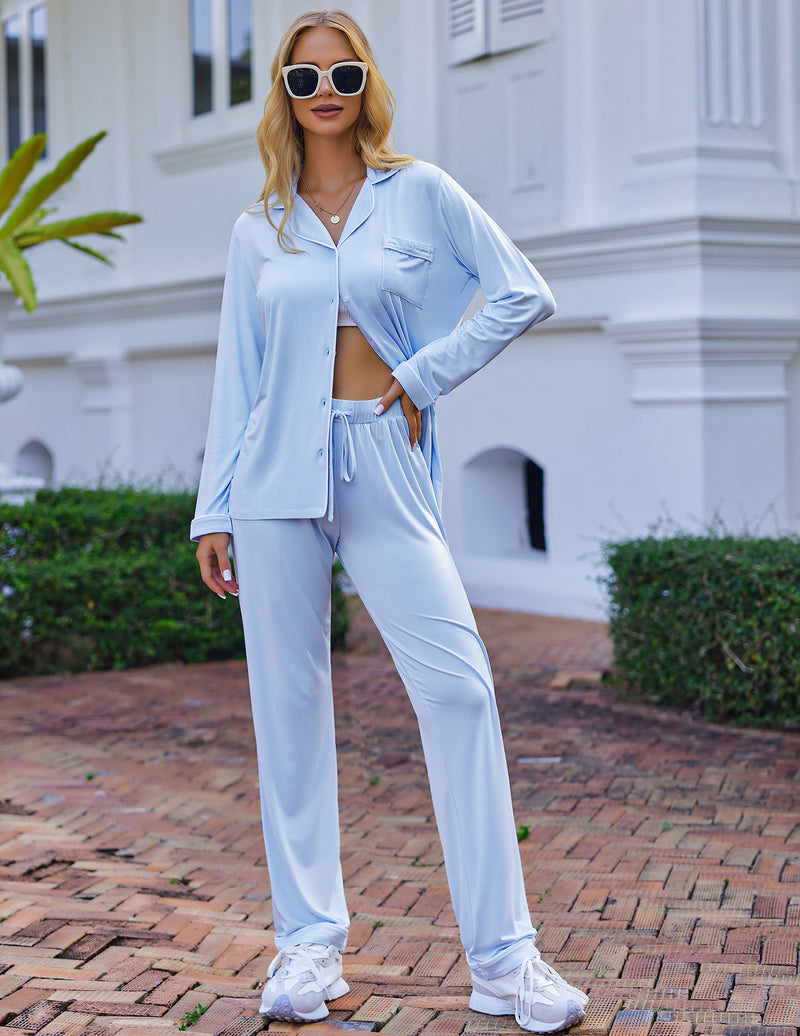
Best Breathable Pajamas for Cold Nights 2026: How To Avoid Overheating While Staying Warm

Cold bedrooms push most shoppers toward the warmest pajamas on the rack. The trade-off shows up around 3 a.m.: you wake up damp, kick the covers off, then get cold again. The fix is rarely "heavier fabric." It is breathable pajamas for cold nights — pieces that hold a thin layer of warm air at lights-out, then move body heat and moisture away from your skin as sleep deepens. This guide explains why overheating happens on cold nights, what to look for in fabric and fit, and which materials balance warmth and breathability for bedrooms that swing from 60°F to 70°F overnight.
Key Takeaways
-
Overheating on cold nights is usually a fabric-and-fit problem, not a room-temperature problem.
-
Breathable pajamas work by holding warm air inside the fibers while letting water vapor escape outward.
-
Cotton, modal, bamboo-derived viscose, and lightweight merino are common picks; flannel and waffle knit work for cooler rooms.
-
Fit matters: skin-tight synthetics trap heat; relaxed two-piece sets let air move.
-
Cool wash and low-heat drying keep breathability intact over time.
Why Do You Overheat In Pajamas On Cold Nights
Your core body temperature drops 1–2°F during the natural sleep cycle, while you still release heat and moisture through your skin. The Sleep Foundation's bedroom-temperature guide notes that most sleepers stay comfortable around 65°F and that warmer rooms are linked to lighter, more fragmented sleep (Sleep Foundation, Bedroom Temperature).
The conflict on a cold night is real. You climb into bed cold, so you reach for the thickest set you own. By the second sleep cycle, your body is doing its normal heat dump, but the thick fabric has sealed in warm air and stopped moisture from moving away. You wake up clammy, push the duvet off, cool down too fast, and the cycle repeats. Breathable pajamas for cold nights solve this by holding a thin warm layer at the start, then moving water vapor out as your body temperature drops. Heavy fleece under a thick comforter, airless synthetics, and tight loungewear all make the problem worse.
Key Fabric Traits For Warm-Yet-Breathable Women's Sleepwear
Before comparing materials, it helps to know the four properties that decide how a pajama feels across an 8-hour night.
-
Thermal resistance. How well a fabric holds warm air. Brushed flannel scores higher than jersey; Merino scores high for its weight.
-
Moisture vapor transmission. How fast sweat moves through fabric. Loose weaves and natural fibers tend to score higher than tightly woven synthetics.
-
Air permeability. How easily air passes through. Open weaves (waffle, pointelle) breathe well; tightly woven satins and fleeces do not.
-
Softness against skin. A rough waistband disrupts sleep and tempts you to overheat by tossing.

Temperature regulating sleepwear women tend to do well with usually combines two of these — enough thermal resistance to feel cozy at bedtime, plus enough air permeability to dump heat during the second half of the night.
How To Choose Breathable Pajamas For Cold Fall-Winter Nights
A few practical rules cover most US fall and winter bedrooms, where nights commonly sit between the high 50s and mid-60s indoors.
-
Start from your bedroom temperature, not the season. A room that holds 68°F overnight does not need the same set as one that drops to 60°F.
-
Pick the weight before the pattern. Look for fabric weight in GSM (grams per square meter) when listed. For cool bedrooms, many sleepers prefer 140–200 GSM; below that, the set runs cool; above 250 GSM, it often runs hot under a comforter.
-
Choose a relaxed fit. A relaxed pant and long-sleeve top usually beats a fitted thermal for breathability.
-
Layer for the start, not the middle, of the night. A breathable long-sleeve set plus a light throw gives you something to push off at 3 a.m.
-
Rotate two sets. Rotating gives fibers time to air out and keeps elasticity in shape.
For one place to compare fabric options, Ekouaer women's pajama sets cover the main weights and weaves — cotton, satin, flannel, waffle knit, and knit lounge styles. For a colder-season refresh, the Ekouaer x Vanessa Hudgens "My Comfort Era" edit applies the same lightweight knits and satins to at-home layering.
Common Fabrics Compared: Pros & Cons For Cool-Warm Bedroom Conditions
The table below summarizes how the most common pajama fabrics behave in a fall or winter bedroom. "Best for" is a starting point, not a rule.
| Fabric | Warmth | Breathability | Trade-offs | Best for |
| Cotton (jersey, woven) | Medium | High | Holds moisture when very damp | Year-round in moderate rooms |
| Cotton flannel (brushed) | High | Medium-High | Bulky under a heavy duvet | Cool bedrooms (60–64°F) |
| Modal / TENCEL™ | Medium | High | Snug fit can reduce airflow | Hot sleepers in cool rooms |
| Bamboo-derived viscose | Medium | High | Care varies by blend | Sensitive skin, hot sleepers |
| Lightweight merino wool | High | High | Higher price; some find it itchy | Variable overnight temps |
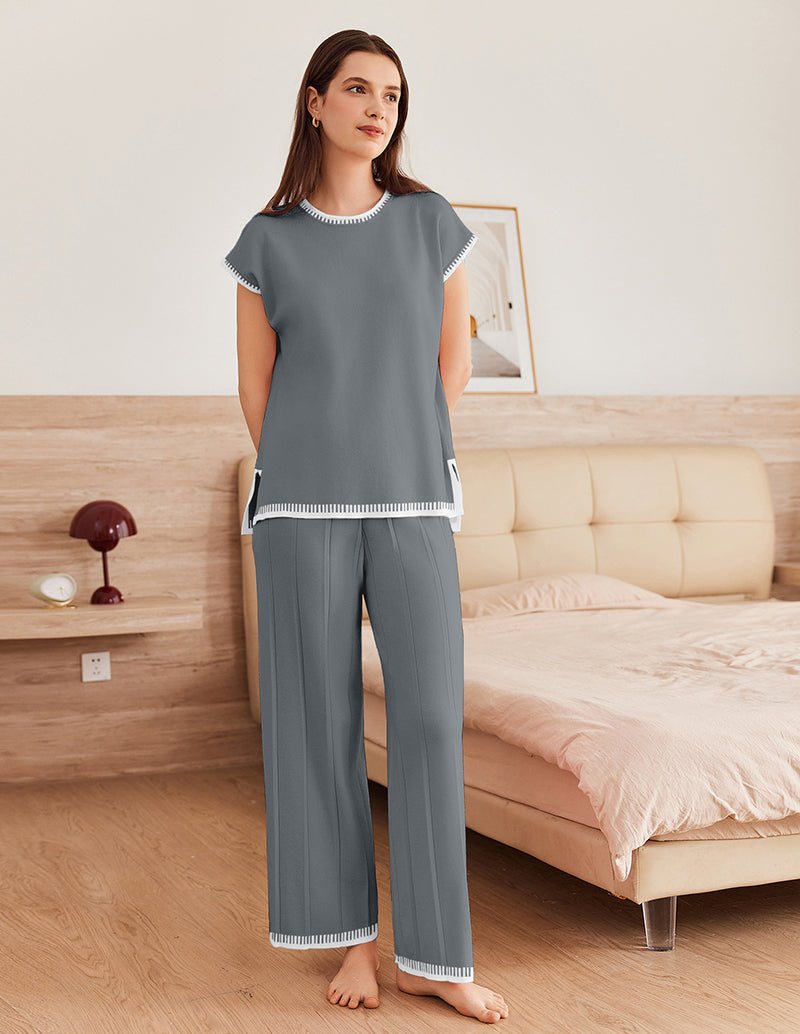
| Waffle knit (cotton or blend) | Medium-High | High | Looser weave feels less "dressy" | Cool bedrooms with one duvet |
| Satin (polyester-based) | Low-Medium | Medium | Less insulating for cold rooms | Layering piece, warm sleepers |
| Heavyweight fleece / sherpa | Very High | Low | Traps heat and moisture | Cold sleepers in very cool rooms |

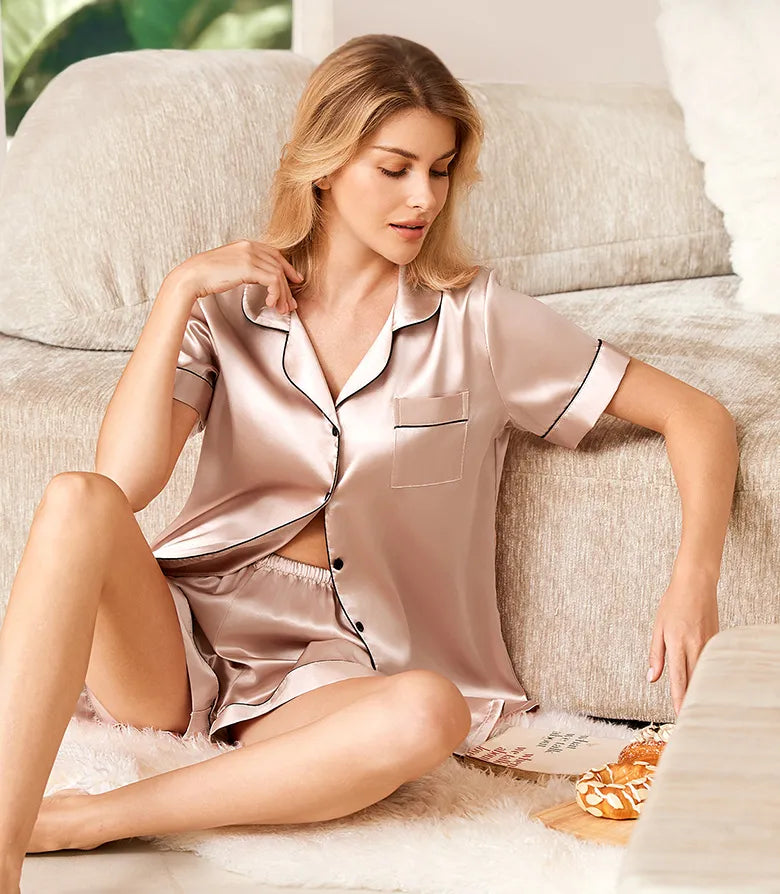
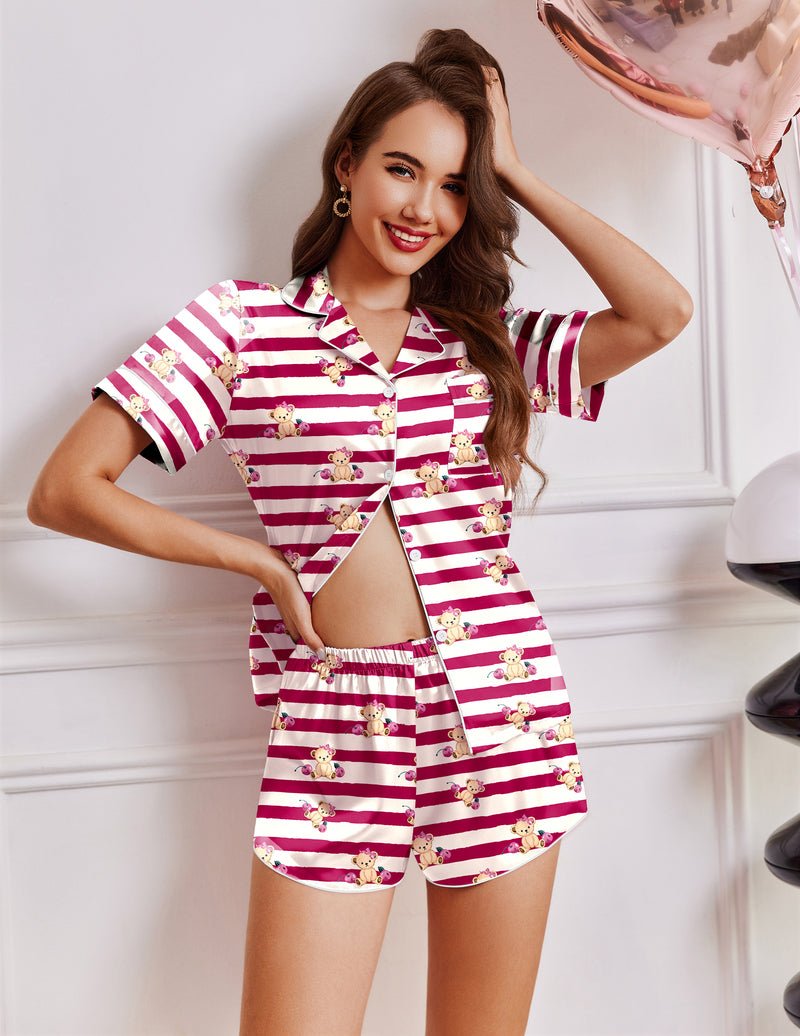
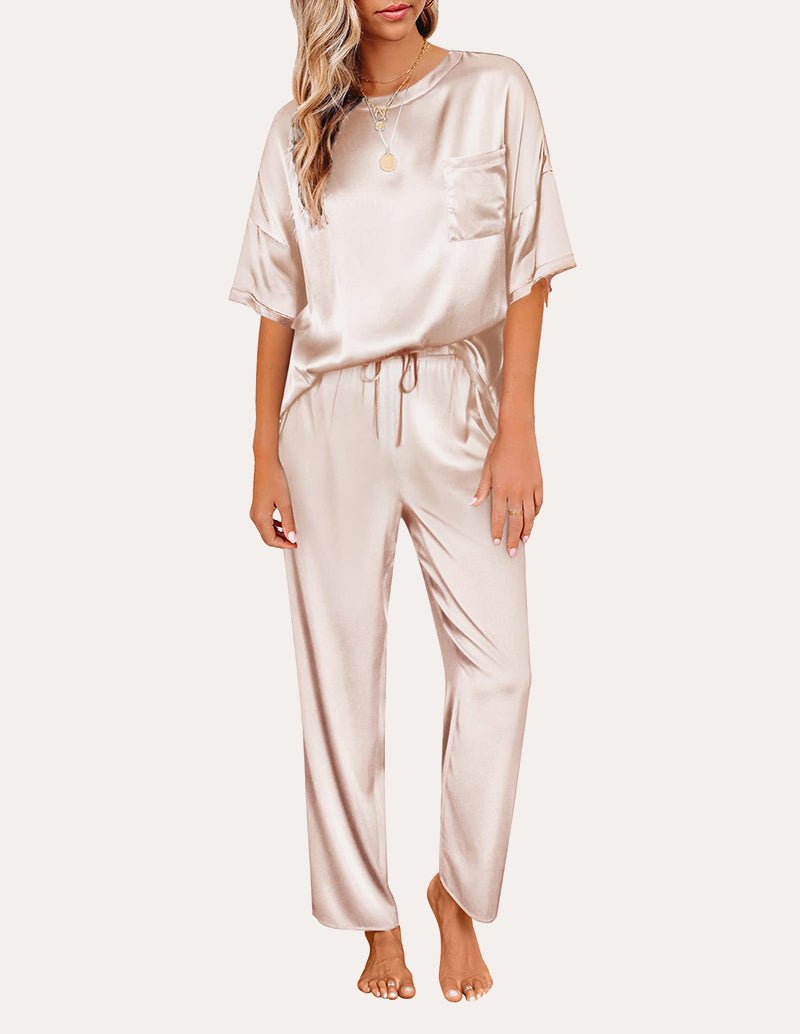
For cool-but-variable bedrooms, cotton flannel pajamas and waffle knit pajamas are the two weights many women rotate between. For warmer bedrooms or hot sleepers, satin pajama sets are lighter and let a heavier duvet do the insulation. Cotton pajamas are a safe middle-ground for shoulder seasons.
Practical Care Tips To Keep Breathable Sleepwear Performing Well
Fabric choices only matter if the set still breathes after month six. A few habits keep pajamas that keep you warm but not hot working as intended.
-
Wash in cool or warm water, not hot. Hot water breaks down elastic and shrinks cotton and wool, closing the air gaps that make fabric breathable.
-
Skip fabric softener on waffle knit and merino. Softener coats fibers and reduces moisture movement. White vinegar in the rinse is a common alternative.
-
Tumble dry low or hang dry. High heat flattens the loft in flannel and waffle weaves — the loft is what creates warm-air pockets.
-
Wash new sets before the first wear. Factory finishes can sit on the surface of new fabric and block airflow.
For more wash guidance, the luxury sleepwear fabric-care guidance from Lunya covers silk and delicate blends, and the natural-fiber sleepwear care reference from LilySilk explains how to handle protein fibers at home. The Sleep Foundation's bedroom-temperature guide ties the laundry routine back to the room itself.
FAQ
Q: Why do I overheat in pajamas at night?
A: Your core body temperature drops 1–2°F during the natural sleep cycle, but you still release heat and moisture through your skin. Heavy or non-breathable fabric traps that heat and stops moisture from moving away, so you wake up clammy. The fix is breathable pajamas for cold nights — fabric that holds a thin warm layer at lights-out and moves water vapor out as the night goes on.
Q: What pajamas are good for cold but sweaty nights?
A: Cotton, modal, bamboo-derived viscose, and lightweight merino are the most common picks because they breathe and manage moisture. For breathable warm pajamas for women, weight matters: a lightweight cotton set in a cool room often beats a heavy flannel under a thick comforter.
Q: Are flannel pajamas breathable?
A: Yes, with limits. Brushed cotton flannel holds warm air well and still lets moisture pass, so it works for cool bedrooms around 60–64°F. Under a heavy winter duvet in a warmer room, the same flannel can overheat.
Q: Is satin a good cold-night pajama fabric?
A: Satin (usually polyester-based) is lighter and less insulating than cotton or flannel. It suits hot sleepers in cool rooms, or as a layering piece under a warmer duvet. If your bedroom drops below 62°F, satin alone is usually not enough.
Q: How often should I wash breathable pajamas?
A: Every 3–4 wears is a reasonable default. Sweat, body oils, and leftover detergent all reduce breathability over time. Washing more often is fine; just skip hot water and fabric softener to protect the fibers.
Q: Do "moisture-wicking" sleepwear labels mean breathable?
A: They refer to moving sweat away from skin, which is one part of breathability. Wicking fabrics often feel cool at first, but not all are air-permeable. Read the fabric content rather than the marketing label — natural fibers and open knits usually breathe better than tightly woven synthetics.
Q: What are the best pajamas for night sweats in fall and winter?
A: For the best sleepwear for night sweats in fall and winter, sets that combine natural fibers (cotton, modal, or merino) with a relaxed fit and a medium weight (around 140–200 GSM) tend to work for many shoppers. Rotating a backup set and washing in cool water both help.
Conclusion
The right pajamas for cold nights are not the thickest ones. They are the ones that hold a thin layer of warm air at the start of the night, then let your body dump heat and moisture once you are asleep. Match the fabric weight to your bedroom, choose a relaxed fit, and care for the set in cool water without fabric softener. Cotton flannel, waffle knit, modal, and lightweight merino are reliable starting points for women whose bedrooms swing between cool and warm across fall and winter.
Related Reading
About Ekouaer
Ekouaer is a sleepwear and loungewear brand built around a simple idea: comfort should be something you live in, not something you save. Known for soft pajama sets, inclusive sizing, and approachable prices on the rise, the brand focuses on textured knits, breathable cotton blends, and coordinated sets that move from bed to couch to a quick errand without a costume change.