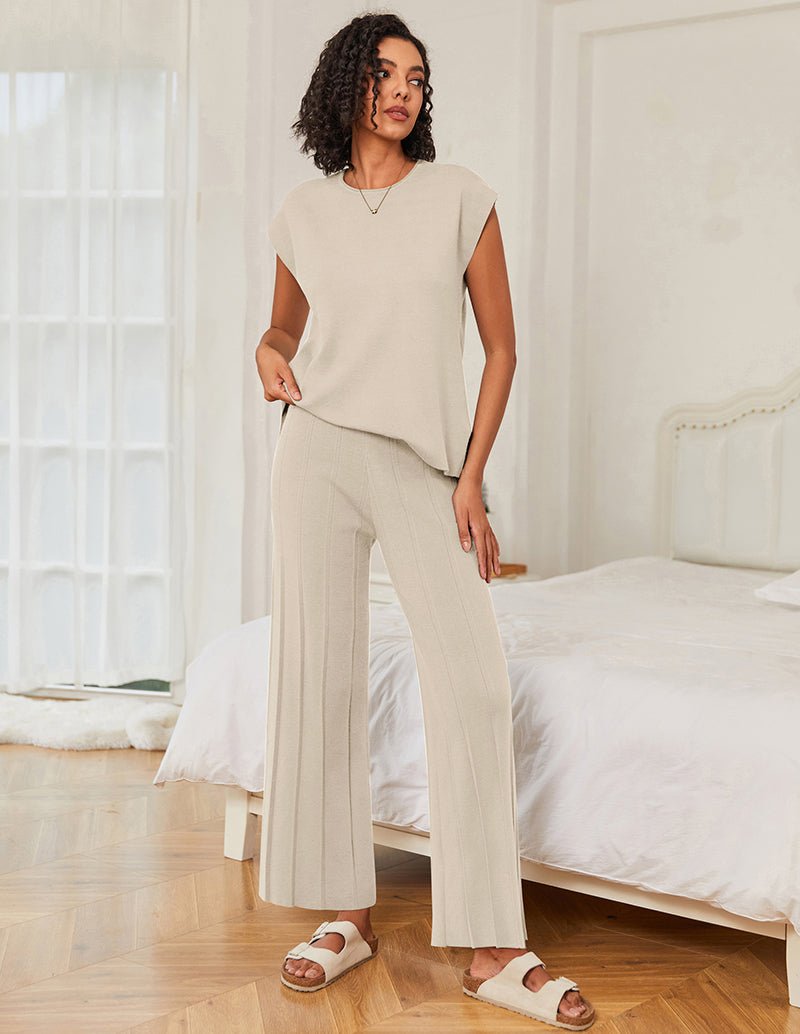
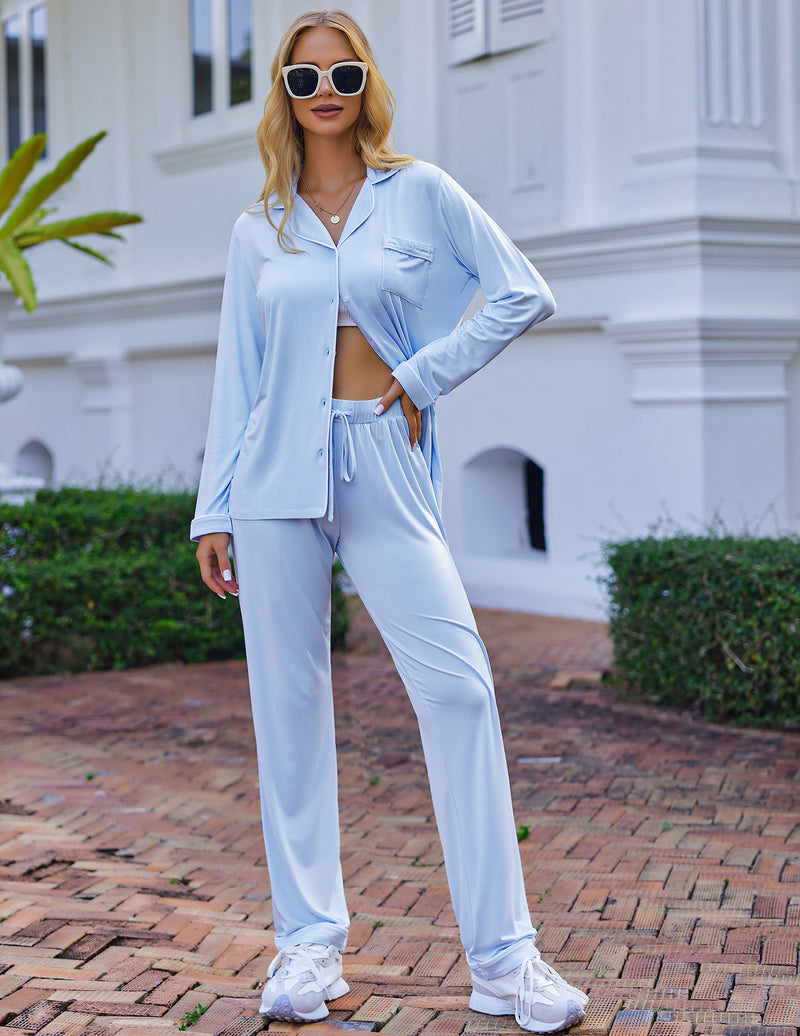
Bamboo vs Cotton Pajamas: Which Should You Buy on Prime Day 2026?

Both bamboo viscose and cotton are genuinely good fabrics for sleepwear. Neither is universally better. The right choice depends on a specific set of conditions — how warm you sleep, how reactive your skin is, how much you're willing to pay, and how you balance performance against ease of care. Anyone telling you bamboo always wins, or cotton is always enough, is skipping the parts that actually determine which one will work for you.
This guide gives you a clear, honest comparison across every factor that matters for sleep. By the end, the decision should be straightforward based on your specific situation — not based on which fabric has better marketing.
The Prime Day angle is practical, not manufactured: Amazon Prime Day 2026 is confirmed for June 23–26, and bamboo viscose pajamas — the category where the upgrade delivers the most meaningful sleep improvement — consistently cost more than cotton at full price. A genuine sale discount is one of the few moments where the cost-per-wear math clearly favors buying up.
What Bamboo Viscose Actually Is
"Bamboo pajamas" is a marketing term. The actual fabric is almost always bamboo viscose — sometimes labeled "viscose from bamboo" or "bamboo rayon." Understanding the distinction matters because it affects how you evaluate quality claims.
Bamboo viscose is produced by dissolving bamboo plant fibers in a chemical process that extracts cellulose, which is then spun into soft textile fibers. The resulting fabric retains several of the bamboo plant's natural properties — particularly its porous fiber structure, which gives bamboo viscose temperature and moisture advantages over standard cotton. It is not the same as raw bamboo, and it's a processed fabric rather than a purely natural one.
What this means practically: the quality of bamboo viscose varies based on processing quality, fiber length, and finishing. A poorly processed bamboo viscose fabric can perform only marginally better than cheap cotton. A well-processed bamboo viscose — certified under OEKO-TEX Standard 100 for chemical safety — delivers the thermoregulation and moisture management benefits that make it worth the higher price.
When evaluating a bamboo pajama set, look for "viscose from bamboo" in the fiber content, OEKO-TEX certification in the listing, and a price point that reflects quality manufacturing. For a full breakdown of how the labeling works — including why some products say "bamboo" and others say "viscose from bamboo," and what the FTC requires — the bamboo pajamas buying guide covers the labeling rules in full.
Head-to-Head: Every Factor That Actually Matters
Softness
Both fabrics feel soft. The difference is in the texture character.
Cotton softness comes from fiber length and weave — premium cotton (Pima, Egyptian) is noticeably silkier than standard upland cotton, with both becoming softer with each wash as the fibers settle.
Bamboo viscose has a different kind of softness: smoother, more fluid, and with a slight drape that feels cooler to the touch initially. Reader's Digest product tester Reina Galhea, who tested bamboo pajamas for seven weeks across daily use, described the comparison directly: "My old cotton shirts might as well be sandpaper compared to the silky bamboo viscose material, which was surprisingly breathable and wrinkle-resistant once on."
That's consistent with the broader pattern in editor testing: bamboo viscose typically wins on first-touch and sustained softness, particularly at the same price point. A $50 bamboo set generally feels softer than a $50 cotton set.

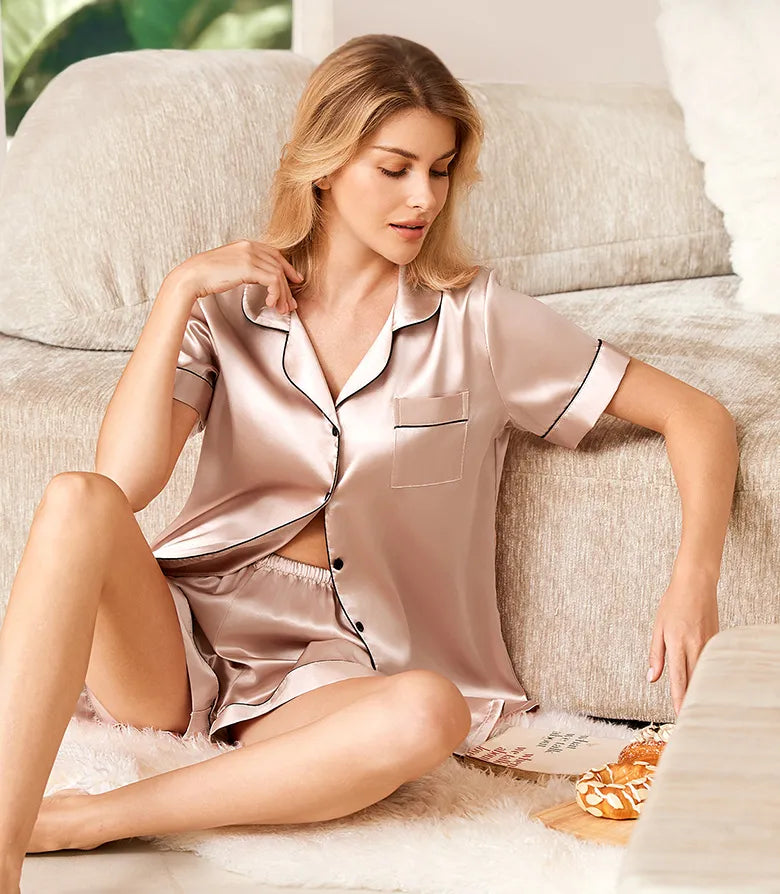
The bamboo viscose short-sleeve sleep shirt is the format that best demonstrates this fabric property — the short sleeve construction keeps coverage minimal while the bamboo viscose drape is most visible in the relaxed, fluid hang of a sleep shirt rather than a structured knit top.
Winner for softness: Bamboo viscose — but quality cotton is not a consolation prize.
Breathability and Temperature Regulation
This is where the performance gap between the two fabrics is most meaningful for sleep quality.
As the National Sleep Foundation explains, your body needs to lower its core temperature by approximately 1–2°C to transition from wakefulness into deep sleep. Sleepwear that traps heat near the skin slows this process.
Cotton allows airflow and breathes well in moderate conditions. In high heat or humidity, it starts working against itself: as cotton absorbs moisture, it holds it in the fabric, creating a heavier, damper feel that accumulates throughout the night.
Bamboo viscose's hollow-fiber structure allows for more continuous air circulation and wicks moisture away from the skin faster before it's absorbed. Independent textile testing has found that bamboo fabric maintains skin temperature approximately 1°C lower than cotton and evaporates moisture roughly 32% faster from the fabric surface. That 1°C difference falls squarely within the range that affects sleep transitions.
Fox News Shopping's March 2026 roundup of cooling pajamas for hot sleepers lists bamboo viscose as one of the top fabric choices, noting that its moisture-wicking properties and breathability make it particularly effective for women who sleep warm or experience temperature fluctuations during the night.
Winner for temperature regulation: Bamboo viscose — meaningfully so for hot sleepers; marginal difference for moderate sleepers in air-conditioned spaces.
Moisture Management and Night Sweats
The practical test for moisture management: how does the fabric feel an hour into sleep versus immediately after putting it on?
Cotton absorbs moisture relatively quickly but holds it in the fabric, which creates the clammy feeling that can interrupt sleep.
Bamboo viscose wicks moisture away from the skin surface and into the fabric structure before absorbing it — which means the skin stays drier longer. House Beautiful's bamboo pajama coverage included a buyer who described trying bamboo sets specifically for menopausal night sweats: "I have bought four sets of these bamboo short-sleeve pajama sets. They are so comfortable, and I don't sweat in them. A great find for this menopausal woman!" That specific use case — temperature fluctuation during perimenopause and menopause — is one of the clearest applications for bamboo viscose over cotton.

The bamboo viscose tank top and shorts set is the format most suited to this use case — the minimal fabric at the torso means the moisture-wicking advantage is most impactful, and the shorts keep the lower body coverage light for maximum airflow in warm conditions or during a hot flash.
Winner for moisture management: Bamboo viscose — the gap is most significant for women with night sweats or hormonal temperature fluctuations.
Durability and Longevity
This is where cotton's advantage is clearest, and it's a real one.
Cotton is exceptionally durable under normal laundry conditions. It handles hot water, high-heat drying, and regular washing cycles without significant degradation. Quality cotton pajamas washed properly can last 5+ years while maintaining their structural integrity.
Bamboo viscose is more delicate. It requires cooler water, gentle cycles, and low-heat drying to maintain its properties. Washed aggressively — hot water, high heat, or with harsh detergents — bamboo viscose can lose its softness, develop pilling, or distort in shape faster than cotton.
A manufacturer's comparison published by Tobimax Textiles, which produces both fabric types at scale, notes that "bamboo rayon/spandex blends typically cost 30 to 50 percent more than comparable cotton/spandex blends" and that the durability trade-off is real: bamboo viscose rewards careful washing while cotton forgives rough handling.

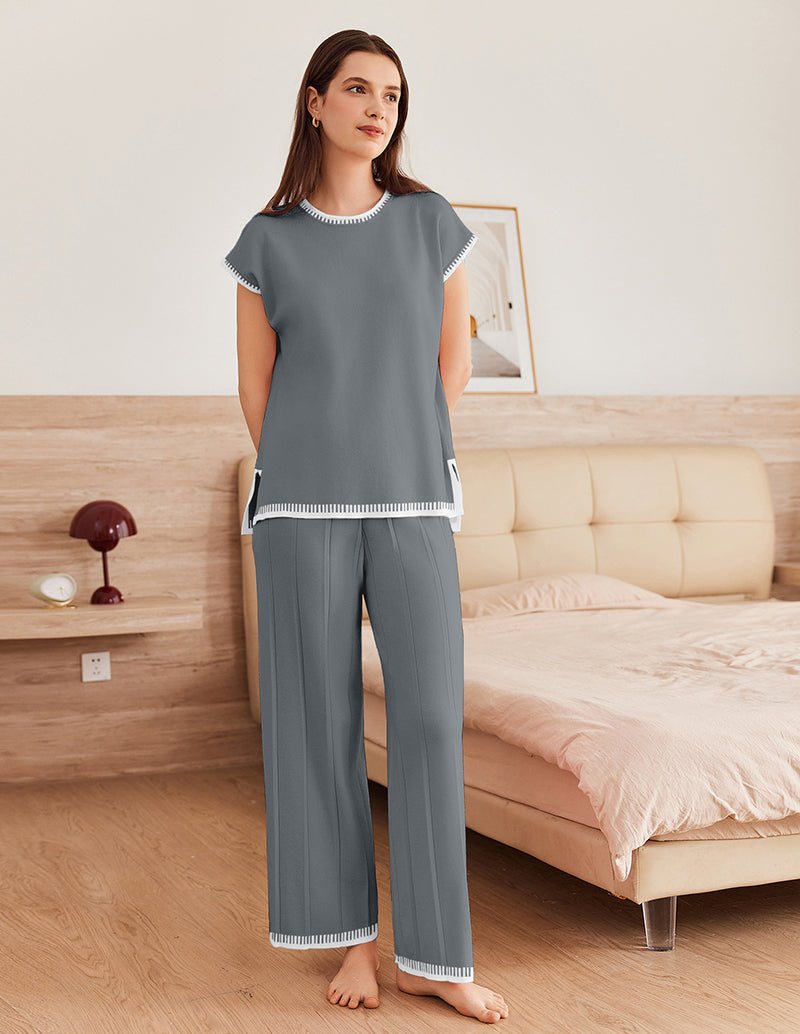
For a practical cotton option that demonstrates this durability, the classic cotton pajama set uses a construction that holds up through frequent washing — the notch collar and woven cotton construction are the format most suited to women who want sleepwear that doesn't require special treatment.
Winner for durability: Cotton — clearly so if laundry care is inconsistent.
Care Requirements
|
Cotton |
Bamboo Viscose |
|
|---|---|---|
|
Wash temperature |
Warm or cold |
Cold only |
|
Cycle type |
Normal or gentle |
Gentle only |
|
Dryer |
Low to medium heat |
Low heat or air dry |
|
Ironing |
Fine on low-medium |
Steam only, no direct iron |
|
Detergent |
Any mild detergent |
Mild, no bleach |
Cotton is the more forgiving of the two on every care dimension. For anyone who does laundry in bulk on auto settings, cotton is the lower-risk choice.
Bamboo viscose rewards the extra care step. The additional 30 seconds it takes to separate it into a gentle cycle is the difference between a set that lasts two years and one that lasts five. For the specific washing protocol that preserves bamboo viscose properties, the AATCC's textile care standards document the fiber-specific requirements that apply.
Winner for ease of care: Cotton.

Price and Value
At comparable price points, bamboo viscose delivers more performance. A $45 bamboo set will usually outperform a $45 cotton set for hot sleepers on every thermal measure.
The complication is that good bamboo viscose typically costs more than good cotton at retail — often 30–50% more at the same quality tier, consistent with the manufacturing cost difference Tobimax's data reflects.
This is the specific dynamic that makes Prime Day relevant. A genuine 20–30% discount on a quality bamboo set closes the price gap significantly — bringing it into the range where the cost-per-wear math favors bamboo, even accounting for the care overhead.
Winner for value at full price: Cotton. Winner for value during a genuine sale: Depends on discount size — at 20–30% off, bamboo viscose.
Decision Matrix: Who Should Choose Which
|
Your situation |
Best choice |
Why |
|---|---|---|
|
Hot sleeper, night sweats, humid climate |
Bamboo viscose |
Meaningful temperature and moisture advantage |
|
Perimenopause / hormonal temperature fluctuations |
Bamboo viscose |
Validated by extensive user experience |
|
Sensitive skin, reactive to friction or dyes |
Bamboo viscose (OEKO-TEX certified) |
Smoother fiber, tested chemical safety |
|
Moderate sleeper in air-conditioned space |
Cotton |
Performance gap is marginal; cotton is easier care |
|
Inconsistent laundry habits |
Cotton |
Bamboo viscose degrades faster with rough washing |
|
Budget-first purchase at full price |
Cotton |
Better value when not on sale |
|
Buying during Prime Day at genuine discount |
Bamboo viscose |
Price gap narrows; performance advantage is the same |
|
Year-round versatility in all climates |
Cotton |
Works across more temperature ranges |
What "Bamboo Viscose" on a Product Label Should Include
Because bamboo viscose quality varies significantly, the fiber content declaration in a product listing tells you more than the marketing name. Here's what to look for and what to be skeptical of:
"Viscose from bamboo" or "bamboo viscose" — honest labeling, this is the actual fabric. Fine.
"100% bamboo" without specifying viscose, rayon, or lyocell — vague and potentially misleading. The FTC requires that bamboo-derived fabric be labeled with the specific processing method — a listing that skips this is either mislabeled or avoiding scrutiny.
OEKO-TEX Standard 100 certification — independently tested to be free of harmful dyes and chemical residues. The most verifiable third-party quality signal available for sleepwear worn against the skin for 7–8 hours nightly.
"Bamboo blend" without percentages — could mean 20% bamboo viscose and 80% polyester. Specify what percentage of bamboo you're actually getting before buying.

The Prime Day Buying Window
Amazon Prime Day 2026 is confirmed for June 23 to 26. For bamboo vs cotton specifically, here's how to use the sale:
If you currently sleep in cotton and run warm at night, Prime Day is the right moment to try bamboo viscose. The discount makes the upgrade economically straightforward rather than requiring a deliberate "splurge" decision. Buy one set, try it for two weeks, and evaluate whether the temperature difference is noticeable in your specific sleep environment.
If you currently sleep in bamboo viscose and it's working, Prime Day is the time to buy a second set for rotation — the single biggest maintenance benefit of having two sets is being able to air dry one while using the other, which extends the life of both.
If you're primarily concerned about durability and easy care, buy cotton during the sale and put the savings toward higher construction quality rather than upgrading fabric type. A cotton racerback nightgown — like the cotton racerback nightdress — delivers the durability and easy-care advantages of cotton in a format without a waistband, which solves one of the main overnight comfort issues without requiring a fabric upgrade.

Want more options like this one? Be sure to check out Ekouaer Women's Collections!
FAQ
Q: Are bamboo pajamas actually better than cotton?
A: For hot sleepers and women with night sweats or hormonal temperature fluctuations, bamboo viscose is meaningfully better — the thermal and moisture management advantage is well-documented and consistent across user testing. For moderate sleepers in air-conditioned spaces, the difference is less pronounced and cotton's easier care may be the deciding factor. Neither fabric is universally better; the right choice depends on your specific sleep conditions.
Q: What is bamboo viscose pajamas made of?
A: Bamboo viscose is made by chemically processing bamboo plant cellulose into textile fibers. The result is a soft, smooth fabric that retains bamboo's natural thermoregulatory and moisture-wicking properties. It's a processed fabric — not raw bamboo — and quality varies based on processing methods. Look for OEKO-TEX certification as the most reliable quality indicator.
Q: Do bamboo pajamas keep you cooler than cotton?
A: Yes, in most conditions. Independent textile testing shows bamboo viscose maintains skin surface temperature approximately 1°C lower than cotton and wicks moisture from the skin approximately 32% faster. That temperature differential is directly relevant to sleep onset — your body needs to lower core temperature by 1–2°C to transition into deep sleep, and sleepwear that facilitates rather than impedes that process makes a measurable difference.
Q: How do you wash bamboo pajamas without ruining them?
A: Cold water, gentle cycle, mild detergent without bleach, and low-heat or air drying. The most common mistake is high-heat drying, which compresses the bamboo fibers and reduces both softness and moisture-wicking performance over time. Separating bamboo items from rougher fabrics in the wash also helps prevent surface abrasion that can cause early pilling.
Q: Is bamboo or cotton better for sensitive skin?
A: Bamboo viscose generally wins for sensitive skin on two counts: the smoother fiber surface creates less friction against reactive skin during sleep movement, and OEKO-TEX certified bamboo viscose has been independently tested to be free of the dyes and chemical residues that can irritate sensitive skin. Cotton is also a good choice for sensitive skin — particularly OEKO-TEX certified cotton — but bamboo's smoother surface gives it a marginal advantage for the most reactive skin types.
Q: Is Prime Day 2026 worth buying bamboo pajamas?
A: Yes, if you've been considering a bamboo upgrade. The June timing aligns with the start of summer heat when the thermal advantage of bamboo viscose is most relevant, and a genuine 20–30% discount on a quality bamboo set brings it close to cotton price territory while delivering significantly better performance for hot sleepers. Use CamelCamelCamel to verify the discount is real before buying — the same price-check advice applies here as with any Prime Day apparel purchase.
Related Guides
-
Summer Sleepwear Buying Guide 2026 — bamboo, cotton, satin, and linen compared for hot sleepers and humid climates
-
Best Pajamas to Buy on Amazon Prime Day 2026 — fabric-first buying guide for the full sleepwear category
-
Best Cotton Pajamas for Women Guide — cotton styles compared by weight, construction, and use case
-
Pima Cotton Pajamas for Women: What Makes Them Different? — how Pima cotton compares to regular cotton for softness and durability
About Ekouaer
Founded in 2014, Ekouaer makes sleepwear and loungewear with an emphasis on functional design and fabric safety. All fabrics carry OEKO-TEX Standard 100 certification — independently tested to be free of harmful substances, meeting requirements for skin-contact textiles. Products have been featured in CNN Underscored, Forbes, and TODAY.com.
Ekouaer in the Press
-
OpenPR (May 2026): Ekouaer Memorial Day Sale 2026 — Official Debut on The Knot Registry — Ekouaer joins The Knot Registry platform ahead of wedding season
-
OpenPR (April 2026): Ekouaer at HEJ MATES Fashion Trend Press Day in Hamburg & Munich — latest collection received unanimous praise from European fashion editors and bloggers
-
OpenPR (March 2026): Ekouaer Wins Oprah Daily Editor's Choice and TODAY 2026 Sleep Award — two products recognized by Oprah Daily and TODAY in the same season
-
Parade (May 2026): Amazon's Ekouaer 2-Pack Pajama Set Is a Must-Have — described as winning "on all counts" for comfort and value