Bridal Nightgowns and Peignoirs: What to Wear on Your Wedding Night and Honeymoon

Wedding-night sleepwear is a small category that gets a lot of attention. It is also one of the most confusing — brides often get a peignoir set as a shower gift without realizing it is a different thing from a wedding-night nightgown.
The good news is that the choice is narrower than it looks. There are really three pieces to know — nightgown, chemise, and peignoir — and once you understand how they differ, picking the right one for your wedding night and honeymoon is much easier.
This guide walks through the differences between those three pieces, what fabrics to pick for the wedding night versus the honeymoon, and how to combine bridal sleepwear with the getting-ready pajamas many brides wear on the wedding morning.
Key Takeaways
Bridal sleepwear is a small category with three main pieces: nightgown, chemise, and peignoir.
A peignoir is a coordinated set — usually a nightgown with a matching robe — worn for warmth and visual layering rather than for sleep.
Wedding-night nightgowns tend to be more polished than everyday nightgowns; honeymoon sleepwear is lighter and easier to pack.
Getting-ready pajamas (worn on the wedding morning with the bridal party) and bridal nightgowns (worn after the ceremony) are two different categories.
Fabric choice matters more than silhouette — silk, satin, and fine knits all work, but each needs different care.
The Difference Between Bridal Sleepwear and Bridal Lingerie

Bridal lingerie and bridal sleepwear overlap, but they are not the same category. Bridal lingerie is worn underneath the dress — structured corsetry, strapless bras, and slips that shape the gown's silhouette. Bridal sleepwear is worn after the ceremony — nightgowns, peignoir sets, robes, and lighter honeymoon pieces.
The two categories can share a fabric or a color, but they serve different purposes. A slip that supports the dress during the wedding does not double as a wedding-night nightgown. Likewise, a soft satin nightgown does not have the structure to wear under a structured gown. Most brides end up with one piece in each category rather than a single piece that crosses both.
What Is a Peignoir and How Is It Different From a Nightgown?
A peignoir is a two-piece set: a nightgown paired with a matching robe. The word comes from French and originally meant the loose dressing gown worn over the nightgown. In modern bridal use, the robe is the more visible piece, and the nightgown underneath is usually simpler — sometimes slip-like, sometimes short and structured.
For a more detailed look at the history and use of the term, the Spiegato explainer on peignoir traces how the peignoir became a coordinated bridal category rather than a single garment.
Nightgown
A nightgown is a one-piece, loose-cut garment worn for sleep. In bridal use, it is usually slightly more polished than an everyday nightgown — softer fabric, more refined trim, often in white or a soft neutral. Some bridal nightgowns include a matching robe, in which case the set is a peignoir rather than a nightgown alone.
Chemise
A chemise is a simple, often sleeveless, slip-like undergarment. Historically, it was the piece worn under clothing next to the skin. In modern bridal sleepwear, the term is used for short, slip-style nightgowns that are more lingerie-adjacent than traditional bridal nightwear. A chemise is the most minimal of the three options.
Peignoir
A peignoir is the nightgown-and-robe set. It is the most visually layered of the three options and tends to be the most photographed. For brides who want something to wear in the hotel suite before and after the ceremony, the peignoir is the most versatile — the gown underneath for sleep, the robe on top for breakfast and bridal-party photos.
Quick comparison
• Nightgown — one piece, easiest to pack, the most low-key option.
• Chemise — short and slip-like, the most minimal, often worn under a robe or peignoir set.
• Peignoir — two-piece set with matching robe, the most visual option, the best gift-receiver piece.
Choosing a Wedding Night Look: Fabric, Coverage, and Feel
Once you have picked the silhouette, the next decision is fabric. Wedding-night sleepwear usually falls into satin, Swiss, or knit — each with a different feel.
Satin
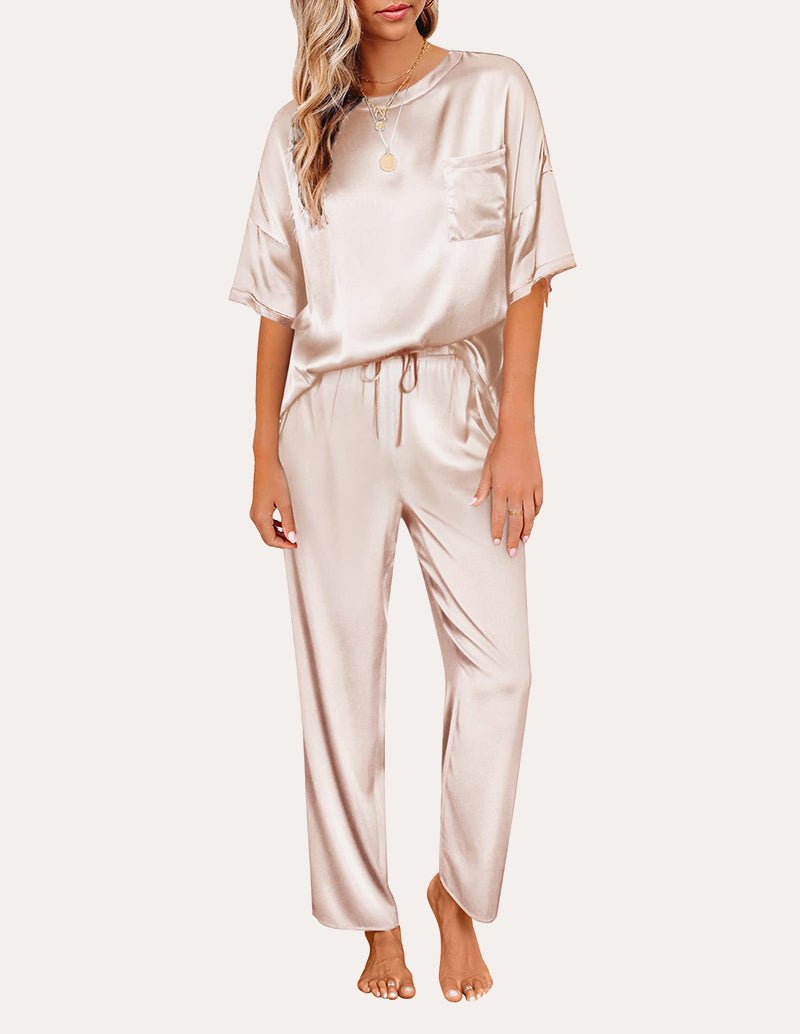
Satin is the most formal. It photographs beautifully and feels cool at the start of the night. It is also the most delicate — it needs careful washing and does not handle rough use well. Satin is the right pick for a one-night wedding occasion, not for a honeymoon that involves packing and re-packing.
Silk
Silk has the same visual softness as satin but breathes better and feels warmer in cool rooms. It is the most luxurious option, and it is also the most expensive. If the budget allows and the bride is likely to keep the piece as a keepsake, silk is worth considering.
Knit
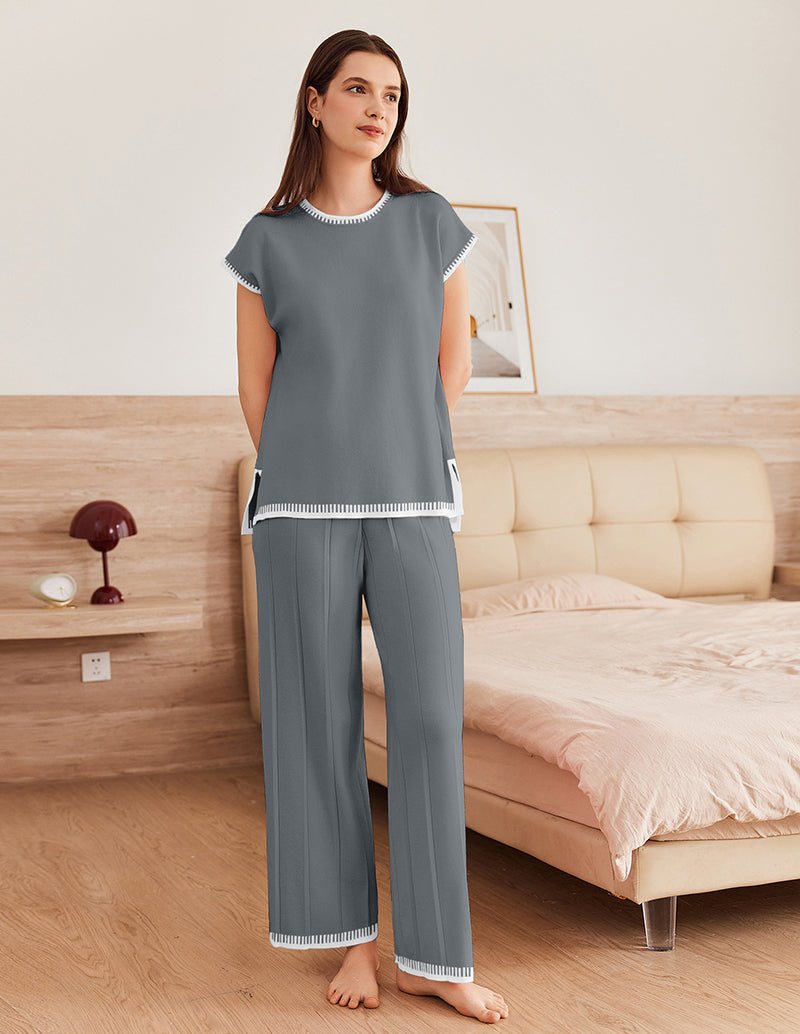
Knit bridal sleepwear is a more recent category. It uses fine modal or micromodal knits to give a soft, lived-in feel that still looks bridal. Knit is easier to care for than satin or silk, packs better, and reads as a more practical option for brides who want one piece that works for both the wedding night and the honeymoon.
Coverage
Coverage is the other main choice. A short chemise-style piece is minimal — best for brides who want visual lightness. A mid-length nightgown offers more coverage while still reading as bridal. A peignoir set with a long robe is the most covered option and the most layered.
Honeymoon Sleepwear: Lighter Fabrics and Easier Packing
Honeymoon sleepwear is a separate category from wedding-night sleepwear in practice, even if the same piece works for both. Packing is the constraint: a honeymoon involves light luggage, repeated wear, and varied climates, so the fabric and silhouette need to be more forgiving than a one-night wedding piece.
The best honeymoon pieces are soft knits, lightweight modal, or fine cotton. They pack small, wash easily, and survive the suitcase better than satin. A single knit nightgown in a neutral color works for most honeymoons and does not require any special care.
If the bride wants a coordinated look for honeymoon photos, two or three neutral pieces in the same fabric family are easier to pack than a single bridal-feeling piece. The visual effect is intentional rather than costumed, which tends to age better in photos.
Bridal Sleepwear for the Wedding Morning

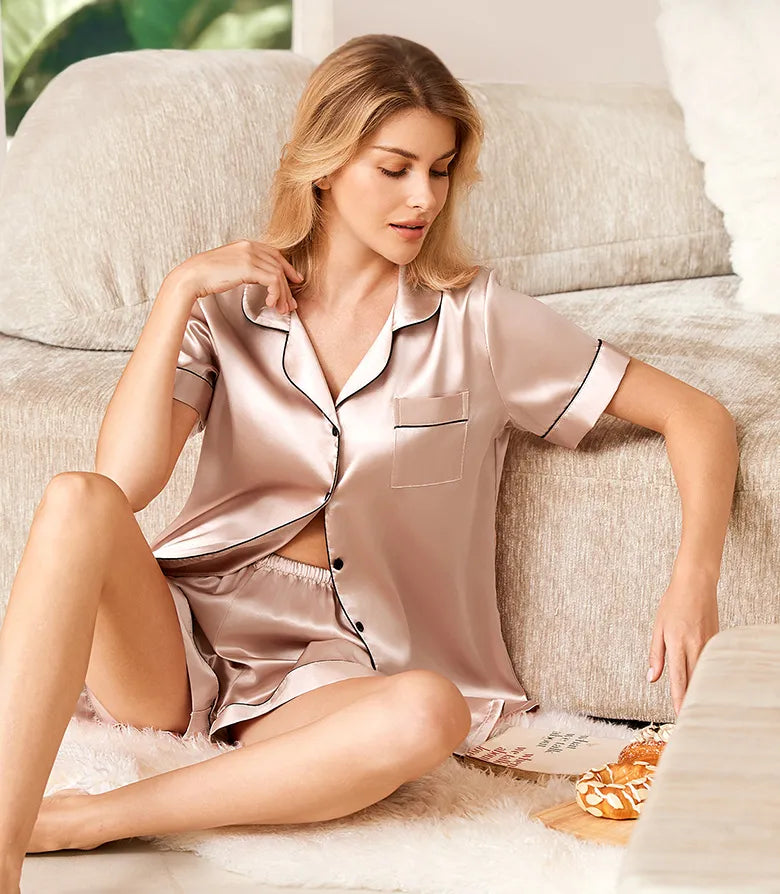
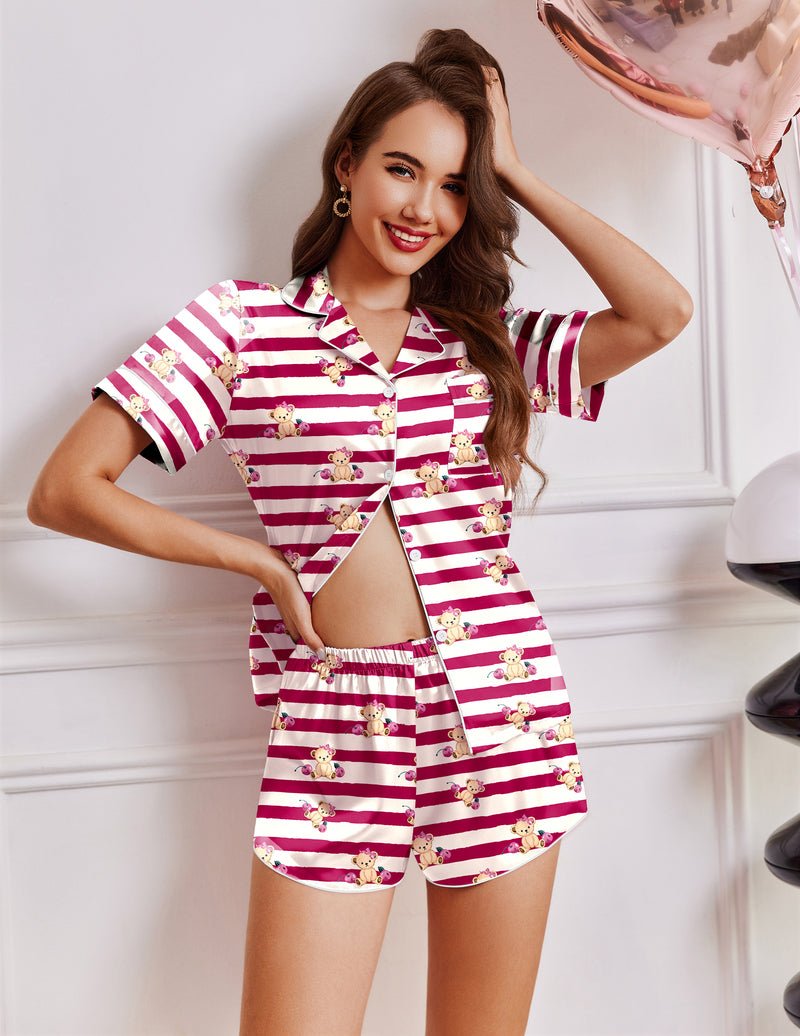
The wedding morning is when getting-ready pajamas come in. These are usually matching pajama sets worn by the bride and bridal party while hair and makeup are done, often for photographs. They are a different category from wedding-night sleepwear and serve a different purpose — they are photo-ready, easy to move in, and usually worn only once.
Most brides wear the getting-ready pajamas in the morning, change into the dress for the ceremony, and then change again after the ceremony into the bridal sleepwear for the wedding night. This is why the two categories are usually separate pieces rather than one piece that does both jobs.
How to Mix Bridal Pieces With Getting-Ready Pajamas
Mixing the two categories is mostly about color and fabric rather than exact matching. Two pieces in the same color family will read as coordinated even if they are not the same garment. If the getting-ready set is white satin, a soft ivory knit nightgown will sit next to it without clashing.
Option 1: Same color
Same color is the easiest. If the getting-ready set is soft white, the nightgown in soft white will sit next to it without effort.
Option 2: Same fabric family
Satin-on-satin or knit-on-knit will look intentional even if the colors differ. Mixing satin and knit can look mismatched in photos.
Option 3: Same detail
If the getting-ready set has a particular lace trim, picking a nightgown with a similar trim (even in a different fabric) ties the two together.
Option 4: Same mood
Soft and lived-in or polished and structured — picking two pieces with the same mood reads as a single wardrobe.
What to Pack for a Honeymoon
A short list to confirm before packing.
• Two soft-knit nightgowns in a neutral color — enough rotation for a 7- to 10-day trip.
• One lightweight robe — for the mornings, the balcony, the breakfast buffet.
• One more polished piece for a special dinner — a satin slip or a fine-knit set in a softer color.
• A small laundry kit for hand-washing — most hotels have a sink suitable for a quick rinse.
• Skip the matching peignoir unless you are committed to the visual — it is heavy to pack and rarely gets re-worn.
Fabric Care Matters More Than It Sounds
Satin and silk wedding-night pieces are usually one-night garments. They photograph well but require dry cleaning or careful hand-washing, and they do not hold up to repeated wear or suitcase travel. If the bride plans to keep the piece as a keepsake, that is fine. If she plans to wear it on the honeymoon, a knit piece will outlast it and feel softer after the first night.
Knit and modal pieces are the most forgiving. They wash on the delicate cycle, dry flat, and pack small. They are the right pick for brides who want one piece that works for both the wedding night and the honeymoon.
Recommended Bridal and Honeymoon Pieces
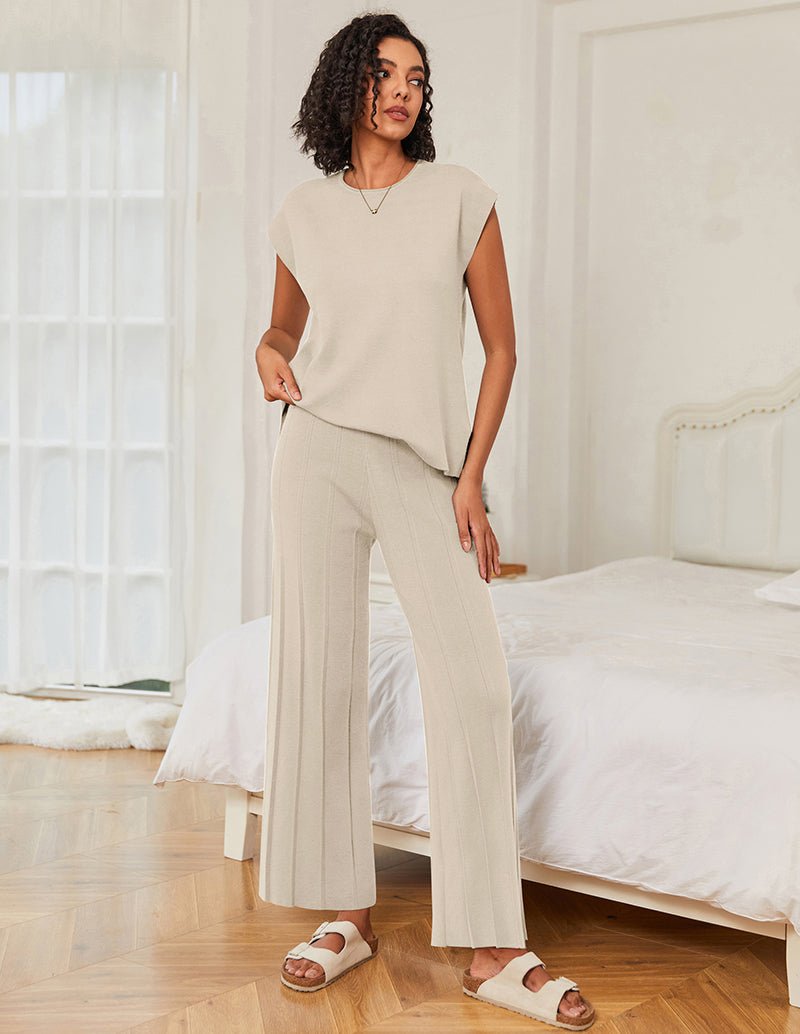
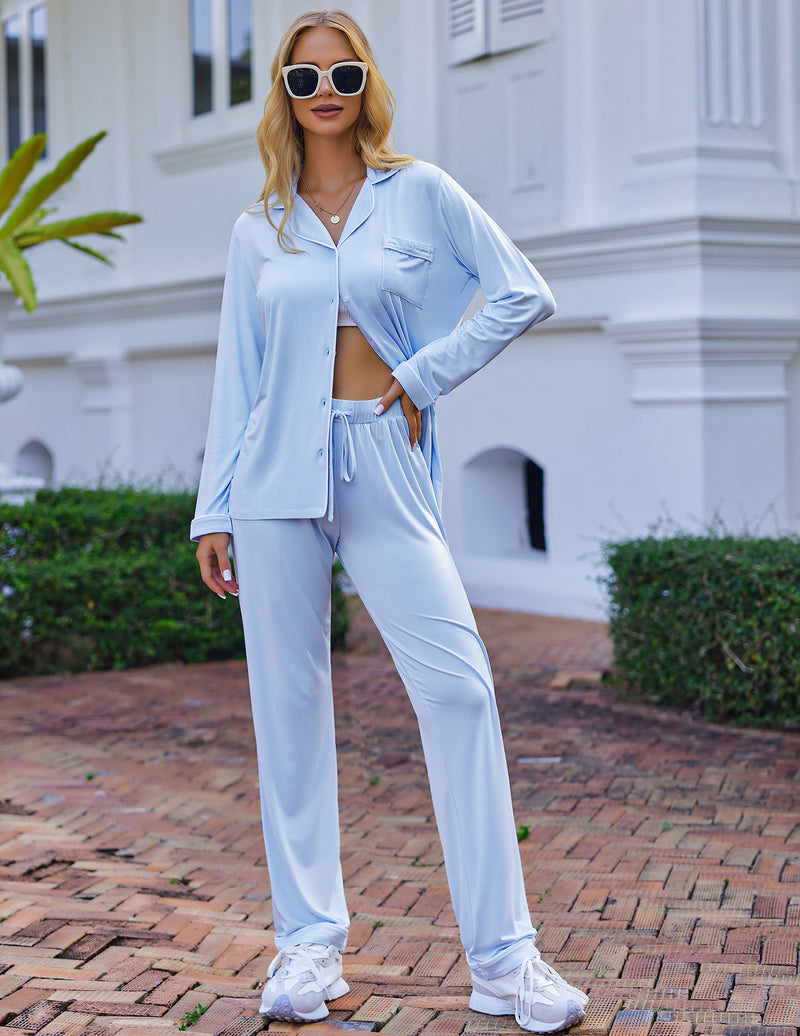
For shoppers building a bridal sleepwear wardrobe, a few EKOUAER pieces work as the getting-ready side. The Comfy Waffle-Knit Matching Sets work as a coordinated morning look for the bride and bridal party, while the Waffle-Knit Bathrobe is a layered piece for the morning or the suite after the ceremony. For the wedding-night nightgown or honeymoon piece, the Waffle-Knit Pajama Set in white or a soft neutral reads as bridal while staying easy to care for.

If you are picking bridal sleepwear for a celebrity-influenced bride or a destination-style shoot, the same rules apply — comfort in fabric is what survives travel, and the Ekouaer x Vanessa Hudgens campaign capsule is one recent reference for how a celebrity partnership can keep the comfort language rather than the costume language.
Visual Snapshot
Image placeholder — lifestyle or product reference shot to be inserted by designer; suggested subject described in surrounding paragraph (alt-text: lifestyle/product reference image of 2026 Ekouaer pajama set or scene related to the article topic).
FAQ
Q: What do you wear on your wedding night?
A: Most brides wear either a bridal nightgown or a peignoir set — a coordinated nightgown-and-robe. Satin, silk, and fine knits are the most common fabrics. The right choice depends on whether the bride wants something minimal and lingerie-adjacent, or something more layered and visually polished.
Q: Is a peignoir the same as a nightgown?
A: No. A nightgown is a single garment. A peignoir is a coordinated two-piece set: a nightgown paired with a matching robe. The peignoir is the more visual option and is usually a wedding-night gift-receiver piece.
Q: What is a chemise?
A: A chemise is a simple, often sleeveless slip-like garment. Historically it was the under-layer worn next to the skin. In modern bridal sleepwear, the term is used for short, slip-style nightgowns — minimal pieces often worn under a robe or as the gown half of a peignoir set.
Q: Should bridal sleepwear match the wedding dress?
A: Matching is optional. The same color family, the same fabric family, or the same level of polish will read as coordinated. Identical matching is rare — it forces a single look that does not age well in photos and does not survive the transition from wedding-night to keepsake.
Q: What fabrics work best for honeymoon sleepwear?
A: Soft knits, lightweight modal, and fine cotton are the most forgiving. They pack small, wash easily, and survive repeated wear. Satin and silk are beautiful but require careful care and do not pack well — better for a wedding-night piece than a multi-night honeymoon.
About EKOUAER
Ekouaer is a sleepwear and loungewear brand built on a simple idea: comfort should be something you live in, not something you save. With over a decade of loungewear design behind it, the brand is known for soft pajama sets, inclusive sizing, and approachable prices that make a small luxury feel everyday. Ekouaer has been recognized by outlets including Forbes Vetted and CNN Underscored for comfort and value, and the Ekouaer x Vanessa Hudgens "My Comfort Era" collaboration brought celebrity-level ease to the same easy-to-wear pieces. The focus stays on touchable fabrics, easy care, and styles that move from bed to couch to a quick errand without a costume change.
Ekouaer in the Press
Ekouaer has been featured in a range of fashion, lifestyle, and shopping publications. Explore recent coverage and independent mentions:
InStyle — Ekouaer x Vanessa Hudgens My Comfort Era Sleepwear
People — Best Summer Pajamas (Featuring Ekouaer)
BarChart — Vanessa Hudgens Joins Ekouaer as Brand Friend to Launch My Comfort Era
Oprah Daily — The Best Pajamas for Women (Featuring Ekouaer Picks)
Related Reading
How to Coordinate Bridal Party Pajamas for the Wedding Morning
A short guide to picking the getting-ready pajama sets for the bride and bridal party.
How to Choose the Perfect Pajamas for Women
An overview of fabric, fit, and silhouette when shopping for women's sleepwear.
Honeymoon Packing: Sleepwear Edition
What to pack for a honeymoon from a sleepwear perspective — fabrics, quantities, and care.
What to Wear for a Cozy Night In: Sleepwear Beyond the Bedroom
Modern sleepwear is doing more than sitting by the bed. Here is how to take it into the rest of the day.