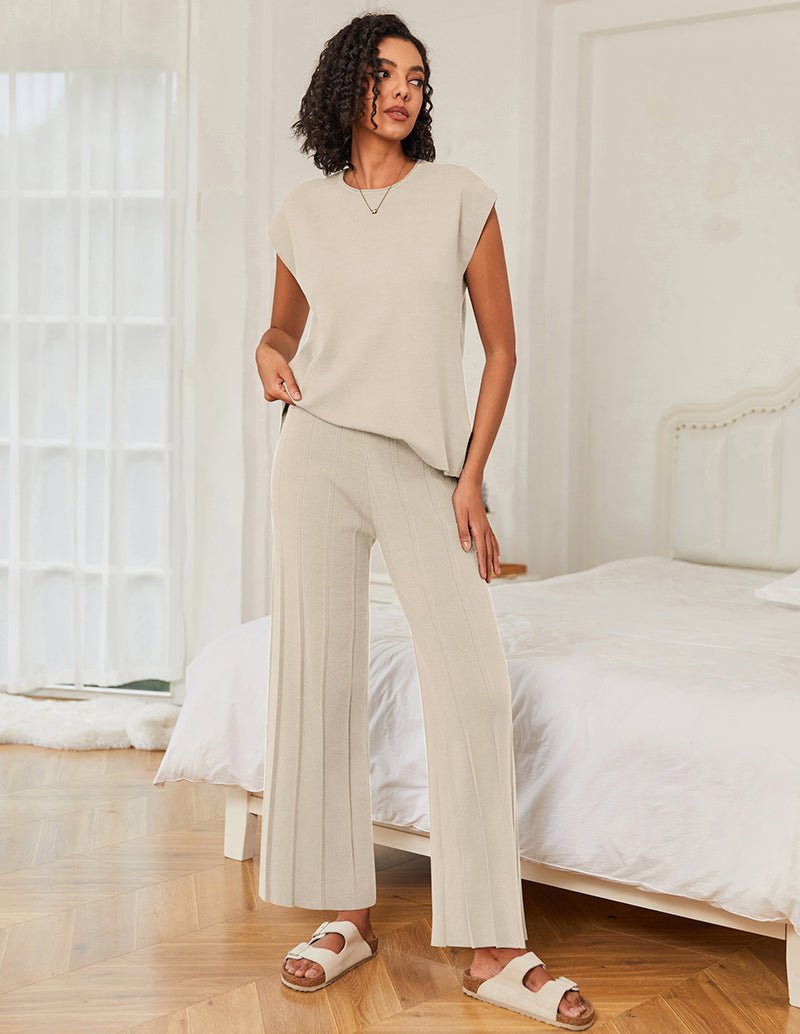

Fleece Pajamas: How to Choose the Warmest Set for Winter

The first cold snap of the season has a way of exposing your sleepwear collection. Cotton jersey that felt fine in October suddenly feels like a t-shirt in November, and the thermostat argument with whoever controls the heat starts all over again. Fleece pajamas are the usual answer — but "fleece" is not one fabric. Walk into any sleepwear section and you will find featherweight microfleece, dense polar fleece, and teddy-bear plush all stacked under the same word, and they behave nothing alike on a cold night. Pick the wrong weight and you either shiver through 3 a.m. or wake up sweaty at 1.
This guide sorts it out. It explains how fleece actually holds heat, which of the three weights fits your bedroom, which fit details separate a set you will wear every night from one that pills by December, and how to wash it so the warmth survives the season. Everything here is built around one idea: match the fabric to the room you actually sleep in, not to the coldest night you can imagine.
Key Takeaways
-
Fleece warmth comes from trapped air, not thickness alone — the raised pile holds a layer of still air against your skin, which is why a mid-weight fleece can outperform a heavier cotton knit.
-
There are three practical fleece weights: microfleece for mild chill and layering, polar fleece for genuinely cold bedrooms, and plush fleece for drafty rooms and cold sleepers.
-
Bedroom temperature should decide the weight — the Sleep Foundation places the ideal sleep environment between 60–67°F, and your fleece should close the gap between that number and your thermostat.
-
Fit details matter more in fleece than in knits: look for ribbed or cuffed wrists and ankles, a waistband that stays put, and pockets if you lounge in them past breakfast.
-
Heat is the enemy of fleece: wash cold, skip fabric softener, and avoid the hot dryer, or the pile flattens and takes its insulation with it.
Why Fleece Holds Heat the Way It Does
Fleece is a synthetic knit — usually polyester — that has been brushed to raise thousands of tiny fibers from the surface. That raised pile is the whole trick. Each fiber traps a small pocket of still air, and still air is one of the best insulators there is. Your body heats that air layer, the fabric keeps it from drifting away, and you feel warm seconds after putting the set on.
This is also why fleece feels warm immediately, unlike cotton. Cotton jersey is a flat weave: it breathes well, which is another way of saying it lets your body heat escape. On a July night that is exactly what you want. On a January night with the thermostat at 62°F, it is exactly what you don't. Fleece trades some of that airflow for insulation, which makes it the default fabric for cold sleepers, drafty bedrooms, and anyone whose feet take an hour to warm up.
The trade-off is real, though. The same pile that traps warm air also holds heat in when the room warms up, and fleece absorbs less moisture than cotton. If your bedroom stays above 68°F all night, a heavy fleece set can push you into the sweaty zone that MedlinePlus describes as a common contributor to poor sleep quality — repeated small disruptions rather than one dramatic wake-up. That is not an argument against fleece; it is an argument for choosing the right weight.

The Three Fleece Weights, and Who Each One Is For
Most "fleece pajamas" on the market fall into one of three buckets. The differences come down to pile height — the length of the raised fibers — and density, and they change everything about how the set sleeps.
|
Fleece type |
How it feels |
Warmth level |
Best for |
|---|---|---|---|
|
Microfleece |
Thin, smooth, lightly brushed |
Light |
Mild chill, heated homes, layering under a robe, hot sleepers who still want coziness |
|
Polar fleece |
Dense, soft, with real loft |
Medium–high |
Genuinely cold bedrooms (60–65°F), everyday winter wear, sleepers who want warmth without bulk |
|
Plush / sherpa fleece |
High-pile, teddy-bear fuzzy, noticeably heavy |
Highest |
Drafty rooms, cold sleepers, slow winter mornings, homes kept below 60°F |
Microfleece is the one people underestimate. Because it is thin, it works as an under-layer beneath a robe or cardigan, and it is the only fleece weight that makes sense in a house where the heat runs all night. Polar fleece is the middle path and the safest bet for most winter bedrooms: dense enough to insulate, light enough to move in, and far less likely to overheat you than plush. Plush fleece is the specialist — a wearable blanket, essentially — and it earns its keep in old houses, basement bedrooms, and for the chronically cold-footed.
One honest note on plush: it is also the weight most likely to be too much. If you have ever kicked off blankets at 2 a.m., a full plush set in a heated bedroom will repeat that lesson. Plush belongs to rooms that actually get cold.
Match the Weight to Your Bedroom, Not the Forecast
The weather report is a bad guide for sleepwear, because the number that matters is the temperature in the room when you are actually asleep — after the heating cycle has dropped, after the door has been closed for three hours. Sleep research keeps pointing to the same window: a cool room, roughly between 60 and 67°F, supports the deepest sleep, and being too warm is at least as disruptive as being too cool.
So audit your bedroom before you buy. If you keep the thermostat at 68°F and the room holds its heat, microfleece or a brushed knit will do, and heavy plush will work against you. If the heat drops to 62°F overnight — common in most bedrooms, and healthier for sleep anyway — polar fleece is the set you will reach for every night. If you sleep in a room that genuinely dips toward the high 50s, or you are the person who wears socks to bed from October to April, plush stops being excessive and starts being the correct answer.
This is also where two-sleeper households get complicated. If one of you runs hot and the other runs cold, the fairest solution is different weights, not a compromise weight that leaves both of you unhappy. A polar fleece set for one side of the bed and a brushed cotton or modal set for the other costs less than one argument.

Fit Details That Separate Good Fleece Pajamas from Regret Purchases
Fleece has almost no natural stretch, which makes construction details matter more than they do in a cotton knit. Four things are worth checking before you buy.
Cuffs at the wrists and ankles. Open cuffs let the warm air you have paid for leak out every time you move. Ribbed or elastic cuffs seal the ends of the garment, which sounds minor and is not — it is the difference between a set that feels like a hug and one that feels like a blanket that keeps sliding off.
A waistband that stays put. Fleece pants live or die on the elastic. A wide, flat elastic waistband — ideally with a drawstring — holds through a night of turning without rolling or digging. Narrow elastic tends to fold over under the weight of heavier fleece.
Pockets, if you lounge in them. Fleece sets have quietly become morning-wear for a lot of people — coffee, school run, the first video call of the day. Deep side pockets make that plausible; without them, the set is sleep-only.
A neckline that matches your sleep position. High-pile plush plus a tight crew neck can feel like wearing a scarf to bed. If you sleep warm or roll your shoulders forward, a V-neck or notched collar vents a surprising amount of heat.
The Ekouaer Polar Fleece Long Sleeve Lounge Set covers most of this list in one piece: a V-neck top with relaxed long sleeves, pants with pockets, and a mid-weight polar fleece build in colors from khaki to deep red at $50.99. It is the set this guide would hand to someone buying their first serious fleece — warm enough for a cold bedroom, forgiving enough for a warm one.
How to Layer Fleece Without Overheating
Layering is where fleece pajamas stop being one garment and become a system. Done right, three light pieces beat one heavy one, because you can shed or add as the night goes.
The base layer should be thin and moisture-moving — a thermal top or a fitted long-sleeve tee. If your bedroom runs genuinely cold, a dedicated base layer earns its place: a lightweight, heat-retaining thermal set like Ekouaer's three-pack cold weather layers sits flat under fleece without bunching at the shoulders or hips. Over that, polar fleece pants and a matching top do the insulating. If the room is very cold, a plush robe on top handles the pre-bed and morning hours when you are upright and the bed is not doing its share.
The rule of thumb: each layer should be lighter than the one over it. A heavy plush set over a heavy thermal traps so much air that the first hour feels luxurious and the third feels like a sauna. Micro or polar over thermal keeps the system adjustable — and if you wake warm, pushing a sleeve out of the cuff is enough to fix it, rather than throwing a whole layer on the floor.
Fleece vs. Flannel vs. Waffle Knit: The Honest Comparison
Fleece is not the only winter fabric, and it is not automatically the best one. Flannel — brushed cotton — breathes better and absorbs moisture, which makes it the better choice for sleepers who run warm or bedrooms that stay above 65°F. It also gets softer with every wash in a way fleece does not. Waffle knit sits between the two: textured knits trap air like fleece does, but the open weave lets more of it move, so it reads as "cozy" rather than "hot."
If you want the full breakdown of flannel, our best flannel pajamas guide covers the brushed-cotton alternative in depth, and is waffle knit warm enough for winter stress-tests the middle option. The short version for decision-making: cotton-based fabrics for warmer rooms and moisture-prone sleepers, fleece for genuine cold, waffle knit for the in-between. None of the three is wrong; they are answers to different thermostats.
Caring for Fleece So It Survives Past February
Fleece has two enemies, and both live in your laundry room: heat and fabric softener.
Heat — the dryer on high, the hot wash — melts and flattens the raised pile. Once the fibers mat down, the trapped-air insulation goes with them, and no wash brings it back. Wash fleece cold, and if you machine dry, use the lowest heat setting or hang it to dry; fleece dries fast because it holds so little water.
Fabric softener coats synthetic fibers with a waxy layer. On cotton it adds softness; on fleece it mats the pile, reduces the fabric's ability to move moisture, and holds odor. Skip it entirely — fleece comes out of the wash soft on its own. Washing the set inside out, or in a mesh laundry bag, protects the fuzzy face from friction against zippers and towels, which is where most pilling starts.
Two habits round out the list: wash fleece after a few wears rather than stretching to a fortnight, because body oil mats the fibers the same way heat does; and fold rather than hang, since the weight of a heavy plush set on a hanger slowly stretches the shoulders.

Where Fleece Fits in a Winter Sleepwear Rotation
A well-built winter rotation usually holds three pieces rather than one: a polar fleece set for ordinary cold nights, something heavier for the genuinely bitter ones, and a lighter brushed or waffle set for the rooms and weeks that do not stay cold. Rotation is not indulgence — fleece that is worn every single night ages twice as fast, and the lighter sets earn their keep on the weird warm weeks November always throws in.
For the heavy slot, the Ekouaer Plush Long Jacquard Hooded Robe at $49.89 is the around-the-house layer: a long, hooded, jacquard plush robe with a tie waist and pockets, warm enough to make the morning thermostat argument irrelevant. For fuzzy evenings that are more couch than bed, the Ekouaer Fuzzy Fleece Pajama Set — a fluffy sweater-knit top with drawstring shorts, $53.99 — leans lounge-forward and photographs better than it has any right to.
If your winter problem is less "cold bedroom" and more "cold floors and cold mornings," a fleece robe over any pajama set does more work than a second fleece set would. And if you share the bed with someone whose temperature needs are opposite to yours, remember that the solution is two weights, not one argument.
Frequently Asked Questions
Q: Are fleece pajamas warmer than flannel?
Per gram of fabric, yes. Fleece's raised pile traps more still air than flannel's brushed surface, so a mid-weight fleece set generally insulates better than a mid-weight flannel set. Flannel compensates by breathing better, which is why it is the safer choice if you tend to overheat.
Q: Will fleece pajamas make me sweat at night?
Only if the weight outruns the room. Plush fleece in a 68°F bedroom will, and microfleece in a 60°F bedroom will not. Match the weight to your actual overnight temperature and fleece is no more sweat-prone than any other synthetic — less so than a heavy cotton flannel under a thick duvet.
Q: Can I wear fleece pajamas if I have sensitive skin?
Most people do fine with fleece; it is soft, non-abrasive, and chemically inert once washed. Wash a new set once before wearing to remove finishing residues, and if your skin reacts to synthetics specifically, choose a finer microfleece with a smooth face rather than a high-pile plush.
Q: How do I stop fleece from pilling?
Buy dense fleece to begin with — loose, airy piles pill faster — then wash cold, inside out, without fabric softener, and dry on low heat or air dry. Pilling is friction plus heat, and every one of those steps reduces one of the two.
Q: Is polar fleece the same as plush fleece?
No. Polar fleece is a dense, mid-weight knit with a short, even pile — the everyday winter weight. Plush (also sold as sherpa or teddy fleece) has a much longer, curlier pile that traps more air, weighs more, and feels like a stuffed animal. Polar is the default; plush is the specialist.
Q: Do fleece pajamas shrink in the wash?
Barely. Polyester fleece does not behave like cotton — it holds its size through normal washing. The real risk is heat, which can distort the pile and the elastic rather than the length. Cold wash, low dry, and your set will measure the same in March as it did in November.
Related Reading
About Ekouaer
Ekouaer is a sleepwear and loungewear brand built on one idea: comfort should be something you choose on purpose, not something you settle for. The line covers pajama sets, nightgowns, robes, thermal layers, and loungewear from breathable cotton and bamboo to cozy polar and plush fleece, in inclusive XS–3XL sizing with details like tag-free seams, flat elastic waistbands, and functional pockets. Recognized by Forbes Vetted, CNN Underscored, and Oprah Daily, and certified for fabric safety under OEKO-TEX Standard 100, the brand designs pieces that move from bed to couch to coffee run without a costume change. Through "My Comfort Era" with Vanessa Hudgens, Ekouaer extends that same standard to every generation of the household — because everyone deserves to feel warm at the end of a cold day.