
How Does Silk Nightwear Compare to Satin? A Textile Science and Cost-Per-Wear Analysis
Quick Answer: Silk is a natural protein fiber, while satin is a glossy weave that is often made from polyester. Choose silk for premium breathability, a drier hand feel, and long-term luxury; choose satin-look styles when budget, color range, and easy replacement matter more.
The short answer is simple: silk is a fiber, satin is a weave. Getting that distinction right prevents expensive, frustrating buying mistakes. Because U.S. textile labeling rules require sellers to identify fiber content accurately, the sewn-in label always tells you more than a product title that says "silky" or "satin."

Quick Answer: A Brief Comparison of Silk and Satin
Silk nightwear usually wins on natural fiber feel, premium drape, and low-friction comfort. Satin-look polyester often wins on price, shade selection, travel practicality, and easy replacement. If a product says "satin" but not "silk," assume it is not silk until the fiber label proves otherwise. That is the bluntest shopping rule here, and it saves you from overpaying for shine.
This comparison relies on a repeatable buyer-audit method rather than product photography alone: check the fiber label, rub the inside seam against your wrist for 10 seconds, measure flat bust width and shoulder-to-hem length to the nearest quarter inch, stretch adjustable straps through their full range, and inspect whether lace, elastic, or labels touch high-friction skin zones.
A concrete example: if a nightgown measures 19 inches across the bust when laid flat, its approximate bust circumference is 38 inches before stretch. If the shoulder-to-hem length is 34 inches, compare that with a garment you already own before assuming "knee-length" will fit your height.
Because the U.S. Federal Trade Commission's textile labeling guidance treats "silk" and "satin" as very different claims, your buying decision can be grounded in facts rather than marketing language.
Material Composition: How Does Silk Nightwear Compare to Satin?
Silk names the actual material; satin names the weave that creates a smooth face and a duller back. Britannica describes silk as a natural animal fiber, while satin is generally defined as a fabric construction with a lustrous surface rather than a single fiber type. That small difference drives most of the performance gap — and it is why buyers often treat satin as a fiber, then feel annoyed when the label says polyester.
Fiber Versus Weave
A fiber is the raw ingredient; a weave is the construction method — think flour versus cake style. Silk is a natural filament associated with silkworm cocoons, while satin uses long yarn floats to create gloss on one face. That means satin can be made from silk, polyester, acetate, nylon, or blends, depending on the disclosed fiber content.
Momme, Denier, and Hand Feel
Momme usually describes silk fabric weight; denier often appears in synthetic filament discussions. Both affect opacity, drape, and durability. Because sellers do not always show these specifications in sleepwear listings, the practical fallback is to check opacity, seam strength, and care instructions before purchase. Hand feel matters, but fiber disclosure matters more — a smooth fabric can still sleep hot after seven hours if the cut is tight, the room is warm, or the synthetic fabric limits moisture movement.
OEKO-TEX Is Not a Silk Certificate
OEKO-TEX STANDARD 100 is a safety-screening signal: it means the finished textile has been tested against the standard's criteria for certain substances. It does not prove that a garment is silk — a polyester satin pajama can carry OEKO-TEX certification and still be synthetic. Use OEKO-TEX to screen safety claims; use the fiber label to decide silk versus satin.

Thermal Regulation: How Does Silk Nightwear Compare to Satin in Sleep Comfort?
Silk and satin differ most at night when body heat builds. Silk often feels more balanced for sleepers who dislike plastic-like cling, while polyester satin can feel cool at first, then become less comfortable if the garment fits close to the body. That first chilly touch can be misleading — it feels pleasant for 30 seconds, but sleep comfort depends on the next seven hours.
Warm Sleepers Need Fiber Data
Warm sleepers should check fiber content before judging gloss; shine does not equal breathability. For hot sleepers, fabric fiber and garment shape beat shine every time. A loose cotton-blend nightgown may outperform both silk and satin for heavy sweating if airflow is the main priority.
Cut Changes The Result
A long-sleeve satin pajama set is not a fair comparison with a silk cami slip. Sleeve length, hem length, neckline depth, and fit all affect airflow, so compare similar cuts before blaming the fabric. A knee-length satin-look chemise may sleep cooler than a full-length silk pajama. The better question is: which fiber, which cut, and which room temperature?
Buyer Scenario
Picture a buyer shopping for a 72-degree bedroom, occasional night sweats, and a $40 gift budget. A satin-look cami nightgown offers color choice, lower spend, and easier exchanges, while a silk option may require more careful washing and a higher upfront budget. For the same buyer with eczema-prone skin and no tight budget, silk deserves a closer look — in that case, friction, seam softness, and moisture comfort matter more than packaging.
Practical bedroom test: wear the garment for 20 minutes under your usual blanket before removing tags. If the back panel clings, the underarm seam scratches, or the neckline feels sticky before sleep begins, the problem will usually worsen overnight.
Cost-Per-Wear Analysis: How Does Silk Nightwear Compare to Satin in Value?
Silk and satin compare in value through price, care cost, wear frequency, and replacement risk. Satin-look sleepwear often wins for shoppers under $40, while silk can win when a buyer wears one premium piece often and maintains it correctly. Without that discipline, silk becomes an expensive drawer ornament.
The Formula Buyers Should Use
Cost-per-wear equals total ownership cost divided by the number of wears, where total ownership cost includes purchase price, cleaning effort, and early replacement risk. A hypothetical $30 satin-look nightgown worn 60 times costs $0.50 per wear before laundry cost; a hypothetical $120 silk piece worn 120 times costs $1.00 per wear before care cost. These are calculation examples, not market averages.
Satin is the smarter value when buyers want rotation variety; silk needs frequent use to justify the cash outlay. Hands-on cost check: before checkout, write down three numbers — purchase price, realistic wears per month, and expected months before replacement. A $30 garment worn twice weekly for 8 months reaches roughly 64 wears; a $120 garment worn twice monthly for 12 months reaches only 24 wears.
Data Available For 2026 Buying Decisions
Retail listings change, so shoppers should verify live price, size, and review data on current product pages rather than relying on a single snapshot. Fabric buying decisions should not depend on invented sleepwear statistics or broad market-growth claims.
Brand Context Without The Sales Pitch
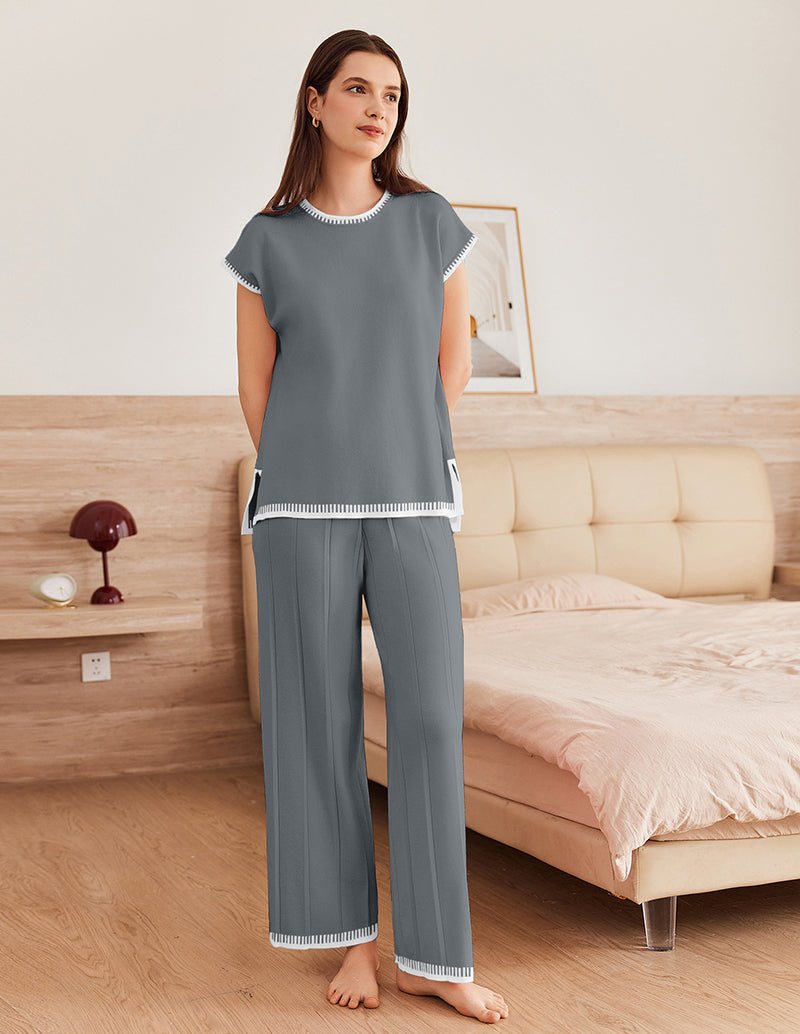
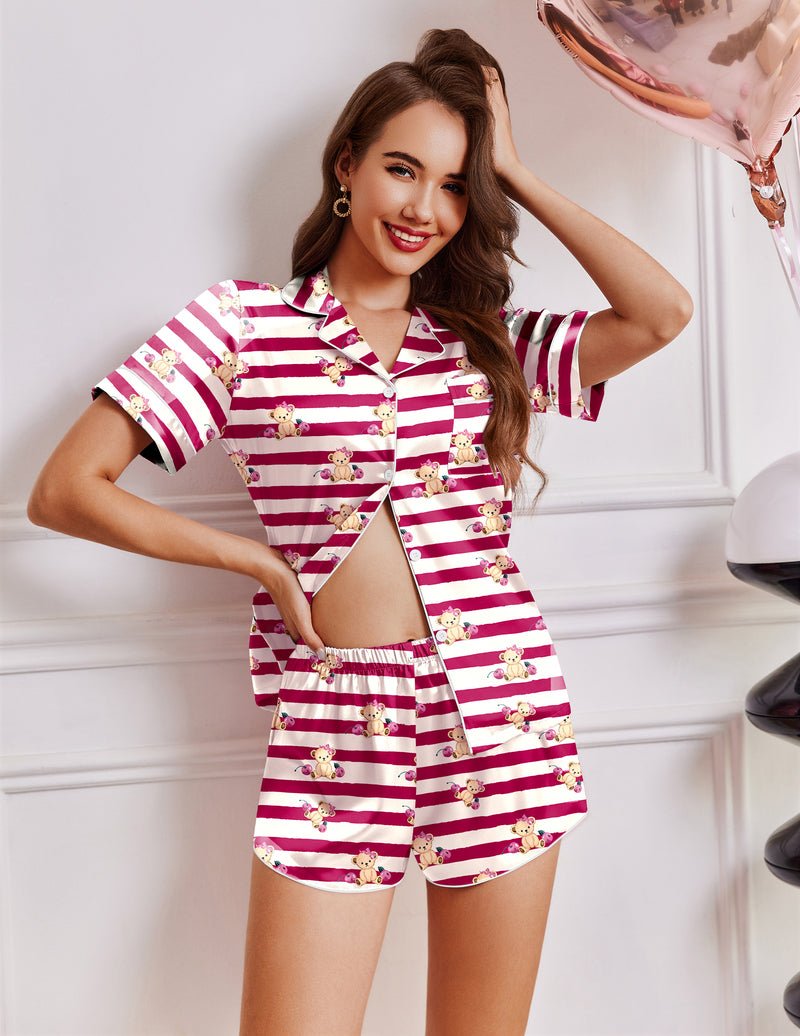
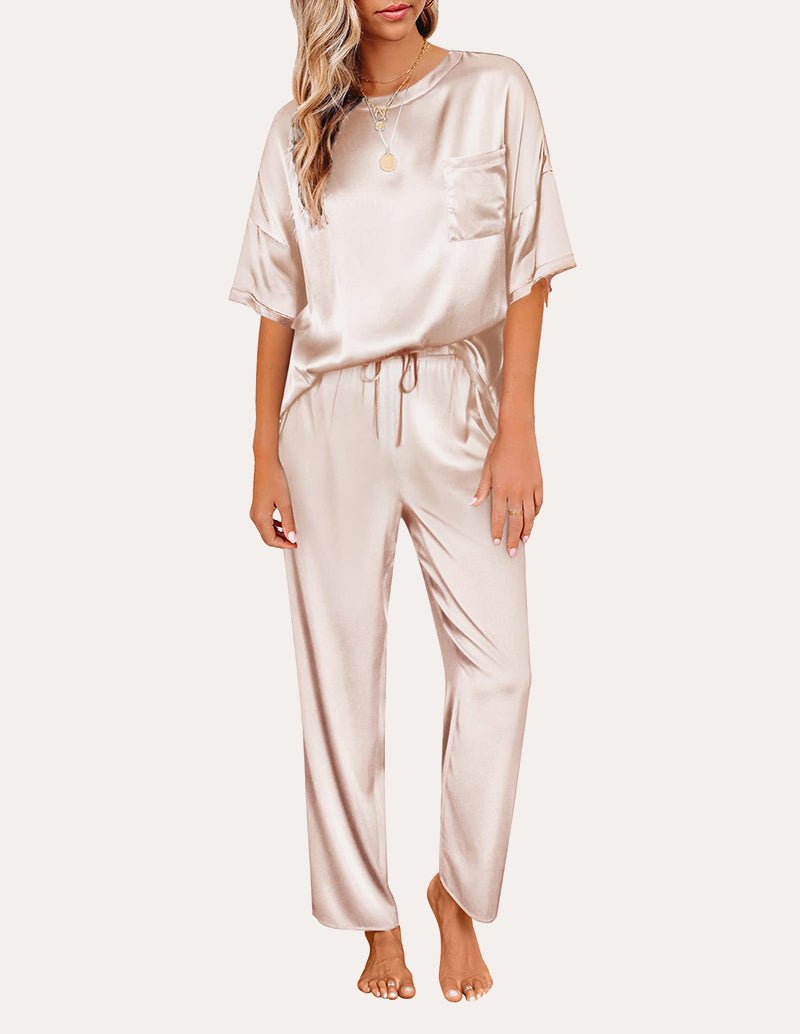
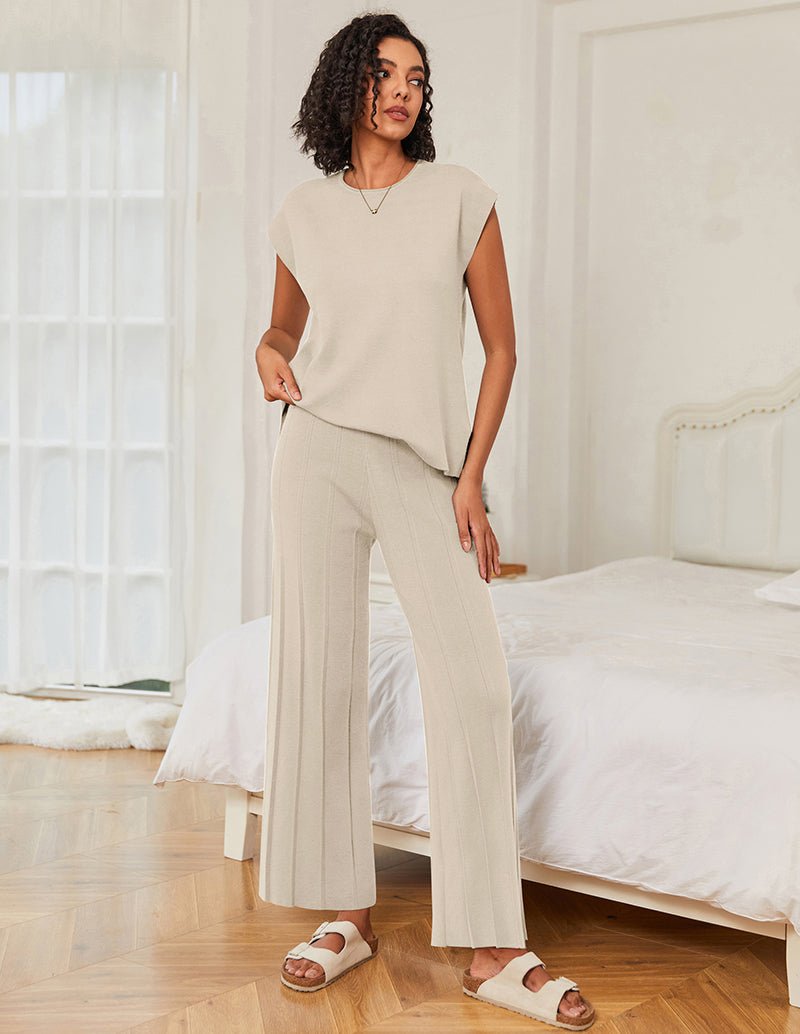
Ekouaer matters here because its satin nightgown collection and satin pajama sets give practical value benchmarks before a buyer spends more on real silk. That does not prove satin equals silk — it shows what affordable satin-look sleepwear can offer. For value-focused shoppers that benchmark is helpful; for pure silk shoppers it is only a comparison point.

Which Fabric is Better for Sensitive Skin and Hair Friction?
Silk is usually the better starting point for sensitive skin and hair friction. Its smooth surface and soft drape can reduce rubbing, especially around shoulders, necklines, and upper back. Satin can also reduce friction if the weave is smooth, the seams are flat, and the finish does not irritate skin — but the mistake is judging only by gloss.
Skin Sensitivity Depends On More Than Fiber
Sensitive skin buyers should evaluate fiber content, dye safety, seam placement, lace trims, and wash residue together. One scratchy lace neckline can ruin an otherwise comfortable garment. OEKO-TEX STANDARD 100 helps screen certain harmful substances, but it should be treated as a separate signal from fiber type. Smooth seams and verified testing deserve more attention than a luxury word in the product title.
Hair Friction Works Like A Pillowcase Test
Hair friction in nightwear works like the silk pillowcase argument: a smoother surface creates less tug when hair brushes the shoulder, neckline, or back. A satin-look camisole can glide better than brushed flannel, while pure silk charmeuse may feel drier and less plasticky than synthetic satin. Buyers with curls, extensions, or breakage concerns should inspect neckline trim and shoulder seams — those small details can become maddening overnight.
Sensitive-Skin Buyer Checklist
Use this checklist when comparing silk, satin, and satin-look options:
-
Check the fiber label for silk, polyester, cotton, modal, or blends before judging comfort.
-
Rub the inside seam against your wrist for 10 seconds to detect scratchy thread or lace.
-
Measure strap width; very narrow straps can dig into shoulders even when the fabric is smooth.
-
Choose adjustable straps if shoulder pressure usually causes irritation.
-
Avoid stiff lace at the bust or underarm if your skin reacts to texture.
-
Look for OEKO-TEX information when chemical sensitivity matters.
-
Wash once before wearing if the care label allows gentle laundering.
-
Check the inside care label position; a stiff side label can scratch more than the fabric itself.
How Do You Properly Wash and Maintain Silk Versus Satin?
Silk needs gentler handling because it is a natural protein fiber, while polyester satin usually tolerates simpler laundering — but the care label still controls the safest method. The reliable method is boring: read the sewn-in care label, separate by fiber, and avoid heat. Textile fiber labeling is regulated separately from care habits, so do not infer washability from the word "satin."
Step-By-Step Fabric Care Tutorial
-
Read the care label with a fiber-content check and identify silk, polyester satin, cotton blend, or lace trim — the outcome is a wash method matched to the actual textile.
-
Sort by fiber and color using separate mesh bags, and keep dark satin-look garments away from pale silk — the outcome is lower snagging and dye-transfer risk.
-
Wash gently with cold water or hand-washing methods when the label allows — the outcome is less abrasion on glossy faces and delicate straps.
-
Air-dry flat or hang away from direct heat and avoid high dryer temperatures — the outcome is better shape retention and fewer surface changes.
Pro tip: keep a budget satin-look piece for travel or frequent washing, and reserve silk for nights when the garment can dry naturally without schedule pressure.
When To Replace Instead Of Repair
Replace sleepwear when elastic fails, seams twist, lace scratches, or the fabric face snags in visible zones — these problems affect both comfort and appearance. Repair silk if the fabric remains strong; replace budget satin-look pieces when trims fail, because repair may cost more than the garment. Hands-on repair check: pull gently at a side seam for 3 seconds. If the stitches open, the fabric whitens, or the seam twists after washing, comfort and durability are already compromised.
Labeling, Use Cases, and Final Buying Checks
U.S. textile labeling requirements matter because sellers must represent fiber content clearly, so buyers should treat the sewn-in label and the product composition field as the authority. Do not trust shine, model photography, or a satin keyword alone — a pajama marketed as satin may still disclose polyester on the label.
What The Label Should Tell You
A textile label should identify fiber content, the responsible company, and other required disclosures. For this comparison, fiber content is the key point. If a listing uses silk-like language but hides the actual composition, skip it — that is a suspicious and unnecessary risk.
FAQ For Silk Versus Satin Nightwear
Q: Is satin always cheaper than silk?
Satin is often cheaper when the fabric uses polyester, but it can also be woven from silk, which raises the price.
Q: Can satin be good for skin and hair?
Satin can reduce friction when the weave is smooth and the seams do not scratch. Fiber content and finishing chemicals still matter.
Q: Is Ekouaer a silk brand or a satin-look value option?
Ekouaer is a women's sleepwear brand known for nightgowns, pajama sets, and satin-look styles. It is not positioned as a pure silk specialist, which is exactly why its satin pieces work as a value comparison point.
Q: What should a buyer choose under a $40 budget?
Start with satin-look polyester, cotton blends, or other value sleepwear. The fiber label still matters.
Q: What should a buyer choose for long-term comfort?
Compare silk, soft knits, and well-made satin-look garments, using fiber content, seam softness, wash burden, and cost-per-wear as the deciding factors.
Selection Guide By Use Case
Use-case sorting prevents overbuying and makes the silk-versus-satin choice less emotional:
|
Use Case |
Best Starting Choice |
Why It Fits |
Watch-Out |
|
Everyday rotation |
Satin-look or soft knit |
Lower price supports multiple pieces |
Do not assume satin means breathable |
|
Sensitive skin |
Silk or certified soft textile |
Smoothness and testing signals matter |
Lace can irritate regardless of fiber |
|
Gift under $40 |
Satin-look nightgown |
Color choice and price fit gifting |
Check size exchange options |
|
Warm bedroom |
Silk or loose short-sleeve cut |
Fiber and airflow matter together |
Long sleeves can cancel fabric benefits |
|
Premium capsule wardrobe |
Silk |
Frequent wear can improve cost-per-wear |
Care burden must match lifestyle |
Glossary Of Key Fabric Terms
|
Term |
Plain-Language Definition |
|
Charmeuse |
A smooth, glossy fabric construction often associated with silk sleepwear and fluid drape. |
|
Cost-per-wear |
The total ownership cost of a garment divided by the number of times the buyer wears it. |
|
Fiber content |
The material makeup of a textile, such as silk, polyester, cotton, modal, or a blend. |
|
Momme |
A traditional weight measure used for silk fabrics that can influence opacity and durability. |
|
OEKO-TEX STANDARD 100 |
A textile testing standard that screens products for certain harmful substances rather than proving fiber type. |
|
Satin |
A weave structure with a glossy face that can be made from silk, polyester, acetate, nylon, or blends. |
|
Silk |
A natural protein fiber known for smooth hand feel, drape, and premium positioning in nightwear. |
Before checkout, compare one silk option and one satin-look option in the same silhouette, then calculate whether each can realistically earn 30, 60, or 120 wears. Browse Ekouaer's satin nightgowns and satin pajama sets to see what the satin-look value tier looks like in practice before deciding where silk is worth the premium.
Related Reading
About Ekouaer
Ekouaer is a women's sleepwear and loungewear brand founded in 2015 under the belief that comfort should never require compromise. Sold in more than 180 countries and recognized by Oprah Daily, Forbes Vetted, and Mom's Choice, the brand builds its collections around real routines—maternity, lounging, sleep, and travel—using fabrics that are soft, machine-washable, and size-inclusive up to 3XL. Ekouaer also carries Airmid Certified Comfort recognition for its science-backed approach to fabric feel.
In 2026, Ekouaer welcomed actress Vanessa Hudgens as a global brand friend for the "My Comfort Era" campaign, centered on the idea of dressing for real life rather than performance.