
Budget vs Luxury Pajamas: Are Expensive Pajamas Worth It?

The question of budget vs luxury pajamas is less about price and more about what you expect from the clothes you sleep in. A ten dollar pair and a two hundred dollar pair can both keep you covered at night, but they usually feel different, last different lengths of time, and ask different things of your laundry routine. The honest answer is that expensive pajamas are worth it for some people and a waste for others. This guide walks through what the extra money actually buys, where it does nothing, and how to decide which camp you fall into before you check out.
Key Takeaways
-
Price mostly tracks fabric quality, finishing, and brand name, not comfort by itself.
-
Budget pajamas win on volume: buy more pairs, replace them often, sleep fine.
-
Luxury pajamas win on hand feel, drape, and details that survive many washes.
-
Match the spend to how often you wear pajamas and how much you care about fabric.
-
A mid range cotton or modal set from a sleep focused brand is the safe middle ground.
What the Price Tag Actually Covers
When you compare budget vs luxury pajamas, the first thing to understand is where the money goes. A higher price usually reflects one or more of three things: the raw fiber, the way the garment is put together, and the name on the label. Long staple cotton, mulberry silk, and finely spun modal cost more at the mill than coarse blends. Tighter stitching, reinforced seams, and hand finished hems take more labor. And a fashion house charges for the logo whether or not the fabric is better than a quiet sleepwear label.
The tricky part is that only the first two of those three show up in how the pajamas feel on your skin. The brand premium is real but invisible once the lights are off. So the practical move is to separate what you can feel from what you are paying for, then decide how much the feel is worth to you.
What Budget Pajamas Get Right

Budget pajamas have gotten genuinely good over the last decade. Mass market cotton and cotton blend sets now use softer yarns than the scratchy things many of us grew up wearing, and you can find breathable short sleeve tops and loose shorts for the price of a coffee run. For most sleepers, a basic set does the only job that matters: it keeps you at a comfortable temperature and does not itch.
The real advantage of cheap pajamas is freedom. You can keep a drawer full of them, rotate daily, and not panic when one gets stained or worn thin. If you sleep hot, travel often, or share a bed with a pet that climbs on you at 3 a.m., having several inexpensive sets is often smarter than owning one precious outfit. Budget also lets you experiment with cuts, like trying a nightshirt or a capri length, without a second thought.
Fabric Is the Biggest Lever
If you only remember one thing from this budget vs luxury pajamas comparison, make it this: fabric matters more than the price. Cotton is the dependable default, cool and easy to wash. Modal and bamboo blends feel smoother and drape closer to the body while staying breathable. Satin and silk read as luxurious and slide against the skin, but they trap more heat and ask for gentler care. The Wikipedia entry on pajamas traces how these garments moved from loose daytime wear in South Asia to the sleep specific clothing we know now, and the fabric split is older than the luxury market.

The reason fabric beats brand is simple. A well made cotton set at a fair price will out comfort a poorly made silk set every night. When you shop, read the fiber content before the label. A 100 percent cotton or a cotton modal blend tells you more than a gold logo stitched on the pocket. If you want the silky feel, learn the difference in our satin versus silk pajamas breakdown before you pay the silk premium.
Fit and Sizing Matter More Than Price
A common mistake in the budget vs luxury pajamas debate is assuming expensive means better fitting. It does not. Fit is about cut and size range, not cost. A cheap set in the right size will beat an expensive set that is too tight at the waist or too long at the sleeve. Look for a relaxed cut through the torso, a waistband that does not dig in, and hems that sit where you like them.
Pay attention to how a fabric behaves after washing, because that is where budget pieces sometimes fall short. Cheaper blends can pill or go thin faster, while a denser weave holds shape. The fix is not always to spend more; it is to buy from a brand that publishes real fiber content and honest size charts. Sleep focused labels tend to get this right more often than general fashion brands that treat pajamas as a side category.
When Luxury Pajamas Are Worth It
Expensive pajamas earn their keep in a few clear situations. If you work from home and basically live in loungewear, the hand feel of a premium set is something you feel for eight hours a day, not eight hours a night. If you love the look of silk and the ritual of caring for it relaxes you, the extra cost buys a small daily pleasure. And if you want pajamas that double as presentable loungewear for video calls or a lazy weekend, the cleaner finishing of higher end pieces shows.

Luxury also tends to last longer when the fiber is real and the construction is tight. A silk set washed in a mesh bag on cold and dried flat can look new for years. If you wear pajamas slowly and care for them, the cost per wear drops until the fancy pair is actually the cheaper one. That math only works if you actually wear and maintain them, which brings us to the opposite case.
When Budget Wins Plain and Simple
For most people, most of the time, budget pajamas are the rational choice. If you change sets a few times a week, sleep at a steady temperature, and do not care about fabric ritual, a drawer of soft cotton or modal sets covers you completely. The money saved can go toward a better mattress or cooler sheets, which affect sleep more than the tag on your top.
Budget also removes the anxiety of ruining something nice. Kids, pets, late night snacks, and travel all threaten nice clothes. Cheap pajamas shrug off those risks. The smart play many people land on is one or two nicer sets for slow weekends and a rotation of basic sets for everyday wear.
Our Picks from Ekouaer
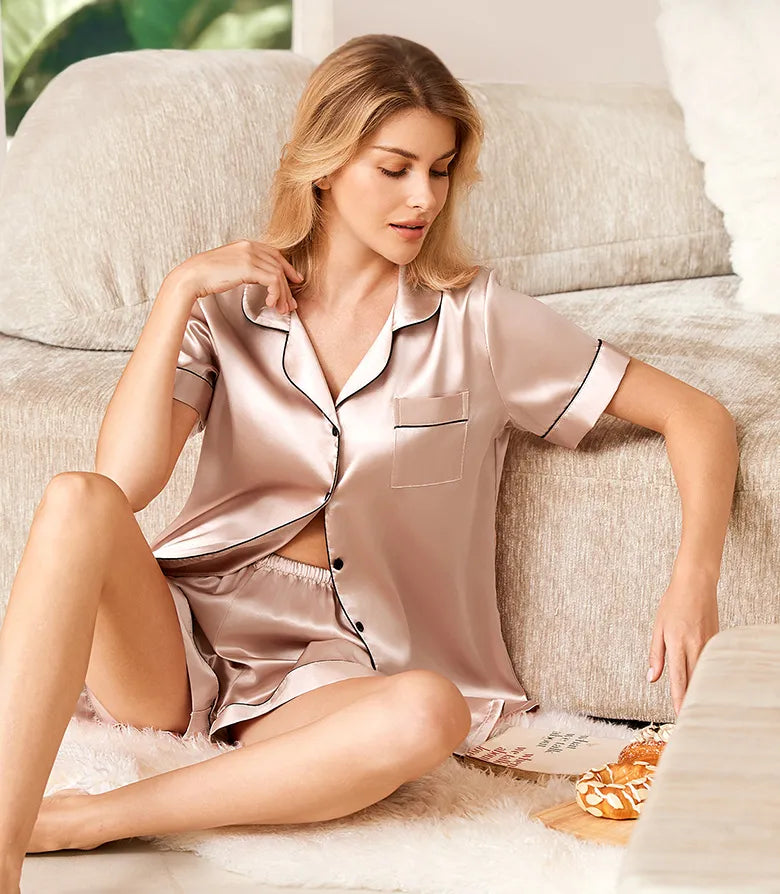
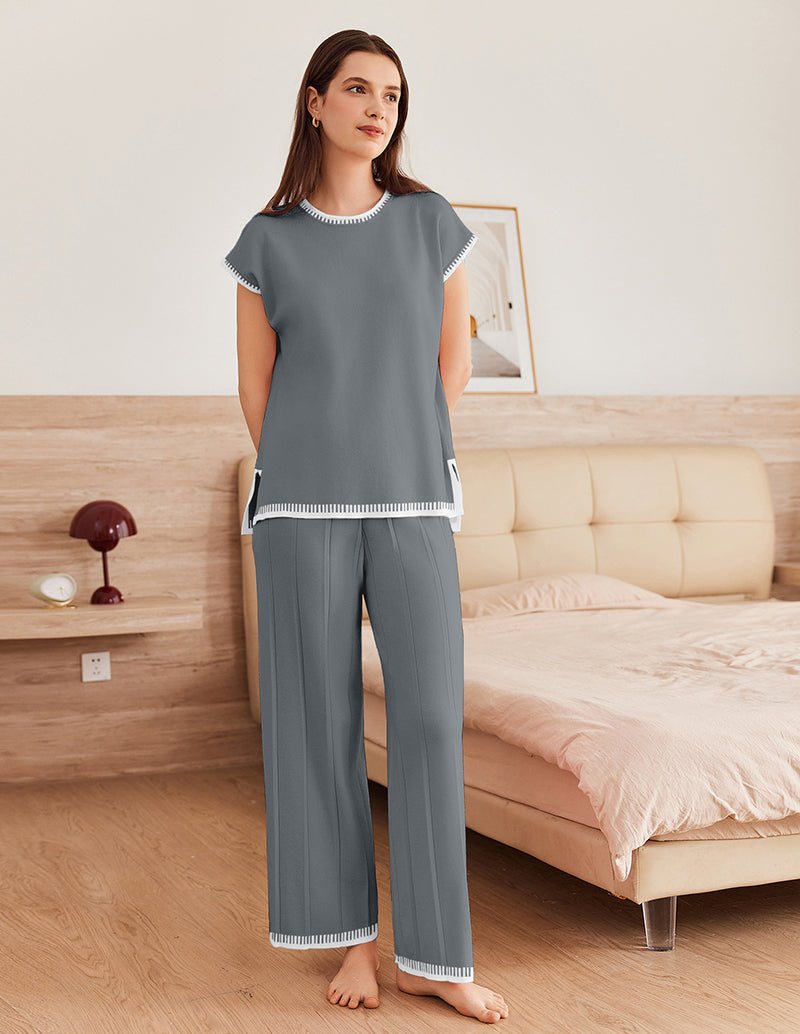
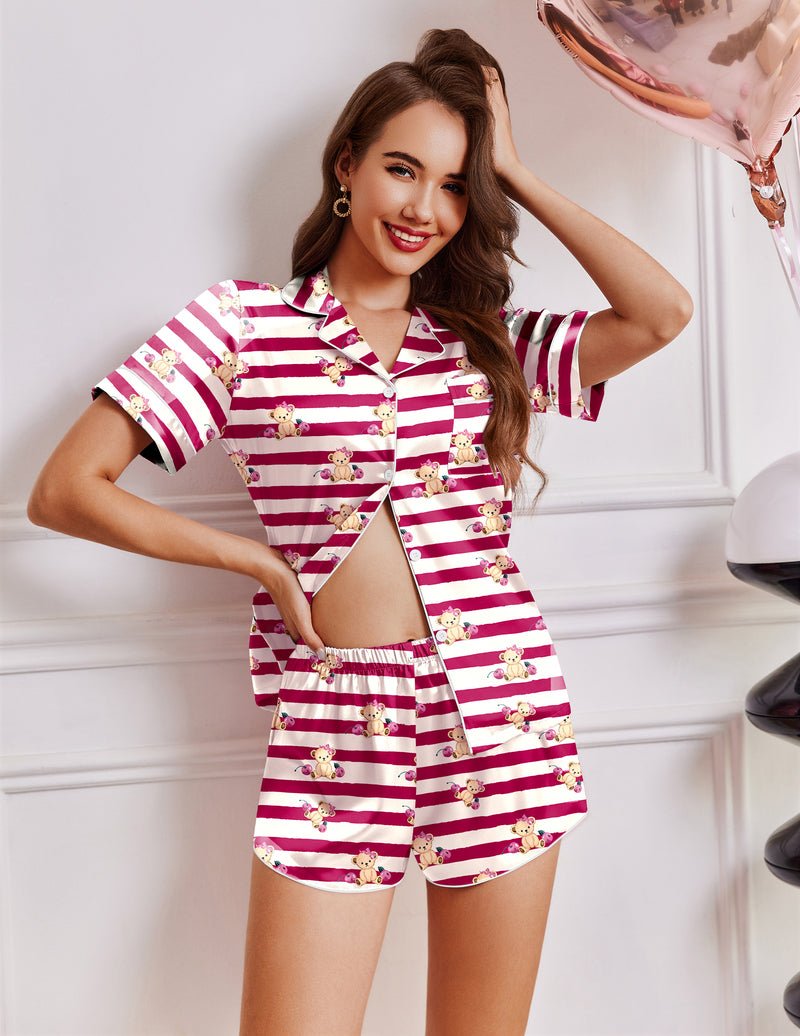
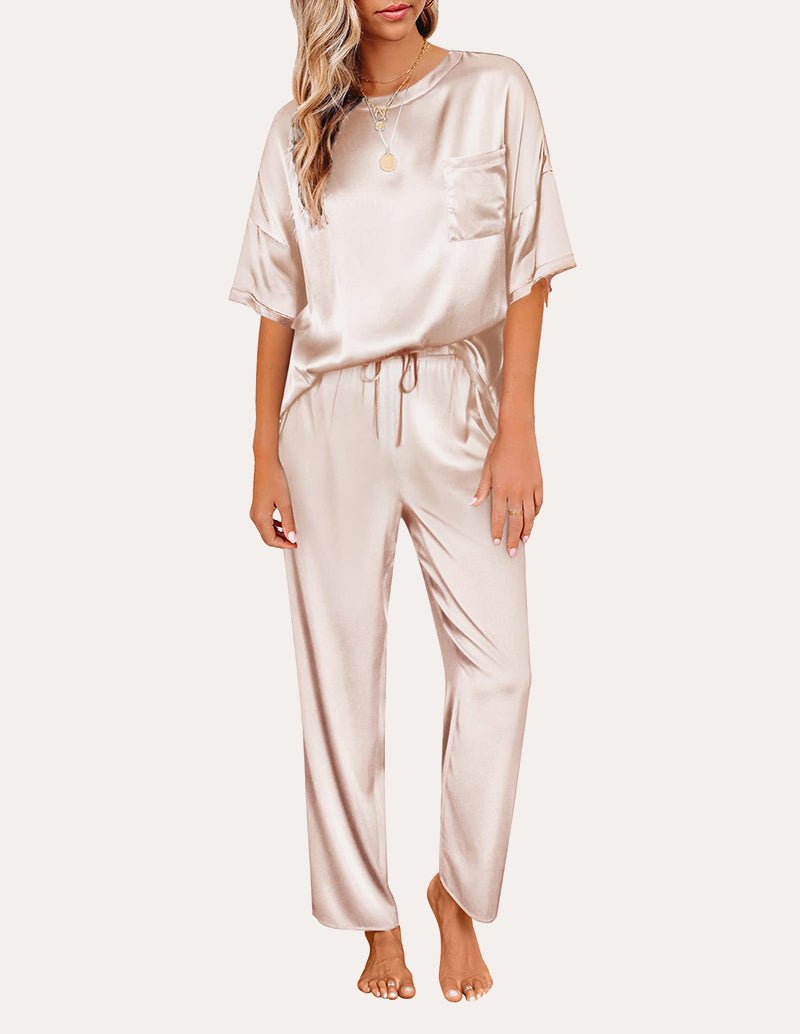
Four Ekouaer options show how the budget to mid range can cover both camps. The Ekouaer 100% Cotton Short Sleeve Button Down Pajama Set is the everyday workhorse, breathable and easy to wash. The Ekouaer Silk Satin Pajamas Set brings the luxury slide and sheen for nights when you want the treat. The Ekouaer Classic Soft Short Pajama Set is the reliable warm weather pick, and the Ekouaer Cotton Classic Short Sleeve Pajama Set gives you a soft cotton rotation piece at a fair price. None of these ask you to choose between comfort and common sense.

Common Mistakes to Avoid
The first mistake is paying for a brand name and assuming the fabric is better. Check the fiber content. The second is buying one expensive set and then treating it like a uniform, which wears it out and adds laundry pressure. The third is skipping care labels: silk and satin need cold, gentle cycles, and a mesh bag, while cotton shrugs off almost anything. The fourth is ignoring your own sleep temperature; a luxury flannel set is miserable in a hot room, and a cheap linen blend can feel rough if you expected silk.
Frequently Asked Questions
Are expensive pajamas actually worth the money?
For everyday sleep, usually no. A good cotton or modal set at a fair price is comfortable and easy to replace. Expensive pajamas are worth it when you wear loungewear all day, love the ritual of silk care, or want pieces that double as presentable at home clothing. The value depends on how often you wear them and how much the hand feel matters to you.
Does fabric matter more than the brand?
Yes. Fabric drives how the pajamas feel, breathe, and last. A well made cotton set from a sleep focused label will out comfort a poorly made silk set from a fashion house. Read the fiber content before the logo, and choose the weave that matches your sleep temperature and washing habits.
Are silk pajamas harder to care for than cotton?
They are a bit more demanding. Silk and satin prefer cold gentle washes in a mesh bag and flat drying, while cotton takes almost any cycle. If you dislike delicates, a washable satin look or a smooth modal blend gets you close to the feel with far less fuss. Choose based on the care you are willing to do.
How many pajama sets should I own?
A practical rotation is five to seven sets if you wash weekly, so you always have a clean pair. If you prefer fewer, two everyday cotton sets plus one nicer option for weekends works. The number matters less than having enough that you are not rewearing damp or stained pieces, which hurts sleep hygiene more than any fabric choice.
A Simple Way to Choose
Start by counting how many hours a day you are actually in pajamas or loungewear. If it is most of the day, lean toward one or two nicer pieces and fill the rest with soft cotton. If it is only sleep, build a drawer of budget sets and skip the premium entirely. Then match the fabric to your temperature: cotton or modal for hot sleepers, silk or satin for those who want the treat in a cool room. Ekouaer covers both ends without forcing a luxury price, so begin there, pick by fiber, and let your laundry routine confirm the choice.
Related Reading
About Ekouaer
Ekouaer is a sleepwear and loungewear label that treats comfort as the whole point, not a bonus feature. The brand focuses on breathable fabrics, relaxed cuts, and honest size ranges so that softness is available at a fair price rather than locked behind a luxury markup. With more than a decade of loungewear design, Ekouaer builds pieces for the nights when ordinary clothes feel like too much and for the mornings when you want to stay in them a little longer. The brand has been featured by outlets including Forbes Vetted and CNN Underscored, and the Ekouaer x Vanessa Hudgens My Comfort Era collaboration showed how everyday ease can feel a little celebratory.