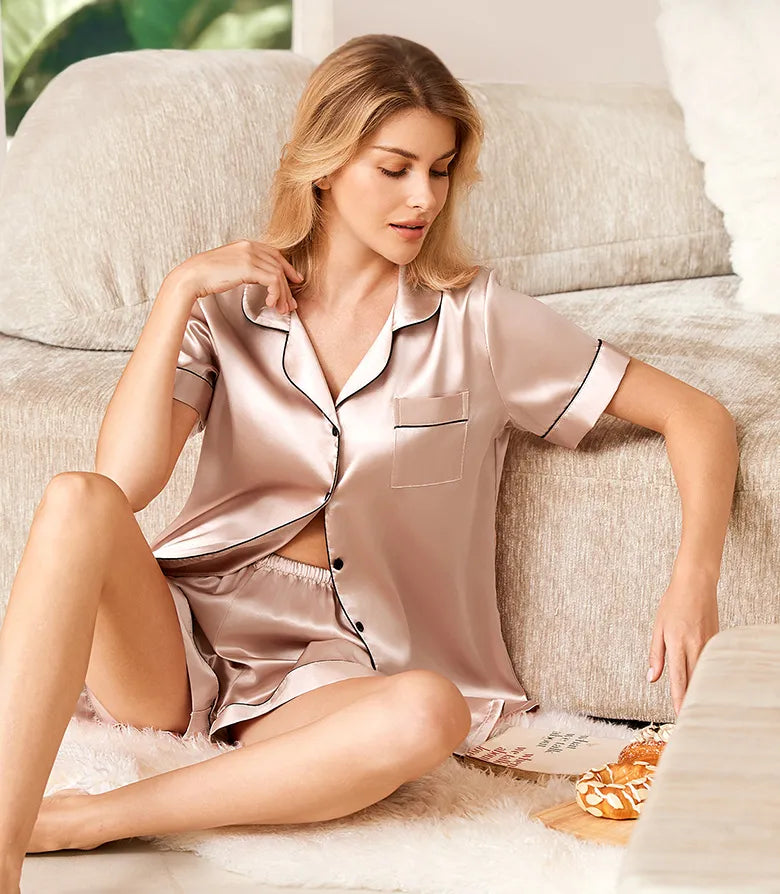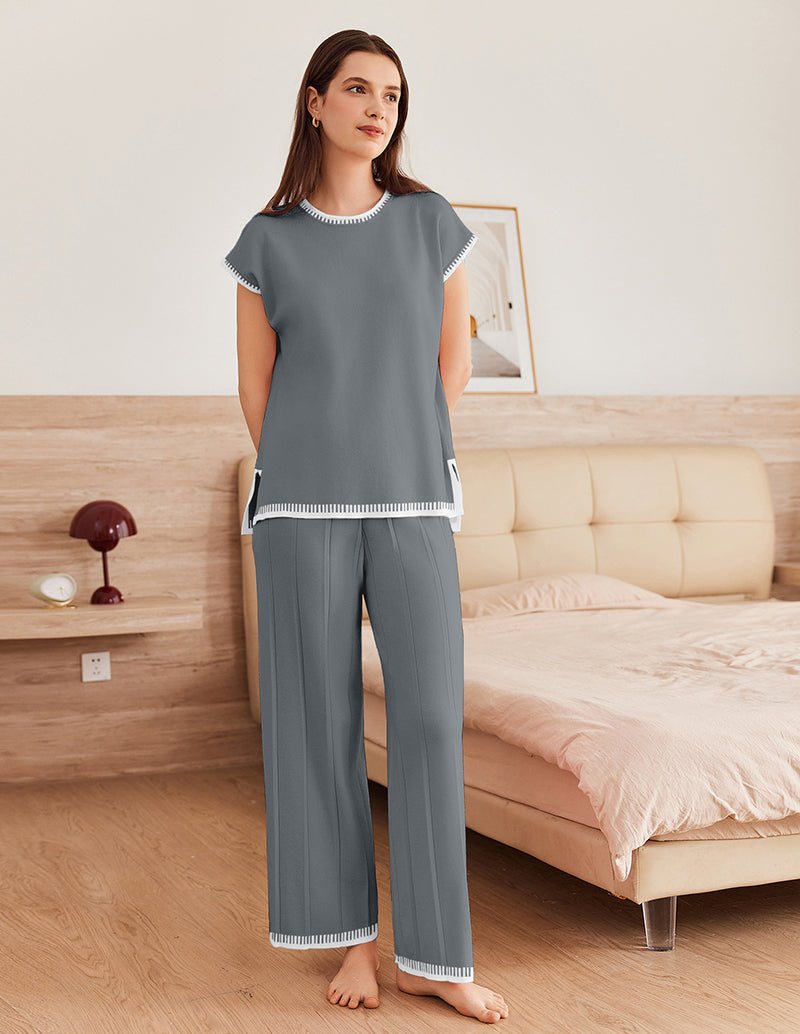
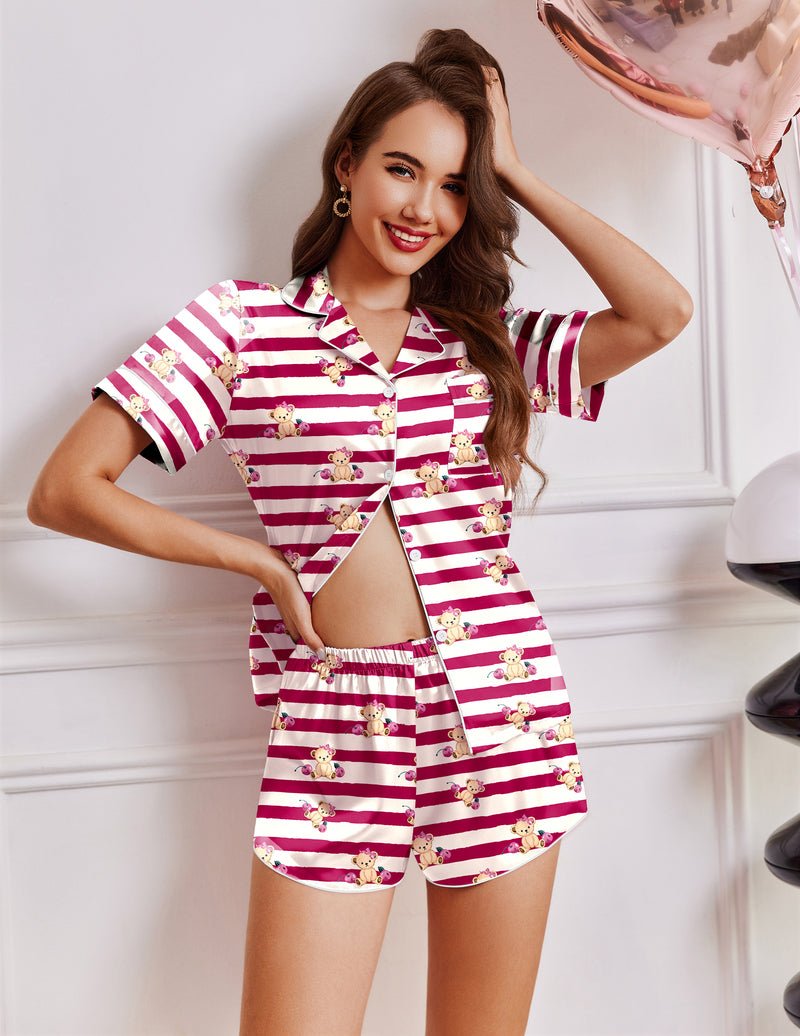
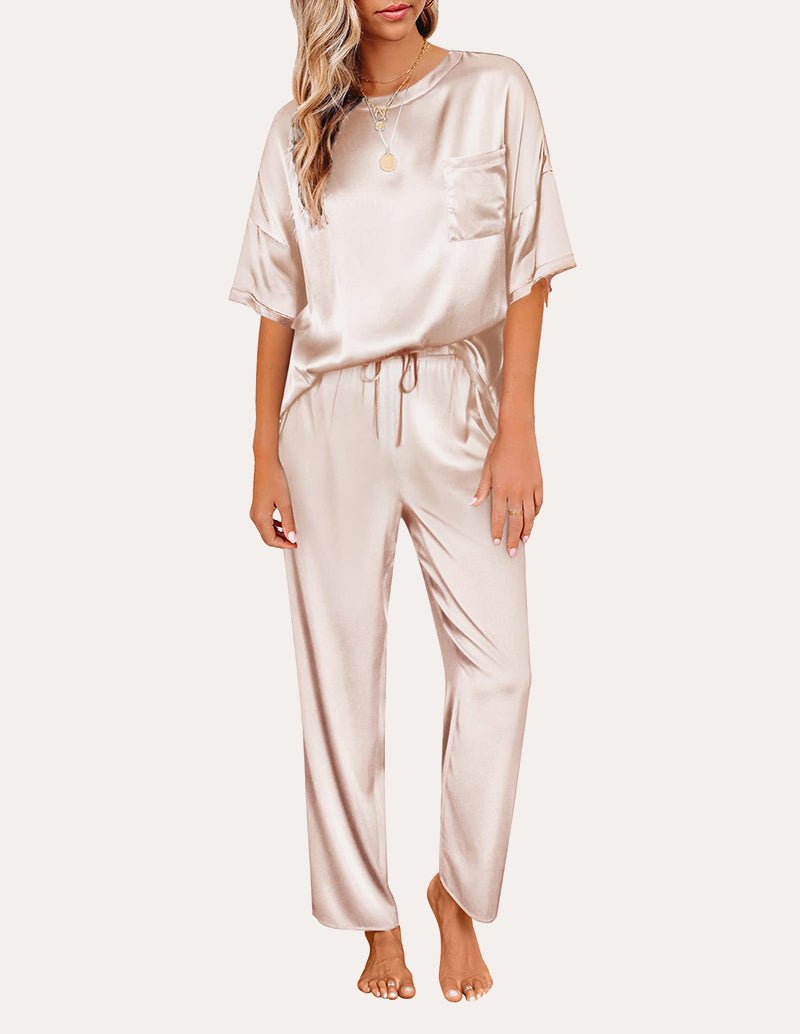
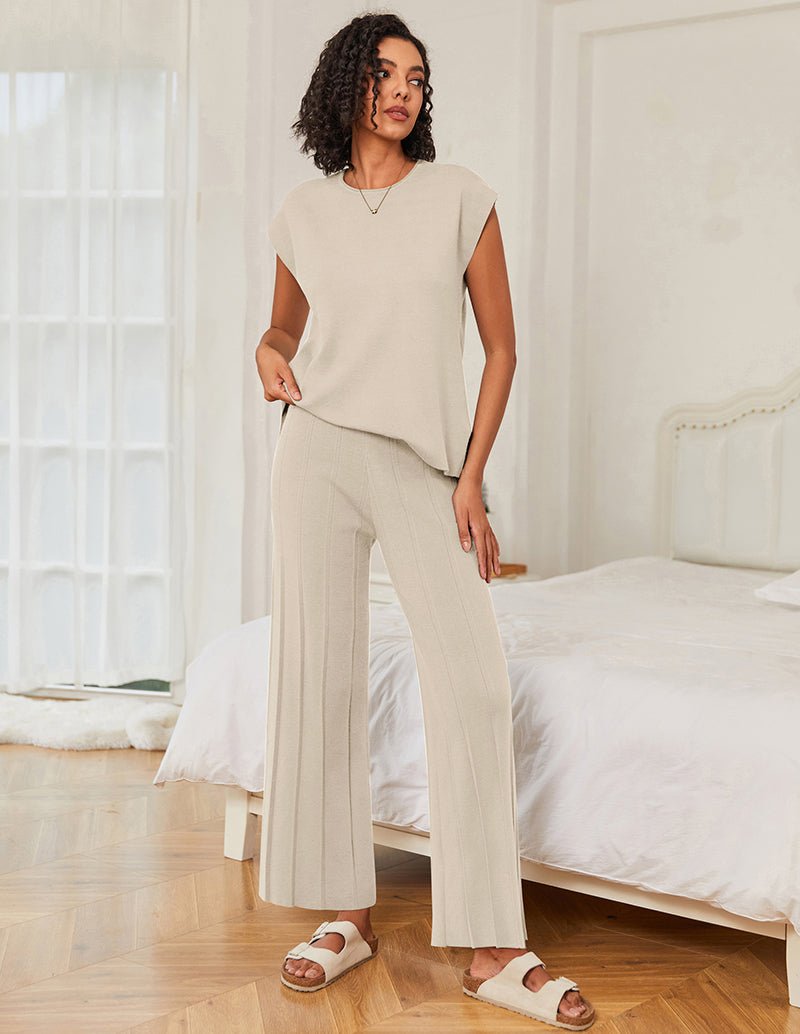
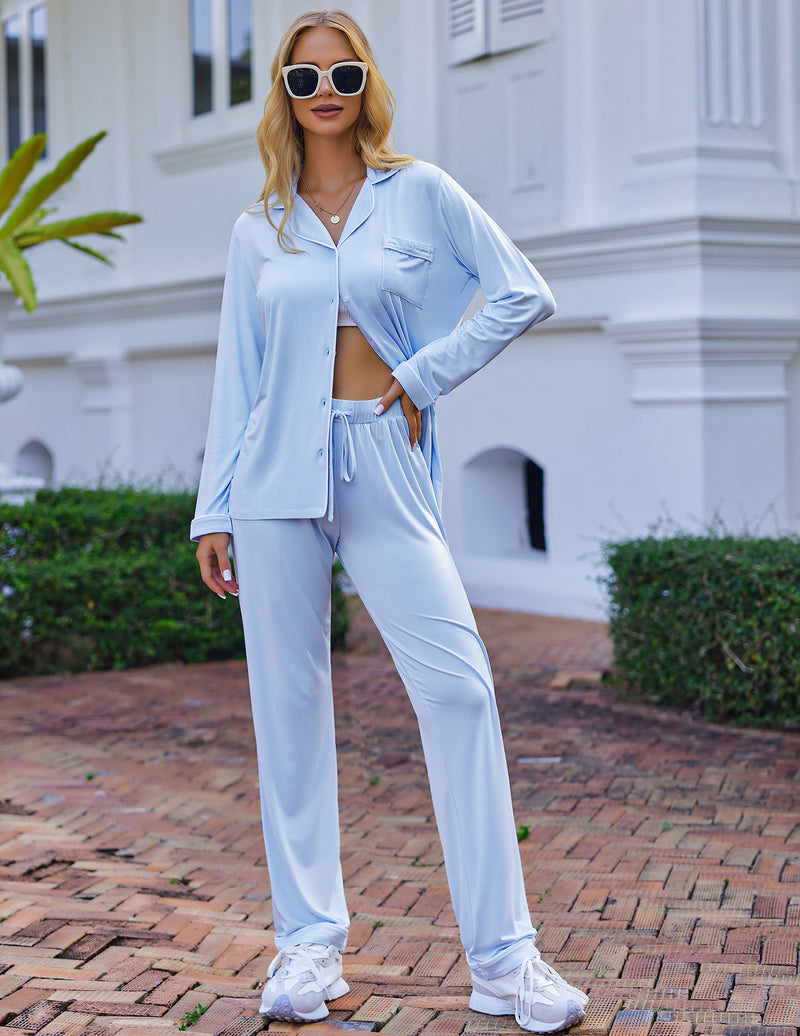
What Is Mulberry Silk? The Fabric Behind EKOUAER's High-End Sleepwear

Quick Answer
Mulberry silk is natural silk produced by silkworms — most commonly Bombyx mori — that feed primarily on mulberry leaves. It is a real protein fiber, not a synthetic imitation, and it is known for a smooth hand feel, subtle natural sheen, lightweight drape and good temperature-regulating properties. One point trips up a lot of shoppers: silk describes a fiber, while satin describes a weave. A satin fabric can be made from silk or from synthetic fibers, so the fiber composition on the label is what actually matters. Mulberry silk is used in premium sleepwear because it feels smooth against the skin, drapes fluidly and stays comfortable across a range of temperatures.
Mulberry silk is one of the most recognized types of natural silk and is widely associated with a smooth hand feel, subtle sheen, lightweight drape, and refined appearance. But what exactly makes mulberry silk different from other types of silk, and why is it often used in premium sleepwear?
In simple terms, mulberry silk is natural silk produced primarily by silkworms that feed on mulberry leaves. The resulting silk fiber can be woven into lightweight fabrics that feel smooth against the skin and have an elegant natural luster. For sleepwear, these qualities make silk an appealing choice for people who want a more refined alternative to everyday fabrics.
Understanding the difference between silk, mulberry silk, and satin can also make shopping easier. Rather than choosing sleepwear based only on appearance, it helps to consider fiber composition, fabric construction, weight, fit, care requirements, and personal comfort.

Key Takeaways
-
Mulberry silk is real natural silk, not a synthetic imitation.
-
The term “mulberry silk” refers to silk associated with silkworms that are primarily fed mulberry leaves.
-
Its smooth feel, natural sheen, and lightweight drape make it a popular choice for premium apparel and sleepwear.
-
Silk and satin are not the same thing: silk refers to a natural fiber, while satin describes a particular type of weave or fabric construction.
-
When choosing silk sleepwear, check the fiber composition, garment construction, fit, care instructions, and overall wearing experience.
What Is Mulberry Silk?
Mulberry silk is a type of natural silk traditionally produced by silkworms that feed primarily on mulberry leaves. The most commonly referenced silkworm in this context is Bombyx mori, which has been cultivated for silk production for centuries.
The term “mulberry silk” therefore describes the source and production of the silk rather than a completely separate category from natural silk.
Because silk fibers can be spun into fine, smooth threads, mulberry silk fabrics are often associated with a soft hand feel, natural sheen, and fluid drape. These characteristics have made silk popular in clothing, lingerie, silk pajamas and sleepwear, and other applications where comfort and appearance are both important.
Where Does Mulberry Silk Come From?
The production process begins with silkworms and their cocoons.
Silkworms produce silk fibers as they form their cocoons. This process, known as sericulture, has been practiced for thousands of years. After the silk fibers are collected and processed, they can be spun into yarn and woven or knitted into fabric.
Mulberry silk is particularly associated with silkworms raised on mulberry leaves. The controlled nature of this production process helps create relatively consistent silk fibers, which is one reason mulberry silk is commonly associated with refined silk textiles.
The final characteristics of a silk garment, however, depend on more than the origin of the fiber. Weave, finishing, fabric weight, garment construction, and manufacturing quality can all influence how the finished product feels and performs.
Is Mulberry Silk Real Silk?
Yes. Mulberry silk is real natural silk.
The important distinction is that “silk” is the broader category, while “mulberry silk” describes a particular type of silk associated with mulberry-fed silkworms.
This is also why shoppers should look carefully at product descriptions. A product labeled “silk” does not automatically mean that it is made from mulberry silk, and a product described as “silky” may not contain silk at all. If the terminology is new to you, what charmeuse silk is and how satin differs from silk are both useful companions to this guide.
Checking the fiber composition is one of the simplest ways to understand what a garment is actually made from.
Why Is Mulberry Silk Considered a Premium Fabric?
Mulberry silk has long been associated with premium textiles because of its combination of appearance, texture, and versatility. Trade reporting on mulberry silk fibre properties points to the same qualities: long, uniform filaments, a natural pearly lustre and consistent softness that synthetic fibers struggle to reproduce.
For sleepwear, these characteristics can create a different experience from heavier or more utilitarian fabrics.
Smooth Hand Feel
One of the most noticeable characteristics of silk is its smooth surface.
When used in sleepwear, this smoothness can make the fabric feel soft and comfortable against the skin. The sensation is part of what makes silk pajamas and nightwear attractive to people looking for a more refined sleepwear experience.
However, the final feel of a garment is not determined by fiber alone. Fabric construction, finishing, garment fit, and weight can also affect how a piece feels when worn.
Natural Sheen and Draping
Silk has a distinctive natural luster that gives it an elegant appearance without requiring a glossy synthetic finish.
It also tends to have a fluid drape, allowing garments to fall naturally around the body. This quality works particularly well for silk pajama sets and nightgowns, robes, camisoles, and other relaxed silhouettes.
For high-end sleepwear, fabric and silhouette work together. A refined fabric can enhance the visual effect of a simple design, while thoughtful construction can make the garment feel more comfortable and polished.
Lightweight Comfort
Silk fibers can be woven into lightweight fabrics, making silk a popular material for apparel that sits directly against the skin.
For sleepwear, lightweight construction can be especially appealing when the goal is a relaxed, less bulky feeling at bedtime.
That said, “lightweight” does not automatically mean “suitable for everyone.” Personal temperature preferences, room conditions, garment design, and fabric weight all affect comfort.
Breathability and Moisture Management
Silk is often valued in clothing for its lightweight feel and ability to provide comfortable wear. Published reviews of silk fibre structure and performance describe silk as a breathable protein fiber with natural moisture management, which is part of why it is often chosen for sleepwear and bedding.
But it is important not to treat all silk garments as identical. Fabric construction, thickness, finishing, and the design of the garment can all influence the wearing experience.
If comfort is your priority, look beyond the word “silk” and consider the complete garment rather than the fiber name alone.
Mulberry Silk vs. Other Silk and Sleepwear Fabrics
Understanding fabric terminology can make shopping much easier. The table below compares the materials most often confused with mulberry silk.
|
Fabric |
What the name actually refers to |
Typical fiber |
Feel & appearance |
Care (always check the label) |
Best for |
|
Mulberry silk |
Silk from silkworms fed primarily on mulberry leaves (Bombyx mori) |
Natural protein fiber |
Smooth, natural sheen, fluid drape |
Gentle hand wash or dry clean as labeled |
Premium sleepwear, sensitive skin |
|
Other silk types (e.g. tussah / wild silk) |
Silk from other silkworm species |
Natural protein fiber |
Often slightly coarser and more textured |
Hand wash or dry clean as labeled |
Textured or casual silk pieces |
|
Silk satin |
A satin weave made with silk fiber |
Silk fiber + satin weave |
High sheen, smooth, more structured drape |
Follow the label; often hand wash |
Luxury pajama sets, nightgowns, robes |
|
Polyester satin |
A satin weave made with synthetic fiber |
Synthetic (polyester) |
Glossy and smooth, less breathable |
Usually machine washable |
Budget-friendly polished looks |
|
Cotton |
A natural plant fiber |
Cellulose fiber |
Soft, matte, breathable |
Machine washable |
Everyday sleepwear, hot sleepers |
|
Modal / rayon blends |
Regenerated cellulose fibers |
Semi-synthetic |
Soft, stretchy, cool to the touch |
Machine washable |
Everyday comfort, easy care |

“Silk” describes a fiber; “satin” describes a weave. Satin can be made from silk or synthetic fibers — always confirm the fiber composition on the product page or care label.
One important distinction is often overlooked: silk describes a fiber, while satin describes a weave or fabric construction.
That means satin does not automatically mean synthetic, and silk does not automatically mean satin. A fabric can, for example, use silk fiber with a satin weave.
This distinction is useful when comparing silk pajamas with satin sleepwear. Instead of judging a garment by the word “satin” or “silk” alone, check the actual fiber composition and care instructions. For a closer look at how the two compare on breathability, see Is satin breathable? Polyester vs silk vs cotton-sateen.
How to Choose Mulberry Silk Sleepwear
Choosing silk sleepwear is not only about finding the most luxurious-looking fabric. The best choice depends on how you plan to wear it, how it feels against your skin, and how much care you are willing to give it.
Check the Fiber Composition
Start with the garment's fiber composition.
Words such as “silky,” “silk-feel,” or “silk-like” describe appearance or sensation and do not necessarily mean that a product contains natural silk.
If you specifically want mulberry silk, look for clear information about the fiber composition rather than relying only on the product title. Pieces in the EKOUAER Pure Silk collection state their fiber content directly on the product page.
This is particularly important when comparing different silk pajamas, because two garments can have a similar appearance while being made from very different materials. If momme weight (the density measure used for silk) is new to you, this guide to choosing silk pajamas by momme explains what the numbers mean.
Consider the Weight and Feel
Fabric weight can affect how a sleepwear garment feels.
A lightweight silk garment may have a soft, fluid drape and feel barely there against the skin. A heavier fabric can feel more substantial and may provide a different sense of coverage.
There is no single fabric weight that works for everyone. Consider:
-
Your preferred level of coverage
-
Your usual sleeping environment
-
Whether you prefer a lightweight or substantial feel
-
Whether the garment is designed for sleeping or lounging
-
How the fabric moves when you walk or sit
Choose the Right Sleepwear Style
Silk can be used across many different sleepwear silhouettes.
-
Silk pajama sets offer a classic two-piece format and can work well for both sleeping and lounging.
-
Silk nightgowns provide a one-piece alternative with a more fluid silhouette.
-
Silk robes can be layered over sleepwear and are useful for relaxing at home. If you already own a set, see how to style silk pajamas.
-
Camisole-style sets can offer a lighter option for people who prefer minimal coverage.
The right style ultimately depends on personal preference, climate, fit, and how you expect to use the garment.
How EKOUAER Approaches High-End Sleepwear

High-end sleepwear is about more than simply using a premium-sounding fabric.
The overall experience comes from the relationship between material, construction, silhouette, details, and everyday wearability.
For EKOUAER, the high-end sleepwear direction provides an opportunity to bring these elements together in a more refined collection.
Designed Around Comfort and Refinement
A premium sleepwear piece needs to work in two ways: it should feel comfortable enough for relaxing at home while also looking polished enough to feel special.
That balance can be created through fabric selection, relaxed silhouettes, thoughtful details, and careful construction.
Rather than treating luxury as a purely visual concept, modern sleepwear can make refinement part of everyday comfort.
From Fabric Choice to Silhouette
Fabric affects how a garment moves, falls, and feels.
A fluid fabric can create a different silhouette from a structured one. A lightweight material can create a different wearing experience from a heavier fabric.
That is why evaluating a high-end sleepwear garment means looking at the entire design rather than focusing on one material characteristic.
The relationship between fabric, fit, movement, and finishing details is what ultimately shapes the garment.
The EKOUAER Collection
The EKOUAER high-end collection is designed around the idea of bringing a more refined feeling to everyday homewear and sleepwear.
Instead of separating comfort and style, the collection approach considers how sleepwear can work across different moments at home, from winding down in the evening to slow mornings and relaxed weekends.
For shoppers exploring premium sleepwear, the collection can be viewed as part of a broader shift toward pieces that combine the comfort of homewear with the visual language of elevated fashion — the same direction explored in quiet luxury at home. Starpieces and campaign looks are gathered in the EKOUAER x Vanessa Hudgens edit. Three of the mulberry silk styles in the collection, a draped-collar nightgown and two sleepwear sets, are worn by Ekouaer brand friend Vanessa Hudgens, putting the fabric in a real-world setting rather than a purely technical one.
How to Wash and Care for Mulberry Silk
Silk can be more delicate than many everyday clothing fabrics, so proper care is an important part of owning silk sleepwear. For a step-by-step walkthrough, see how to wash silk pajamas and the complete luxury sleepwear care guide.
The first rule is simple:
Always check the care label on the individual garment before washing it.
Different silk fabrics, finishes, linings, trims, and garment constructions may have different care requirements.
Read the Care Label First
Before washing a silk garment, check:
-
Recommended washing method
-
Water temperature
-
Detergent instructions
-
Whether machine washing is permitted
-
Whether professional cleaning is recommended
-
Drying instructions
Do not assume that every silk garment should be washed in exactly the same way.
Washing Mulberry Silk
When a garment's care label allows washing, handle it carefully.
Avoid unnecessarily aggressive washing, harsh treatment, or excessive friction. If the garment requires hand washing, use the recommended method and avoid wringing or twisting the fabric.
The goal is to preserve the structure and surface of the fabric while minimizing unnecessary stress.
For machine-washable silk garments, always follow the manufacturer's specific instructions rather than applying a generic silk-care routine.
Drying and Storing Silk Sleepwear
Heat and rough handling can be particularly damaging to delicate fabrics.
Follow the garment's drying instructions and avoid unnecessary high heat when it is not recommended.
When storing silk sleepwear, give the garment enough space to maintain its shape and avoid placing it in conditions that could cause unnecessary friction or damage.
Proper care does not need to be complicated. The most important habit is simply to follow the care instructions provided for the garment.
Is Mulberry Silk Worth Considering for Sleepwear?
Mulberry silk is worth considering if you value a smooth hand feel, natural sheen, lightweight drape, and a more refined appearance in sleepwear.
It is not necessarily the right fabric for every person or every situation, however. The table below matches the fabric to common priorities.
|
Your priority |
Mulberry silk |
Consider instead |
|
A smooth, luxurious feel against the skin |
A strong fit |
— |
|
A natural sheen and fluid drape |
A strong fit |
— |
|
Lightweight, breathable wear |
A strong fit |
— |
|
The lowest price per piece |
Less fit |
Cotton, modal, or polyester satin |
|
Easy, low-effort everyday care |
Less fit |
Machine-washable cotton or modal blends |
|
Machine washing without special handling |
Less fit |
Cotton or cotton-rich blends |
For a fuller cost-per-wear breakdown, see Are silk pajamas worth it? and budget vs luxury pajamas.
Ultimately, the best sleepwear choice depends on more than the fabric name. Fiber composition, construction, fit, care requirements, and personal preference all matter.
Frequently Asked Questions About Mulberry Silk
Q:Is mulberry silk real silk?
A: Yes. Mulberry silk is a type of natural silk associated with silkworms that are primarily fed mulberry leaves.
The term “mulberry silk” identifies a particular type and production source of silk rather than a synthetic substitute.
Q:What is mulberry silk made of?
A:Mulberry silk is made from natural silk fibers produced by silkworms.
The silkworm creates silk as it forms its cocoon. The resulting fibers can then be processed into yarn and woven into fabric for clothing and other textile applications.
Q:Is mulberry silk good for sleepwear?
A:Mulberry silk can be well suited to sleepwear because of its smooth feel, lightweight potential, natural sheen, and fluid drape.
However, the overall comfort of a garment depends on more than the fiber. Fabric weight, construction, fit, finishing, and personal preference also matter. See best silk pajamas for women and best silk nightgowns for fabric-first picks.
Q:How do you wash mulberry silk?
A:The correct method depends on the specific garment.
A:lways start by checking the care label. Follow the manufacturer's recommended washing, drying, and cleaning instructions, and avoid harsh treatment unless the garment's care instructions specifically allow it. Our silk pajama washing guide walks through the process step by step.
Q:What is the difference between silk and mulberry silk?
A:Silk is the broader category of natural protein fiber.
Mulberry silk refers to silk traditionally produced by silkworms associated with mulberry leaves.
In other words, mulberry silk is silk, but “silk” does not necessarily specify mulberry silk.
Learn More & Connect
At Ekouaer, our approach to comfort and fabric selection follows established textile and safety standards.
-
Fabric science — Silk, Bombyx mori and sericulture on Wikipedia
-
All About Mulberry Silk — Indian Textile Journal
-
Mulberry and Non-Mulberry Silk Fibres: Structure, Properties and Applications — peer-reviewed review
-
OEKO-TEX certified fabrics and Textile Exchange fibre standards
About the Author
Written by the Ekouaer Editorial Team.
About EKOUAER
Ekouaer is a sleepwear and loungewear brand built on a simple idea: comfort should be something you live in, not something you save. With over a decade of loungewear design behind it, the brand is known for soft pajama sets, inclusive sizing, and approachable prices that make a small luxury feel everyday. Ekouaer has been recognized by outlets including Forbes Vetted and CNN Underscored for comfort and value, and the Ekouaer x Vanessa Hudgens "My Comfort Era" collaboration brought celebrity-level ease to the same easy-to-wear pieces. The focus stays on touchable fabrics, easy care, and styles that move from bed to couch to a quick errand without a costume change.
Ekouaer in the Press
Ekouaer has been featured in a range of fashion, lifestyle, and shopping publications. Explore recent coverage and independent mentions:
Related Reading
-
The Complete Nightgown Guide: Silk, Cotton & Satin Styles for Every Occasion in 2026
-
Best Silk Pajamas for Women in 2026: How to Choose by Momme, Style & Price
-
How to Care for Luxury Pajamas & Sleepwear: The Complete 2026 Fabric Guide
-
How to Choose the Perfect Pajamas: A Fabric, Fit & Season Buying Guide for 2026
-
Pajamas as Daytime Loungewear: How to Build a Comfortable At-Home Wardrobe (WFH-Friendly)
-
Get the Vanessa Hudgens "My Comfort Era" Look: A Boho-Luxe Loungewear Style Guide